
In today’s digital landscape, a Facebook public page is more than just a social media presence—it's a powerful tool for building trust, expanding reach, and cultivating meaningful relationships with your audience. Whether you're representing a brand, nonprofit, or personal cause, success hinges not on how many followers you have, but on how deeply you engage them. The most impactful pages don’t just post content; they spark conversations, reflect authenticity, and respond with intention. This guide breaks down the strategies, systems, and subtle nuances that separate average pages from truly influential ones.
Define Your Purpose and Audience Clearly
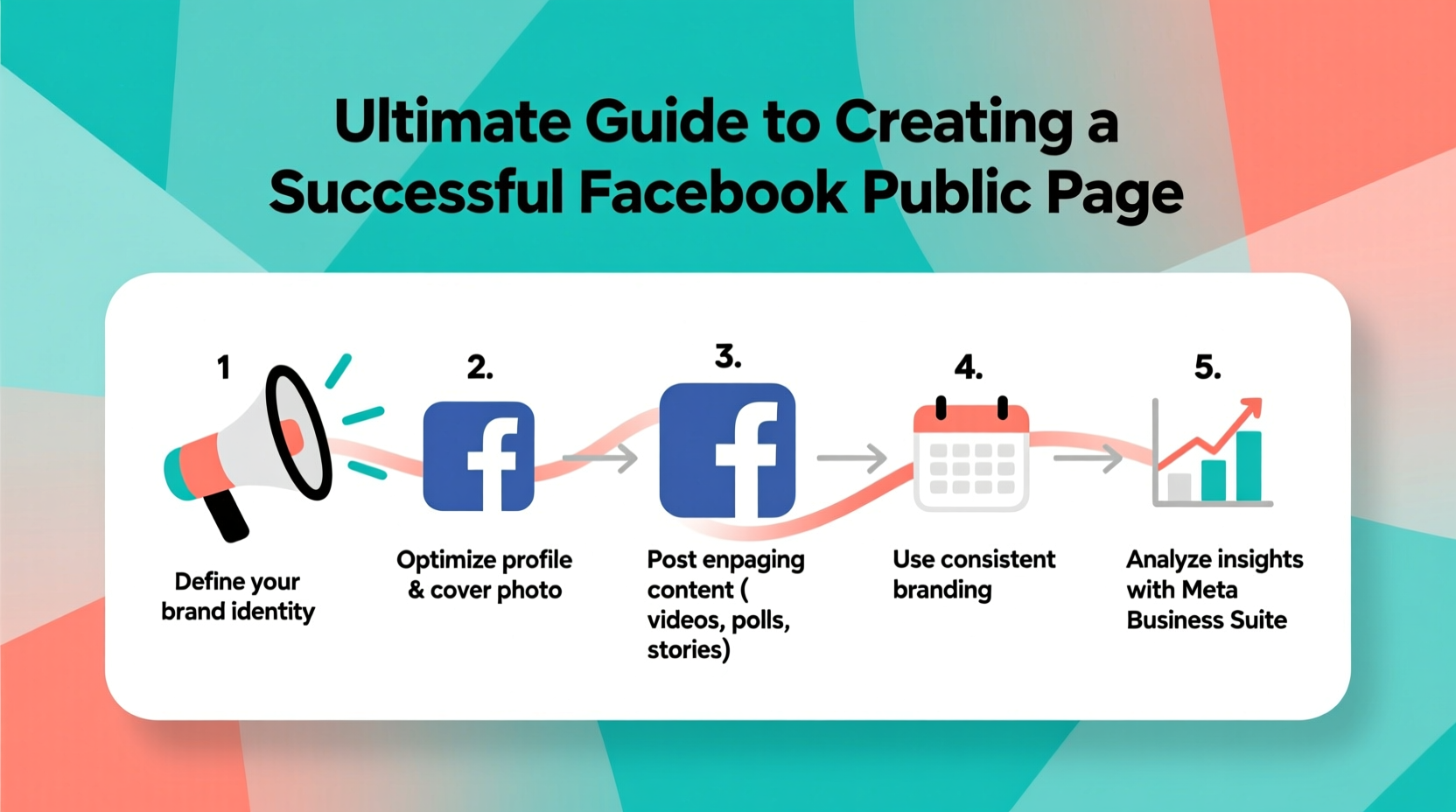
Before uploading a profile picture or writing your first post, clarify two foundational elements: your purpose and your audience. A public page without a clear mission drifts aimlessly through content ideas, often sacrificing consistency and impact. Ask yourself: What value does this page provide? Is it education, inspiration, entertainment, or advocacy?
Equally important is identifying your ideal audience. Are you speaking to young entrepreneurs in urban centers? Parents seeking sustainable living tips? Fitness enthusiasts over 50? The more specific your audience, the more tailored and effective your content will be.
Optimize Your Page for Trust and Discovery
A well-optimized Facebook public page functions like a digital storefront: clean, informative, and inviting. Key optimization steps include:
- Profile and cover photos: Use high-resolution images that reflect your brand identity. The profile photo should be recognizable (logo or face), while the cover photo can highlight a current campaign or core message.
- About section: Fill out every relevant field—website, contact info, category, and a compelling description using keywords your audience might search.
- Username (vanity URL): Customize your page’s web address (e.g., facebook.com/YourBrandName) to make it shareable and professional.
- Call-to-action button: Use the CTA button strategically—“Contact Us,” “Sign Up,” or “Watch Video”—depending on your goal.
“Pages that complete their profiles see up to 30% higher engagement because users perceive them as credible and established.” — Sarah Lin, Social Media Strategist at ReachWell Digital
Content That Connects: Strategy Over Frequency
Posting daily doesn’t guarantee engagement. What matters is relevance, variety, and emotional resonance. Successful pages blend content types to maintain interest and serve different user intents.
| Content Type | Purpose | Example |
|---|---|---|
| Educational | Teach something valuable | \"3 Ways to Reduce Food Waste at Home\" |
| Behind-the-Scenes | Humanize your brand | Photo of team preparing for an event |
| User-Generated Content | Encourage participation | Repost a customer’s review with credit |
| Polls & Questions | Spark interaction | \"Which product color do you prefer?\" |
| Inspirational | Build emotional connection | Quote graphic with uplifting message |
Vary your format—mix short videos, carousels, text posts, and live streams. Facebook’s algorithm favors native video and authentic interactions, so prioritize formats that invite comments and shares over passive scrolling.
Mini Case Study: \"GreenThumb Gardeners\"
A local gardening collective launched a public page with no initial following. Instead of pushing sales, they posted weekly \"Plant Tip Tuesday\" videos—short, practical advice filmed in their backyard. They responded to every comment, asked questions like “What are you growing this season?” and featured follower garden photos every Friday. Within six months, their engagement rate was 8.7%, far above the industry average of 2.5%. Their organic growth led to partnerships with nurseries and invitations to speak at community events—all rooted in consistent, audience-centered content.
Engagement Is a Two-Way Street
Many page admins treat engagement as a metric to chase. But real engagement is a conversation. When someone comments, they’re extending an invitation to connect. Ignoring them signals indifference.
Respond to comments within 24 hours, especially in the first hour after posting when algorithmic visibility peaks. Acknowledge both praise and criticism with sincerity. If someone asks a question, answer thoroughly. If they share a story, relate back to your mission.
Step-by-Step Guide to Building Engagement
- Week 1–2: Audit existing content. Remove or archive low-performing posts. Identify top 3 performing themes.
- Week 3: Launch a recurring series (e.g., “Motivation Monday”) to build anticipation.
- Week 4: Host a live Q&A session. Promote it 3 days in advance.
- Week 5: Share a user-generated content campaign—ask followers to submit stories or photos.
- Ongoing: Set aside 15 minutes daily to reply to comments and messages personally.
Avoid These Common Pitfalls
Even well-intentioned pages fall into traps that erode trust and limit reach. Be mindful of these frequent missteps:
| Do’s | Don’ts |
|---|---|
| Post consistently (3–5 times per week) | Spam followers with multiple posts per day |
| Use hashtags sparingly (1–2 per post) | Overload posts with irrelevant hashtags |
| Share external links occasionally | Turn your page into a constant link dump |
| Be transparent about promotions | Disguise ads as organic content |
| Encourage respectful dialogue | Delete critical comments without response |
“Authenticity isn’t a strategy—it’s a standard. People follow pages they feel understand them, not those that only talk at them.” — Jamal Reed, Community Engagement Consultant
Frequently Asked Questions
How long does it take to grow a successful Facebook public page?
There’s no fixed timeline, but consistent effort over 3–6 months typically yields noticeable results. Focus on quality engagement rather than rapid follower growth. Pages that prioritize relationship-building often see sustainable momentum beyond algorithm changes.
Should I pay to promote my posts?
Yes—but strategically. Organic reach has declined across Facebook, so even excellent content may not reach all your followers. Boost high-performing posts (those with natural engagement) to similar audiences. Start with small budgets ($5–$10 per post) to test what resonates before scaling.
Can I use the same content across Instagram and Facebook?
You can, but tailor it. Facebook audiences tend to favor longer captions, detailed explanations, and discussion-driven posts. Repurposing is efficient, but always adjust tone and format to fit platform culture.
Essential Checklist for Success
- ✅ Define your mission and target audience
- ✅ Complete all page details (bio, contact, URL)
- ✅ Post 3–5 times per week with varied content types
- ✅ Respond to every comment and message within 24 hours
- ✅ Analyze Insights monthly to refine strategy
- ✅ Run at least one interactive campaign per month (poll, live, UGC)
- ✅ Avoid overposting or excessive self-promotion
Final Thoughts: Build a Community, Not Just a Following
A successful Facebook public page isn’t measured by likes alone. It’s defined by the strength of its community—the people who return, comment, share, and feel seen. Algorithm updates will come and go, but genuine human connection remains constant. Invest in understanding your audience, delivering consistent value, and showing up with integrity. Over time, your page won’t just exist on Facebook—it will thrive there.




 浙公网安备
33010002000092号
浙公网安备
33010002000092号 浙B2-20120091-4
Comments
No comments yet. Why don't you start the discussion?