
Mini wallets have become a staple in modern lifestyles—compact, stylish, and perfect for carrying essentials without bulk. However, their smaller size doesn’t make them immune to wear and tear. In fact, frequent handling, exposure to moisture, and improper storage can shorten their lifespan significantly. With a few mindful habits, you can preserve both the function and appearance of your mini wallet for years. This guide delivers actionable, expert-informed strategies to keep your wallet looking new and performing reliably.
Understanding Your Wallet’s Material
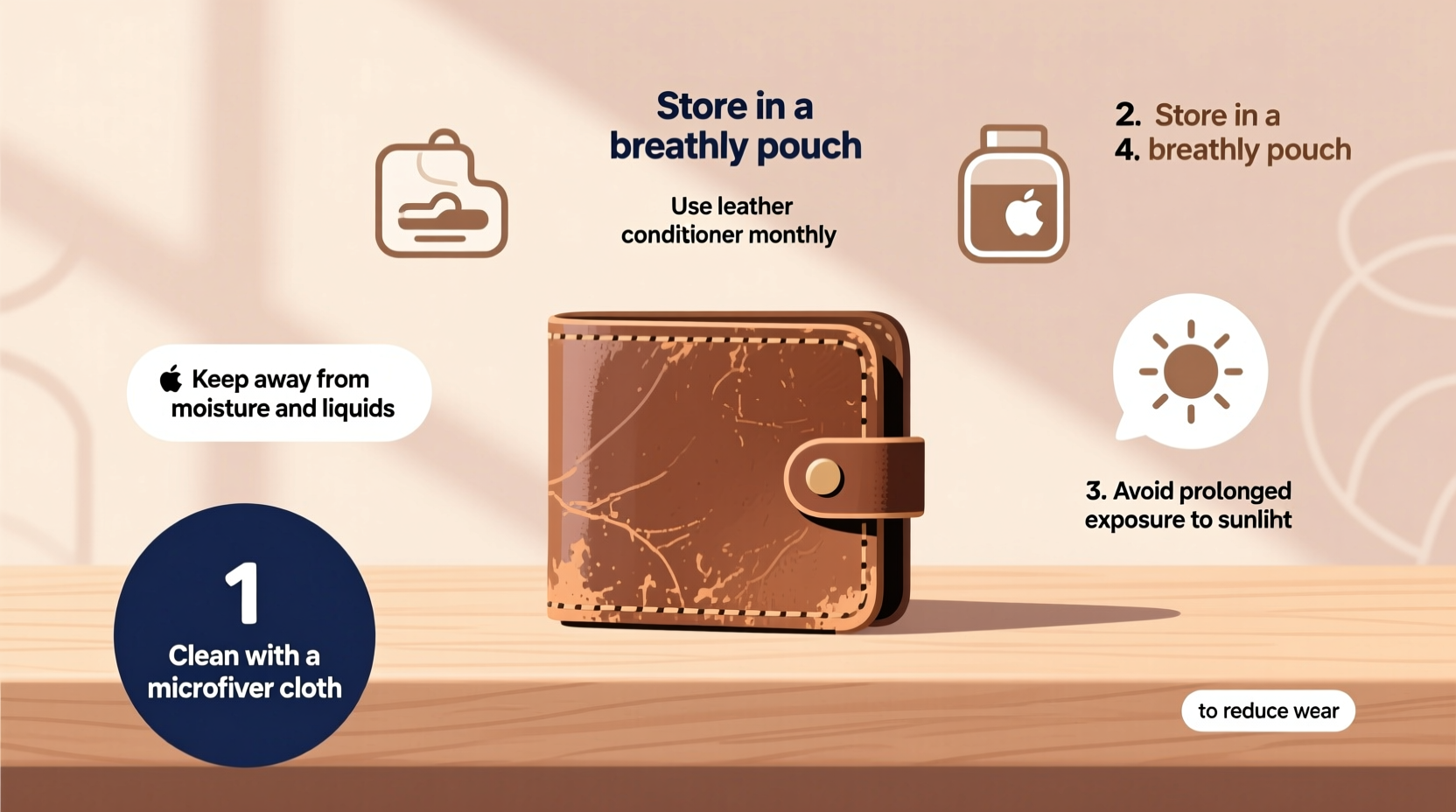
The first step in proper care is knowing what your wallet is made of. Different materials require different maintenance approaches. Most mini wallets fall into one of three categories: full-grain leather, synthetic leather (like PU), or fabric blends such as nylon or canvas. Each has unique strengths and vulnerabilities.
Full-grain leather is durable and develops a rich patina over time, but it absorbs moisture and oils easily. Synthetic leather resists water better but can peel or crack if not maintained. Fabric-based wallets are lightweight and washable but may fade or fray at stress points like seams and corners.
“Material awareness is the foundation of effective wallet care. A leather wallet treated like a nylon one will degrade faster.” — Daniel Reyes, Accessories Conservation Specialist
Daily Handling Habits That Make a Difference
How you use your wallet every day impacts its longevity more than most realize. Constant bending, overstuffing, and contact with abrasive surfaces accelerate deterioration. Simple behavioral adjustments can dramatically reduce strain on the material and stitching.
- Avoid overfilling: Mini wallets are designed for minimalism. Carrying too many cards or folded bills stresses seams and distorts shape.
- Use your non-dominant hand when possible: Reduces uneven wear from constant opening and closing with the same hand.
- Keep it away from sharp objects: Keys, pocket tools, or even thick coins can scratch or puncture surfaces over time.
- Rotate between wallets: If you own more than one, alternating usage gives each time to “rest” and recover from compression.
One common mistake is transferring an overstuffed traditional wallet into a mini version without downsizing contents. The compact design isn’t meant to hold ten credit cards and multiple receipts. Stick to 3–4 essential cards and a single folded bill for optimal performance.
Step-by-Step Cleaning Routine by Material Type
Cleaning should be gentle, infrequent, and tailored to the material. Over-cleaning strips natural oils from leather and degrades coatings on synthetics. Follow this monthly maintenance timeline based on your wallet type:
- Remove all contents and shake out debris.
- Dust the surface with a dry microfiber cloth.
- Spot clean stains using appropriate solutions (see table below).
- Allow to air dry naturally—never use heat.
- Condition (if applicable) after cleaning.
| Material | Cleaning Solution | Frequency | Avoid |
|---|---|---|---|
| Full-Grain Leather | Leather cleaner + conditioner | Every 3–4 months | Water immersion, alcohol wipes |
| Synthetic Leather | Mild soap + damp cloth | Monthly | Harsh detergents, scrubbing brushes |
| Fabric/Nylon | Hand wash with cold water + mild detergent | Every 6 months | Machine washing, bleach, dryer |
Proper Storage When Not in Use
If you switch bags or have seasonal wallets, proper storage prevents long-term damage. Even short idle periods can lead to creasing, odor buildup, or mold if conditions aren’t ideal.
Store your mini wallet in a cool, dry place away from direct sunlight. UV rays fade colors and weaken fibers. Place it inside a breathable cotton dust bag or pillowcase—never plastic, which traps moisture and promotes mildew.
Keep the wallet in its natural shape. Avoid folding or stacking heavy items on top. For card slots, insert thin cardboard or business cards to maintain structure. If storing long-term, condition leather every six months to prevent drying.
Real Example: How Sarah Preserved Her Designer Mini Wallet
Sarah, a graphic designer from Portland, purchased a premium full-grain leather mini wallet two years ago. She uses it daily but follows a strict care routine: she wipes it weekly with a dry cloth, conditions it every four months, and stores it in a linen pouch when switching to another bag. Despite daily use, her wallet shows minimal wear and has developed a soft, lustrous patina. “I treat it like a tool,” she says. “It holds my essentials, so I owe it some respect.” Her attention to detail has extended its life far beyond typical user experiences.
Common Mistakes That Shorten Wallet Life
Even well-intentioned owners unknowingly damage their wallets. These mistakes are more common than you might think:
- Using household cleaners: Windex, alcohol wipes, or dish soap strip protective finishes.
- Leaving it in pockets during laundry: Heat and agitation destroy stitching and warp materials.
- Exposing to rain or humidity: Moisture causes swelling, staining, and bacterial growth.
- Neglecting hardware: Zippers and snap buttons need occasional lubrication with silicone spray.
“Eighty percent of wallet failures I see stem from preventable misuse, not poor craftsmanship.” — Lena Park, Handbag & Accessory Restorer
Essential Care Checklist
To simplify your routine, follow this monthly checklist to keep your mini wallet in peak condition:
- ☐ Empty and inspect for loose threads or weak seams
- ☐ Wipe exterior with a dry microfiber cloth
- ☐ Clean interior slots gently with a soft brush
- ☐ Check for odors and air out if needed
- ☐ Apply conditioner (leather only) every 3–4 months
- ☐ Store properly when not in use
FAQ: Common Questions About Mini Wallet Care
Can I wash my fabric mini wallet in the sink?
Yes, but only by hand. Use cold water and a mild detergent. Gently scrub stained areas, rinse thoroughly, and lay flat to dry. Never wring or twist, as this can deform the shape.
How do I remove ink stains from leather?
Ink is difficult to remove without damaging leather. Use a specialized leather ink remover sparingly and only on full-grain types. Test on a hidden area first. For bonded or synthetic leather, ink removal often causes more harm than good—consider professional help.
Is it okay to store my wallet in a drawer?
Yes, as long as the drawer is dry, clean, and free of sharp objects. Line it with acid-free tissue paper to prevent abrasion. Avoid overcrowding, which can cause unintended bending.
Conclusion: Small Efforts, Lasting Results
Your mini wallet is more than just a functional item—it reflects your personal style and daily habits. By investing just a few minutes each month into proper care, you protect not only its appearance but also its structural integrity. From choosing the right cleaning method to adopting smarter handling techniques, each action compounds over time. The result? A wallet that lasts years longer than average, saving you money and reducing waste.




 浙公网安备
33010002000092号
浙公网安备
33010002000092号 浙B2-20120091-4
Comments
No comments yet. Why don't you start the discussion?