
Disney’s magic extends far beyond the parks and screens—it lives in plush toys, apparel, collectibles, and home goods cherished by fans of all ages. But as demand for official Disney products grows, so does the market for counterfeit merchandise. Whether you're shopping for a birthday gift, building a collection, or treating yourself, knowing how to distinguish genuine items from fakes is essential. This guide walks you through the signs of authenticity, trusted retailers, verification techniques, and real-world examples to help you buy with confidence.
Why Authenticity Matters in Disney Merchandise
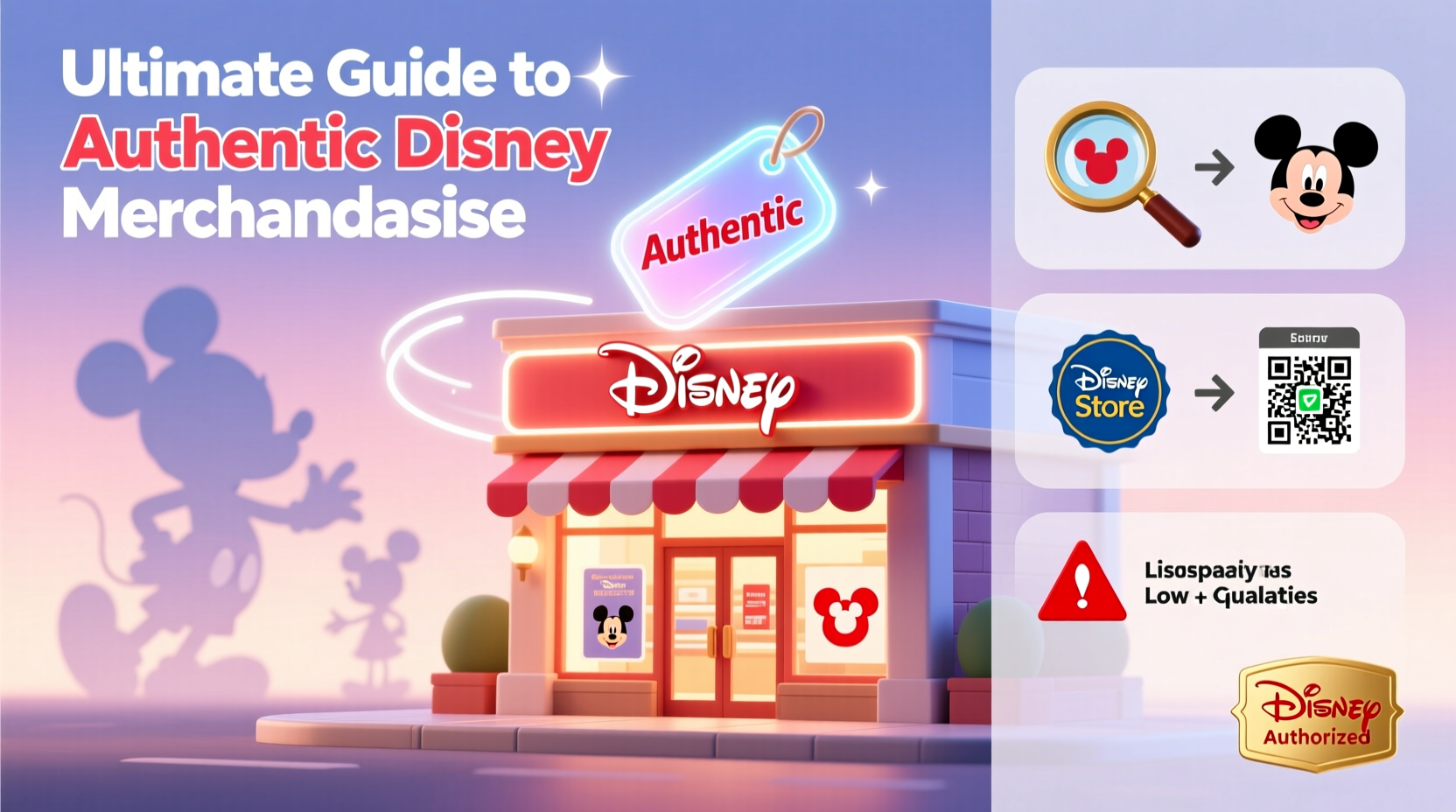
Authentic Disney merchandise isn’t just about brand loyalty—it’s about quality, safety, and supporting ethical production. Counterfeit products often use substandard materials, lack proper safety testing (especially important for children’s items), and may fund illegal operations. Moreover, knockoffs rarely capture the craftsmanship and attention to detail that official Disney licensing ensures.
Disney maintains strict control over its intellectual property. Only manufacturers and retailers authorized by The Walt Disney Company can legally produce and sell branded items. When you purchase from unauthorized sellers, you risk receiving inaccurate colors, poor stitching, missing details, or even hazardous components like lead paint.
“Authentic Disney products are made to last and meet rigorous international safety standards. Fakes might look similar at first glance, but they fall apart quickly—both literally and figuratively.” — Laura Mendez, Consumer Protection Analyst
How to Spot Fake Disney Merchandise: Key Red Flags
Counterfeiters have become increasingly sophisticated, but there are still telltale signs that can help you identify a fake. Train your eye using these critical checkpoints:
- Inconsistent logos: The Disney “D” logo should be crisp and correctly proportioned. Slight variations in font, spacing, or curve angles are common in fakes.
- Poor material quality: Authentic plush toys use soft, durable fabrics; counterfeit versions often feel scratchy or thin. Stitching should be tight and even—not loose or uneven.
- Missing or incorrect labels: Genuine items include sewn-in fabric labels with care instructions, country of origin, and a unique item number. Missing tags or typos are major red flags.
- Unrealistic pricing: If a limited-edition Mickey Mouse statue is listed for 70% off retail price on an unknown site, it’s likely not legitimate.
- No holographic security seals: Many high-end collectibles come with tamper-evident holograms or NFC chips for authentication.
Trusted Sources for Buying Authentic Disney Products
The safest way to ensure authenticity is to buy from officially recognized channels. These retailers maintain direct partnerships with Disney and adhere to strict distribution guidelines.
| Source | Type of Merchandise | Authentication Confidence |
|---|---|---|
| ShopDisney.com | Apparel, toys, home decor, collectibles | ⭐⭐⭐⭐⭐ (Official Store) |
| Disney Store (in-park & mall locations) | All categories, exclusive releases | ⭐⭐⭐⭐⭐ |
| Amazon (sold by “Disney” or “ShopDisney”) | Widely available items | ⭐⭐⭐⭐☆ (Verify seller) |
| Target, Walmart, Best Buy (in-store & online) | Licensed seasonal and basic items | ⭐⭐⭐☆☆ (Check packaging) |
| eBay, Etsy, Facebook Marketplace | Vintage, rare, secondhand items | ⭐☆☆☆☆ (High risk—verify carefully) |
Note: Even on platforms like Amazon, third-party sellers may list fake products under genuine listings. Always confirm that the seller is “Disney” or “ShopDisney” in the “Sold by” section.
Step-by-Step Guide to Verifying Authenticity Online
Follow this process before completing any purchase to minimize risk:
- Start with the retailer: Is it an authorized Disney partner? Check Disney’s official website for a list of licensed sellers.
- Inspect product images: Look for clear, high-resolution photos showing labels, zippers, seams, and packaging.
- Read the description thoroughly: Authentic items will list material composition, country of manufacture, and item numbers.
- Check customer reviews: Search reviews for keywords like “fake,” “cheap,” or “not real.” Photos uploaded by buyers can reveal discrepancies.
- Verify upon delivery: Compare the item to official product images. Examine stitching, tags, and logo placement. Use Disney’s online catalog to cross-reference model numbers.
- Contact support if unsure: Reach out to Disney Consumer Products via their official contact page with photos and details for verification.
Mini Case Study: A Close Call with a “Rare” Pin Collection
Sarah, a longtime Disney pin collector, found a listing on a third-party marketplace claiming to offer a discontinued “Year of a Million Dreams” pin set for $50—well below market value. Excited, she nearly purchased until she noticed the seller had no verified reviews and used stock photos only. She contacted a fellow collector who confirmed the design had slight font differences from the original. After reporting the listing, Sarah later bought the same set through a verified Disney fan event dealer. Her caution saved her from a convincing forgery.
Essential Checklist Before You Buy
Pre-Purchase Authenticity Checklist:
- ✅ Seller is an authorized Disney retailer
- ✅ Product images show labels and fine details
- ✅ Description includes item/model number
- ✅ Price aligns with market value (no extreme discounts)
- ✅ Customer reviews mention authenticity or show real photos
- ✅ Return policy allows refunds if item is fake
Frequently Asked Questions
Can I trust Disney merchandise sold on Amazon?
Yes—but only if the item is sold directly by “Disney” or “ShopDisney.” Third-party sellers may offer counterfeits even if the listing appears legitimate. Always check the “Sold by” line beneath the price.
What should I do if I receive a fake Disney product?
Immediately stop using the item, especially if intended for children. Contact the seller for a refund, file a complaint with the platform (e.g., Amazon, eBay), and report the product to Disney via their Protect Our Magic initiative. Provide photos and order details.
Are vintage Disney items from the 80s and 90s harder to authenticate?
Yes. Older items may lack modern security features. For vintage purchases, consult collector communities, compare against archived catalogs, and examine tag styles—early items often have “Made in Taiwan” or “Hong Kong” tags with specific font types used during those decades.
Final Thoughts: Shop Smart, Stay Magical
The joy of owning Disney merchandise comes not just from the characters we love, but from knowing we’re part of a legacy of storytelling and quality. With counterfeiters growing more deceptive, due diligence is no longer optional—it’s essential. By sticking to trusted sources, learning the subtle signs of authenticity, and verifying every detail, you protect both your investment and the integrity of the Disney experience.




 浙公网安备
33010002000092号
浙公网安备
33010002000092号 浙B2-20120091-4
Comments
No comments yet. Why don't you start the discussion?