
Robot pendant necklaces have surged in popularity, blending futuristic design with personal expression. Whether made of stainless steel, silver, or gold-plated alloy, these intricate pieces demand more than occasional wear—they require thoughtful care to preserve their luster and mechanical charm. Over time, exposure to moisture, skin oils, and environmental pollutants can dull even the most polished finish. With the right maintenance routine and styling awareness, your robot pendant can remain a radiant centerpiece of your wardrobe for years.
Understanding Your Pendant’s Material Composition
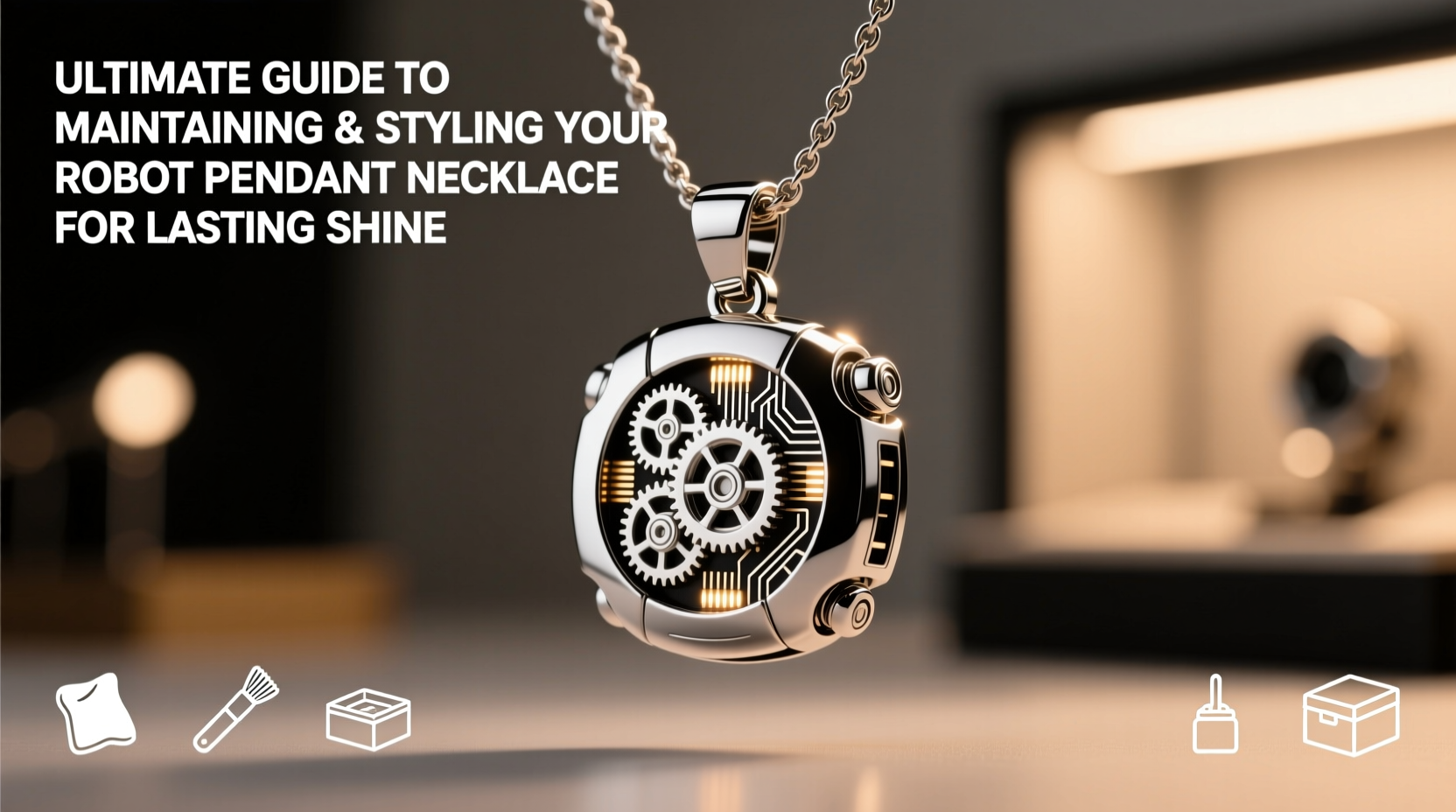
The first step in preserving your robot pendant is knowing what it's made of. Most robot pendants fall into one of three material categories: stainless steel, sterling silver, or base metal with plating (such as gold or rhodium). Each reacts differently to cleaning methods and environmental stressors.
Stainless steel is highly resistant to tarnish and corrosion, making it ideal for daily wear. Sterling silver, while elegant, is prone to oxidation when exposed to air and sulfur compounds—common in pollution and certain cosmetics. Plated pendants offer affordability but risk chipping or fading if not handled carefully.
Care Guidelines by Material Type
| Material | Cleaning Method | Avoid |
|---|---|---|
| Stainless Steel | Mild soap, warm water, soft brush | Chlorine bleach, abrasive pads |
| Sterling Silver | Silver polishing cloth, non-abrasive cleaner | Exposure to latex, hairspray, rubber bands |
| Plated Metal | Damp microfiber cloth only | Soaking, scrubbing, chemical cleaners |
Daily Maintenance for Long-Term Shine
Preserving your pendant begins with small, consistent habits. Wearing the piece frequently isn’t inherently damaging—but how you wear it matters. Skin contact introduces natural oils and sweat, both of which accelerate tarnishing, especially in silver and plated models. Apply makeup, perfume, and lotions before putting on your necklace to minimize chemical transfer.
After each wear, take 30 seconds to wipe the pendant with a dry, lint-free microfiber cloth. This removes surface residue and restores immediate shine. For those who live in humid climates or engage in physical activity during wear, this step becomes essential.
“Daily wiping is the single most effective habit for preventing buildup. It takes less time than brushing your teeth, yet extends jewelry life dramatically.” — Lena Torres, Jewelry Preservation Specialist
Deep Cleaning: A Step-by-Step Guide
Even with regular wiping, microscopic grime accumulates over time. A thorough deep clean every four to six weeks keeps your robot pendant looking factory-fresh. Follow this timeline-based process tailored to common materials:
- Preparation (5 minutes): Gather mild dish soap, lukewarm water, a soft-bristled toothbrush (preferably unused), two clean cloths (one microfiber, one cotton), and a bowl.
- Soaking (10 minutes): Fill the bowl with water and a few drops of soap. Submerge only stainless steel or sterling silver pendants. Do not soak plated pieces.
- Brushing (7 minutes): Gently scrub crevices—especially around gears, joints, or engraved details—with the toothbrush. Avoid excessive pressure on soldered joints.
- Rinsing & Drying (5 minutes): Rinse under cool running water (if soaked), then pat dry immediately. Air-drying risks water spots and internal moisture retention.
- Polishing (3 minutes): Use a polishing cloth appropriate to the material. For silver, use a treated tarnish-removal cloth; for steel or gold-plated, use a standard microfiber.
Smart Storage Solutions to Prevent Damage
Where you store your pendant influences its condition more than you might expect. Tossing it into a drawer with other jewelry invites scratches, chain tangling, and accelerated oxidation. Instead, adopt organized storage practices that prioritize isolation and climate control.
Use individual soft pouches or lined jewelry boxes with compartments. Anti-tarnish strips can be placed inside storage containers to absorb airborne sulfur. Avoid plastic bags unless they are specifically designed for jewelry—they can trap moisture and encourage corrosion.
- Store upright if possible to prevent chain warping
- Keep away from electronics that emit electromagnetic fields
- Never leave near windows where sunlight causes UV degradation
Styling Your Robot Pendant with Confidence
A robot pendant isn’t just an accessory—it’s a statement. Its geometric precision and mechanical aesthetic lend themselves to both casual and avant-garde ensembles. To maximize visual impact without compromising safety, consider these styling principles:
Pair minimalist robot designs with neutral tones to let the pendant stand out. For bolder, steampunk-inspired models, layer with leather cuffs or textured fabrics like denim and canvas. Avoid overcrowding the neckline; this style works best as a solo focal point.
When layering chains, ensure the robot pendant rests at the longest length to avoid snagging. Shorter, simpler chains above it create depth without risk of entanglement.
“In wearable art, balance is everything. A robot pendant commands attention—let it lead the look, don’t bury it in clutter.” — Julian Reed, Fashion Curator at NeoForm Collective
Real Example: How Maya Preserved Her Heirloom Pendant
Maya inherited a vintage brass robot pendant from her grandfather, a clockmaker. Initially tarnished and stiff in its joints, she committed to a restoration plan. She began with biweekly wipe-downs, progressed to gentle soaks using distilled water and pH-neutral soap, and stored it in a cedar-lined box with an anti-tarnish tab. After six months, the gears moved smoothly again, and the brass regained its warm glow. Today, she wears it monthly and credits consistency—not expensive products—for its revival.
Essential Care Checklist
- Wipe after every wear with a microfiber cloth
- Inspect chain links for weakness or fraying
- Check clasp functionality and security
- Perform deep clean (if material allows)
- Polish according to metal type
- Confirm proper storage conditions
- Rotate wear frequency to reduce strain
Frequently Asked Questions
Can I wear my robot pendant in the shower or pool?
No. Water—especially chlorinated or saltwater—can corrode metal, weaken adhesives in electronic components (if present), and degrade plating. Always remove your pendant before swimming or bathing.
Why is my silver pendant turning black in the joints?
This is tarnish caused by sulfur exposure reacting with silver. Tight spaces trap gases and moisture, accelerating oxidation. Clean gently with a silver cloth and store in low-humidity environments.
Is it safe to repair a broken robot pendant at home?
Minor link fixes may be manageable with jewelry glue, but structural or mechanical repairs should be handled by a professional. DIY attempts often worsen alignment or compromise integrity.
Final Thoughts: Make Care a Ritual, Not a Chore
Your robot pendant necklace bridges craftsmanship and personal identity. Its longevity depends not on luck, but on disciplined, informed care. By understanding your pendant’s needs, adopting a simple cleaning rhythm, and styling it with intention, you protect both its function and its symbolism. These small acts of maintenance become rituals of respect—for the artistry behind the piece and the story it tells when worn.




 浙公网安备
33010002000092号
浙公网安备
33010002000092号 浙B2-20120091-4
Comments
No comments yet. Why don't you start the discussion?