
Velvet pillowcases offer a luxurious feel and elegant appearance, elevating both bedroom aesthetics and sleep comfort. However, their rich texture and deep colors are vulnerable to fading, crushing, and fiber damage if not cared for properly. Unlike cotton or silk, velvet requires specialized maintenance to preserve its luster and softness. Many people unknowingly shorten the lifespan of their velvet textiles through improper washing, drying, or storage. This guide delivers scientifically backed and expert-approved methods to maintain your velvet pillowcases—ensuring they remain vibrant, plush, and fade-free for years.
Understanding Velvet Fabric: Why It Fades
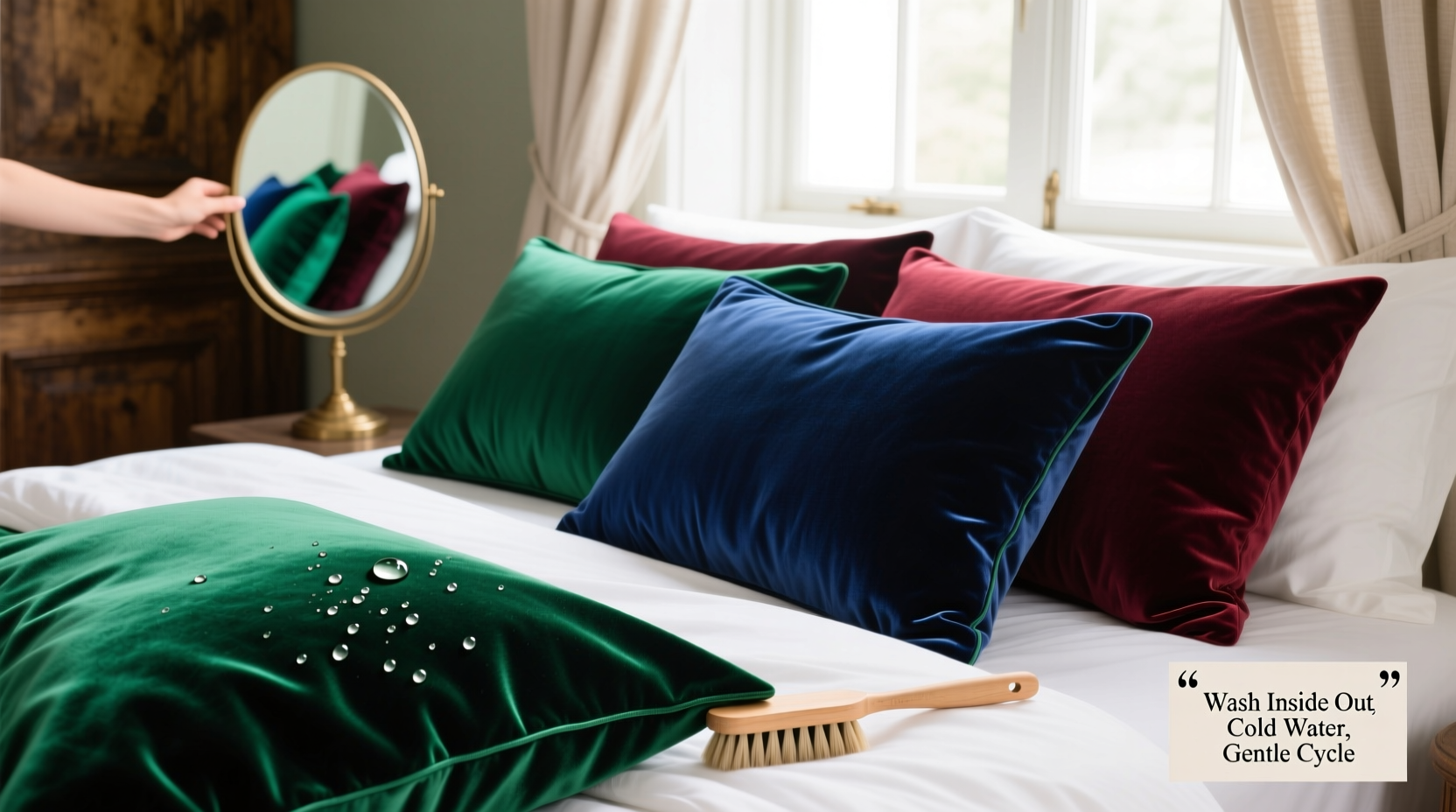
Velvet is a woven fabric with a dense pile that creates a soft, reflective surface. The fibers—often made from silk, cotton, rayon, or polyester—are cut to form a consistent nap, which gives velvet its signature sheen. When light hits the fabric, it reflects differently depending on the direction of the pile, creating depth in color. However, this same structure makes velvet sensitive to friction, moisture, and UV exposure.
Fading occurs when the dye molecules in the fibers break down due to chemical or environmental stressors. Common causes include:
- Excessive sunlight: UV rays degrade dyes, especially in synthetic velvets.
- Harsh detergents: Alkaline or bleach-containing cleaners strip color and weaken fibers.
- Improper washing: Agitation during machine cycles flattens the pile and leaches dye.
- High heat: Drying or ironing at high temperatures accelerates pigment degradation.
“The longevity of velvet depends more on care routine than fabric origin. Even premium silk velvet will fade quickly without proper handling.” — Dr. Lena Torres, Textile Conservation Specialist, Royal School of Textiles
Step-by-Step Guide to Washing Velvet Pillowcases
Cleaning velvet incorrectly can crush the pile or cause irreversible bleeding of dyes. Follow this precise method to wash your pillowcases safely while preserving vibrancy.
- Spot test first: Apply a small amount of cleaning solution to an inconspicuous area (like the inner seam). Wait 10 minutes and blot dry. Check for color transfer or texture change.
- Pre-treat stains gently: Use a microfiber cloth dampened with distilled water and a drop of pH-neutral detergent. Dab—not rub—the stain from the outside in.
- Hand wash only: Fill a basin with cool water (below 30°C / 86°F) and add a mild detergent formulated for delicates or silk. Submerge the pillowcase and swirl gently for 2–3 minutes. Never wring or twist.
- Rinse thoroughly: Drain soapy water and refill with clean, cool water. Repeat until no suds remain.
- Remove excess water: Press the pillowcase between two clean towels to absorb moisture. Do not hang wet velvet—it stretches and misshapes.
- Air dry flat: Lay the pillowcase face-up on a drying rack away from direct sunlight or heat sources. Rotate halfway through drying to ensure even air circulation.
When Machine Washing Is Acceptable
Only 100% polyester velvet labeled “machine washable” should be cleaned in a washer—and even then, under strict conditions:
- Use a mesh laundry bag to reduce friction.
- Select the “delicate” or “hand wash” cycle with cold water.
- Use half the recommended amount of gentle detergent.
- Never wash with zippers, buttons, or rough fabrics.
Do’s and Don’ts of Drying and Ironing
Drying and finishing are critical stages where most fading and texture damage occur. Improper heat or pressure can permanently flatten the nap and dull the color.
| Action | Do | Don't |
|---|---|---|
| Drying | Flat air-dry on a clean towel, away from windows | Hang vertically or use a dryer |
| Ironing | Use low heat, place a pressing cloth, and steam from the back | Apply direct heat or press the front side |
| Steaming | Hold steamer 6 inches away; brush pile lightly after | Press steamer nozzle directly onto fabric |
| Storage | Store flat or rolled with acid-free tissue paper | Fold sharply or compress in tight spaces |
Maintaining Vibrancy: Long-Term Care Strategies
Preserving color goes beyond washing. Daily habits significantly influence how long your velvet retains its richness.
- Rotate pillowcases weekly: Alternating between two sets reduces wear and sun exposure on any single piece.
- Use protective covers: Place cotton or linen pillow protectors underneath to minimize oil transfer from hair and skin.
- Limit sunlight exposure: Close curtains during peak daylight hours. UV-blocking window film is ideal for bedrooms with southern exposure.
- Avoid perfumed hair products: Alcohol-based sprays and oils can react with dyes and accelerate fading.
Mini Case Study: Reviving Faded Velvet Pillows
Sophie, a lifestyle blogger in Portland, noticed her emerald green velvet pillowcases had dulled after six months. She washed them monthly in warm water with regular detergent and dried them on low heat. After consulting a textile conservator, she adjusted her routine: switched to cold hand-washing with Woolite Delicates, stopped using the dryer, and began storing them inside cotton pillow shams when not in use. Within three months, the remaining set showed no further fading, and the texture regained softness. Sophie now recommends rotating four sets seasonally to extend each pair’s life to over two years.
Essential Velvet Pillowcase Care Checklist
Keep this checklist handy for consistent maintenance:
- ✅ Wash every 1–2 weeks, depending on use
- ✅ Use only cold water and pH-neutral detergent
- ✅ Hand wash unless label specifies otherwise
- ✅ Dry flat, away from sunlight and heat
- ✅ Brush pile gently post-dry to restore texture
- ✅ Store flat or rolled, never folded tightly
- ✅ Rotate multiple sets to reduce wear
- ✅ Keep out of direct sunlight at all times
Frequently Asked Questions
Can I use vinegar to clean velvet pillowcases?
No. Although vinegar is natural, its acidity can alter dye stability and weaken protein fibers like silk. Stick to neutral detergents specifically designed for delicates.
How often should I replace velvet pillowcases?
With proper care, high-quality velvet pillowcases last 2–3 years. Signs it’s time to replace include persistent pilling, irreversible pile flattening, or visible color loss despite correct maintenance.
Is steaming better than ironing for velvet?
Yes. Steaming lifts the pile and removes wrinkles without direct contact, reducing the risk of shine marks. Always steam from the reverse side and follow with light brushing.
Conclusion: Elevate Your Care Routine for Lasting Luxury
Velvet pillowcases are an investment in comfort and elegance. Their beauty doesn’t have to be fleeting. By understanding the science behind fabric degradation and adopting precise care techniques, you can prevent fading, maintain vibrancy, and enjoy plush, radiant textures night after night. Small changes—like switching to hand washing, avoiding heat, and rotating usage—compound into dramatic improvements in longevity. Start today by reviewing your current routine and applying even one new practice. Your velvet deserves more than occasional attention—it deserves a dedicated care protocol.




 浙公网安备
33010002000092号
浙公网安备
33010002000092号 浙B2-20120091-4
Comments
No comments yet. Why don't you start the discussion?