
In today’s fast-paced world, your iPhone calendar is more than just a digital planner—it’s a command center for work, personal life, and everything in between. But when too many overlapping events, duplicate entries, or forgotten subscription calendars pile up, it becomes harder to focus on what truly matters. A cluttered calendar leads to decision fatigue, missed appointments, and unnecessary stress. The good news? You’re in full control. With the right approach, you can streamline your calendar, remove outdated entries, and create a minimalist, efficient scheduling system that works for you—not against you.
Why Calendar Clutter Matters
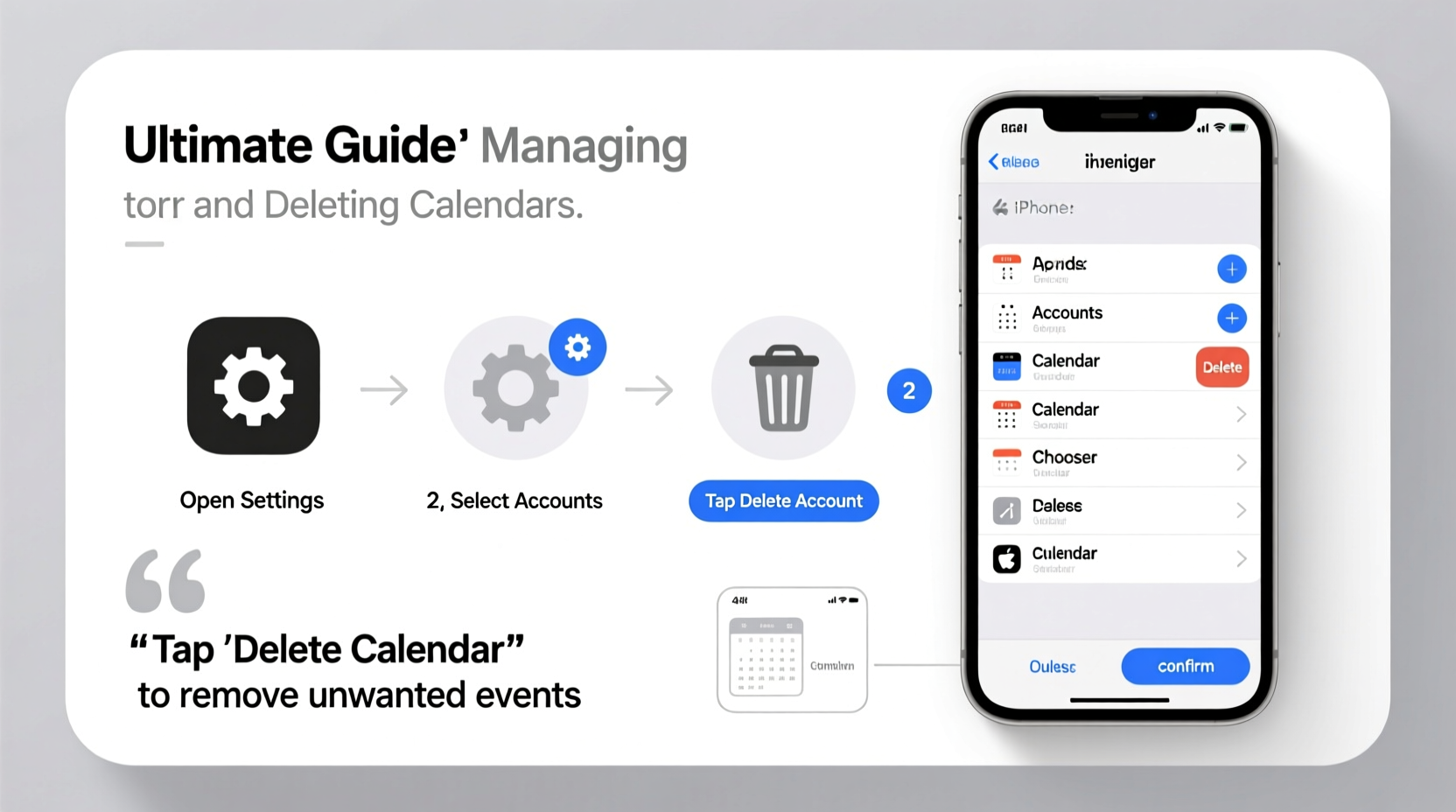
Calendar clutter doesn’t just make your screen look messy; it actively undermines your productivity. Research from the University of California, Irvine shows that frequent interruptions and fragmented attention reduce cognitive performance by up to 40%. When your iPhone displays ten overlapping events across five different calendars—work, personal, family, fitness tracker syncs, promotional subscriptions—it becomes difficult to identify priorities at a glance.
Unmanaged calendars also increase the risk of double-booking, missing deadlines, or accidentally declining important invites. Over time, this erosion of trust in your own planning tools can lead to anxiety around scheduling. By taking deliberate steps to organize and prune your calendar ecosystem, you reclaim mental clarity and ensure your device serves as a reliable assistant rather than a source of confusion.
How to Identify Unnecessary Calendars
The first step toward a cleaner schedule is identifying which calendars are essential and which are just noise. Open the Calendar app, tap the “Calendars” button (usually at the top), and review every listed calendar. Look for:
- Old subscription calendars (e.g., sports schedules, holiday lists from last year)
- Duplicate calendars created during account setup or syncing errors
- Third-party apps that auto-sync events (like fitness challenges or retail promotions)
- Shared calendars from past collaborations or relationships no longer active
Step-by-Step: How to Delete a Calendar on iPhone
Deleting a calendar removes all its events permanently. Follow these steps carefully:
- Open the Settings app on your iPhone.
- Scroll down and tap Calendar.
- Tap Accounts to see all connected accounts (iCloud, Google, Exchange, etc.).
- Select the account hosting the calendar you want to delete.
- Tap Show All Calendars, then find the specific calendar under “Calendars.”
- Tap the calendar name, then select Delete Calendar.
- Confirm deletion when prompted.
Note: If the calendar is synced with an external service (like Google or Outlook), deleting it on your iPhone may delete it across all devices. Always back up critical data before proceeding.
Managing Multiple Calendars Effectively
You don’t need to delete every extra calendar—many can be useful if managed well. Use color-coding and visibility toggles to maintain order without sacrificing functionality.
| Calendar Type | Recommended Action | Visibility Strategy |
|---|---|---|
| iCloud Primary | Keep active | Always visible |
| Work (Google/Exchange) | Sync selectively | Visible during weekdays |
| Promotional Subscriptions | Delete or unsubscribe | Hide permanently |
| Family Shared Calendar | Maintain with rules | Visible evenings/weekends |
| Fitness App Sync | Limit event frequency | Only show key milestones |
“Digital minimalism isn’t about removing tools—it’s about aligning them with your actual life. Your calendar should reflect intention, not accumulation.” — Dr. Lena Torres, Digital Wellness Researcher, Stanford University
Real Example: From Overwhelmed to Organized
Sophia, a freelance designer in Portland, found herself constantly late to client calls. Her iPhone calendar showed 17 overlapping events daily, many duplicates from automatic imports via Zoom, Mailchimp webinars, and old project timelines. After auditing her calendar list, she discovered six inactive calendars—including a holiday countdown from 2021 and a defunct gym class schedule.
She followed the deletion process outlined above, merged redundant work calendars, and set up filters so only high-priority events appeared on her home screen. Within a week, her punctuality improved, and she reported feeling “lighter” mentally. “I didn’t realize how much background noise was draining me,” she said. “Now my calendar feels like a trusted partner again.”
Best Practices for Ongoing Calendar Maintenance
To keep your schedule lean and effective, adopt these habits monthly:
Checklist: Monthly Calendar Audit
- ☐ Review all visible calendars in the Calendar app
- ☐ Hide or delete any unused or irrelevant calendars
- ☐ Merge duplicate events or calendars (e.g., “Work” and “Client Meetings”)
- ☐ Update sharing permissions on collaborative calendars
- ☐ Verify sync settings for third-party apps (e.g., Slack, Trello, Gmail)
- ☐ Archive completed projects or recurring events that have ended
Additionally, consider using iCloud’s “Default Calendar” setting to ensure new events go into the correct category automatically. Go to Settings > Calendar > Default Calendar and choose your primary one (e.g., “Work” or “Personal”). This prevents accidental misplacement of appointments.
Frequently Asked Questions
Can I recover a deleted calendar?
If you deleted a calendar synced through iCloud, recovery is limited. Apple retains deleted calendar data for approximately 30 days. Visit iCloud.com, sign in, open Calendar, click the gear icon, and select “Restore Calendars.” For non-iCloud accounts (like Google), check your provider’s trash or archive section within their web interface.
Why can’t I delete a calendar on my iPhone?
This usually happens when the calendar is tied to an account that restricts deletions (common with Exchange or school/work accounts). In such cases, contact your administrator or disable syncing instead. To do this, go to Settings > Calendar > Accounts > [Account Name] > toggle off “Calendars.”
Will deleting a calendar on my iPhone delete it everywhere?
Yes—if the calendar is synced across devices via iCloud, Google, or another cloud service, deleting it on your iPhone will remove it from all connected platforms. Always confirm whether the calendar exists elsewhere before deletion.
Take Control of Your Time Today
A clutter-free calendar isn’t just visually appealing—it’s a foundation for better decisions, reduced stress, and greater presence in your daily life. By regularly reviewing what stays and what goes, you transform your iPhone from a passive record-keeper into an intentional tool for focus and achievement. Start small: spend 10 minutes tonight hiding one unused calendar. Then build the habit of periodic review. Over time, you’ll notice fewer distractions, sharper planning, and more confidence in your schedule.




 浙公网安备
33010002000092号
浙公网安备
33010002000092号 浙B2-20120091-4
Comments
No comments yet. Why don't you start the discussion?