
At one year old, your dog is no longer a puppy but not quite a senior—this stage marks the beginning of adulthood. For most breeds, this is a pivotal time when nutritional needs shift significantly. The high-calorie, rapidly digestible puppy food that supported growth must now give way to a balanced adult diet that sustains energy, supports joint health, and promotes a shiny coat and strong immune system. Navigating this transition wisely ensures your dog enjoys optimal health for years to come.
Understanding Your One-Year-Old Dog’s Nutritional Needs
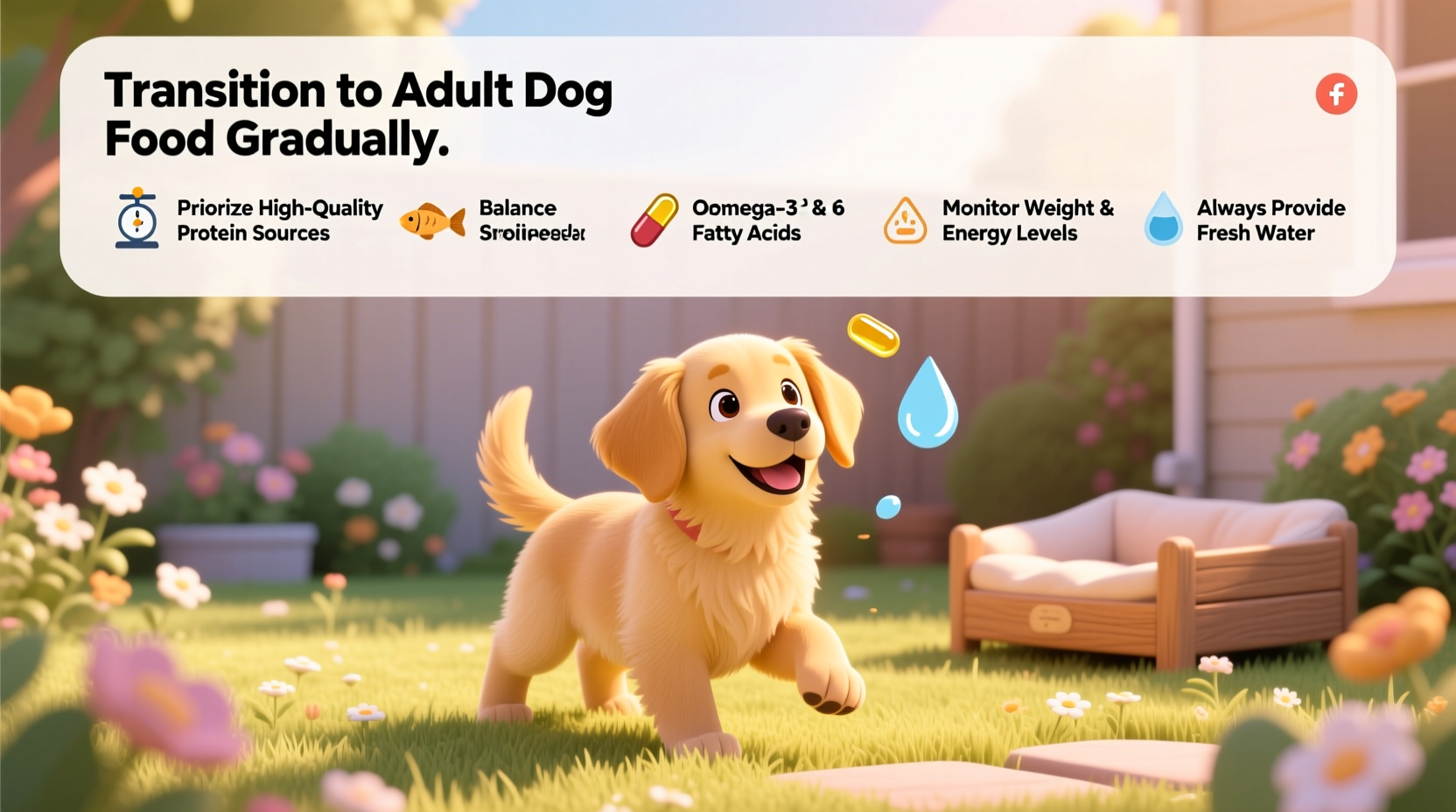
Dogs mature at different rates depending on breed and size. Small breeds like Chihuahuas or Pomeranians often reach full maturity by 10–12 months, while large and giant breeds such as Great Danes or Saint Bernards may continue growing until 18–24 months. However, for most dogs, the one-year mark signals the end of rapid development and the start of maintenance-phase nutrition.
An adult dog requires fewer calories per pound than a puppy but still needs high-quality protein, essential fatty acids, vitamins, and minerals. Protein remains critical for muscle maintenance, while omega-3 and omega-6 fatty acids support skin, coat, and cognitive function. Calcium and phosphorus should be carefully balanced to avoid skeletal issues, especially in larger breeds.
“Transitioning too early or too late can impact a dog’s long-term health. At one year, most dogs benefit from a well-formulated adult diet tailored to their size and activity level.” — Dr. Laura Simmons, DVM, Canine Nutrition Specialist
How to Transition From Puppy to Adult Food Safely
Switching your dog’s food abruptly can cause digestive upset, including diarrhea or vomiting. A gradual transition over 7–10 days allows the gut microbiome to adapt. Follow this timeline for best results:
- Days 1–2: Mix 25% adult food with 75% puppy food.
- Days 3–4: Use a 50/50 blend of both foods.
- Days 5–7: Increase to 75% adult food, 25% puppy food.
- Day 8 and beyond: Feed 100% adult dog food.
If your dog shows signs of gastrointestinal discomfort—such as loose stools, gas, or reduced appetite—slow down the transition. Extend each phase by a few days until symptoms resolve.
Choose an adult formula appropriate for your dog’s size. Large-breed adult formulas are often lower in calories and calcium to prevent excessive growth and joint stress. Small-breed formulas may have smaller kibble and higher caloric density to match faster metabolisms.
Essential Components of a Balanced Adult Dog Diet
A high-quality adult dog food should list a named animal protein (e.g., chicken, beef, salmon) as the first ingredient. Avoid generic terms like “meat meal” or “animal by-products” when possible. Look for diets that include:
- At least 18–22% protein from animal sources
- Healthy fats (10–15%), including omega-3s from fish oil or flaxseed
- Fiber (2–4%) from digestible sources like beet pulp or pumpkin
- Vitamins and minerals, particularly vitamin E, selenium, and glucosamine for joint support
- No artificial preservatives, colors, or fillers like corn syrup or soy
| Nutrient | Purpose | Good Sources |
|---|---|---|
| Protein | Muscle maintenance, tissue repair | Chicken, lamb, eggs, fish |
| Omega-3 Fatty Acids | Reduce inflammation, support brain health | Fish oil, chia seeds, flaxseed |
| Fiber | Digestive regularity, gut health | Pumpkin, sweet potato, psyllium |
| Calcium & Phosphorus | Bone and teeth strength | Bone meal (balanced), dairy, fortified kibble |
| Glucosamine & Chondroitin | Joint lubrication and cartilage support | Green-lipped mussel, supplements, some premium foods |
Real-Life Example: Max the Labrador’s Smooth Transition
Max, a one-year-old male Labrador Retriever, had been thriving on a high-protein puppy formula. His owner, Sarah, noticed he was gaining weight and becoming less active. Concerned about long-term joint health—common in Labs—she consulted her veterinarian.
The vet recommended switching to a large-breed adult formula with controlled calorie content and added glucosamine. Sarah followed the 10-day transition plan, mixing increasing amounts of the new food. By week two, Max’s energy improved, and within a month, his weight stabilized. His coat became shinier, and he showed more enthusiasm during walks.
This case illustrates how a thoughtful transition, guided by observation and professional advice, can enhance a dog’s vitality at the start of adulthood.
Common Feeding Mistakes to Avoid
Even well-intentioned owners can make errors that compromise their dog’s health. Be mindful of these common pitfalls:
- Free-feeding dry food: Leaving food out all day can lead to overeating and obesity. Measure meals twice daily instead.
- Over-reliance on treats: Treats should make up no more than 10% of daily calories. Choose healthy options like freeze-dried liver or carrot pieces.
- Ignoring life-stage labels: Feeding puppy food past 12–18 months can contribute to excessive weight gain and developmental issues in large breeds.
- Sudden diet changes: Even switching between adult brands should be done gradually to protect digestive health.
- Human food feeding: While small amounts of plain cooked meat or vegetables are safe, many human foods (onions, garlic, chocolate, xylitol) are toxic.
Checklist: Preparing for Your Dog’s First Adult Year
Use this checklist to ensure a smooth and healthy transition into adulthood:
- ✔ Consult your vet about the right time to switch based on breed and growth patterns
- ✔ Select a high-quality adult dog food appropriate for your dog’s size and activity level
- ✔ Begin the 7–10 day gradual food transition
- ✔ Measure portions according to package guidelines and adjust based on body condition
- ✔ Schedule a wellness exam to assess weight, joints, and dental health
- ✔ Introduce joint-support supplements if recommended (especially for large breeds)
- ✔ Establish a consistent feeding schedule (typically two meals per day)
- ✔ Monitor stool quality, energy levels, and coat condition during and after transition
Frequently Asked Questions
Can I keep feeding puppy food to my one-year-old dog?
While some large-breed dogs may benefit from staying on puppy food until 18–24 months, most dogs should transition by one year. Puppy food is higher in calories and nutrients designed for growth, which can lead to weight gain and skeletal stress in adult dogs if continued unnecessarily.
How much should I feed my one-year-old dog?
Feeding amounts depend on your dog’s weight, metabolism, and activity level. Start with the manufacturer’s guideline on the bag, then adjust based on body condition. If your dog is gaining weight, reduce portions by 10%. If underweight or highly active, slightly increase food or choose a higher-calorie formula.
Should I add supplements to my dog’s diet?
Most dogs on a complete, balanced commercial diet do not need additional vitamins. However, joint supplements like glucosamine and chondroitin can be beneficial—especially for large breeds prone to hip dysplasia. Always consult your vet before starting any supplement.
Conclusion: Building a Foundation for Lifelong Health
The first year of your dog’s life sets the stage, but the transition to adulthood is where lifelong habits take root. Providing a balanced, species-appropriate diet at this stage supports everything from metabolic health to joint integrity. By making informed choices about food, portioning, and feeding routines, you’re not just nourishing your dog today—you’re investing in a vibrant, energetic future.




 浙公网安备
33010002000092号
浙公网安备
33010002000092号 浙B2-20120091-4
Comments
No comments yet. Why don't you start the discussion?