
A large capacity multi-layer tote bag is more than just a carryall—it’s a mobile command center. Whether used for work, travel, gym sessions, or daily errands, its layered design offers unmatched potential for organization. Yet without a deliberate system, even the most spacious tote can devolve into chaos. The difference between clutter and control lies in strategy. This guide breaks down how to transform your tote from an overstuffed sack into a streamlined, efficient extension of your routine.
Understand Your Tote’s Architecture
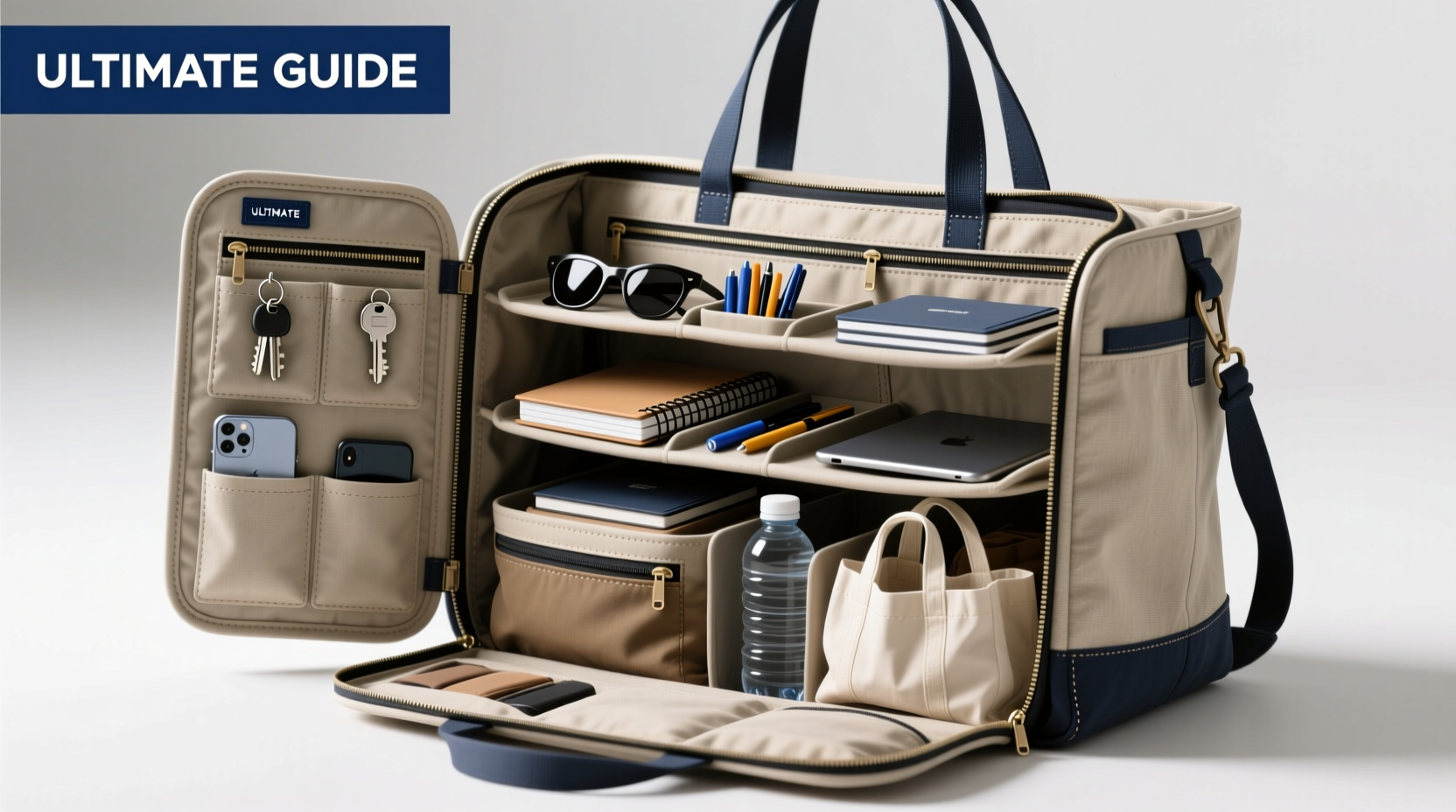
Before filling your tote, take time to analyze its structure. Most multi-layer totes feature at least three internal divisions: a main compartment, secondary pockets (zippered or open), and exterior slip or mesh panels. Some include padded laptop sleeves, key clips, or expandable gussets. Recognizing each zone’s purpose prevents mismatched storage—like placing damp items in a pocket meant for electronics.
Begin by mapping out your tote:
- Main Compartment: Ideal for bulky items like notebooks, clothing, or lunch containers.
- Zippered Interior Pockets: Best for valuables—wallets, phones, documents.
- Front or Side Pockets: Perfect for quick-access tools such as pens, hand sanitizer, or transit cards.
- Exterior Mesh Panels: Suitable for water bottles, umbrellas, or reusable shopping bags.
Adopt the Zone-Based Packing Method
Efficiency begins with categorization. Assign each physical zone in your tote to a functional category. This method reduces search time and ensures everything has a designated home.
| Zone | Recommended Contents | Storage Tools |
|---|---|---|
| Main Compartment | Laptop, folders, snacks, extra layers | Folders, packing cubes, reusable bags |
| Interior Zip Pocket | Wallet, phone, keys, ID | Mini clutch, cardholder |
| Front Slip Pocket | Pens, notepad, lip balm, sunglasses | Pencil case, slim organizer |
| Side Mesh Pockets | Water bottle, umbrella, hand sanitizer | Insulated sleeve, compact umbrella |
| Top Handle Hook | Keys, badge holder | Carabiner, lanyard |
This zoning approach mirrors professional organizers’ “functional clustering” principle—grouping items by use rather than size. It minimizes cross-contamination (e.g., dirty gym shoes near clean documents) and preserves accessibility.
Step-by-Step: Building Your Daily Loadout
Follow this sequence every time you pack your tote. Consistency builds muscle memory and prevents last-minute scrambles.
- Empty and Assess: At day’s end, remove all contents. Wipe down surfaces if needed.
- Sort by Category: Group items into piles—work, personal, hygiene, tech, emergency.
- Remove Non-Essentials: Ask: “Will I realistically use this today?” If not, leave it behind.
- Insert Storage Aids: Place pouches, folders, or cubes into their designated zones.
- Load Heaviest Items First: Position laptops and books at the bottom, centered for balance.
- Add Medium-Weight Layers: Stack notebooks, binders, or packed lunches above heavier items.
- Fill Access Pockets Last: Insert daily-use items like phone chargers or masks.
- Double-Check Critical Items: Verify wallet, keys, and any time-sensitive materials are secured.
This eight-step process takes under five minutes once mastered but eliminates the stress of forgotten essentials.
Optimize with Internal Organizers
No matter how well-designed, most totes lack internal segmentation beyond basic pockets. That’s where dedicated organizers bridge the gap.
Consider these tools:
- Collapsible Pouch Sets: Use clear vinyl or nylon pouches to separate cosmetics, cables, or snacks.
- Modular Cubes: Mini fabric cubes fit snugly in larger compartments, ideal for separating work and personal gear.
- Magnetic Key Clips: Attach inside zip pockets to prevent keys from sinking to the bottom.
- Roll-Up Toiletry Bags: Keep hygiene products visible and compressed.
Invest in organizers that match your tote’s interior dimensions. Oversized inserts create bulges; undersized ones shift during transit.
“People underestimate how much mental energy disorganization drains. A well-packed bag acts like a silent assistant.” — Dana Ruiz, Productivity Consultant and Author of *The Organized Commute*
Real-World Example: From Chaos to Control
Sarah, a project manager in Chicago, carried a 35L multi-layer tote between office, client sites, and evening classes. Her bag routinely held a laptop, charger, portfolio, gym clothes, makeup, and meals. Within weeks, she lost important files, cracked her phone screen from loose placement, and spilled coffee on her planner.
After applying the zone-based method, she restructured her load:
- Laptop in padded sleeve, secured with a velcro strap
- Documents in a vertical file folder
- Gym clothes rolled and stored in a waterproof dry sack
- Makeup and toiletries in a labeled clear pouch
- Snacks in a reusable silicone container
- Keys clipped magnetically near the top zipper
The result? She stopped losing items, reduced morning prep time by 12 minutes, and reported feeling “lighter,” both physically and mentally.
Common Pitfalls and How to Avoid Them
Even experienced organizers fall into traps. Watch for these recurring issues:
| Pitfall | Consequence | Solution |
|---|---|---|
| Overpacking | Strain on seams, difficulty closing zippers | Use the “one-in, one-out” rule: Add only if removing another item |
| Mixing Wet and Dry Items | Water damage, mold risk | Store damp clothes in sealed wet bags; never place near electronics |
| Ignoring Weight Distribution | Shoulder strain, imbalance while walking | Keep heaviest items centered and low |
| Skipping End-of-Day Reset | Rapid clutter buildup | Unpack and reassess nightly—even if briefly |
FAQ: Quick Answers to Common Questions
How do I prevent my tote from becoming too heavy?
Limit total weight to no more than 10–15% of your body weight. Use lightweight organizers, remove unused items weekly, and consider switching to digital files when possible.
Can I use the same tote for work and gym?
Yes, but only with strict separation. Use a dedicated gym shoe bag and moisture-resistant pouches. Never store sweaty clothes directly against other items.
How often should I deep-clean my tote?
Every 4–6 weeks for frequent users. Spot-clean spills immediately. For fabric totes, wipe with a damp cloth and mild soap. Leather or synthetic exteriors benefit from manufacturer-approved wipes.
Final Checklist: Achieve Tote Mastery
Apply this checklist weekly to maintain peak efficiency:
- ✅ Empty and inspect all compartments
- ✅ Discard trash and expired items (e.g., old snacks, dried-up pens)
- ✅ Recharge all devices outside the bag
- ✅ Realign organizers and pouches
- ✅ Confirm critical items (ID, keys, pass) are in designated spots
- ✅ Test zipper function and strap integrity
Conclusion: Turn Your Tote Into a Seamless Extension of You
A well-organized multi-layer tote isn’t just about neatness—it’s about reclaiming time, reducing anxiety, and moving through your day with confidence. When every item has a purpose and a place, your bag stops being a burden and starts working for you. The systems outlined here require minimal investment but deliver lasting returns in productivity and peace of mind. Start tonight: unpack, assess, and rebuild your tote with intention. Tomorrow, step out knowing exactly where everything is—because you put it there.




 浙公网安备
33010002000092号
浙公网安备
33010002000092号 浙B2-20120091-4
Comments
No comments yet. Why don't you start the discussion?