
Korean fashion has long been admired for its delicate balance of minimalism, playfulness, and cultural nuance. From pastel color palettes to kawaii-inspired accessories, one small but meaningful trend stands out: the Korean-style keychain. More than just a practical tool, these keychains are expressions of personality, mood, and identity. With a little creativity and basic crafting skills, you can transform a simple accessory into a personalized statement piece that reflects your individuality while honoring Korean design aesthetics.
Whether you're drawn to soft enamel pins, jelly charms, or minimalist metal tags, personalization turns an ordinary item into something emotionally resonant. This guide walks through materials, techniques, and culturally inspired ideas to help you craft a one-of-a-kind Korean-style keychain that feels authentic and uniquely yours.
Why Personalize Your Keychain?
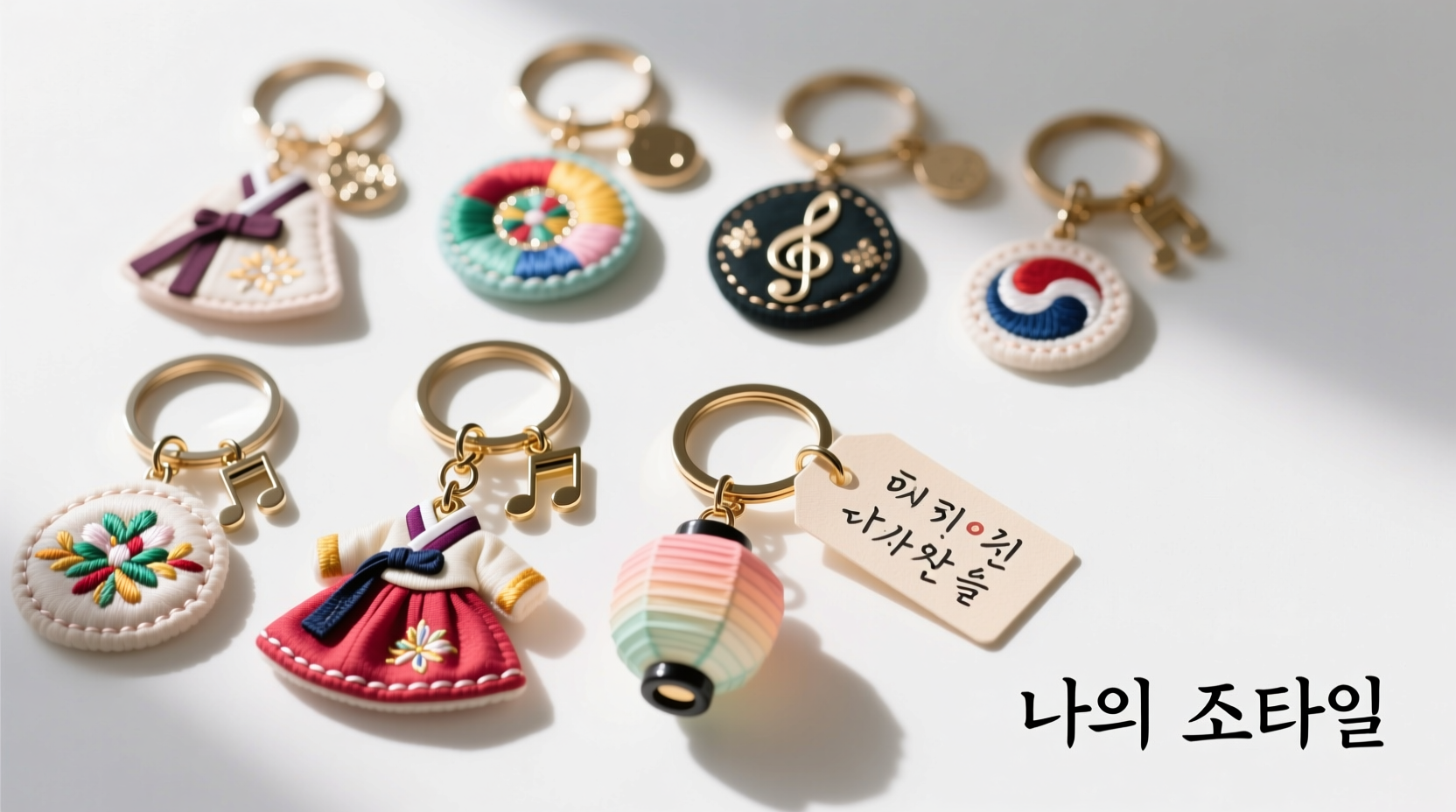
A keychain is among the most frequently handled accessories in daily life. Unlike jewelry or clothing, it stays with your essentials—keys, bags, zippers—and moves through your routine. By customizing it, you infuse everyday moments with joy, nostalgia, or even motivation. In Korea, personalized accessories often carry emotional weight; they’re exchanged as gifts between friends, lovers, or family members, symbolizing connection and care.
Personalized keychains also serve as subtle fashion statements. The Korean street style embraces layering and curated details—stacked rings, charm bracelets, and decorated phone straps. A thoughtfully designed keychain complements this aesthetic by adding texture, color, and narrative depth to your look.
Essential Materials for DIY Korean-Style Keychains
Creating a personalized keychain doesn’t require advanced tools or expensive supplies. Most items can be found at craft stores or online marketplaces like Etsy, AliExpress, or YesStyle. Below is a list of core components to get started:
- Base chain or ring: Lobster clasps, split rings, or decorative O-rings in gold, silver, or rose gold finishes.
- Charms: Acrylic, resin, enamel, or metal pieces featuring stars, animals, food (like boba or tteokbokki), or Korean symbols (e.g., hanbok figures, seollal tigers).
- Jelly charms: Transparent, squishy PVC charms popular in Korean stationery culture.
- Beading wire or nylon cord: For stringing beads or creating tassels.
- Pony beads or seed beads: Small colorful beads perfect for spelling names or making patterns.
- Epoxy domes: To seal hand-drawn designs under a glossy finish.
- Jump rings and pliers: Essential for connecting multiple elements securely.
For those who enjoy drawing, consider printing tiny illustrations on sticker paper and sealing them inside clear cabochon blanks. You could depict your pet, a favorite idol, or a scene from a beloved K-movie.
Step-by-Step Guide: Create Your First Custom Keychain
Follow this simple process to assemble a professional-looking keychain using accessible materials.
- Gather your components: Decide on a theme (e.g., “Seoul Vibes,” “BTS Fan,” “Cafe Aesthetic”) and collect matching charms, beads, and cords.
- Design your layout: Lay out all pieces on a flat surface to visualize spacing and balance before attaching anything.
- Attach the main charm: Use pliers to open a jump ring, slide on your centerpiece charm and the base ring, then close the jump ring tightly.
- Add secondary elements: String beads onto thin wire or elastic thread to create mini-bracelets or dangling accents. Secure ends with crimp beads.
- Incorporate text: Use alphabet beads or write a short phrase in Hangul (e.g., “사랑해” meaning “I love you”) on a tiny tag with a permanent marker.
- Finish with a tassel or pom-pom: Tie a small silk tassel in pastel pink, mint, or lavender—the signature hues of Korean kawaii style.
- Test durability: Shake gently to ensure no parts come loose. Trim excess wire and double-check closures.
Culturally Inspired Design Ideas
To truly capture the essence of Korean style, draw inspiration from traditional motifs and modern pop culture. Here are several thematic directions:
- Hanbok Elegance: Use red, blue, and yellow enamel charms shaped like traditional garments. Add a miniature fan or knot (maedeup) for authenticity.
- K-Pop Tribute: Feature a transparent locket charm with a micro photo of your bias. Surround it with music note beads or lightning bolts.
- Dalgona Candy Theme: Recreate the iconic Squid Game treat using brown polymer clay or purchase pre-made dalgona-shaped charms.
- Street Food Series: Combine mini ramen, fish cake, and milk tea charms for a playful culinary twist.
- Hangul Poetry: Spell out poetic phrases like “오늘도 잘 지내요” (“Have a good day today”) using engraved metal tiles.
“Personalization in Korean accessory design isn’t just about looks—it’s about storytelling. Every charm holds memory.” — Ji-Yeon Park, Seoul-based accessory designer
Do’s and Don’ts: Avoid Common Mistakes
| Do’s | Don’ts |
|---|---|
| Use corrosion-resistant metals for longevity | Overload the keychain with too many heavy charms |
| Balanced symmetry or intentional asymmetry | Mix incompatible styles (e.g., gothic skulls with pastel bears) |
| Seal hand-drawn art with UV resin | Leave sharp wire ends exposed |
| Include sentimental items like birthstone beads | Forget to test clasp strength regularly |
Mini Case Study: From Idea to Gift
Sophie, a university student in Melbourne, wanted to surprise her best friend moving to Busan. She created a keychain themed around their shared love of K-dramas and inside jokes. Using translucent jelly charms shaped like coffee cups and raincoats (a nod to *Crash Landing on You*), she added a tiny engraved tag with their initials in Hangul: “S + J = 우정” (“friendship”). She finished it with a baby blue tassel and packaged it in a handmade pojangmacha-style pouch.
The gift was not only visually cohesive but emotionally powerful. Her friend later messaged: “I keep it on my backpack every day. It feels like you’re still here.” This example shows how personalization transforms functional objects into lasting keepsakes.
Frequently Asked Questions
Can I wash my DIY keychain?
Spot clean with a damp cloth. Avoid submerging resin or paper-based elements in water. Metal parts can be wiped with a dry microfiber cloth to prevent tarnishing.
Where can I buy authentic Korean-style charms?
Reliable sources include Daiso (in-store or online), KakaoFriends official store, Muji, and Korean craft shops on Etsy. Look for sellers based in South Korea for genuine designs.
How do I make a keychain last longer?
Store it separately to avoid scratches, avoid exposure to perfume or lotions, and inspect jump rings monthly for wear. Re-seal epoxy if it begins to cloud.
Checklist: Build Your Dream Keychain
- ☐ Choose a central theme or emotion
- ☐ Select 1–3 focal charms
- ☐ Pick coordinating colors and textures
- ☐ Prepare tools: pliers, cutters, glue
- ☐ Assemble and test stability
- ☐ Add a handwritten note if gifting
Conclusion: Make It Yours, Wear It Proud
Your keychain doesn’t have to be mass-produced or generic. With a few thoughtful choices and a touch of craftsmanship, you can create a piece that speaks to your tastes, memories, and dreams—all within inches of your fingertips every day. Korean-style personalization celebrates subtlety, sentiment, and style. Whether you're channeling retro Seoul vibes or paying tribute to your favorite K-pop group, let your imagination lead the way.




 浙公网安备
33010002000092号
浙公网安备
33010002000092号 浙B2-20120091-4
Comments
No comments yet. Why don't you start the discussion?