
Selling a home is one of the most significant financial transactions most people will ever make. Yet, many homeowners rush into listing without proper preparation, leaving money on the table and extending time on the market. The difference between an average offer and top dollar often comes down to how well the property is presented. Strategic improvements, thoughtful staging, and meticulous attention to detail can dramatically increase buyer interest—and your final sale price. This guide outlines proven, actionable steps to prepare your home for sale, maximize its value, and attract serious buyers quickly.
Assess Your Market Position
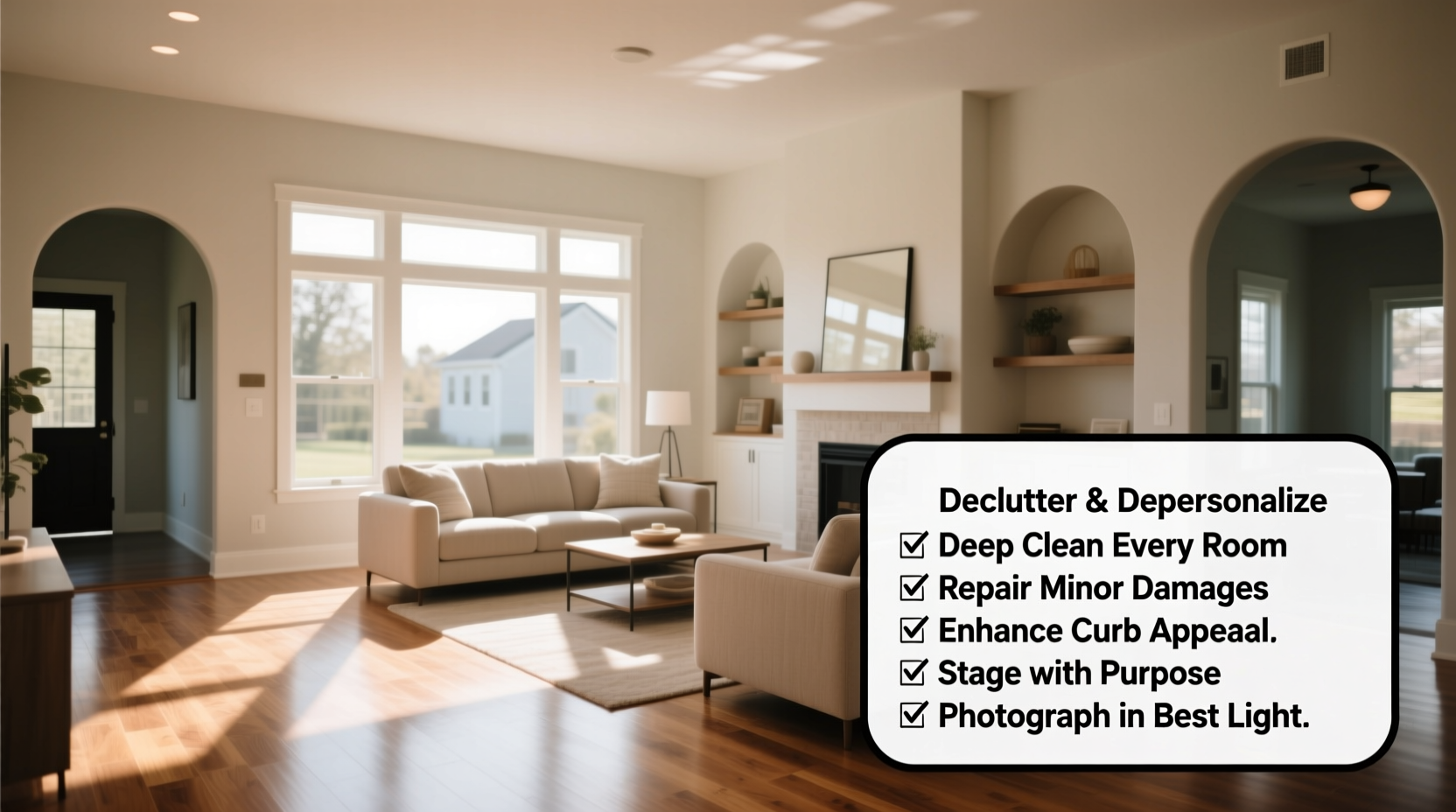
Before lifting a paintbrush or calling a contractor, understand where your home stands in the current real estate market. Pricing and presentation must align with local trends, neighborhood standards, and buyer expectations. Begin by researching recent sales of comparable homes (comps) in your area. Look at square footage, condition, upgrades, and time on market. A licensed real estate agent can provide a Comparative Market Analysis (CMA), offering data-driven insights into your home’s competitive positioning.
Not all markets favor sellers equally. In a buyer’s market, even minor flaws can deter offers. In a seller’s market, speed and curb appeal become critical differentiators. Knowing your market type helps prioritize efforts—whether it’s investing in renovations or focusing on fast, low-cost improvements.
Make High-ROI Improvements
Renovations don’t always guarantee returns. Focus on upgrades that deliver the highest return on investment (ROI). According to the 2023 Remodeling Impact Report by the National Association of Realtors, certain projects consistently outperform others when it comes to resale value.
| Improvement | Average Cost | Recouped at Sale |
|---|---|---|
| Kitchen refresh (new hardware, paint, fixtures) | $7,500 | 92% |
| Minor kitchen remodel | $25,000 | 80% |
| Bathroom remodel | $20,000 | 75% |
| Interior painting | $3,000 | 100%+ |
| Curb appeal landscaping | $4,000 | 100% |
Notice that moderate updates often yield better ROI than full overhauls. Replacing outdated cabinet hardware, installing energy-efficient lighting, or upgrading faucets can modernize spaces without breaking the bank. Neutral paint colors—especially soft grays, warm whites, and beiges—appeal to a broader audience and help rooms feel larger and brighter.
“Buyers don’t fall in love with your home—they fall in love with the idea of living in it. Your job is to help them visualize that life.” — Sarah Lin, Real Estate Staging Consultant
Declutter, Depersonalize, and Deep Clean
A clean, uncluttered home feels more spacious, welcoming, and move-in ready. Start by removing excess furniture, personal items, and collections that may distract or overwhelm buyers. Store family photos, religious items, and unique decor; these personalize the space but limit buyers’ ability to imagine themselves there.
Focus on high-traffic areas: entryways, kitchens, bathrooms, and primary bedrooms. Clear countertops, organize closets (but don’t empty them entirely—buyers want to see storage), and ensure every room has a clear purpose. Convert cluttered dens into functional home offices or guest spaces.
Next, deep clean every surface. Hire professionals if needed. Pay special attention to carpets, windows, baseboards, and grout. Lingering odors—from pets, cooking, or dampness—are major turnoffs. Use natural odor absorbers like baking soda or activated charcoal, and avoid artificial air fresheners, which can seem masking.
Pre-Sale Cleaning Checklist
- Wash windows inside and out
- Steam-clean carpets and rugs
- Scrub tile grout and bathroom fixtures
- Dust vents, blinds, and ceiling fans
- Power-wash exterior siding and driveway
- Empty and clean refrigerator and oven
- Eliminate pet odors with enzyme cleaners
Enhance Curb Appeal and First Impressions
Buyers form opinions within seconds of arriving. Strong curb appeal increases perceived value and encourages walkthroughs. Start at the front door: repaint if chipped, upgrade house numbers, and add a fresh welcome mat. Trim shrubs, mow the lawn, and plant seasonal flowers for color. Replace burnt-out pathway lights and ensure the doorbell works.
Consider small but impactful upgrades: pressure-washing sidewalks, sealing driveways, or repainting garage doors. If your roof is aging or gutters are sagging, address them—these are red flags for inspectors and lenders.
Inside, open all curtains during showings to maximize natural light. Turn on lamps in dim areas. Remove heavy drapes that block windows. Lighting shapes perception: bright, layered lighting makes spaces feel inviting and well-maintained.
Staging That Sells: Turning Spaces Into Stories
Staging isn’t about making your home look like a magazine—it’s about helping buyers envision their lives there. Empty rooms feel cold and impractical. Strategically furnished spaces highlight flow, proportion, and function.
If budget allows, hire a professional stager. They know how to arrange furniture to optimize traffic patterns and emphasize architectural features. For DIY staging, follow these principles:
- Use neutral, comfortable furniture—rent pieces if necessary.
- Arrange seating to encourage conversation, not face walls.
- Add soft touches: throw pillows, a rug, artwork, or a vase of fresh flowers.
- In master bedrooms, remove oversized headboards and extra dressers to create openness.
- Showcase multipurpose areas—e.g., a nook with a chair and lamp as a reading corner.
Real Example: The Power of Staging
A 3-bedroom home in Portland sat unsold for 78 days, receiving only two offers below asking price. After decluttering, repainting in neutral tones, and staging key rooms—including converting a cluttered basement into a “guest suite” with a sleeper sofa and mini-fridge—the home relisted. It received four offers within 10 days and sold for 5% above asking. The staging cost $1,800; the increased sale price yielded over $15,000 in additional equity.
Frequently Asked Questions
Should I make repairs before listing?
Yes—but selectively. Address safety issues (loose railings, exposed wiring), structural concerns (roof leaks, foundation cracks), and cosmetic flaws that scream neglect (peeling paint, broken tiles). Minor wear is expected, but obvious disrepair reduces trust and invites lowball offers.
Is it worth upgrading appliances?
If appliances are outdated or non-functional, consider replacing them. Stainless steel finishes appeal to modern buyers, but full replacements aren’t always necessary. Sometimes cleaning and polishing existing units—or adding matching panel kits—can suffice.
How long should my home stay on the market?
On average, homes sell within 30–60 days in balanced markets. If your home hasn’t received offers in 45 days, reevaluate pricing, marketing strategy, or condition. Each additional month on market typically reduces final sale price due to perceived desirability issues.
Final Steps Before Listing
- Conduct a pre-listing inspection: Identify hidden issues early and decide whether to repair or disclose.
- Gather documentation: Collect warranties, renovation receipts, appliance manuals, and HOA rules to present professionalism.
- Plan for showings: Keep the home “show-ready” at all times—pets secured, laundry put away, beds made.
- Optimize digital presence: Ensure listing photos are bright, wide-angle, and professionally shot. Virtual tours increase engagement by up to 80%, according to the National Association of Realtors.
Conclusion: Prepare With Purpose, Sell With Confidence
Preparing your home for sale is not about perfection—it’s about perception. Every decision, from paint color to pricing strategy, influences how buyers respond. By investing time and resources wisely, you position your home as a move-in-ready opportunity rather than a project. The goal isn’t just to sell, but to sell well: faster, for more, with fewer contingencies.
Start today. Walk through your home with a buyer’s eyes. What would make you pause? What would make you reach for your phone to call the agent? Make those changes. Small efforts compound into powerful results. When your home hits the market, let it speak clearly: this is the place where someone else’s next chapter begins.




 浙公网安备
33010002000092号
浙公网安备
33010002000092号 浙B2-20120091-4
Comments
No comments yet. Why don't you start the discussion?