
Moissanite has emerged as one of the most sought-after gemstones in modern jewelry, prized for its brilliance, durability, and ethical appeal. When set into an \"iced out\" pendant—fully encrusted with stones—the result is a dazzling piece that commands attention. However, such intricate designs require more than admiration; they demand consistent care. Without proper maintenance, even the toughest moissanite can lose its luster, settings can loosen, and metal can tarnish. This guide delivers actionable strategies to preserve the beauty and structural integrity of your pendant for years to come.
Understanding Moissanite and Its Strengths
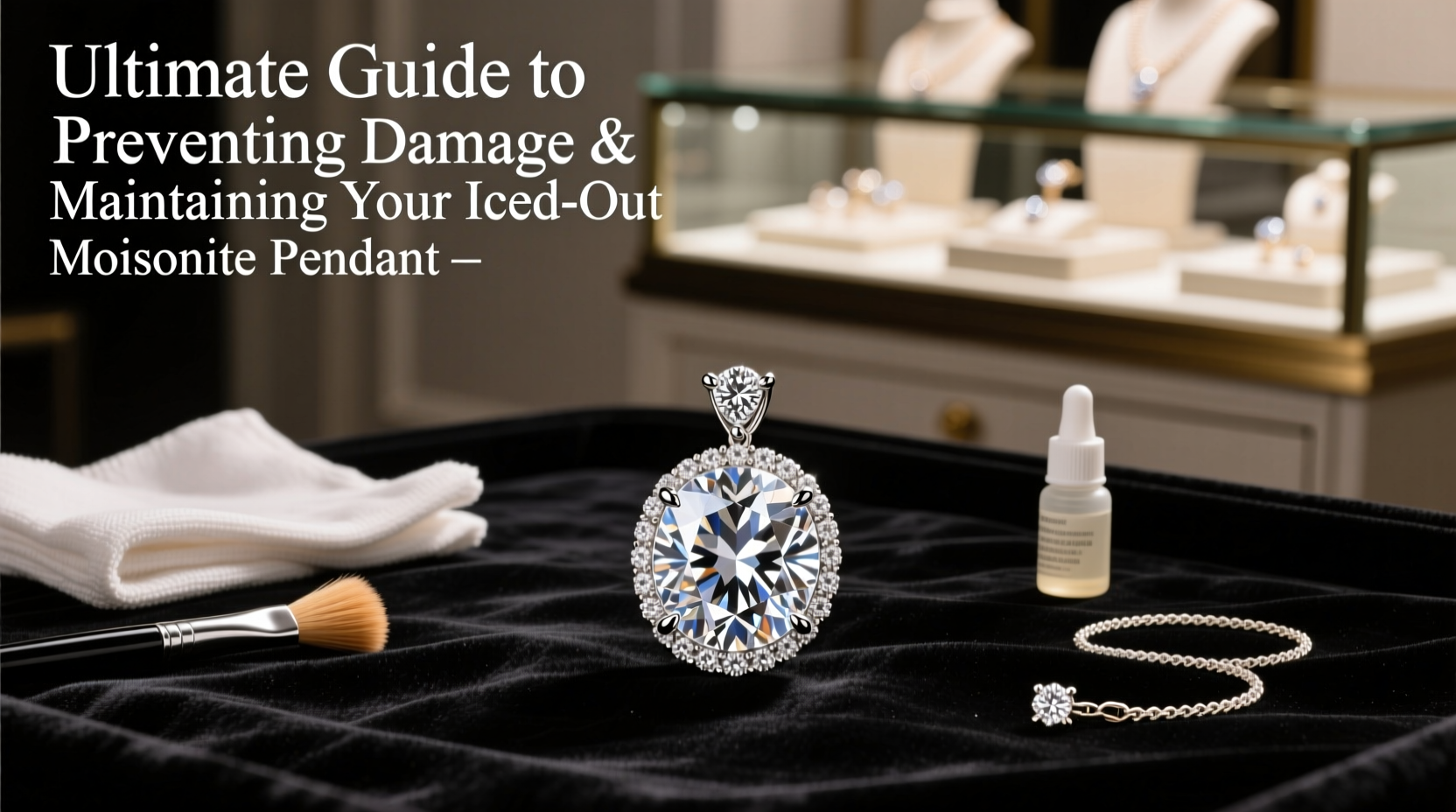
Before diving into care techniques, it’s essential to understand what makes moissanite unique. With a hardness rating of 9.25 on the Mohs scale, moissanite ranks just below diamond in scratch resistance. It also exhibits greater fire and brilliance due to its higher refractive index. Unlike cubic zirconia, moissanite does not cloud over time under normal conditions. However, no gemstone is indestructible. While the stone itself is resilient, the setting—especially in heavily stoned pieces—is vulnerable to impact, wear, and environmental exposure.
The term “iced out” refers to a design where both the center stone and surrounding halo (or pavé) are densely set with smaller stones. These micro-prong or shared-prong settings maximize sparkle but increase sensitivity to knocks and vibrations. Over time, prongs can bend or wear down, risking stone loss. The metal base—typically white gold, platinum, or sterling silver—also plays a critical role in longevity and requires tailored upkeep.
“Many people assume moissanite is maintenance-free because it’s durable. But the setting is often the weak link. Regular inspections prevent costly repairs.” — Daniel Reyes, Master Jewelry Artisan
Daily Care: Habits That Protect Your Pendant
Your daily routine significantly influences your pendant’s lifespan. Simple behavioral adjustments can prevent long-term damage without requiring extra effort.
- Avoid wearing during physical activity: Remove your pendant before exercising, gardening, or doing household chores. Impacts from doors, countertops, or tools can dislodge stones or bend prongs.
- Apply cosmetics first: Perfumes, hairsprays, and lotions contain chemicals that can dull metal finishes and leave residue between stones. Always put on jewelry after applying personal care products.
- Limit water exposure: While moissanite itself isn’t harmed by water, chlorine and saltwater can corrode metal settings. Avoid wearing your pendant while swimming or bathing.
- Keep it away from extreme heat: Prolonged exposure to high temperatures (e.g., saunas, direct sunlight on car dashboards) may weaken adhesive in certain settings or cause metal fatigue.
Step-by-Step Cleaning Routine for Maximum Brilliance
Dirt, oils, and airborne particles accumulate quickly on intricately set pendants, dulling their sparkle. A consistent cleaning schedule restores shine and reveals hidden damage early.
- Prepare a gentle solution: Mix a few drops of mild dish soap with warm (not hot) water in a small bowl.
- Soak for 15–20 minutes: Submerge the pendant to loosen grime trapped between stones.
- Brush gently: Use a soft-bristled toothbrush (preferably unused) to clean around each stone and along the chain links. Focus on crevices where buildup hides.
- Rinse thoroughly: Hold under lukewarm running water using a strainer to avoid accidental drops.
- Dry properly: Pat dry with a lint-free microfiber cloth. Do not air-dry, as water spots can form on metal.
For deeper cleaning every 3–4 months, consider an at-home ultrasonic cleaner. Ensure your pendant’s metal and setting type are compatible—some delicate prong designs or glued-in stones may be damaged by vibration. When in doubt, skip ultrasonics and opt for professional cleaning.
Storage Solutions to Prevent Scratches and Tangles
Improper storage is a leading cause of avoidable damage. Moissanite may resist scratching, but the metal setting and chain do not. Storing your pendant loosely in a drawer or jewelry pile invites abrasion and chain kinking.
| Storage Method | Effectiveness | Best For |
|---|---|---|
| Individual fabric pouch | High | Daily wear, travel |
| Jewelry box with compartments | Very High | Multiple pieces, long-term storage |
| Hanging necklace hooks | Moderate | Preventing tangling; keep away from other metals |
| Plastic wrap or sandwich bag | Low | Temporary use only—can trap moisture |
Always lay the pendant flat or hang it separately. If using a box, ensure dividers are soft and non-abrasive. Never store multiple necklaces together—they will rub and scratch each other.
Professional Maintenance and Inspection Schedule
No home care regimen replaces periodic professional evaluation. Jewelers can spot issues invisible to the naked eye, such as microscopic prong wear or internal stress fractures.
“We recommend bringing iced-out pieces in for inspection every 6 months. Catching a bent prong early prevents losing three stones later.” — Lila Nguyen, Certified Gemologist
During a professional check-up, expect:
- Tightening of loose prongs or bezels
- Ultrasonic deep cleaning
- Polishing to restore metal luster
- Chain integrity assessment (clasp strength, link wear)
If your pendant features rhodium-plated white gold or silver, re-plating may be needed every 1–2 years to maintain its bright white finish. Rhodium wears off gradually, revealing a yellower or grayer base metal underneath.
Real Example: How Neglect Led to Costly Repairs
Sophia, a marketing executive, wore her iced-out moissanite pendant daily—even while working out and showering. After eight months, she noticed one of the halo stones was wobbly. She delayed visiting a jeweler, assuming it was minor. Three weeks later, the stone fell out during a meeting. Upon inspection, the jeweler found two additional loose stones and weakened prongs across the setting. The repair cost $180—nearly half the price of the original piece. Had she maintained a six-month inspection schedule, the issue could have been resolved with a $40 tightening service.
This case underscores that convenience should never override care. Even durable materials suffer when exposed to relentless stress.
Do’s and Don’ts: Quick Reference Checklist
- ✅ Do remove your pendant before sleeping, cleaning, or swimming.
- ✅ Do clean monthly with soapy water and a soft brush.
- ✅ Do store in a padded, individual compartment.
- ✅ Do schedule professional inspections twice a year.
- ❌ Don’t use bleach, ammonia, or abrasive cleaners.
- ❌ Don’t wear during high-impact activities.
- ❌ Don’t stack with other necklaces in storage.
- ❌ Don’t ignore signs of looseness or discoloration.
Frequently Asked Questions
Can I wear my iced out moissanite pendant every day?
Yes, but with caution. Daily wear increases exposure to impacts and chemicals. Limit continuous use and follow protective habits like removing it during risky activities. With proper care, daily wear is sustainable.
Why is my white gold pendant turning yellow?
Most white gold is plated with rhodium for brightness. As the plating wears, the underlying alloy becomes visible, giving a yellowish tint. This is normal and can be corrected with professional re-plating.
Is moissanite safe in an ultrasonic cleaner?
In most cases, yes—provided the setting is secure and doesn’t rely on adhesives. However, frequent ultrasonic use may accelerate wear on delicate prongs. Use sparingly and consult your jeweler if unsure.
Final Thoughts: Make Care a Seamless Habit
An iced out moissanite pendant is more than an accessory—it’s a statement of taste and confidence. Preserving its brilliance doesn’t require perfection, just consistency. Integrate simple cleaning steps into your routine, respect its vulnerabilities, and partner with a trusted jeweler for expert oversight. These actions compound over time, ensuring your pendant remains as radiant tomorrow as it was on day one.




 浙公网安备
33010002000092号
浙公网安备
33010002000092号 浙B2-20120091-4
Comments
No comments yet. Why don't you start the discussion?