
Luxury bedding is more than a comfort upgrade—it’s an investment in quality sleep, aesthetic refinement, and personal well-being. Crafted from fine materials like Egyptian cotton, silk, or high-thread-count linen, these pieces demand thoughtful care to preserve their softness, sheen, and structural integrity. Yet, even the most exquisite sheets and duvets are vulnerable to spills, sweat, makeup transfer, and environmental wear. Without proper maintenance, stains set in, fibers degrade, and the luxurious appeal fades. The key lies not in perfection but in consistent, intelligent care. This guide delivers actionable strategies to keep your luxury bedding pristine for years.
Understanding Your Bedding Fabric
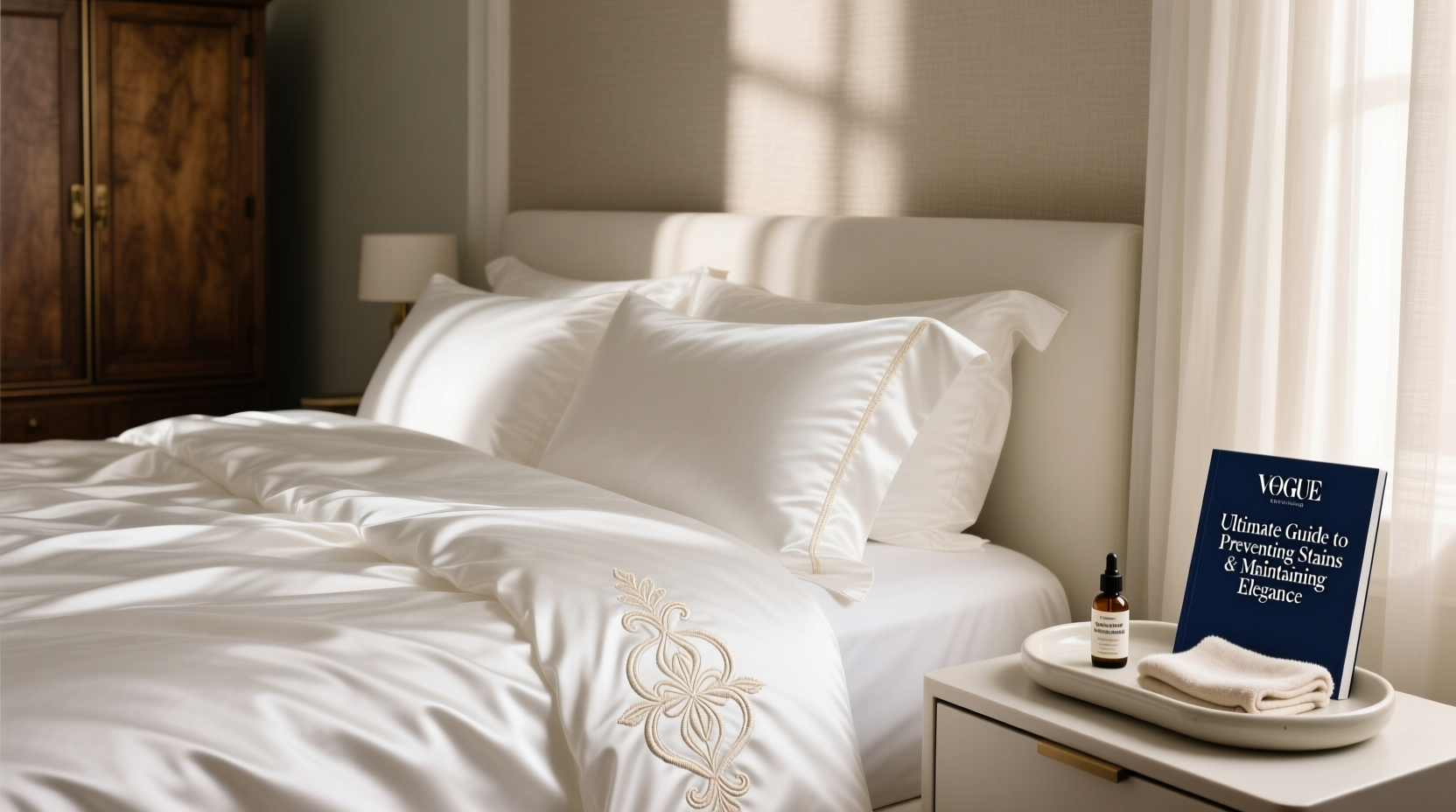
The first step in effective care is knowing what you’re working with. Different fabrics react uniquely to moisture, heat, and cleaning agents. Misidentifying care needs can lead to shrinkage, pilling, or irreversible staining.
| Fabric Type | Stain Sensitivity | Care Priority |
|---|---|---|
| Egyptian Cotton | Moderate (absorbs liquids) | Gentle washing, low heat drying |
| Silk | High (reacts to acids, oils) | Dry cleaning or hand wash only |
| Linen | Low to moderate | Air drying, wrinkle management |
| Sateen Weave | Moderate (prone to scuffing) | Turn inside out before washing |
For instance, silk loses luster when exposed to alkaline detergents, while high-thread-count cotton can pill if washed with rough fabrics. Always check manufacturer labels, but assume delicate handling unless proven otherwise.
“Luxury bedding isn’t fragile—it’s refined. Treat it with precision, not fear.” — Clara Bennett, Textile Preservation Specialist
Prevention: The First Line of Defense
Eliminating stains before they occur is far more effective than removing them after. Most damage begins with small, preventable exposures: nightly skincare products, accidental spills, or body oils.
- Use a lightweight, breathable mattress protector to block sweat, dead skin, and minor spills.
- Switch to non-comedogenic, oil-free night creams if using silk or satin pillowcases.
- Avoid eating or drinking in bed—especially wine, coffee, or sauces.
- Wash hands before bedtime if applying lotions or handling food.
- Keep pets off the bed if they track dirt or shed excessively.
Consider investing in hypoallergenic, waterproof protectors that are noiseless and invisible under sheets. These act as a silent shield without compromising comfort.
Immediate Response to Spills and Stains
Time is critical. The longer a substance sits on fabric, the deeper it penetrates and the harder it becomes to remove. React swiftly, but never rub aggressively—that can push stains into fibers and cause fraying.
Step-by-Step Guide: Handling Fresh Stains
- Blot, don’t wipe: Use a clean, absorbent cloth to gently press down and lift liquid. Never scrub.
- Identify the stain type: Oil-based (makeup, lotion), protein-based (sweat), or tannin (wine, coffee).
- Pretreat appropriately:
- Oil stains: Dab with cornstarch or talcum powder, let sit 15 minutes, then brush off.
- Protein stains: Rinse with cold water; avoid heat, which sets proteins.
- Tannin stains: Apply diluted white vinegar (1:3 ratio with water) before washing.
- Test cleaners on hidden seams first to avoid discoloration.
- Wash according to fabric guidelines using mild, pH-neutral detergent.
For silk or delicate weaves, skip home remedies and consult a professional cleaner immediately for stubborn marks.
Long-Term Maintenance Routine
Preserving elegance requires rhythm. A structured care cycle prevents buildup and maintains fabric integrity over time.
📋 **Weekly Bedding Care Checklist**- Change pillowcases (twice weekly if using heavy skincare).
- Strip and launder flat and fitted sheets.
- Spot-check duvet covers and shams for residue.
- Flip and rotate mattress to distribute wear.
- Vacuum mattress surface monthly to remove dust mites.
Wash bedding in cold to lukewarm water (never above 30°C/86°F for delicates). Use a gentle cycle and avoid overloading the machine. Opt for detergents free from bleach, enzymes, and optical brighteners—these degrade natural fibers over time.
Drying is equally important. Air-dry whenever possible, laying flat or hanging in a shaded, ventilated area. If using a dryer, select low heat and remove items while slightly damp to reduce wrinkles and fiber stress.
Storage and Seasonal Rotation
If you switch bedding seasonally, improper storage can lead to yellowing, mustiness, or permanent creasing. Avoid plastic bins, which trap moisture and encourage mildew.
Best Practices for Off-Season Storage
- Wash all pieces before storing—even unused linens collect airborne oils.
- Fold neatly with acid-free tissue paper between layers to prevent crease damage.
- Store in breathable cotton bags or archival boxes.
- Place in a cool, dark closet away from direct sunlight and humidity.
- Add natural cedar blocks or lavender sachets to deter moths—avoid mothballs, which leave odors.
Rotate between two sets of luxury bedding to extend lifespan. Continuous use accelerates wear, especially on pillowcases and top sheets.
Real Example: Recovering a Silk Duvet Cover
Sophia, a hotel interior designer in Vancouver, returned from vacation to find her ivory silk duvet cover stained with coconut oil from a spilled sunscreen bottle. Instead of discarding it, she acted quickly: blotted excess oil with paper towels, sprinkled cornstarch, waited 20 minutes, brushed it off, then placed the item in a breathable cotton bag and took it to a specialty dry cleaner experienced with silk. The result? Full restoration with no loss of sheen. Her mistake had been leaving the bottle on the nightstand—but her prompt response saved a $450 piece.
FAQ
Can I use baking soda on my luxury sheets?
Yes, but sparingly. Baking soda is mildly abrasive. Mix a small amount with water to form a paste for spot treatment, then rinse thoroughly. Avoid using it routinely in full loads, especially on delicate weaves.
How often should luxury bedding be professionally cleaned?
Silk, velvet, or embroidered pieces should be professionally cleaned once or twice a year. For cotton and linen, professional service is optional unless dealing with deep-set stains or odor issues.
Why do my white sheets turn gray over time?
This is typically due to detergent buildup, exposure to body oils, or washing with colored fabrics. Prevent it by using less detergent, adding vinegar to rinses, and washing whites separately. Sun-drying can also help naturally brighten fabric.
Conclusion: Elevate Your Care, Preserve Your Investment
Luxury bedding offers unparalleled comfort and sophistication, but its longevity hinges on disciplined, informed care. From selecting the right protectors to mastering stain response and seasonal upkeep, every action contributes to lasting elegance. You don’t need perfection—just consistency and awareness. By integrating these practices into your routine, you honor both the craftsmanship of your linens and the sanctuary of your bedroom.




 浙公网安备
33010002000092号
浙公网安备
33010002000092号 浙B2-20120091-4
Comments
No comments yet. Why don't you start the discussion?