
Alloy keychains are popular for their durability, affordability, and stylish finishes. Whether engraved with a personal message, shaped into a symbol, or part of a luxury brand collection, they often carry emotional or aesthetic value. However, exposure to air, moisture, and skin oils can cause tarnishing—leaving once-bright metal looking dull or discolored. The good news is that with proper care, you can significantly slow down or even prevent tarnish and keep your keychain looking pristine for years.
Understanding Alloy Tarnish: Why It Happens
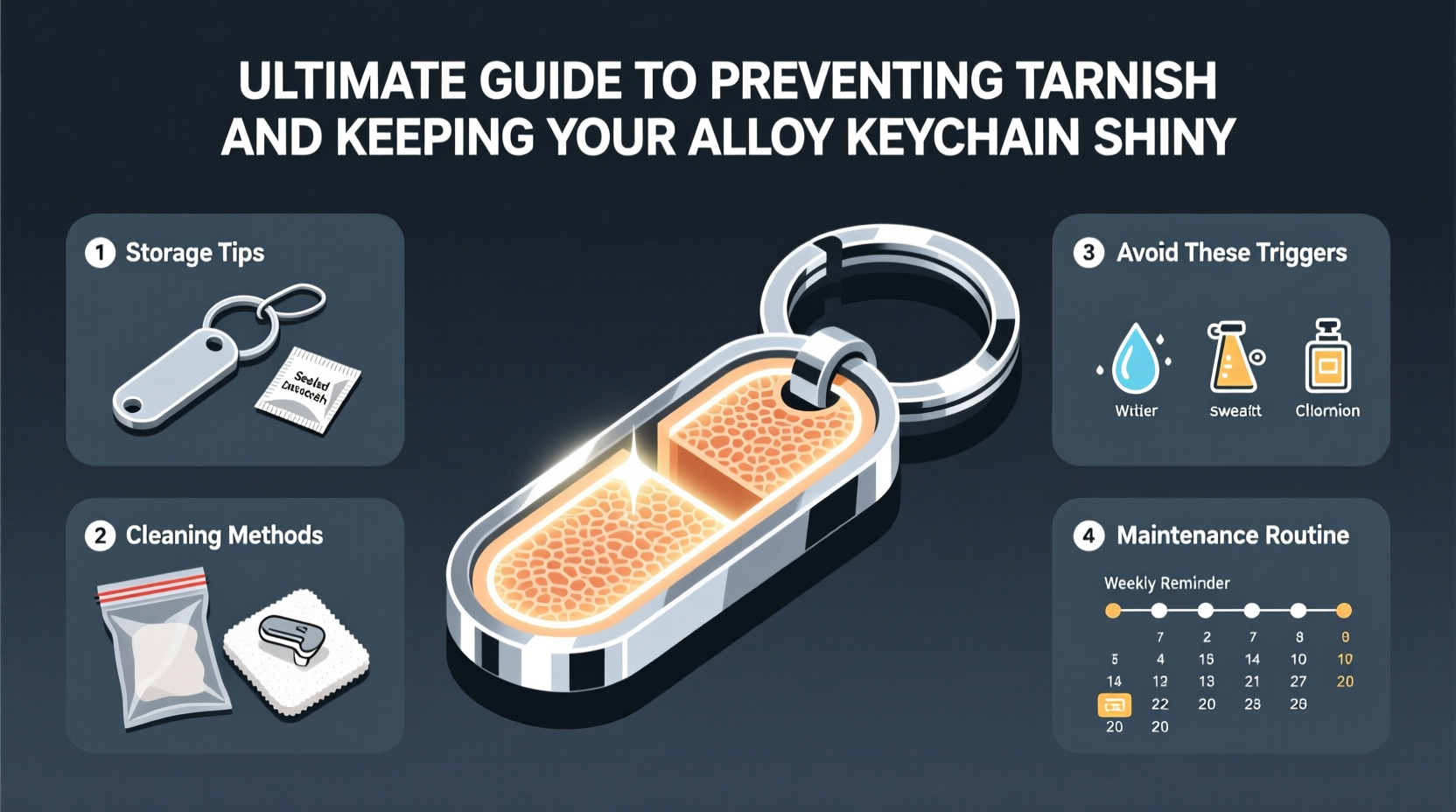
Most keychains labeled as “alloy” are made from a blend of metals such as zinc, copper, aluminum, or nickel. These base metals are cost-effective and moldable but tend to react with environmental elements. Tarnish occurs when the surface metal oxidizes due to contact with sulfur compounds in the air, moisture, sweat, or chemicals like lotions and perfumes.
The process starts subtly—a slight darkening around edges or engravings—and progresses to a cloudy or mottled appearance if left unchecked. Unlike rust, which eats away at iron, tarnish typically affects only the surface layer, meaning it can often be cleaned or polished away before permanent damage sets in.
“Tarnish on alloy items isn’t inevitable—it’s a result of exposure and neglect. With consistent protection, most alloy accessories can retain their luster for over five years.” — Dr. Lena Patel, Materials Conservation Specialist
Effective Prevention Strategies
Preventing tarnish is far more effective than trying to restore shine after the fact. The key lies in minimizing exposure and creating a protective environment for your keychain.
Control Humidity and Air Exposure
Moisture accelerates oxidation. Store your keychain in a dry place, ideally in a sealed container with silica gel packets to absorb ambient humidity. Avoid leaving it in bathrooms or near windows where condensation builds up.
Apply Protective Coatings
A thin layer of clear nail polish or specialized metal sealant can act as a barrier between the alloy and external elements. Apply one coat to all surfaces, including crevices, and reapply every 3–6 months depending on usage. This method is especially useful for engraved or detailed designs where tarnish can settle in hard-to-reach areas.
Limit Skin Contact
Frequent handling transfers oils and acids from your skin. While occasional use is unavoidable, consider rotating keychains or using a split ring with a cover to reduce direct touch.
Step-by-Step Cleaning Routine for Shiny Results
Even with preventive measures, light tarnish may appear over time. A regular cleaning schedule keeps buildup minimal and restores brilliance without harsh scrubbing.
- Remove the keychain from your ring to allow full access and avoid damaging other keys or coatings.
- Wipe gently with a microfiber cloth to remove dust and oils. Use dry first, then slightly dampened with distilled water if needed.
- Prepare a mild cleaning solution: Mix a few drops of dish soap with warm water. Dip a soft-bristle toothbrush into the solution and gently scrub the surface, focusing on grooves and engravings.
- Rinse under lukewarm water (do not soak) and immediately pat dry with a lint-free towel.
- Polish with a jewelry cloth designed for metals to enhance shine and remove residual film.
- Reapply protective coating if using sealant, ensuring even coverage.
Do’s and Don’ts: Quick Reference Table
| Do’s | Don’ts |
|---|---|
| Store in an airtight pouch with anti-tarnish paper | Leave exposed to humid environments (e.g., bathroom drawers) |
| Clean monthly with a soft cloth and mild soap | Use bleach, ammonia, or alcohol-based cleaners |
| Apply clear sealant every 3–6 months | Soak in water or let air-dry after cleaning |
| Rotate keychains to reduce wear | Scrub with steel wool or rough sponges |
| Keep away from perfumes and lotions | Store loosely with other metal items (causes scratches) |
Real-Life Example: Recovering a Heirloom Keychain
Jamie inherited a vintage alloy keychain from her grandfather, inscribed with his initials and service number. After decades in a drawer, it had turned dark gray with patchy discoloration. Instead of replacing it, she followed a careful restoration process: wiping with a microfiber cloth, gentle brushing with soapy water, drying thoroughly, and polishing with a silver-safe cloth. She then applied two thin coats of clear nail polish for protection. The keychain regained its metallic sheen and now hangs proudly on her everyday keyring—preserved not just physically, but emotionally.
This case shows that even heavily tarnished alloy pieces can be revived with patience and the right technique—no special equipment required.
Essential Care Checklist
- ✅ Clean your keychain monthly with a soft cloth and mild soap
- ✅ Dry immediately after cleaning—never let it air-dry
- ✅ Store in an airtight container with silica gel or anti-tarnish strips
- ✅ Apply a protective sealant every 3–6 months
- ✅ Remove before swimming, showering, or applying cosmetics
- ✅ Inspect regularly for early signs of discoloration
- ✅ Rotate keychains to minimize constant exposure
FAQ: Common Questions About Alloy Keychain Care
Can I use jewelry polishing cloths on alloy keychains?
Yes, but only those labeled safe for plated or costume jewelry. Avoid cloths impregnated with strong abrasives or chemicals, as they may strip the surface finish. A standard microfiber or treated polishing cloth works best for routine maintenance.
Why does my keychain tarnish faster in summer?
Higher temperatures and humidity levels increase oxidation rates. Additionally, increased sweating during hot months exposes the metal to more salt and acids. Consider extra protection like sealant or reduced wear during humid seasons.
Is it possible to completely stop tarnish?
While you can't eliminate tarnish entirely due to natural metal reactivity, consistent care can delay it significantly—often for several years. The goal is not perfection but preservation through smart habits.
Maintain Shine, Preserve Meaning
Your alloy keychain might seem like a small accessory, but it often carries big significance—whether it's a gift, a souvenir, or a daily companion. By understanding how tarnish forms and taking proactive steps, you protect both its appearance and longevity. Simple actions like storing it properly, cleaning it gently, and applying a protective layer make a lasting difference.




 浙公网安备
33010002000092号
浙公网安备
33010002000092号 浙B2-20120091-4
Comments
No comments yet. Why don't you start the discussion?