
Deodorant stains on black clothing are more than just a cosmetic issue—they can erode the fabric's appearance and make even the most elegant outfit look worn. The white or yellow residue left behind not only stands out against dark fabrics but often leads to premature discoloration when improperly treated. Many people reach for bleach or harsh detergents, only to find their favorite black shirt has faded or developed blotchy patches. The key lies in understanding the chemistry of both the stain and the fabric, then applying targeted, gentle techniques that lift residue without compromising dye stability.
Black garments, especially those made from cotton, rayon, or synthetic blends, are particularly vulnerable to oxidation and abrasion during cleaning. This makes stain removal a delicate balance between effectiveness and preservation. With the right tools and knowledge, however, it’s entirely possible to eliminate deodorant buildup while keeping your clothes looking deep, rich, and like-new.
Understanding Deodorant Stains and Fabric Interaction
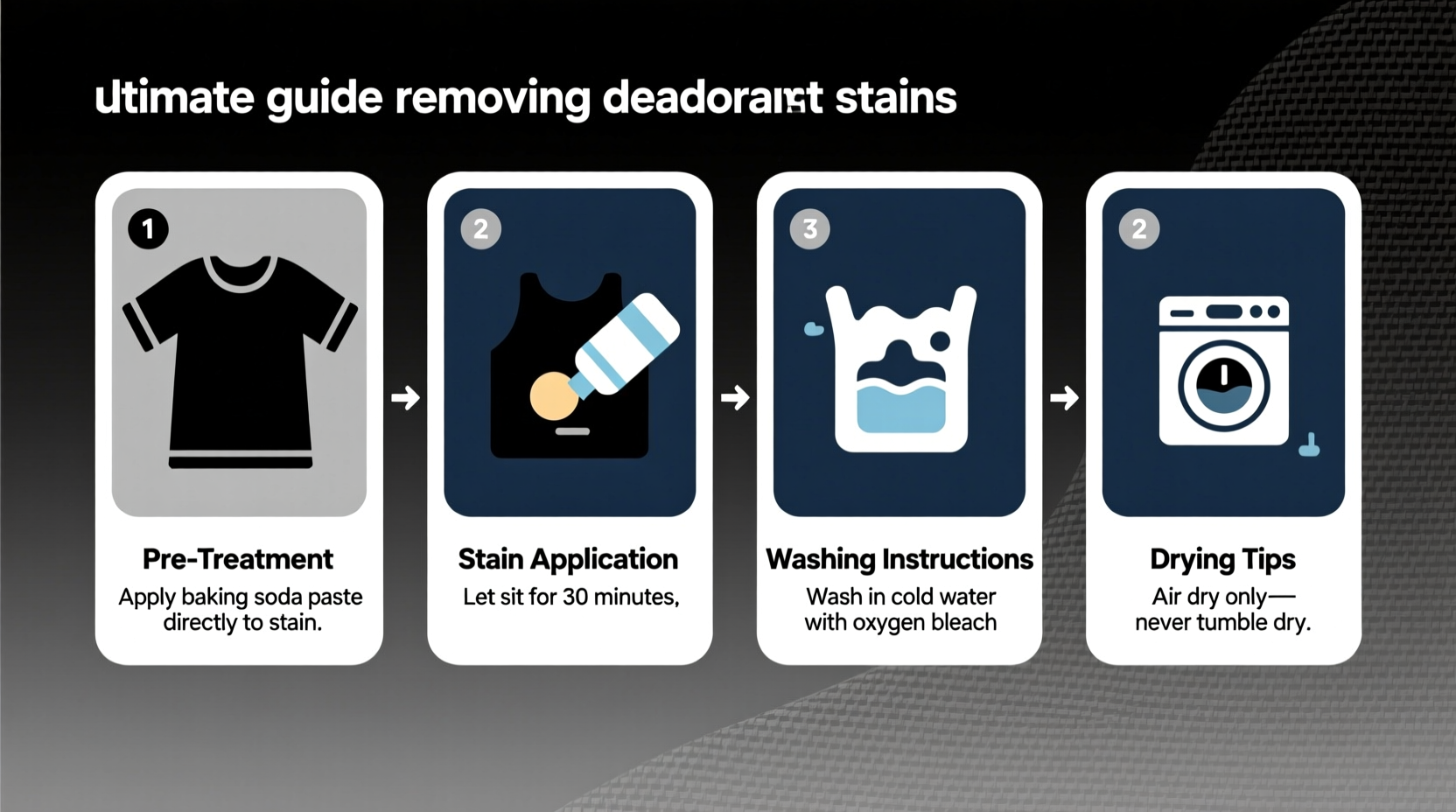
Deodorant and antiperspirant products contain aluminum compounds, waxes, oils, and fragrances designed to block sweat or mask odor. When these ingredients interact with body heat and moisture, they bind to fabric fibers—especially in the underarm area where friction is high. Over time, repeated exposure creates a stubborn layer that resists regular washing.
The problem intensifies with black clothing because:
- Aluminum salts react with dyes, accelerating oxidation and causing dullness or grayish patches.
- Fatty acids in deodorants embed into fibers, attracting more dirt and becoming visible as yellow stains.
- Friction from arms rubbing against fabric weakens the weave and increases dye loss during scrubbing.
Standard laundry practices often fail because they don’t break down the oily matrix holding the stain. Worse, using chlorine bleach or high heat can permanently damage the fabric’s color integrity.
“Most fading occurs not from the stain itself, but from aggressive removal attempts. Gentle, pH-balanced solutions are far more effective long-term.” — Dr. Lena Patel, Textile Chemist at Advanced Fabric Research Institute
Safe and Effective Removal Methods
Success depends on treating the stain early and choosing the right method based on fabric type. Always test any solution on an inconspicuous area first (like an inside seam) to ensure colorfastness.
Method 1: Vinegar and Baking Soda Paste (Best for Cotton & Blends)
This combination neutralizes odors, dissolves wax, and lifts residue without bleaching.
- Mix two tablespoons of baking soda with one tablespoon of white vinegar to form a thick paste.
- Apply directly to the stained area and let sit for 30–45 minutes.
- Gently scrub with a soft-bristle toothbrush using circular motions.
- Rinse thoroughly with cold water.
- Wash as usual in cold water with mild detergent.
Method 2: Rubbing Alcohol and Dish Soap (Ideal for Synthetics)
Isopropyl alcohol breaks down oils, while dish soap emulsifies grease.
- Mix one part rubbing alcohol (70%) with one part liquid dish soap (clear, fragrance-free).
- Dampen a clean microfiber cloth and dab the solution onto the stain.
- Wait 20 minutes, then gently rub with the cloth.
- Rinse with cold water and launder immediately in cold water on a gentle cycle.
Method 3: Enzyme-Based Stain Remover (For Set-In Yellowing)
Enzymes target protein and fat molecules in old stains without damaging fabric.
- Choose a color-safe, enzyme-powered product (e.g., OxiClean MaxForce or Puracy Stain Remover).
- Spray generously on the affected area and allow 15–30 minutes of dwell time.
- Do not let it dry; keep the fabric damp during treatment.
- Wash in cold water—never hot, which sets protein-based stains.
Do’s and Don’ts: Protecting Black Fabric During Cleaning
| Do’s | Don’ts |
|---|---|
| Use cold water exclusively | Never use hot water—it sets stains and fades dye |
| Turn clothes inside out before washing | Avoid direct sunlight when drying—UV rays cause fading |
| Pre-treat stains before laundering | Don’t overuse detergent—excess suds trap grime |
| Use color-protecting laundry formulas | Avoid chlorine bleach at all costs |
| Hang dry or use low heat | Don’t aggressively scrub with hard brushes |
Real-World Example: Reviving a Faded Work Blouse
Sophie, a marketing executive, noticed her favorite black silk-blend blouse had developed visible white streaks under the arms after six months of daily wear. She avoided washing it frequently to preserve the fabric but found the stains worsening. After researching safe methods, she tried the vinegar-baking soda paste, applying it only to the stained zones. She rinsed carefully and washed the garment on a delicate cycle with a wool-safe detergent. After air-drying flat, the underarm area was nearly invisible, and the overall color looked richer due to the vinegar’s clarifying effect. By repeating this monthly, she extended the blouse’s wearable life by over a year.
Prevention Checklist: Minimize Future Staining
Prevention is the most effective long-term strategy. Follow this checklist to reduce deodorant transfer:
- ✅ Allow deodorant to fully dry before dressing
- ✅ Choose clear gel or roll-on formulas over solid sticks (less wax residue)
- ✅ Wear undershirts or seamless liners as a barrier
- ✅ Rotate black tops regularly to reduce buildup in high-friction zones
- ✅ Wash black clothes after 2–3 wears, even if they seem clean
- ✅ Use a specialized detergent for darks (look for “color guard” labels)
Frequently Asked Questions
Can I use hydrogen peroxide on black clothes?
No. While hydrogen peroxide is a common stain remover, it acts as a bleaching agent and will almost certainly lighten black fabric, especially with repeated use. Stick to oxygen-based cleaners labeled as color-safe if you prefer chemical options.
Why do some black shirts turn gray after washing?
Gray discoloration typically results from a combination of factors: lint transfer from other clothes, incomplete rinsing of detergent, or microfiber breakdown due to friction. Using a mesh laundry bag and separating darks helps prevent this. Additionally, residue from deodorant can oxidize and create a gray film when exposed to heat and oxygen.
How often should I treat underarm areas preventively?
Treating every 3–4 washes is sufficient for most people. If you sweat heavily or use heavy-duty antiperspirants, consider a light pre-wash wipe-down with a cloth dampened with diluted vinegar (1:3 vinegar to water).
Final Thoughts: Care That Preserves Confidence
Your wardrobe reflects your presence—especially when you're wearing black, a color associated with strength, elegance, and intention. Letting deodorant stains compromise that image isn't necessary. With careful attention and informed cleaning habits, you can maintain the depth and luster of your dark garments for years. The methods outlined here are rooted in textile science and real-world testing, ensuring effectiveness without sacrifice.
Start integrating one preventive step and one cleaning technique today. Your favorite black pieces will thank you with longer life and unwavering style.




 浙公网安备
33010002000092号
浙公网安备
33010002000092号 浙B2-20120091-4
Comments
No comments yet. Why don't you start the discussion?