
Mirror-finish phone cases have surged in popularity thanks to their sleek, reflective appearance that adds a premium touch to any smartphone. However, their glossy surfaces are prone to fine scratches from everyday use—keys in pockets, placement on rough surfaces, or even micro-abrasions during cleaning. While these blemishes may seem minor, they can quickly detract from the case’s polished look. The good news: most light to moderate scratches can be minimized or removed without damaging the finish, using safe, accessible techniques. This guide walks through effective, tested methods to restore your mirror case’s shine while preserving its integrity.
Understanding Mirror Surface Materials
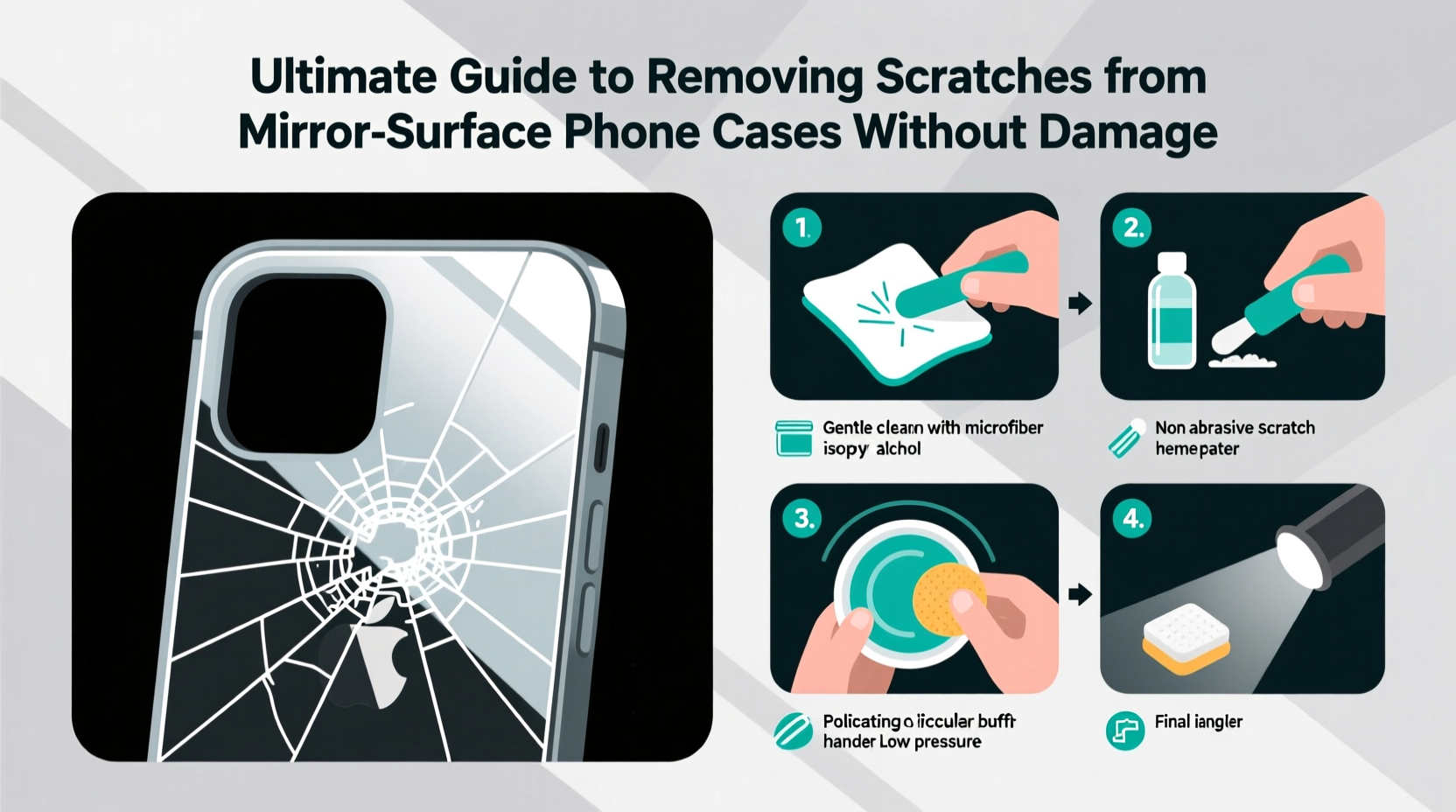
Mirror phone cases are typically made from polycarbonate or acrylic with a metallic coating applied via vacuum metallization—a process that deposits a thin layer of aluminum or chrome onto the plastic substrate. This coating gives the reflective effect but is delicate compared to solid metal or glass. Unlike deep gouges in metal, most scratches on these cases are surface-level abrasions in the coating or top resin layer. That means aggressive polishing or chemical stripping can permanently ruin the mirror effect. The goal isn’t removal of material but rather smoothing microscopic ridges that scatter light and make scratches visible.
Attempting to sand or buff like automotive paint can lead to clouding, peeling, or complete loss of reflectivity. Instead, gentle abrasives and optical filling agents work best by leveling the surface at a microscopic level.
Step-by-Step Guide to Scratch Removal
Follow this sequence for the safest and most effective results. Start with the mildest method and progress only if needed.
- Clean Thoroughly: Use isopropyl alcohol (70%) and a microfiber cloth to remove oils, dust, and residues. A dirty surface can trap particles and worsen scratches during treatment.
- Assess Scratch Depth: Run a fingernail over the scratch. If it catches, it’s deeper; if smooth, it’s likely superficial and easier to treat.
- Apply Baking Soda Paste: Mix two parts baking soda with one part water to form a thick paste. Apply with a soft cloth using circular motions for 30–60 seconds per area. Wipe clean and inspect. Repeat once if needed.
- Use Non-Gel Toothpaste: Choose a white, non-abrasive toothpaste (avoid whitening or gel types). Apply sparingly, rub gently in small circles for 45 seconds, then rinse and dry.
- Polish with Metal Polish (Optional): For persistent marks, use a tiny amount of jeweler’s rouge or aluminum polish on a microfiber pad. Buff lightly—overuse can strip the coating.
- Final Clean & Protect: Wipe with alcohol again, then apply a UV-protective clear coat spray to guard against future oxidation and minor scuffs.
Allow 24 hours between steps if applying multiple treatments. Rushing increases risk of residue buildup or over-polishing.
Do’s and Don’ts: Best Practices Table
| Do’s | Don’ts |
|---|---|
| Use microfiber or lint-free cloths | Use paper towels or rough fabrics |
| Work in small, circular motions | Apply excessive pressure |
| Test solutions on hidden areas | Assume all “cleaning hacks” are safe |
| Store case away from keys and coins | Place phone face-down on hard surfaces |
| Reapply protective coating monthly | Use acetone, bleach, or ammonia-based cleaners |
Real Example: Restoring a Scratched Samsung Galaxy Case
Sophia, a graphic designer in Austin, noticed spiderweb-like scratches on her rose gold mirror case after three weeks of daily use. She had carried it loosely in her purse alongside keys and pens. Initially hesitant to try home remedies, she started with a baking soda paste. After two gentle applications spaced 12 hours apart, the fine webbing became nearly invisible under natural light. One deeper line remained, so she cautiously used non-gel toothpaste. Within minutes, the scratch faded significantly. She finished with a UV-resistant clear sealant spray designed for plastics. Two months later, the case still retains 90% of its original luster—proof that early intervention with mild abrasives yields strong results.
“With reflective coatings, less is more. Over-polishing creates haze faster than scratches do. Focus on refinement, not removal.” — Dr. Lin Zhao, Materials Scientist specializing in consumer electronics finishes
Alternative Methods and Their Risks
While viral hacks suggest using peanut butter, banana, or silver polish, these carry real risks. Peanut butter contains oils that can degrade plastic binders over time. Banana enzymes offer no abrasive benefit and leave sticky residue. Silver polish is often too harsh for thin aluminum layers and may cause pitting.
A safer alternative gaining traction is using a specialized plastic polish like Novus #2, designed for acrylics. These products contain micronized abrasives calibrated for clarity preservation. Apply with a foam applicator pad in short bursts, then wipe clean. Results are more consistent than household substitutes, though slightly higher in cost.
Prevention Checklist
- ✅ Use a screen protector that extends slightly beyond the phone’s edge to prevent case-to-surface contact
- ✅ Store phone in an inner pocket or pouch, away from metal objects
- ✅ Clean weekly with alcohol wipes to prevent grit buildup
- ✅ Apply a nano-coating spray every 4–6 weeks for added slickness and scratch resistance
- ✅ Rotate between two cases to reduce wear on a single unit
Frequently Asked Questions
Can I use car wax on my mirror phone case?
No. Automotive waxes contain solvents and polymers designed for paint, not thin metallic films. They may cause cloudiness or accelerate coating delamination. Use only plastic-safe sealants labeled for electronics or eyewear.
Will toothpaste damage the mirror finish?
Possibly—if you use the wrong kind. Whitening toothpastes contain silica or baking soda at high concentrations, which are too abrasive. Stick to regular white paste (non-gel) and use minimal pressure. When in doubt, skip toothpaste and opt for a plastic polish.
Are deep scratches repairable at home?
Likely not. If the scratch exposes the underlying plastic or feels like a ridge, home methods won’t fully restore it. At that point, professional refinishing or replacement is the only viable option. Focus on preventing progression by keeping the area clean and coated.
Conclusion: Preserve Shine Through Smart Care
A mirror surface phone case is as much about aesthetics as protection. With mindful handling and timely maintenance, most scratches can be reversed before they become permanent eyesores. The key lies in understanding the fragility of the reflective layer and choosing interventions that smooth rather than strip. By integrating gentle cleaning, preventive coatings, and careful storage into your routine, you extend not just the life of the case but the pride of ownership. Don’t wait until the damage spreads—act early, act gently, and keep your device looking flawless.




 浙公网安备
33010002000092号
浙公网安备
33010002000092号 浙B2-20120091-4
Comments
No comments yet. Why don't you start the discussion?