
Metal keychains are more than just functional—they’re personal. Whether engraved with initials, shaped like a favorite symbol, or passed down as a keepsake, they carry meaning. But over time, exposure to air, moisture, skin oils, and pocket debris causes tarnish, dulling their luster. The good news: most tarnished metal keychains can be restored to their original brilliance with the right approach. This guide delivers practical, tested techniques for bringing back shine—safely and effectively—regardless of your keychain’s material or condition.
Understanding Metal Tarnish: What Causes It?
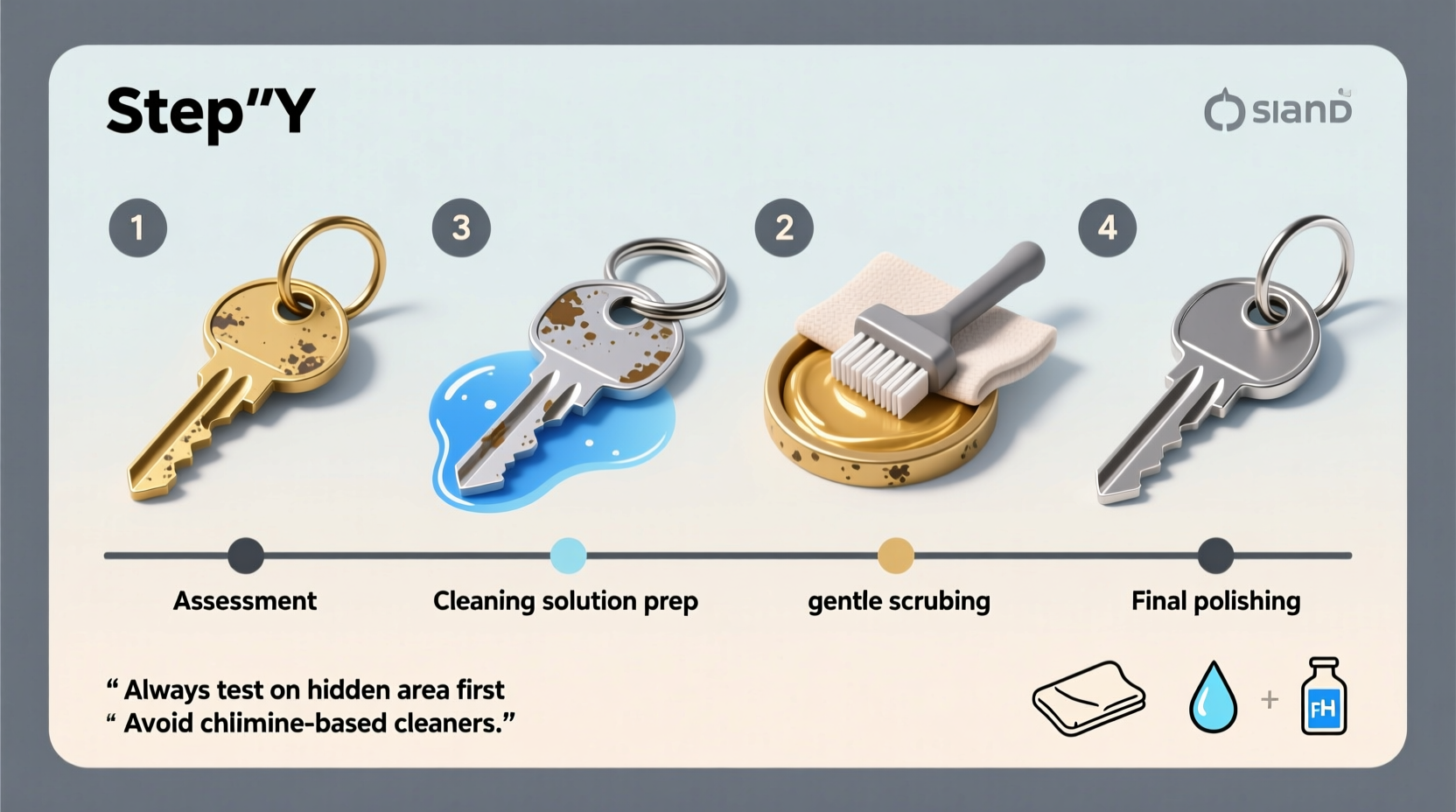
Tarnish is a thin layer of corrosion that forms when metals react with sulfur compounds in the air, moisture, or acids from skin contact. While not rust (which eats away at iron), tarnish dulls surfaces and can deepen into pitting if left untreated. Common metals used in keychains include:
- Silver – Highly prone to tarnishing due to sulfur sensitivity.
- Brass – Reacts with oxygen and sweat; develops a greenish patina.
- Copper – Similar to brass, turns green when heavily oxidized.
- Stainless steel – Resistant but can discolor from chlorides or abrasives.
- Aluminum – Lightweight and corrosion-resistant, though it may develop white oxidation.
The rate of tarnishing depends on environment, frequency of use, and storage. Humid climates accelerate oxidation, while constant handling introduces oils that promote chemical reactions.
“Tarnish isn’t permanent damage—it’s a surface reaction. With proper restoration, you can recover nearly all the original shine.” — Dr. Alan Reeves, Materials Scientist, Corrosion Control Institute
Step-by-Step Guide to Restoring Shine Based on Metal Type
Not all metals respond to the same cleaners. Using the wrong method can scratch, etch, or permanently damage your keychain. Follow this tailored restoration process based on your keychain’s composition.
For Silver Keychains
Silver tarnishes quickly but responds well to gentle chemical treatments.
- Wash with warm water and mild dish soap. Use a soft toothbrush to reach crevices.
- Dry thoroughly with a microfiber cloth.
- Create a paste using baking soda and distilled water (3:1 ratio).
- Gently rub the paste onto the surface with a lint-free cloth using circular motions.
- Rinse and dry again. For heavy tarnish, repeat or use a commercial silver dip (no more than 30 seconds).
- Buff with a polishing cloth to restore luster.
For Brass and Copper Keychains
These metals oxidize into dark brown or green layers. Restoration requires slightly stronger agents.
- Soak in warm soapy water for 5–10 minutes.
- Prepare a mixture of lemon juice and table salt (1:1). The citric acid dissolves oxidation.
- Apply the mixture with a cotton swab or soft cloth, focusing on tarnished areas.
- Rinse immediately after the tarnish lifts to avoid over-etching.
- Dry completely and apply a thin coat of clear lacquer or carnauba wax to slow future oxidation.
For Stainless Steel Keychains
Stainless steel resists tarnish but can develop surface haze or water spots.
- Wipe with a damp cloth and mild detergent.
- Use a stainless steel cleaner or isopropyl alcohol on a soft cloth to remove smudges.
- Avoid steel wool or abrasive pads—these create visible scratches.
- Polish with a microfiber cloth in the direction of the grain.
Do’s and Don’ts of Metal Keychain Care
| Action | Do | Don’t |
|---|---|---|
| Cleaning Frequency | Every 2–4 weeks for regular users | Wait until heavy tarnish builds up |
| Cleaning Tools | Soft cloths, cotton swabs, non-abrasive brushes | Steel wool, rough sponges, paper towels |
| Storage | Airtight pouch or anti-tarnish bag | Loose in a humid drawer or pocket |
| Chemicals | Baking soda, lemon juice, specialized metal polishes | Bleach, ammonia, undiluted vinegar |
| Drying | Immediately after washing, fully air-dry before storing | Leave wet or towel-rub aggressively |
Real Example: Reviving a Vintage Brass Keychain
Mark inherited a brass keychain from his grandfather, stamped with the year 1947. After decades in a drawer, it was almost black with tarnish and had a powdery residue—signs of active oxidation. He avoided harsh scrubbing and instead followed the lemon-salt method. After two gentle applications and thorough rinsing, the engraving reappeared clearly. He finished by coating it with a thin layer of museum-grade microcrystalline wax, which preserved the restored look without altering the antique finish. Six months later, it remains bright with only minimal touch-ups needed.
Essential Tips for Long-Term Shine Preservation
Prevention is simpler than restoration. Integrate these habits to keep your keychains looking new:
- Use anti-tarnish strips in storage containers—these absorb sulfur compounds.
- Keep keychains away from perfumes, lotions, and cleaning products.
- Rotate usage if you own multiple keychains, giving each time to rest and air out.
- Reapply protective coatings every 3–6 months for copper and brass items.
Frequently Asked Questions
Can I use aluminum foil and baking soda to clean silver keychains?
Yes. Line a bowl with aluminum foil, add hot water, one tablespoon of baking soda, and a pinch of salt. Submerge the silver keychain for 2–3 minutes. The electrochemical reaction transfers tarnish to the foil. Rinse and dry immediately. Avoid this method for silver-plated items, as it may expose the base metal.
Is it safe to use vinegar on copper?
Vinegar (acetic acid) works on copper, but prolonged exposure can cause pitting. If used, dilute with equal parts water, limit soak time to under a minute, and rinse thoroughly. Lemon juice with salt is gentler and equally effective.
How can I tell if my keychain is solid metal or plated?
Check for wear spots revealing a different metal underneath—common near edges. Plated items often feel lighter. A magnet test helps: real brass, copper, and silver aren’t magnetic, but some base metals used in plating are. When in doubt, assume it’s plated and use the gentlest method.
Final Checklist: Restore & Maintain Your Keychain’s Shine
- Identify the metal type before cleaning.
- Remove dirt with warm soapy water and a soft brush.
- Select a cleaning method appropriate to the metal.
- Clean in short sessions, checking progress frequently.
- Rinse thoroughly and dry completely.
- Buff with a polishing cloth for extra shine.
- Apply a protective coating if needed (wax, lacquer).
- Store in a dry, airtight container with anti-tarnish protection.
- Inspect monthly and clean proactively.
Conclusion: Shine Starts with Smart Care
Your keychain endures daily wear, yet its value—both sentimental and aesthetic—makes preservation worthwhile. Tarnish doesn’t mean decline; it’s a reversible condition with the right knowledge. By understanding your metal, choosing safe cleaning methods, and adopting simple maintenance habits, you can keep your keychains gleaming for years. Whether it’s a gift, a memento, or a statement piece, its shine reflects your attention to detail. Take a few minutes today to restore what matters—and make care a quiet act of respect for the small things that carry big meaning.




 浙公网安备
33010002000092号
浙公网安备
33010002000092号 浙B2-20120091-4
Comments
No comments yet. Why don't you start the discussion?