
The four leaf clover keychain is more than just a convenient way to carry your keys—it’s often a symbol of luck, sentimentality, or personal style. Whether it was gifted by a loved one, purchased as a good-luck charm, or custom-made to reflect your taste, preserving its appearance and structural integrity matters. Over time, exposure to everyday elements like friction, moisture, UV rays, and chemicals can dull its finish, weaken its metal components, or degrade its coating. With the right care routine, however, you can maintain its luster and meaning for years to come.
Understanding Your Keychain’s Materials
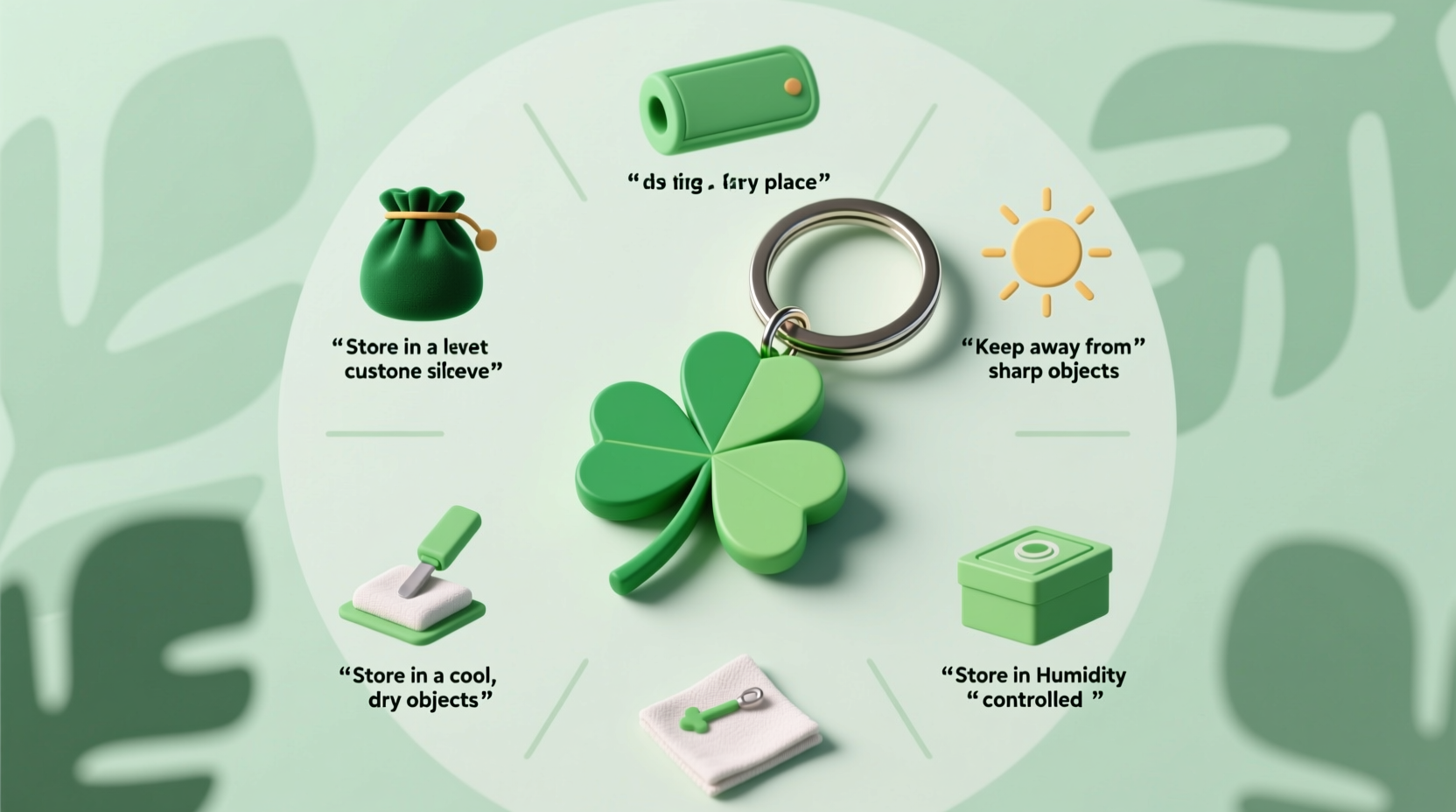
Before implementing any protection strategy, it's essential to identify what your four leaf clover keychain is made of. Most are crafted from one or more of the following materials:
- Stainless steel – Resistant to rust and corrosion, ideal for long-term durability.
- Zinc alloy – Often used in budget-friendly designs; prone to chipping if coated poorly.
- Brass or copper – Develops a patina over time; requires gentle polishing.
- Epoxy or enamel coating – Adds color and shine but can scratch or peel under stress.
- Silicone or rubber accents – Common in novelty versions; susceptible to tearing and UV degradation.
Knowing your keychain’s composition allows you to choose cleaning methods and storage solutions that won’t accelerate wear. For example, abrasive cloths may strip delicate finishes, while prolonged water exposure can corrode base metals even beneath protective plating.
“Many people don’t realize that a keychain’s longevity depends less on how often they use it and more on how consistently they protect it from environmental stressors.” — Daniel Reeves, Jewelry Preservation Specialist
5 Daily Habits That Prevent Premature Damage
Small behavioral adjustments can dramatically extend the life of your keychain. These practical habits require minimal effort but deliver lasting results.
- Use a dedicated key organizer or pouch – Keeps your keychain separated from abrasive items and reduces jostling.
- Remove during high-moisture activities – Take it off before swimming, washing hands frequently, or exercising to prevent oxidation.
- Avoid contact with lotions, perfumes, and sanitizers – Alcohol and acidic compounds can erode coatings and tarnish metal.
- Rotate usage if you have multiples – Reduces continuous strain on a single piece, especially spring-loaded mechanisms.
- Inspect monthly for weak links – Check the keyring attachment point and clasp for signs of bending or thinning.
Step-by-Step Cleaning and Maintenance Routine
Regular maintenance prevents buildup and maintains visual appeal. Follow this simple weekly-to-monthly process based on usage level:
- Gather supplies: Soft microfiber cloth, lukewarm water, mild dish soap, cotton swabs, toothbrush with soft bristles.
- Disassemble if possible: Remove from keyrings or other keys to clean thoroughly without scratching adjacent surfaces.
- Wipe down gently: Dampen the cloth slightly and wipe all surfaces, focusing on crevices where dirt accumulates.
- Clean intricate areas: Use a cotton swab dipped in soapy water to reach engraved details or layered textures.
- Rinse (if necessary): Only if heavily soiled—do not soak unless made entirely of stainless steel or solid metal.
- Dry immediately: Pat dry with a clean towel and air-dry fully before reassembling.
- Polish lightly: For metallic finishes, use a jewelry polishing cloth to restore shine—never use chemical polishes on coated pieces.
Do’s and Don’ts: Material-Specific Care Table
| Material | Do’s | Don’ts |
|---|---|---|
| Stainless Steel | Wipe with damp cloth; polish occasionally; store in dry place | Avoid chlorine exposure (e.g., pools); don’t use bleach-based cleaners |
| Zinc Alloy (Plated) | Clean gently; store wrapped in soft fabric | Never soak; avoid sweat and perfume; don’t scrub with rough pads |
| Brass/Copper | Polish with manufacturer-recommended cloth; keep dry | Don’t leave in humid environments; avoid vinegar or lemon-based cleaners |
| Enameled Finish | Dust regularly; wipe with damp microfiber | Never use abrasives; don’t drop on hard surfaces |
| Silicone/Rubber Accents | Clean with mild soap; store away from heat | Avoid direct sunlight; don’t stretch or pull forcefully |
Real-Life Example: How One Collector Preserved a Decade-Old Lucky Keychain
Sophia M., a longtime collector of symbolic accessories, has carried the same four leaf clover keychain since 2013. Initially concerned about fading and chain weakness, she implemented a minimalist care system after noticing minor discoloration. She now stores it in a small lined box when traveling, cleans it every six weeks with a damp cloth, and avoids wearing it during workouts or beach visits. The result? After ten years, the clover retains its original gloss, the hinge mechanism remains tight, and the charm still carries emotional value without visible deterioration.
Her approach underscores a key principle: consistency beats intensity. You don’t need elaborate tools or frequent deep cleaning—just mindful handling and preventive awareness.
Essential Protection Checklist
To ensure your keychain stays in top condition, follow this actionable checklist:
- ✅ Inspect for scratches, loose parts, or discoloration monthly
- ✅ Clean gently with a soft cloth every 2–4 weeks
- ✅ Store in a dry, padded container when not in regular use
- ✅ Keep away from pools, saunas, saltwater, and chlorinated environments
- ✅ Apply a protective wax (for metal-only models) sparingly once per quarter
- ✅ Rotate with backup keychains to reduce mechanical fatigue
Frequently Asked Questions
Can I wear my four leaf clover keychain every day?
Yes, but with precautions. Daily wear increases exposure to wear factors like friction and moisture. To minimize damage, avoid high-risk situations (like swimming or heavy labor), and perform light maintenance weekly.
Why is my silver-colored keychain turning yellow?
Yellowing typically indicates oxidation or breakdown of a chrome or nickel plating, often caused by sweat, humidity, or chemical exposure. If the base material is brass, natural tarnishing may also occur. Stop using harsh substances near it and consider storing it in an anti-tarnish pouch.
Is it safe to use jewelry cleaner on my clover keychain?
Only if it’s explicitly labeled safe for your specific material. Many commercial jewelry cleaners contain ammonia or acids that can damage enamel, plating, or softer metals. When in doubt, stick to mild soap and water with a soft cloth.
Final Thoughts: Honor the Symbol by Protecting the Object
Your four leaf clover keychain may be small, but its significance often outweighs its size. Whether it represents hope, remembrance, or personal belief, treating it with care reinforces its role in your daily life. By understanding its construction, adopting smart habits, and performing simple upkeep, you preserve not just its physical form—but the story it carries.




 浙公网安备
33010002000092号
浙公网安备
33010002000092号 浙B2-20120091-4
Comments
No comments yet. Why don't you start the discussion?