
An iced ring—adorned with dazzling cubic zirconia, lab-grown diamonds, or genuine gemstones—is more than just jewelry; it's a statement of style, confidence, and personal flair. But like any high-value accessory, its brilliance depends on consistent care. Without proper maintenance, prongs can loosen, stones may chip or fall out, and metal can tarnish. Whether your iced ring is a gift, a self-purchase, or a family heirloom, preserving its sparkle requires intentional habits. This guide delivers actionable strategies to protect your investment, extend its lifespan, and ensure it continues turning heads for years.
Understanding Your Iced Ring: Materials and Vulnerabilities
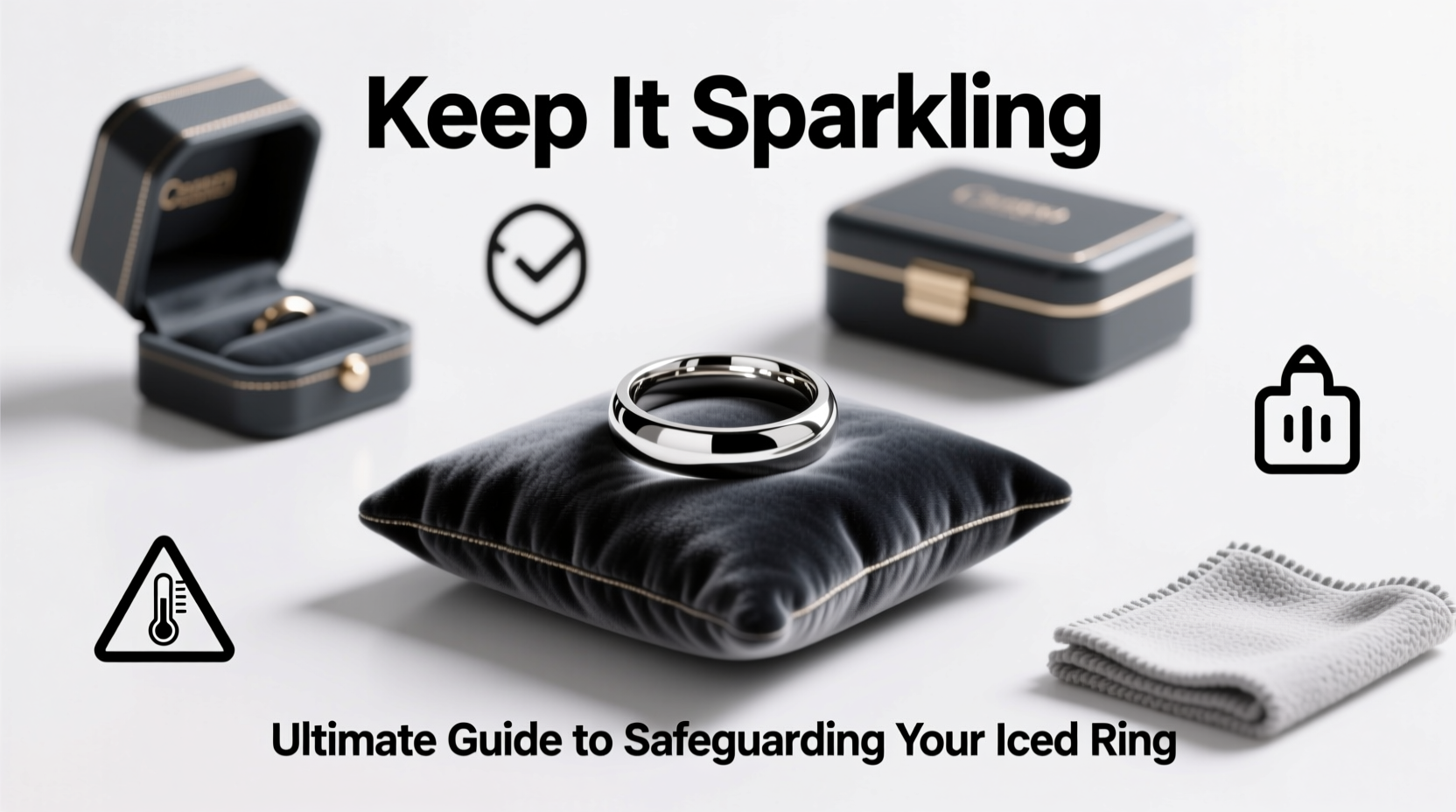
Iced rings typically feature a base metal such as sterling silver, stainless steel, titanium, or gold-plated brass, embellished with stones set in various configurations. The term “iced” refers to the heavy stone coverage that mimics a frosted or encrusted look. While visually striking, this design increases vulnerability. More stones mean more prongs, each a potential failure point under stress. Additionally, different materials react differently to environmental factors:
- Sterling silver tarnishes when exposed to moisture, sulfur, or air over time.
- Gold plating can wear off with friction or improper cleaning.
- Cubic zirconia (CZ) scratches more easily than diamonds and loses luster if not cleaned properly.
- Lab-grown or natural diamonds are durable but still susceptible to chipping along edges or if struck at the right angle.
The intricate settings used in iced rings make them particularly sensitive to knocks and pressure. A single hard impact can dislodge a stone or bend a prong, especially if the ring is worn during physical activity.
Daily Habits That Prevent Damage
Most damage to iced rings occurs not from sudden accidents but from repeated exposure to daily hazards. Simple behavioral adjustments can dramatically reduce wear:
- Remove during chores: Household cleaners, chlorine, and even soap contain chemicals that erode metal and dull stones.
- Avoid wearing while sleeping: You might roll onto the ring, bending prongs or scratching the surface.
- Take it off before exercising: Sweat corrodes metal, and impact from weights or equipment can knock stones loose.
- Put it on last, take it off first: Apply makeup, perfume, and lotions before putting on jewelry to avoid chemical buildup.
One common mistake is wearing an iced ring while washing hands. While brief water exposure isn’t catastrophic, the combination of soap residue and micro-abrasion from scrubbing accelerates grime accumulation in crevices. Over time, this leads to cloudiness and harder-to-remove buildup.
Mini Case Study: The Gym Enthusiast’s Mistake
Mark, a fitness trainer, wore his iced stainless steel ring daily—even during weightlifting sessions. After six months, he noticed two stones were missing and the band had developed a visible scratch. A jeweler confirmed that repeated contact with barbells caused micro-fractures in the prongs, leading to stone loss. Switching to a silicone ring during workouts preserved his iced piece, which now stays pristine with weekly care.
Step-by-Step Cleaning Routine for Maximum Sparkle
Regular cleaning prevents dirt and oils from dulling your ring’s shine. Follow this professional-grade routine every 1–2 weeks:
- Prepare a gentle solution: Mix warm water with a few drops of mild dish soap. Avoid harsh detergents or bleach.
- Soak for 15–20 minutes: This loosens debris trapped around the stones and under prongs.
- Use a soft-bristle toothbrush: Gently brush all sides, focusing on the underside where grime accumulates. Never use metal brushes or abrasive pads.
- Rinse thoroughly: Hold under lukewarm running water to remove all soap residue.
- Dry with a lint-free cloth: Polish gently to restore shine and prevent water spots.
For deeper cleaning, consider using an ultrasonic cleaner—but only if your ring has no glued-in stones or delicate metals. Ultrasonic vibrations can weaken adhesives or crack brittle gems like opals or emeralds.
Proper Storage: Shielding Your Ring When Not in Use
Storing your ring improperly is one of the leading causes of avoidable damage. Tossing it into a drawer or leaving it on a bathroom counter exposes it to moisture, dust, and impact.
| Storage Method | Benefits | Drawbacks |
|---|---|---|
| Jewelry box with individual compartments | Prevents scratching, keeps pieces organized | Only effective if lined with soft fabric |
| Fabric-lined ring pouch | Portable, protects against abrasion | Not ideal for humid environments |
| Airtight container with anti-tarnish strip | Blocks moisture and sulfur, ideal for silver | Must be opened regularly to check condition |
| Bathroom countertop (exposed) | Convenient access | High risk of water exposure and accidental knocks |
Store your ring flat, not stacked on other jewelry. If multiple rings are kept together, use divider slots to prevent metal-on-metal contact, which can cause scratches or bent prongs.
“An iced ring is only as strong as its weakest prong. Proper storage reduces mechanical stress and preserves structural integrity.” — Lena Torres, Master Jeweler & Gemologist
Checklist: Monthly Ring Care Routine
Stay proactive with this simple monthly checklist to catch issues early:
- ✅ Inspect each stone for looseness by gently wiggling with a wooden toothpick (never metal).
- ✅ Examine prongs for bends, cracks, or wear.
- ✅ Clean using the soaking and brushing method outlined above.
- ✅ Check for tarnish or discoloration on the band.
- ✅ Verify the ring fits properly—weight loss or gain can affect fit and increase snag risk.
- ✅ Take it to a professional jeweler annually for tightening and deep inspection.
Frequently Asked Questions
Can I wear my iced ring in the shower?
No. Water, especially hot water, can loosen adhesive settings and promote tarnishing. Soaps and shampoos leave behind residues that dull the stones over time. Always remove your ring before showering.
How do I know if a stone is about to fall out?
If a stone appears lower than others, wobbles when touched, or looks misaligned, the prong may be damaged. Stop wearing the ring immediately and have it inspected by a jeweler.
Is it safe to clean my iced ring with alcohol?
Occasional use of isopropyl alcohol is acceptable for disinfecting, but frequent use can degrade certain glues used in stone settings and dry out porous metals. Stick to mild soap and water for regular cleaning.
Final Thoughts: Make Care a Habit, Not a Chore
An iced ring earns its spotlight through brilliance and boldness, but its longevity depends on discipline behind the scenes. By integrating smart habits—timely removal, gentle cleaning, secure storage, and regular inspections—you protect not just the appearance but the structural soundness of your piece. Think of care not as maintenance, but as respect for craftsmanship and self-expression.




 浙公网安备
33010002000092号
浙公网安备
33010002000092号 浙B2-20120091-4
Comments
No comments yet. Why don't you start the discussion?