
Portable Bluetooth speakers are built for adventure—whether you're at the beach, hiking trails, or hosting a backyard party. But constant exposure to dust, moisture, sweat, and grime can degrade both performance and longevity. While these devices are often marketed as rugged or water-resistant, they still require regular care. A well-maintained speaker delivers clearer sound, lasts longer, and remains reliable across seasons. This guide walks you through science-backed cleaning techniques, maintenance routines, and real-world strategies to keep your speaker in top condition.
Why Speaker Maintenance Matters
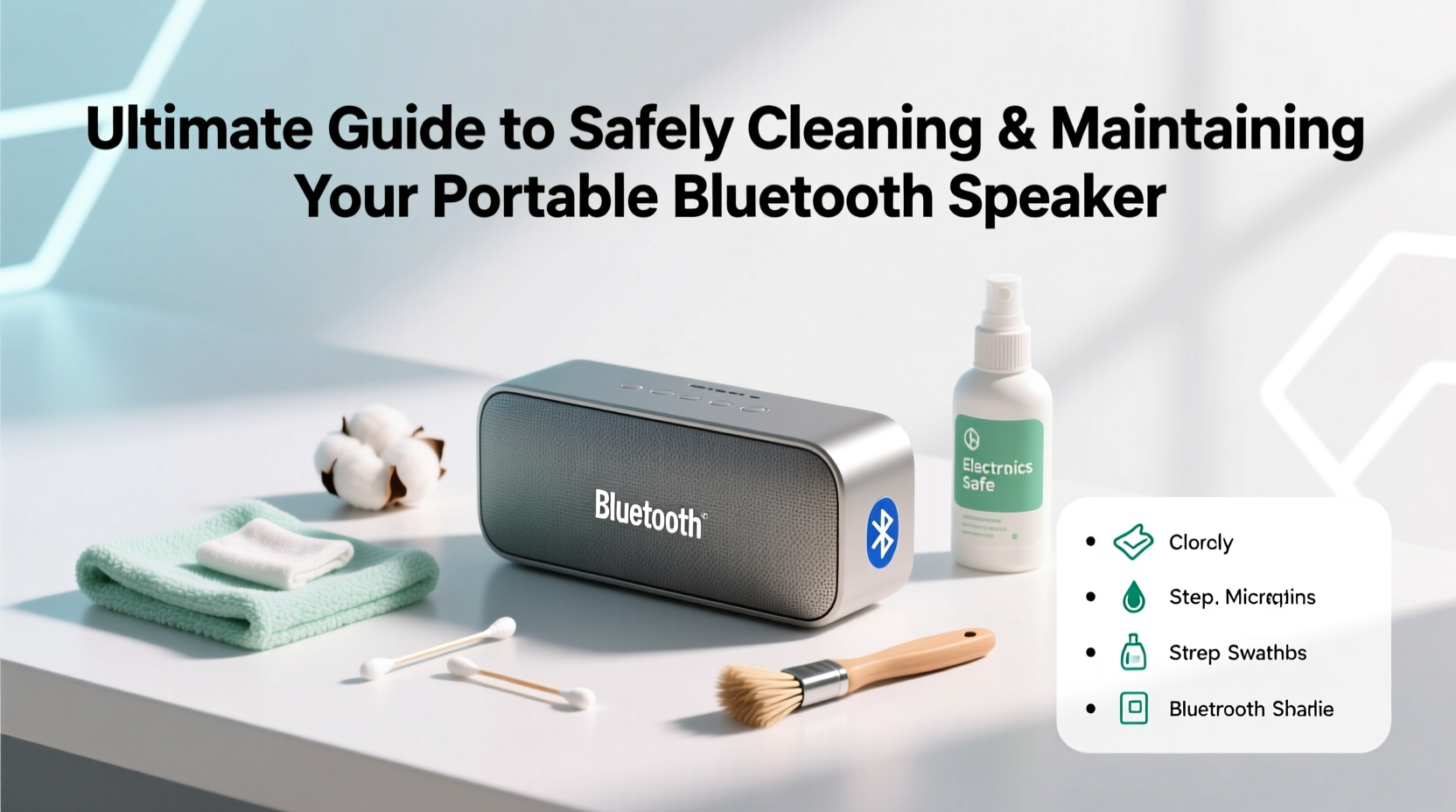
Most users assume that because a speaker is labeled \"waterproof\" or \"dust-resistant,\" it needs little upkeep. That’s a misconception. Even IP67-rated devices accumulate debris over time. Dust clogs speaker grilles, reducing sound clarity. Moisture trapped in ports can corrode internal components. Sweat and oils from hands accelerate material degradation. Over time, neglect leads to muffled audio, connectivity issues, or permanent failure.
Regular maintenance isn’t just about appearance—it directly impacts functionality. According to Dr. Lena Torres, an acoustics engineer at the Audio Technology Institute:
“Speaker drivers are precision instruments. Any obstruction on the diaphragm or grille alters frequency response. Keeping them clean preserves acoustic integrity.” — Dr. Lena Torres, Audio Technology Institute
A Step-by-Step Cleaning Routine
Cleaning your Bluetooth speaker should be quick, safe, and effective. Follow this six-step process every 4–6 weeks, or more frequently if used outdoors or in humid environments.
- Power Off and Disconnect: Always turn off the speaker and disconnect it from any device or power source before cleaning.
- Remove Surface Debris: Use a soft-bristle brush or dry microfiber cloth to gently sweep away dust, sand, or lint from the exterior and grille.
- Clean the Grille: Dampen a cotton swab with distilled water (not tap water) and lightly wipe the mesh. For stubborn buildup, mix one drop of mild dish soap with two tablespoons of water. Never spray liquid directly onto the speaker.
- Wipe the Body: Moisten a microfiber cloth with the same soapy solution and wipe down plastic, rubber, or metal surfaces. Avoid abrasive materials like paper towels.
- Dry Thoroughly: Allow the speaker to air-dry completely for at least 30 minutes in a well-ventilated area. Do not use heat sources like hairdryers.
- Inspect Ports: Use a dry toothbrush or compressed air to clear debris from charging, AUX, or reset ports. Never insert metal objects.
Do’s and Don’ts of Speaker Care
| Do’s | Don’ts |
|---|---|
| Use isopropyl alcohol (70%) on a cloth for disinfecting non-porous surfaces | Submerge non-waterproof speakers |
| Store in a ventilated pouch when not in use | Expose to direct sunlight for prolonged periods |
| Charge fully before long-term storage | Use bleach, ammonia, or window cleaners |
| Update firmware regularly via manufacturer app | Place on wet surfaces or near open flames |
| Check seals and gaskets monthly on rugged models | Ignore swelling batteries or distorted audio |
Maintenance Checklist for Long-Term Performance
To ensure your speaker remains functional and durable, perform these actions on a regular schedule:
- ✅ Weekly: Wipe down exterior with dry microfiber cloth
- ✅ Monthly: Clean grille and ports; inspect for damage
- ✅ Quarterly: Deep clean with mild soap solution; test all buttons
- ✅ Biannually: Check battery health (listen for rapid drain or shutdowns)
- ✅ Annually: Review manufacturer updates for software or recalls
- ✅ As needed: Replace worn straps, covers, or protective cases
Real-World Example: How Neglect Damaged a High-End Speaker
Mark, a frequent camper in the Pacific Northwest, relied on his premium Bluetooth speaker for weekend trips. Over eight months, he used it daily near lakes and campfires but never cleaned it beyond wiping mud with a damp towel. By autumn, the bass became weak, and the right channel cut out intermittently. He opened the grille (voiding the warranty) and found mold growth behind the mesh due to trapped moisture. The driver was corroded. A repair cost nearly half the price of a new unit.
His mistake? Assuming “rugged” meant “maintenance-free.” Had he dried the speaker properly after each use and cleaned the ports monthly, the issue could have been avoided entirely. This case underscores that environmental exposure demands proactive care—even for high-end gear.
Frequently Asked Questions
Can I use disinfectant wipes on my Bluetooth speaker?
Only if the wipe is alcohol-based (70% isopropyl) and used sparingly on non-porous surfaces like plastic or metal. Avoid contact with fabric grilles, rubber buttons, or charging ports. Always wring out excess moisture from the wipe before use.
How do I know if my speaker is truly waterproof?
Check the IP (Ingress Protection) rating. IPX7 means it can survive immersion in 1 meter of water for up to 30 minutes. IPX4 offers splash resistance only. Never assume waterproofing without verification in the manual or product specs.
What should I do if my speaker gets wet?
If waterproof, shake out excess water and let it air-dry upright for at least 24 hours. If not waterproof, power it off immediately, remove the battery if possible, and place it in a sealed container with silica gel packets for 48 hours. Do not charge until completely dry.
Extending Lifespan Through Smart Habits
Beyond cleaning, smart usage habits significantly extend speaker life. Store the device in a cool, dry place away from temperature extremes. Avoid leaving it in cars during summer—internal temperatures can exceed 140°F (60°C), damaging batteries and adhesives. When traveling, use a padded case to prevent impact damage.
Battery care is equally critical. Lithium-ion batteries degrade fastest when left at 0% or 100% charge for long periods. For storage exceeding three weeks, charge to 50% and power off. Recharge to 50% every 3–4 months to maintain cell health.
Additionally, keep firmware updated. Manufacturers often release patches that improve power management, Bluetooth stability, and audio processing. These updates can breathe new life into older models.
Conclusion
Your portable Bluetooth speaker is more than just a gadget—it’s a companion for music, memories, and moments. Treating it with consistent care ensures it stays loud, clear, and reliable for years. From gentle cleaning methods to disciplined storage and battery management, small actions compound into significant longevity. Don’t wait for distortion or failure to act. Start today: grab a microfiber cloth, review your speaker’s IP rating, and schedule your first maintenance session.




 浙公网安备
33010002000092号
浙公网安备
33010002000092号 浙B2-20120091-4
Comments
No comments yet. Why don't you start the discussion?