
A wallet is more than just a functional accessory—it’s a quiet statement of who you are. Whether tucked in a back pocket or pulled from a coat during a business meeting, it speaks volumes before a word is spoken. The right wallet doesn’t just hold cards and cash; it aligns with your aesthetic, supports your daily habits, and reflects the details you care about. From minimalist designers to vintage leather enthusiasts, choosing the ideal wallet requires thoughtful consideration of material, form, function, and personal identity.
Know Your Style Identity
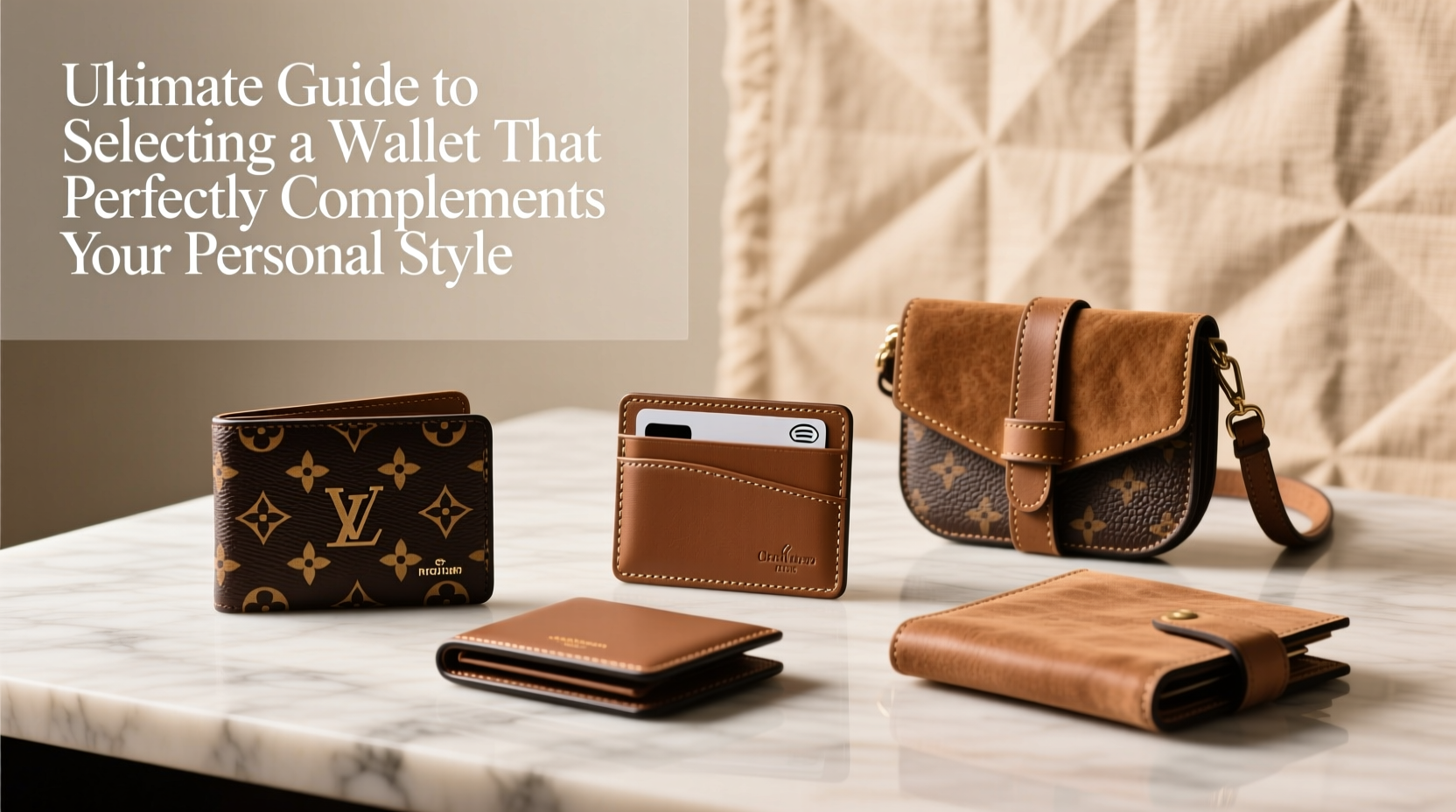
Before evaluating materials or features, define your personal style. Are you drawn to sleek, modern lines and understated elegance? Or do you favor rugged textures, rich patinas, and timeless craftsmanship? Understanding your sartorial personality helps narrow choices and prevents impulse buys that don’t resonate long-term.
Consider these common style archetypes:
- The Minimalist: Prefers slim profiles, neutral colors, and clean finishes. Functionality without distraction.
- The Classicist: Values tradition—think full-grain leather bi-folds, brass hardware, and subtle branding.
- The Modern Professional: Balances tech integration (like RFID protection) with tailored aesthetics suitable for office wear.
- The Adventurer: Seeks durability, weather resistance, and compact utility for active lifestyles.
Material Matters: Leather, Fabric, and Beyond
The material defines not only appearance but longevity and tactile experience. Each option carries distinct advantages and trade-offs.
| Material | Pros | Cons |
|---|---|---|
| Full-Grain Leather | Durable, develops rich patina over time, ages beautifully | Higher cost, heavier break-in period |
| Top-Grain Leather | Smoother finish, more affordable, still durable | Less natural texture, limited aging potential |
| Canvas/Nylon | Lightweight, water-resistant, ideal for casual or outdoor use | Can appear less refined, prone to fraying if low quality |
| Recycled Materials | Eco-friendly, innovative textures, growing popularity | Varied durability, limited availability |
| Exotic Skins (e.g., ostrich, alligator) | Luxurious look, unique texture, high status appeal | Expensive, ethical concerns, requires specialized care |
“Your wallet should feel like an extension of your hand—not a burden. The best materials age with you, gaining character rather than wear.” — Daniel Reeves, Accessory Designer & Founder of Thread & Hide
Size, Shape, and Functionality
No matter how stylish, a poorly designed wallet disrupts daily life. Consider how you carry it, what you carry, and how often you access its contents.
Common wallet types include:
- Bifold Wallet: Traditional fold-in-half design. Offers multiple card slots and a bill compartment. Ideal for those who carry cash regularly.
- Trifold Wallet: Extra fold provides more organization but can become bulky when full.
- Cardholder: Slim, minimalist option holding 4–6 cards. Best for digital-first users who rarely carry cash.
- Front-Pocket Wallet: Designed to be carried in front pants pockets, reducing back strain and pickpocket risk. Often made of metal or ultra-slim leather.
- Money Clip Wallet: Combines card storage with a magnetic or spring-loaded clip for bills. Popular among professionals seeking elegance and efficiency.
Real-Life Example: Choosing for Practicality and Personality
Take James, a 34-year-old architect based in Portland. His work alternates between client meetings in tailored wool coats and site visits in boots and jeans. He needed a wallet that transitioned seamlessly between environments. After testing several options, he settled on a vegetable-tanned bifold in dark walnut brown. It held eight cards, had a quick-access slot for his transit pass, and developed a soft sheen after six months of use. “It feels lived-in,” he says, “but never worn out. It matches my boots and doesn’t scream for attention.”
Design Details That Define Quality
Subtle craftsmanship cues separate mass-produced accessories from enduring pieces. Pay attention to:
- Stitching: Double or saddle stitching is stronger and more durable than machine zigzag. Look for even, tight seams.
- Edges: Burnished or painted edges indicate higher craftsmanship. Rough or peeling edges suggest lower-tier production.
- Lining: Microfiber or suede linings protect cards and resist tearing better than synthetic fabrics.
- Hardware: Brass or stainless steel snaps and zippers last longer and resist corrosion compared to plated zinc.
Also consider interior layout. Can you retrieve your ID or transit card without removing the wallet? Is there a dedicated coin compartment if you carry change? These nuances impact usability far more than initial appearances.
Step-by-Step: How to Choose Your Ideal Wallet
- Assess your carrying habits. Do you use Apple Pay or Google Wallet daily? Then a cardholder may suffice. Still rely on cash? Opt for a bifold with a spacious billfold.
- Measure your pocket space. Use a ruler to check depth and width. Standard back pockets accommodate up to 4.5” x 3.5” comfortably.
- Test weight. Hold sample wallets—especially metal ones. Some titanium models, though slim, feel unexpectedly dense.
- Check closure type. Zip-around wallets secure contents but slow access. Open-top designs offer speed but risk losing items if inverted.
- Verify authenticity and sourcing. Reputable brands provide transparency about leather origin, tanning methods, and manufacturing ethics.
Frequently Asked Questions
How often should I replace my wallet?
There’s no fixed timeline. A well-maintained full-grain leather wallet can last 5–10 years or more. Replace it when stitching loosens, leather cracks beyond repair, or functionality no longer meets your needs.
Are RFID-blocking wallets necessary?
For most users, the risk of electronic pickpocketing is low. However, if you travel frequently or carry sensitive cards, RFID protection adds peace of mind. Just ensure it doesn’t add unnecessary bulk.
Can a wallet be too small?
Yes. Overstuffing a slim wallet warps its shape and accelerates wear. Choose one that accommodates your essential items with slight room to grow—typically 6–8 cards and folded bills.
Your Wallet, Your Signature
Selecting the perfect wallet isn’t about chasing trends or brand names. It’s about alignment—between how you live, how you dress, and how you want to present yourself. The finest wallet isn’t the most expensive or the most advertised; it’s the one that feels inevitable in your hand, fits naturally in your pocket, and quietly earns compliments through its presence.
Start by defining what matters to you: durability, simplicity, sustainability, or sophistication. Then let those values guide your choice. Once you find it, care for it. Condition leather periodically, keep it free of excess moisture, and rotate occasionally if used daily. A great wallet isn’t just chosen—it’s cultivated.




 浙公网安备
33010002000092号
浙公网安备
33010002000092号 浙B2-20120091-4
Comments
No comments yet. Why don't you start the discussion?