
For students juggling notebooks, pens, art supplies, and textbooks, staying organized isn’t just helpful—it’s essential. One of the most effective tools for maintaining order is the humble canvas archive bag. Unlike flimsy plastic folders or overstuffed backpacks, a well-chosen canvas archive bag offers durability, structure, and smart storage. But not all bags are created equal. Selecting the right one requires careful consideration of material, size, compartments, and long-term usability. This guide walks through everything you need to know to find the ideal canvas archive bag that supports academic success while standing up to daily wear.
Why Canvas Archive Bags Are Ideal for Students
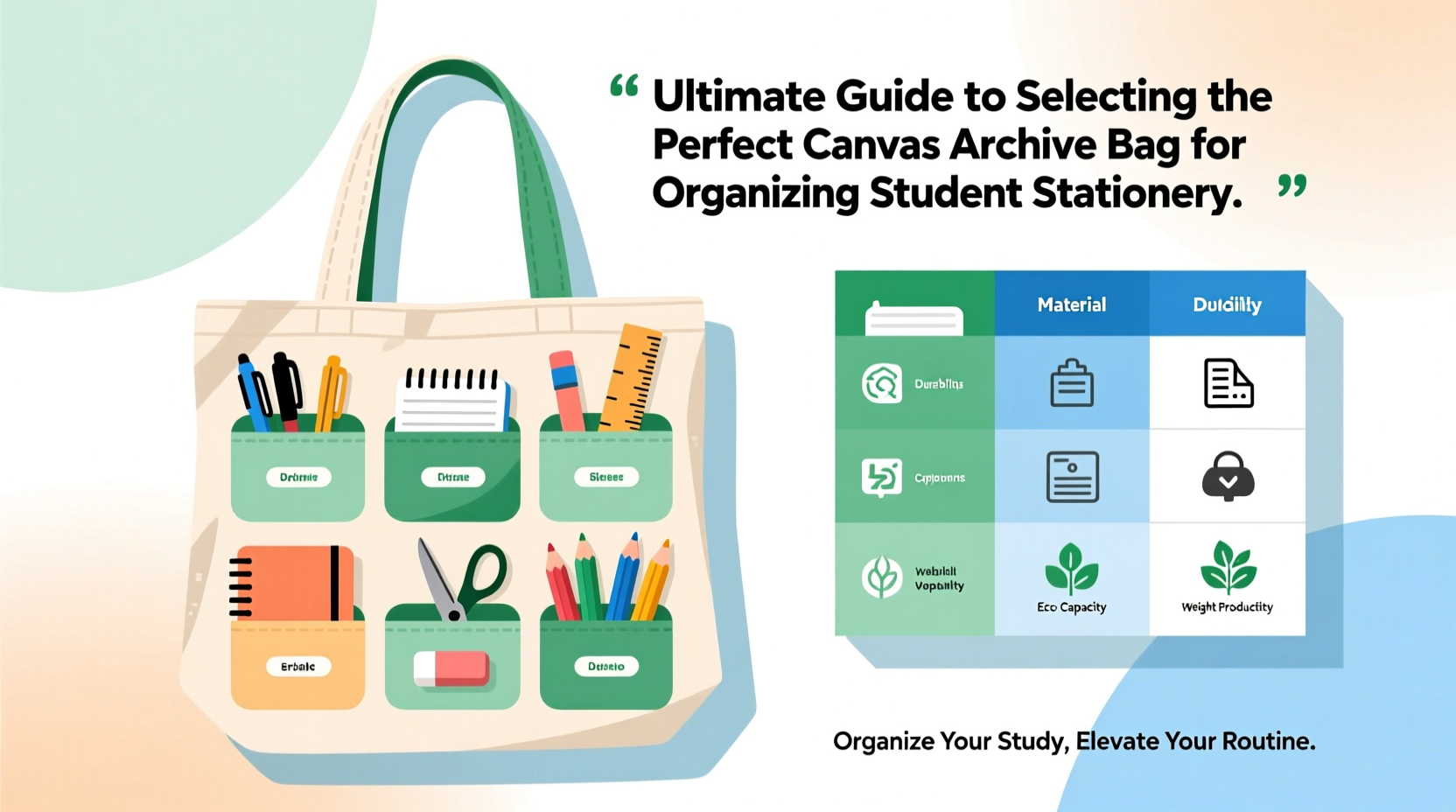
Canvas has long been favored for its strength and versatility. When used in archive bags, it provides a rugged yet lightweight solution for storing and transporting stationery, project materials, and even small electronics. The natural fibers resist tearing, and high-quality cotton canvas can withstand repeated use without fraying or losing shape.
Unlike synthetic alternatives, canvas breathes slightly, reducing moisture buildup that could damage paper or ink. It also ages gracefully—developing a lived-in look rather than appearing worn out. Many canvas archive bags are designed with reinforced stitching and heavy-duty zippers, making them ideal for carrying sharp pencils, glue sticks, scissors, and other items that might puncture lesser containers.
“Students who use structured, durable storage solutions report higher levels of preparedness and lower stress during exam periods.” — Dr. Lila Nguyen, Educational Psychologist
Key Features to Look For
Selecting the best canvas archive bag means evaluating several core features. Prioritize function over fashion, though many modern designs successfully blend both.
Durability and Material Quality
The weight of the canvas—measured in ounces per square yard—is a strong indicator of quality. Look for bags made from 10-ounce or heavier cotton canvas. Lighter weights may tear under pressure or degrade quickly. Double-stitched seams and bar-tacked stress points (like handles and zipper ends) add longevity.
Size and Capacity
A standard archive bag should comfortably fit letter-sized paper (8.5” x 11”) without folding. Common dimensions range from 12” x 15” to 14” x 18”. Consider whether you need extra depth—some bags offer 3”–5” gussets for bulkier contents like binders or art portfolios.
Interior Organization
Pockets make all the difference. A good bag includes at least one zippered interior pocket for valuables and multiple slip pockets for pens, rulers, flash drives, or sticky notes. Some advanced models feature padded sleeves for tablets or laptops up to 10 inches.
Handle and Closure Design
Top handles should be wide and reinforced for comfortable carrying. Shoulder straps—especially adjustable ones—add convenience when hands are full. As for closures, full-zip openings provide maximum access and security, while flap-and-snap styles offer quick entry but less protection against spills.
Comparison Table: What to Choose Based on Needs
| Student Type | Recommended Size | Must-Have Features | Best Use Case |
|---|---|---|---|
| High School Student | 12” x 15” | Multiple pen slots, front zip pocket | Daily class supplies, homework transport |
| Art & Design Student | 14” x 18” with gusset | Stiffened base, interior divider | Sketchbooks, markers, drawing tools |
| College Note-Taker | 13” x 16” with tablet sleeve | Padded compartment, RFID-safe pocket | Lecture notes, laptop, USB drives |
| Teacher or Tutor | 14” x 18” + shoulder strap | Dual compartments, external document sleeve | Grading materials, handouts, lesson plans |
Step-by-Step Guide to Choosing Your Bag
Finding the right bag doesn’t have to be overwhelming. Follow this practical sequence to ensure your selection meets real-world demands.
- Assess Your Stationery Load: Lay out everything you carry daily—paper, pens, calculator, etc.—and measure the total volume. This helps determine necessary size and pocket count.
- Check Compatibility with Backpacks or Lockers: If you store the bag in a locker or slide it into a larger backpack, confirm it fits without bending corners or straining zippers.
- Evaluate Carry Preferences: Do you prefer briefcase-style handles, a crossbody strap, or to tuck it inside another bag? Choose accordingly.
- Test Accessibility: Open the bag repeatedly. Is the main compartment easy to reach into? Are small items visible and retrievable?
- Inspect Brand Reputation: Research brands known for student gear—such as Timbuk2, Dakine, or Jansport—or sustainable makers like EcoBags and Baggu. Read verified reviews focusing on long-term durability.
- Consider Aesthetics and Personalization: While secondary, color and design impact motivation. Some brands offer monogramming or patch systems for personal expression.
Real-World Example: How Maya Streamlined Her Study Routine
Maya, a sophomore in environmental science, used to lose assignments between crumpled folders and overflowing backpack pockets. After switching to a 13” x 16” canvas archive bag with labeled interior sleeves, she noticed an immediate improvement. “I color-code my subjects and file completed work in the back section,” she says. “Now I never show up to class missing a lab report.” The bag’s water-resistant liner also saved her notes during a sudden downpour. Within a month, her professors commented on her increased consistency and preparedness.
Common Mistakes to Avoid
- Choosing Style Over Substance: A trendy print won’t help if the seams split after two weeks.
- Ignoring Weight Distribution: Overloading a bag with thin, weak handles causes strain and premature wear.
- Skipping Closure Security: Open-top bags risk losing contents when tipped over in transit.
- Forgetting Maintenance Needs: Canvas can stain; avoid placing damp items inside without wiping them down first.
Essential Checklist Before Buying
- ✅ Durable canvas (10 oz or heavier)
- Ensures resistance to tears and daily abrasion.
- ✅ Reinforced stitching at stress points
- Prevents seam failure at handles and zippers.
- ✅ Multiple internal pockets
- Keeps pens, chargers, and small items organized.
- ✅ Full-length zipper or secure flap
- Protects contents from falling out or getting damaged.
- ✅ Fits standard paper size without folding
- Maintains document integrity and readability.
- ✅ Comfortable carry options
- Handles or strap suitable for your typical load.
- ✅ Easy to clean surface
- Smooth finish resists ink stains and grime buildup.
Frequently Asked Questions
Can I use a canvas archive bag for digital devices?
Yes, provided it has a padded sleeve or protective lining. Never place unprotected electronics directly against metal zippers or rough fabric. Look for models with dedicated tech compartments rated for devices up to 10.5 inches.
How do I prevent my bag from smelling over time?
Canvas can absorb odors from erasers, glue, or food residue. Air it out weekly by opening it fully in a ventilated area. Occasionally wipe the interior with a cloth dampened with vinegar-water solution (1:3 ratio), then let it dry completely before reuse.
Are eco-friendly canvas bags worth the extra cost?
Often, yes. Organic cotton and low-impact dyes reduce environmental harm, and ethical production typically correlates with better craftsmanship. These bags tend to last longer, offering better value over time despite higher upfront prices.
Final Thoughts: Make Organization Work for You
The right canvas archive bag does more than hold stationery—it creates a system. When every pencil, notebook, and permission slip has a designated place, mental clutter decreases and focus increases. Investing time in selecting the perfect bag pays dividends in efficiency, confidence, and academic performance. Don’t settle for something that merely looks good. Choose one built to endure, designed to organize, and tailored to your daily rhythm.




 浙公网安备
33010002000092号
浙公网安备
33010002000092号 浙B2-20120091-4
Comments
No comments yet. Why don't you start the discussion?