
Spices are the soul of flavor in cooking—transforming simple ingredients into vibrant, aromatic dishes. Yet, their potency fades over time, and improper storage accelerates this decline. Most home cooks assume spices last indefinitely, but using stale or degraded seasonings can dull even the most carefully prepared meals. Understanding the true shelf life of spices and mastering proper storage techniques is essential for preserving taste, aroma, and culinary effectiveness. This guide delivers science-backed insights, practical strategies, and expert recommendations to help you maintain peak spice quality, avoid waste, and cook with confidence.
Definition & Overview
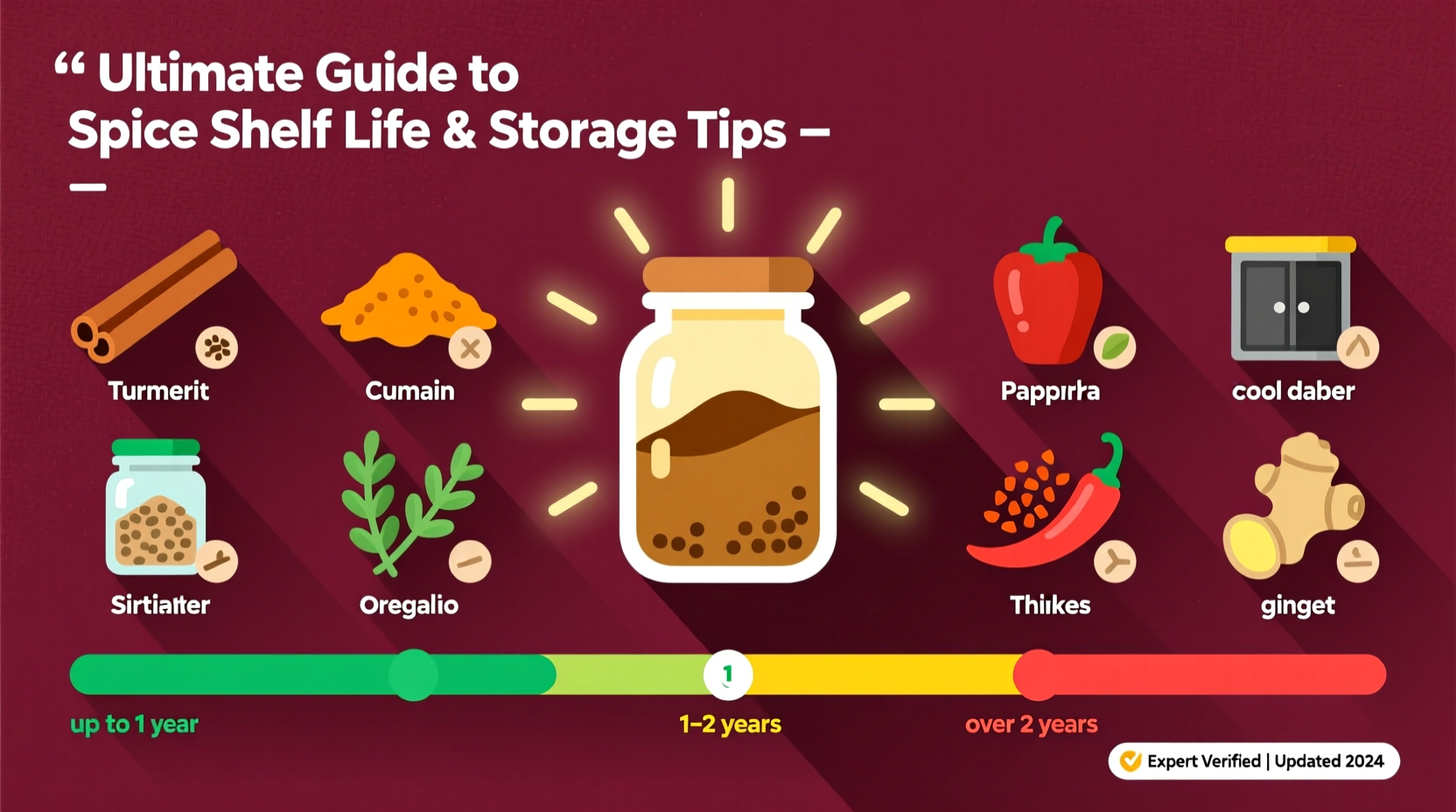
Spices are concentrated plant-derived substances used to enhance the flavor, color, and aroma of food. Unlike herbs—which come from the leafy green parts of plants—spices originate from seeds, bark, roots, buds, or fruits. Common examples include cinnamon (bark), cumin (seed), turmeric (root), cloves (bud), and black pepper (fruit). Harvested globally in tropical and subtropical regions, spices have shaped trade routes, cuisines, and preservation methods for millennia.
Their value lies not only in flavor but also in natural antimicrobial and antioxidant properties. However, once ground or exposed to environmental factors, their volatile oils begin to degrade. This chemical breakdown directly impacts potency, requiring cooks to use more—often compromising balance—to achieve the desired effect. Recognizing that spices are perishable, not permanent, is the first step toward better seasoning practices.
Key Characteristics of Common Spices
Each spice has a unique composition affecting its stability, flavor profile, and lifespan. The following table outlines essential characteristics including form, primary flavor, heat level, and average shelf life under optimal conditions:
| Spice | Form | Flavor Profile | Heat Level (Scoville or Relative) | Whole Shelf Life | Ground Shelf Life |
|---|---|---|---|---|---|
| Cinnamon | Bark | Warm, sweet, woody | Low | 4 years | 2–3 years |
| Cumin | Seed | Earthy, nutty, slightly pungent | Low | 4 years | 2–3 years |
| Black Pepper | Fruit (dried berry) | Pungent, sharp, mildly floral | Moderate (10,000 SHU) | 5+ years | 3–4 years |
| Paprika | Ground pepper pod | Sweet, smoky, earthy | Varies: Sweet (0), Hot (5,000–30,000 SHU) | N/A (typically sold ground) | 2–3 years |
| Turmeric | Root (rhizome) | Earthy, bitter, slightly peppery | Low | 3–4 years (as whole root dried) | 2–3 years |
| Cloves | Dried flower bud | Strong, sweet, medicinal | Moderate (800,000–1,000,000 SHU) | 4+ years | 2 years |
| Nutmeg | Seed | Warm, sweet, nutty | Low | 5+ years (whole) | 2–3 years (ground) |
| Chili Powder | Blend (usually ground chilies + cumin, garlic) | Spicy, earthy, tangy | Varies (1,000–50,000 SHU) | N/A | 1.5–2 years |
Note: Whole spices retain volatile oils far longer than ground versions due to reduced surface area exposure. For maximum freshness, grinding spices just before use is ideal.
Practical Usage: Maximizing Flavor Through Proper Handling
The way spices are used in cooking significantly affects their impact. Heat, timing, and preparation method determine whether they bloom with complexity or fade into the background.
Dry Toasting: Lightly heating whole or ground spices in a dry skillet for 1–3 minutes intensifies aroma and deepens flavor. Cumin seeds, coriander, and fennel benefit particularly. Shake the pan constantly to prevent burning—once smoke appears, remove immediately.
Bloom in Oil: Adding ground spices to hot oil at the start of sautéing (common in Indian and Middle Eastern cooking) unlocks fat-soluble compounds. Turmeric, paprika, and chili powder release fuller flavor when bloomed for 30–60 seconds before adding liquids.
Finishing Touch: Delicate spices like sumac, smoked paprika, or freshly cracked pepper are best added at the end of cooking to preserve volatile top notes.
Grinding On-Demand: A dedicated spice grinder or mortar and pestle ensures maximum potency. Pre-ground cinnamon loses 75% of its cinnamaldehyde—the key aromatic compound—within six months, while whole sticks retain it much longer.
Pro Tip: Store frequently used whole spices near your stove (in opaque containers) and reserve a small glass jar of freshly ground spice for daily use. Replenish the ground supply weekly to ensure peak performance.
Variants & Types: Choosing the Right Form
Spices appear in multiple forms, each suited to different culinary applications. Understanding these variations helps optimize both shelf life and flavor delivery.
- Whole vs. Ground: Whole spices last significantly longer. Black peppercorns retain pungency for five years; ground pepper begins fading within 18 months. Whenever possible, buy whole and grind as needed.
- Smoked vs. Raw: Smoked paprika (pimentón) offers a deep, campfire-like richness absent in sweet or hot varieties. Similarly, smoked sea salt or chipotle powder adds dimension not found in standard versions.
- Blends vs. Single Spices: Pre-mixed blends like curry powder, garam masala, or herbes de Provence contain multiple components with varying degradation rates. As one ingredient fades faster, the overall balance shifts. Homemade blends, used quickly, offer superior control.
- Fresh vs. Dried: While less common, fresh spices like ginger, turmeric root, or green cardamom pods deliver brighter, juicier notes. These require refrigeration and last 2–4 weeks, making them seasonal luxuries rather than pantry staples.
A comparison of common forms:
| Form | Best For | Lifespan | Storage Requirement |
|---|---|---|---|
| Whole Seeds (e.g., cumin, mustard) | Toasting, pickling, long simmers | 3–5 years | Airtight, cool, dark |
| Ground Spices | Rubbed on meats, mixed into batters, soups | 1.5–3 years | Airtight, away from light/heat |
| Sticks/Bark (e.g., cinnamon, cassia) | Braising liquids, mulled wine, rice dishes | 4+ years | Sealed container |
| Resins (e.g., asafoetida) | Dal, lentil dishes (used sparingly) | 2 years (longer if pure resin) | Airtight, refrigerated after opening |
Comparison with Similar Ingredients
Confusion between similar-looking or named spices leads to recipe failures. Clarifying distinctions ensures accurate usage and prevents off-flavors.
- Cinnamon vs. Cassia: True cinnamon (Ceylon) is thin, layered bark with a delicate, citrusy sweetness. Cassia, commonly sold as “cinnamon” in North America, is thicker, stronger, and contains higher levels of coumarin—a compound toxic in large amounts. For daily use, especially in children or sensitive individuals, Ceylon is safer.
- Paprika vs. Chili Powder: Paprika is made solely from ground sweet or smoked peppers. Chili powder is typically a blend containing paprika, cumin, oregano, and garlic. Substituting one for the other alters flavor balance significantly.
- Ground Coriander vs. Cumin: Both are tan powders from seeds, but coriander is citrusy and floral, while cumin is earthy and robust. They are often paired but not interchangeable.
- Herbs vs. Spices: Dill, thyme, and oregano are herbs (leaf-based); they lose potency faster than most spices. Dried herbs last 1–3 years; fresh ones days to weeks.
\"The difference between a good dish and a great one often comes down to spice freshness. I test my ground spices every three months—if the aroma isn’t strong when I open the jar, I replace them.\" — Chef Elena Ruiz, Culinary Instructor, International School of Gastronomy
Practical Tips & FAQs
How do I know if a spice has gone bad?
Spices rarely spoil in a microbial sense but lose potency. Signs include faded color, weak or musty aroma, and failure to release scent when rubbed between fingers. Taste a tiny amount: flat, dusty, or bitter notes indicate degradation. Oily residues or clumping suggest moisture exposure and potential mold—discard immediately.
What is the best way to store spices?
Follow the four enemies rule: avoid heat, light, air, and moisture. Store in airtight glass or metal containers away from the stove, oven, or dishwasher. Use opaque jars or keep clear ones in a closed cabinet. Never store spices above the range—temperature fluctuations degrade oils rapidly.
Should I refrigerate spices?
No, except for rare cases like pure asafoetida or homemade blends with garlic/onion powder. Refrigeration introduces condensation, which promotes clumping and mold. Keep dry spices in a cool, stable environment instead.
Can I freeze spices?
Freezing is unnecessary for most dry spices and risks moisture absorption upon thawing. However, freezing whole nutmeg or large quantities of hard-to-find spices (e.g., grains of paradise) for long-term backup storage (up to 10 years) is viable if sealed in vacuum or double-wrapped.
Do expiration dates on spice jars matter?
“Best by” dates are conservative estimates. Actual shelf life depends on storage. A well-preserved ground spice may outlast its date by a year; a poorly stored one may degrade in months. Use sensory evaluation—not labels—as the final judge.
What’s the best container for spice storage?
Glass amber jars with tight-sealing lids are ideal. Stainless steel tins work well too. Avoid plastic—it can absorb odors and leach chemicals over time. Label containers with purchase or opening date using masking tape or waterproof markers.
How often should I replace my spices?
Use this checklist:
- Ground spices: Replace every 2–3 years
- Whole spices: Replace every 4–5 years
- Blends (curry, chili, seasoning salts): Replace every 1.5–2 years
- Red spices (paprika, chili, turmeric): Prone to oxidation—replace within 2 years even if stored well
Can old spices make me sick?
Not typically. Degraded spices lack flavor and health benefits (like antioxidants in turmeric) but aren’t hazardous unless contaminated with mold or insects. Discard any spice with visible fuzz, bugs, or sour smell.
Are there any spices that improve with age?
No. Unlike wine or cheese, spices do not mellow or develop complexity over time. Their organic compounds break down, leading to diminished aroma and flavor. Freshness is always preferable.
Is it worth buying organic spices?
Yes, especially for spices prone to irradiation or fumigation (e.g., black pepper, paprika). Organic certification ensures no synthetic pesticides and often indicates better sourcing and handling. Look for USDA Organic or EU Organic labels.
Quick Freshness Test: Place a small pinch of ground spice in a spoon, warm gently over a flame or with fingers, then inhale deeply. If the aroma is faint or stale, it's time to replace it.
Summary & Key Takeaways
Spices are dynamic, perishable ingredients that demand thoughtful storage and regular evaluation. Treating them as permanent fixtures leads to bland, inconsistent results. By understanding their origins, forms, and degradation patterns, cooks can preserve potency and elevate everyday meals.
Key actions to implement immediately:
- Transfer spices from paper packets or thin plastic into airtight, opaque containers.
- Store away from heat sources—ideally in a dark cabinet at room temperature.
- Label all containers with purchase or opening date.
- Buy whole spices whenever possible and grind in small batches.
- Perform a quarterly sensory audit: smell, look, and taste-test older spices.
- Replace red-colored spices (paprika, chili, turmeric) every two years due to rapid oxidation.
Investing in high-quality, properly stored spices transforms cooking from routine to revelatory. Flavor becomes vibrant, dishes gain authenticity, and seasoning becomes intuitive. Treat your spice collection not as a static pantry item, but as a living toolkit—curated, maintained, and ready to inspire.
Call to Action: Audit your spice drawer this week. Sort by category, check dates, perform a smell test, and organize by frequency of use. Replace three key spices you use often—like cumin, paprika, or cinnamon—with fresh, whole versions. Notice the difference in your next meal.




 浙公网安备
33010002000092号
浙公网安备
33010002000092号 浙B2-20120091-4
Comments
No comments yet. Why don't you start the discussion?