
Streaming chess has evolved from a niche hobby into a dynamic form of entertainment and education. Platforms like Chess.com have made it easier than ever to broadcast your games, share insights, and build a loyal community. But standing out in a growing field requires more than just hitting “Go Live.” It demands strategy, consistency, and an understanding of both the platform and your audience. Whether you're a beginner looking to share your journey or an experienced player aiming to teach and entertain, this guide delivers actionable steps to elevate your streams and grow your presence on Chess.com.
Optimize Your Streaming Setup for Maximum Engagement
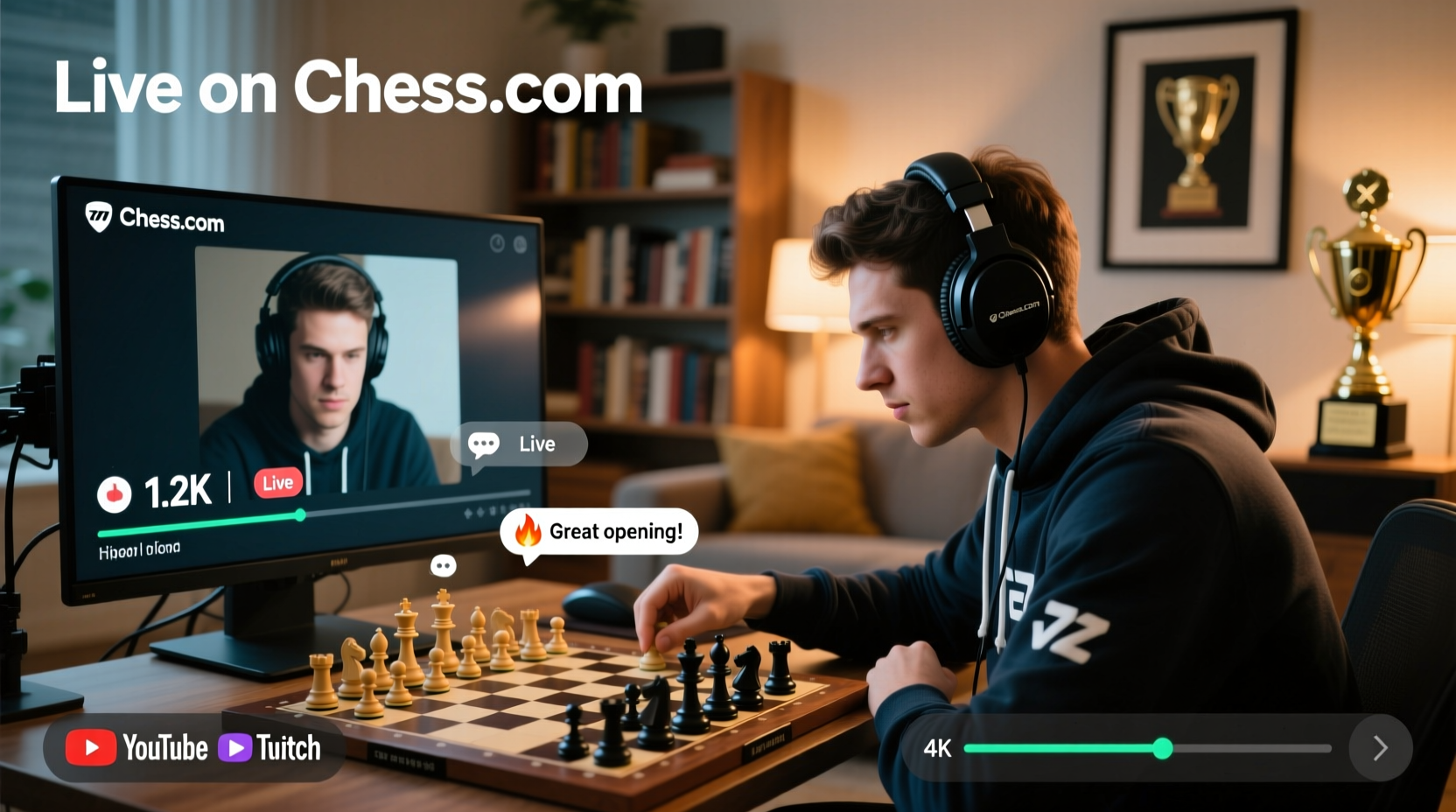
Your technical setup is the foundation of every successful stream. Viewers stay longer when audio is crisp, visuals are clear, and gameplay flows smoothly. While high-end gear helps, even budget-friendly tools can deliver professional results with the right configuration.
Start with a reliable internet connection—upload speeds of at least 5 Mbps ensure stable streaming. Use wired Ethernet instead of Wi-Fi whenever possible to minimize lag. For audio, a USB condenser microphone (like the Audio-Technica AT2020) significantly improves clarity over built-in laptop mics. If using a webcam, position it at eye level and ensure adequate lighting—natural light or a soft ring light works best.
Chess.com’s built-in streaming tool integrates directly with your account, eliminating the need for third-party software like OBS for basic streams. However, advanced streamers often use OBS Studio to layer webcams, overlays, alerts, and multiple browser sources for a polished look.
Build and Retain Your Audience with Purposeful Content
Growing a following doesn’t happen overnight. It hinges on delivering value consistently. Ask yourself: Why should someone watch you instead of another streamer? The answer lies in your unique angle—your personality, teaching style, humor, or analytical depth.
- Define your niche: Are you coaching beginners? Analyzing grandmaster games? Hosting fun bullet challenges?
- Set a consistent streaming schedule. Followers are more likely to return if they know when to expect you.
- Engage with chat actively. Acknowledge new viewers, answer questions, and encourage participation.
- Use descriptive titles: “Blunder Battle: Can I Survive 10 Minutes of Bullet Chess?” performs better than “Live Chess.”
“Authenticity wins every time. People don’t follow perfect players—they follow relatable personalities who make them feel part of the game.” — Alexandra \"ChessQueen\" Rivera, Top 100 Chess.com Streamer
Interactivity keeps viewers engaged. Polls (“Which opening should I try next?”), Q&A segments, and viewer-vs-streamer games foster community. Over time, regulars become advocates who share your channel organically.
Step-by-Step Guide to Launching Your First Pro-Level Stream
Follow this timeline to go from idea to execution in under a week:
- Day 1: Audit your current tech setup. Test mic, camera, and internet speed. Install OBS if needed.
- Day 2: Define your stream’s theme and target audience. Write three potential stream titles.
- Day 3: Design a simple overlay (use free templates from Placeit or Canva). Include your name, social handles, and a donate button if applicable.
- Day 4: Schedule your first stream on Chess.com. Announce it on Twitter/X, Reddit (r/chess), and Discord communities.
- Day 5: Run a 30-minute test stream with no audience. Review playback for audio sync, video clarity, and interface layout.
- Day 6: Go live! Keep the energy high, talk through your moves, and welcome viewers by name.
- Day 7: Review analytics. Note peak viewer count, average watch time, and chat activity. Adjust accordingly.
Do’s and Don’ts of Chess Streaming
| Do’s | Don’ts |
|---|---|
| Explain your thought process during games | Rely solely on silence while playing |
| Stream consistently (3–4 times per week) | Go live sporadically without notice |
| Use engaging thumbnails and titles | Use vague titles like “Playing Chess” |
| Encourage viewer interaction with questions | Ignore chat messages or new followers |
| Collaborate with other streamers | Copy others’ content or stream layouts |
Real Example: How “PawnBreak” Grew from 10 to 5,000 Followers in 4 Months
Jamal, a 22-year-old club player from Atlanta, started streaming under the name “PawnBreak” with no audience and a $50 headset. His first few streams attracted fewer than five viewers. Instead of quitting, he analyzed what worked. He noticed that his most-watched clip was a 12-minute breakdown of a blunder in a rapid game where he explained the tactical oversight clearly and humorously.
He pivoted: every stream now includes a “Blunder Clinic” segment where he reviews one mistake from his recent games. He also began hosting weekly “Viewer Blitz Nights,” inviting followers to challenge him. By promoting these events across chess Discord servers and tagging @Chesscom on X, his average viewer count rose from 3 to over 200. Within four months, he hit 5,000 followers and was invited to co-commentate a Chess.com tournament qualifier.
Jamal’s success wasn’t due to rating or equipment—it came from structure, consistency, and community focus.
Essential Checklist for Every Chess Streamer
- ✅ Test internet speed and close bandwidth-heavy apps
- ✅ Check microphone levels and mute background apps
- ✅ Set a clear stream title and thumbnail
- ✅ Open chat window or moderation tool
- ✅ Have 2–3 talking points or segments ready
- ✅ Share stream link on social media 30 minutes before start
- ✅ Thank viewers and announce next stream at the end
Frequently Asked Questions
Can I stream on Chess.com without a premium account?
Yes. Anyone with a free Chess.com account can go live. However, premium members enjoy benefits like ad-free viewing, advanced analytics, and priority support, which can enhance long-term growth.
How do I prevent spoilers during tournaments?
Avoid watching ongoing elite events live if you plan to discuss them. Use delayed broadcasts or post-game analysis. Clearly label spoiler content in your stream title and warn viewers at the start.
Is it okay to stream games from other platforms on Chess.com?
Chess.com only allows streaming of games played on its platform. Broadcasting games from Lichess, FIDE events, or other sites may violate terms of service. Stick to your own Chess.com games for compliance.
Final Tips for Long-Term Growth
Success in chess streaming isn’t measured by rating or trophies—it’s measured by impact. The most influential streamers aren’t always the strongest players; they’re the ones who make others feel welcome, informed, and inspired.
Focus on incremental improvements: better audio this month, a new segment next month, guest appearances the month after. Cross-promote with educators, puzzle creators, or local clubs. Save highlights and upload clips to YouTube Shorts or TikTok with quick lessons like “How I Missed a Mate in Two.” Repurposing content extends your reach far beyond live viewers.
Remember: every grandmaster was once a beginner. Your journey, warts and all, is valuable. Share it honestly, engage authentically, and prioritize connection over perfection.




 浙公网安备
33010002000092号
浙公网安备
33010002000092号 浙B2-20120091-4
Comments
No comments yet. Why don't you start the discussion?