
Essential oil diffusers are more than just decorative home accessories—they’re tools for wellness, relaxation, and atmosphere enhancement. But one common frustration users face is a short-lived aroma that fades too quickly. Whether you're using lavender for sleep or citrus for energy, getting the most out of your oils means maximizing both their potency and longevity. The good news? With the right techniques, you can significantly extend the life and strength of your essential oil fragrance in any diffuser.
Choose High-Quality Essential Oils
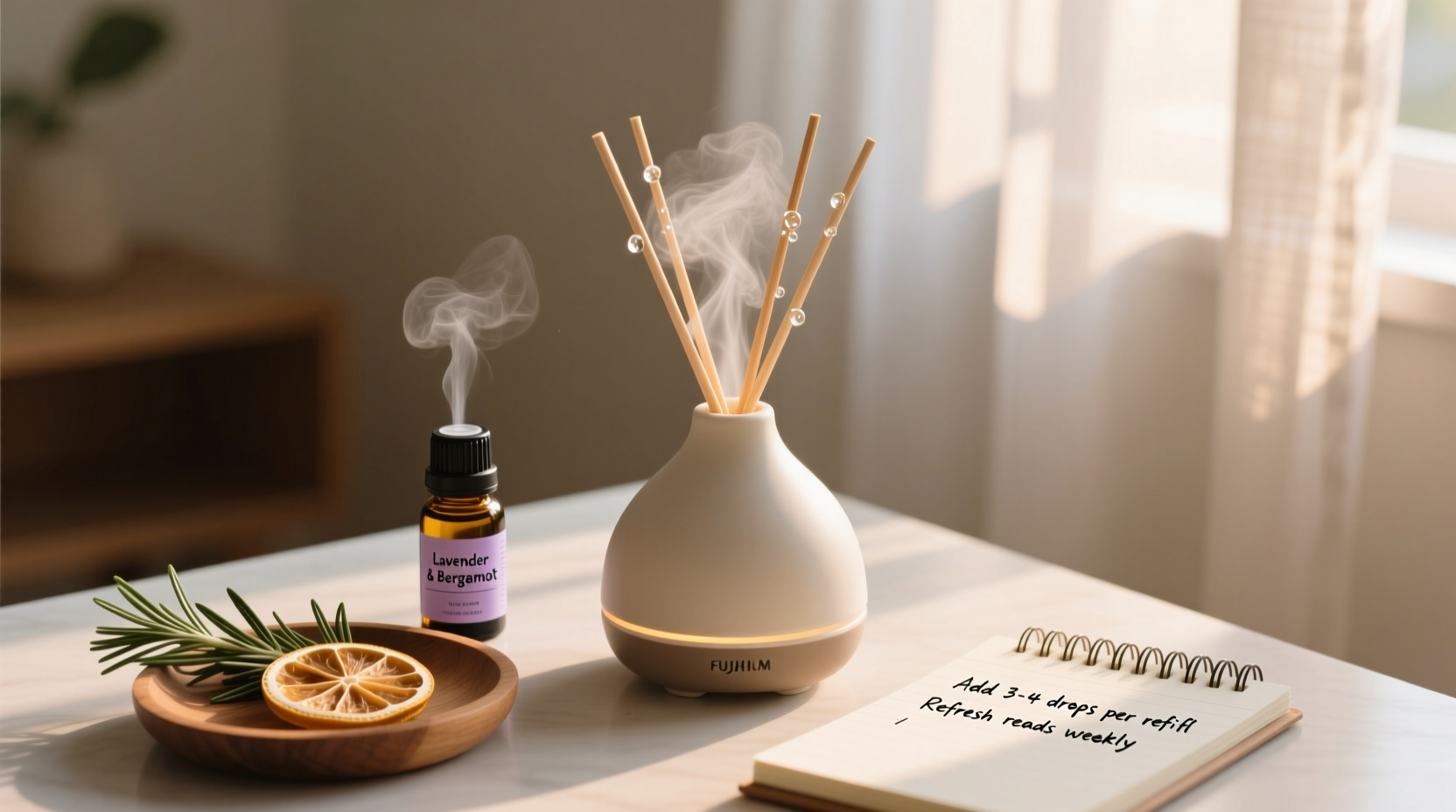
The foundation of a long-lasting scent begins with the oil itself. Not all essential oils are created equal. Lower-grade blends often contain fillers, synthetic additives, or diluted concentrations that evaporate faster and offer weaker aroma profiles.
Pure, therapeutic-grade essential oils—especially those derived from plants grown in optimal conditions—retain their volatile compounds longer, resulting in a richer, more enduring fragrance. Look for oils labeled as 100% pure, with transparent sourcing information and GC/MS (gas chromatography/mass spectrometry) testing results when possible.
“High-quality essential oils have a balanced terpene profile, which directly influences how long the scent lingers in the air.” — Dr. Lena Torres, Aromatherapy Researcher & Educator
Optimize Your Diffuser Settings and Usage
Your diffuser’s settings play a critical role in fragrance duration. Most ultrasonic diffusers come with intermittent mist modes (e.g., 30 seconds on, 30 seconds off), which help conserve both water and oil while maintaining consistent scent dispersion.
Rather than running your diffuser continuously for hours, use shorter cycles spread throughout the day. Continuous operation not only depletes oil faster but can also lead to olfactory fatigue—where your nose becomes desensitized to the aroma, making it seem like the scent has disappeared.
Recommended Diffusion Schedule
- Run for 30–60 minutes during peak times (morning, evening).
- Allow a 30–60 minute break between sessions.
- Limited to 3–4 sessions per day in well-ventilated spaces.
Balance Oil Blends for Longevity
Fragrance longevity depends on the volatility of individual oil components. Perfumers classify scents into top, middle (heart), and base notes based on evaporation speed.
- Top Notes: Citrus, peppermint, eucalyptus – evaporate quickly, provide immediate impact.
- Middle Notes: Lavender, rosemary, chamomile – form the core of the blend, last longer than top notes.
- Base Notes: Patchouli, sandalwood, cedarwood – slowest to evaporate, anchor the fragrance.
To prolong scent, always include at least one base note in your blend. For example, pairing lemon (top) with lavender (middle) and cedarwood (base) creates a layered aroma that unfolds over time and lasts significantly longer than single-note diffusion.
Do’s and Don’ts of Oil Blending
| Do | Don’t |
|---|---|
| Combine 2–3 different note types for balance | Use only top-note oils like citrus or mint |
| Add 1–2 drops of base oil per 5 drops of top oil | Overload the diffuser beyond recommended capacity |
| Test blends in small batches first | Mix photosensitive oils (like bergamot) before sun exposure |
Maintain Your Diffuser Regularly
A clean diffuser performs better. Over time, residual oils coat the internal mechanism and nozzle, reducing mist efficiency and altering scent output. Thick buildup can even cause motor strain or inconsistent dispersion.
Mineral deposits from tap water and oil residue combine to clog the ultrasonic plate, weakening vapor production and muting fragrance intensity. Cleaning once every 3–5 uses ensures optimal performance.
Step-by-Step Cleaning Guide
- Unplug the diffuser and empty remaining water and oil.
- Fill the tank halfway with white vinegar or rubbing alcohol.
- Add a few drops of dish soap if there’s visible oil film. <4>Let sit for 10–15 minutes to dissolve residue.
- Use a soft cotton swab or brush to gently clean the nozzle and interior walls.
- Rinse thoroughly with distilled water.
- Wipe dry and allow to air-dry completely before reuse.
Environmental Factors That Affect Scent Duration
Even with high-quality oils and a clean diffuser, environmental conditions can shorten fragrance life. Airflow, humidity, temperature, and room size all influence how long an aroma lingers.
- Ventilation: Open windows or strong HVAC systems disperse scent rapidly. Use diffusers in enclosed spaces for best results.
- Humidity: Ultrasonic diffusers work best in moderate humidity (40–60%). Extremely dry air may cause faster evaporation; overly humid air can mute scent projection.
- Room Size: Small rooms concentrate fragrance; large spaces require longer or repeated diffusion cycles.
- Temperature: Warm rooms increase volatility, causing oils to dissipate faster. Cooler environments preserve scent but may reduce diffusion power.
For larger areas, consider placing multiple smaller diffusers strategically rather than overloading one unit. This maintains balanced distribution without compromising oil integrity.
Real Example: Office Aroma Optimization
Sarah, a wellness consultant, struggled with her diffuser’s scent vanishing within 20 minutes in her open-plan office. After switching from a lemon-peppermint blend (all top notes) to a custom mix of orange (top), frankincense (middle), and vetiver (base), and moving the diffuser away from the AC vent, she noticed the fragrance lasted over two hours. She also began using 15-minute intervals every hour, preventing scent fatigue among colleagues. The result? Improved mood and focus across her team with less oil consumption.
Checklist: Maximizing Essential Oil Fragrance Life
- ✅ Use 100% pure, undiluted essential oils from reputable brands
- ✅ Blend top, middle, and base notes for layered, lasting aroma
- ✅ Clean your diffuser every 3–5 uses
- ✅ Use distilled water to prevent mineral buildup
- ✅ Operate in intermittent mode, not continuous
- ✅ Diffuse in enclosed, moderately sized rooms
- ✅ Avoid direct airflow from fans or vents
- ✅ Store oils in cool, dark places with tight lids
FAQ
How many drops of essential oil should I use in my diffuser?
Most manufacturers recommend 3–6 drops for a standard 100ml diffuser. Start with 3 drops and add more if needed. Overuse can overwhelm the senses and shorten overall oil supply.
Can I mix different essential oils together safely?
Yes, most essential oils can be blended, but always research compatibility. Some combinations may irritate skin or respiratory systems. When in doubt, stick to known synergistic blends like lavender + bergamot or tea tree + eucalyptus.
Why does my diffuser smell weak after a few minutes?
This could be due to using only top-note oils, a dirty diffuser, excessive ventilation, or olfactory fatigue. Try incorporating base notes, cleaning the unit, or taking breaks between sessions to reset your sense of smell.
Final Thoughts
Extending the fragrance of essential oils isn’t about using more—it’s about using smarter. From selecting premium oils to blending strategically and maintaining your equipment, each step contributes to a more powerful and enduring aromatic experience. These practices don’t just save money; they deepen your connection to aromatherapy by ensuring every drop delivers its full potential.




 浙公网安备
33010002000092号
浙公网安备
33010002000092号 浙B2-20120091-4
Comments
No comments yet. Why don't you start the discussion?