
The word chipotle often appears on spice racks, restaurant menus, and recipe blogs, yet many home cooks misunderstand its true nature. It’s not just a smoky chili or a trendy ingredient—it’s a centuries-old element of Mexican culinary tradition with a distinct transformation process and bold flavor. Knowing what chipotle actually is—and where it comes from—can elevate everything from stews and salsas to marinades and rubs. This guide clarifies the meaning of \"chipotle,\" traces its historical roots, explains its sensory characteristics, and provides practical insight into using it confidently in modern kitchens.
Definition & Overview
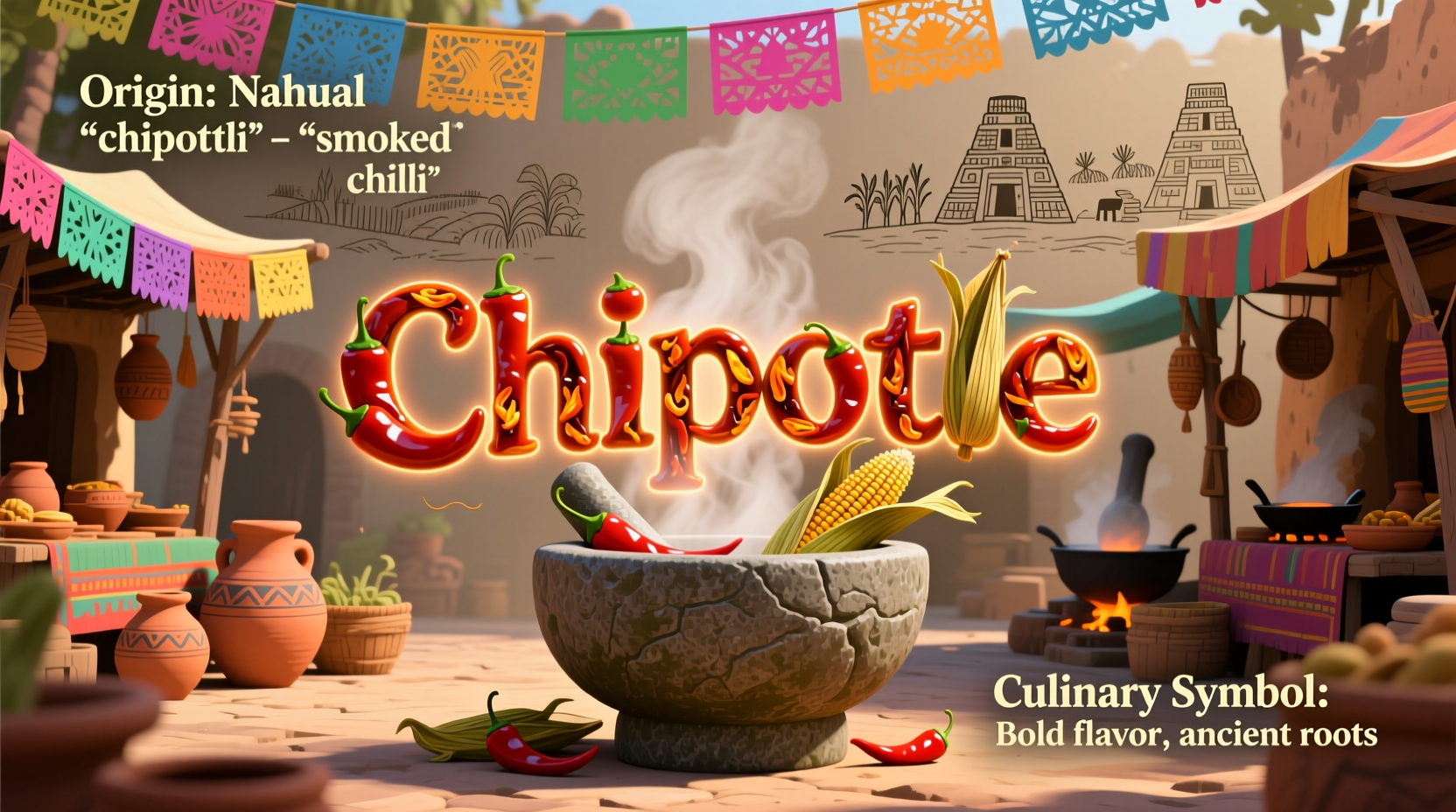
Chipotle (pronounced chi-POH-tlay) refers to a smoke-dried ripe jalapeño pepper. The term originates from the Nahuatl language spoken by the Aztecs: chilpoctli, a compound of chilli (pepper) and poctli (smoked). Thus, “smoked chili” is the literal translation—a definition that remains accurate today. Unlike fresh peppers added for heat, chipotles are valued for their deep, complex flavor: a balance of earthy smoke, moderate heat, and subtle sweetness derived from slow drying over wood fires.
While jalapeños are typically harvested green, those destined to become chipotles are allowed to ripen fully on the plant until they turn red. After ripening, they undergo a smoking process that can last several days, depending on regional methods and desired intensity. This transformation not only preserves the pepper but also develops its signature flavor, making it a staple in traditional Mexican moles, adobos, and salsas.
Culinarily, chipotle functions as both a seasoning and an ingredient. In powdered form, it seasons dry rubs and spice blends. Whole dried chipotles rehydrate for use in sauces, soups, and braises. Canned chipotles in adobo sauce offer convenience and widespread availability outside Mexico. Regardless of form, chipotle imparts a unique depth that cannot be replicated by other smoked spices.
Key Characteristics
| Attribute | Description |
|---|---|
| Flavor Profile | Smoky, earthy, slightly sweet, with mild to medium heat and a hint of fruitiness from the ripe jalapeño base. |
| Aroma | Pronounced wood-smoke scent, reminiscent of mesquite or hickory, with underlying notes of roasted pepper and tang (especially when packed in adobo). |
| Color | Deep mahogany to dark brown; leathery exterior with a matte finish. |
| Heat Level (Scoville) | 2,500–8,000 SHU—moderate compared to habaneros or ghost peppers, but more intense than paprika or ancho chilies. |
| Culinary Function | Flavor enhancer, colorant, heat source, and aromatic base in sauces, marinades, and slow-cooked dishes. |
| Shelf Life | Dried whole: up to 2 years in a cool, dark place. Powdered: 1–1.5 years. Canned: 6 months unopened; 2–3 weeks refrigerated after opening. |
Variants & Types
Chipotle exists in multiple forms, each suited to different applications in the kitchen. Understanding these variants ensures proper usage and prevents overpowering or under-seasoning dishes.
1. Whole Dried Chipotles
These are the purest form—entire smoked jalapeños with stems intact. They require rehydration before use, typically by soaking in hot water for 20–30 minutes. Once softened, they’re blended into sauces, chopped into stews, or puréed for marinades. Their texture is leathery, and their flavor concentrated.
2. Chipotle Powder
Made by grinding dried chipotles into a fine powder, this version is ideal for dry rubs, spice mixes, and direct seasoning. It integrates quickly into dry ingredients and delivers consistent heat and smokiness. However, because commercial powders may include anti-caking agents or blends, always check labels if purity matters.
3. Chipotles in Adobo Sauce
The most accessible form in North American grocery stores, these are canned chipotles preserved in a tangy, tomato-based adobo sauce made with vinegar, garlic, onions, and herbs. Each can contains several whole peppers submerged in sauce, allowing immediate use. The adobo itself is flavorful and often incorporated into recipes. This form is convenient but saltier and more acidic than dried versions.
4. Chipotle Puree or Paste
Sold in tubes or jars, this ready-to-use product consists of ground chipotle mixed with oil or adobo liquid. It offers shelf stability and precise dosing—ideal for adding small amounts to dressings, dips, or soups without opening a full can.
Tip: When substituting between forms, use this rough conversion: 1 whole dried chipotle ≈ 1–2 teaspoons minced canned chipotle ≈ ½ teaspoon chipotle powder. Adjust based on desired heat and flavor intensity.
Comparison with Similar Ingredients
Chipotle is frequently confused with other smoked or dried chilies. While some share similarities, key differences affect flavor, heat, and application.
| Ingredient | How It Differs from Chipotle |
|---|---|
| Smoked Paprika | Made from pimentón peppers, not jalapeños. Offers smoke but little heat (unless labeled “hot”). Lacks the fruity depth and structural integrity of whole chipotle. |
| Ancho Chili | Dried poblano pepper—mild, sweet, raisin-like, no smoke. Often used in mole, but does not substitute for chipotle’s smokiness. |
| Guajillo Chili | Bright red, mildly spicy, with berry and tea-like notes. Common in salsas, but never smoked—so no smoky character. |
| Pepperoni or Smoked Jalapeño (Fresh) | Some fresh jalapeños are cold-smoked but remain moist and crisp. These lack the concentrated flavor and preservation qualities of true chipotle. |
| Harissa | North African chili paste, often made with baklouti peppers and spices like caraway. Spicy and aromatic, but not smoked—flavor profile is entirely different. |
“Many chefs reach for smoked paprika thinking it mimics chipotle, but you lose the fruit-forward heat and textural potential of the actual pepper. True chipotle brings structure, not just smoke.” — Carlos Méndez, Oaxacan culinary instructor
Practical Usage: How to Use Chipotle in Cooking
Using chipotle effectively requires understanding its potency and versatility. Because of its strong flavor, a little goes a long way. Below are professional-level techniques and applications across cuisines.
Rehydrating Whole Dried Chipotles
- Remove stems and shake out seeds (retain seeds only if extra heat is desired).
- Place peppers in a heatproof bowl and cover with boiling water.
- Soak for 20–30 minutes until pliable.
- Drain, reserving soaking liquid for soups or sauces (it adds flavor and body).
- Chop, blend, or slice as needed.
Building Flavor Bases
Chipotle is foundational in Latin American sofritos and salsas. Sauté rehydrated or canned chipotle with onions, garlic, and tomatoes to create a flavor base for:
– Chili Colorado
– Barbacoa
– Pollo con Mole
– Bean stews
For deeper complexity, toast dried chipotles lightly in a dry skillet before soaking—this enhances smokiness without burning.
Marinades and Rubs
Combine chipotle powder with cumin, garlic powder, oregano, salt, and lime zest for a dry rub on:
– Grilled chicken
– Brisket
– Shrimp skewers
– Ribeye steaks
Alternatively, blend canned chipotle with olive oil, orange juice, honey, and soy sauce for a wet marinade that tenderizes and flavors meats over 4–12 hours.
In Sauces and Dressings
Add ½ to 1 teaspoon of chipotle puree or minced canned chipotle to:
– Mayonnaise (for sandwiches or burgers)
– Yogurt-based dressings
– Tomato salsa
– Queso dip
The acidity in adobo balances richness, making it ideal for creamy or fatty dishes.
Vegetarian and Vegan Applications
Chipotle adds umami and depth to plant-based dishes where meaty flavors are missing. Use in:
– Black bean soup
– Roasted cauliflower tacos
– Lentil chili
– Grain bowls with avocado and pickled onions
Pro Tip: Freeze leftover canned chipotles in ice cube trays with adobo sauce. Once frozen, transfer cubes to a bag. Use one cube per dish for instant heat and flavor—no waste.
Regional Variations and Cultural Significance
While chipotle is now global, its heart lies in central and southern Mexico, particularly in the states of Morelos, Puebla, and Oaxaca. Traditionally, farmers used wood-fired kilns called ahumaderos to slowly smoke peppers over oak or mesquite. This method preserved harvests before refrigeration and created a tradeable commodity.
In pre-Hispanic times, smoking chilies was both practical and ceremonial. The resulting chipotle was used in religious offerings and elite feasts. After Spanish colonization, chipotle found its way into fusion dishes like mole de olla and later influenced Tex-Mex cuisine through cross-border exchange.
Today, artisanal producers in Mexico still use open-fire smoking, while industrial operations rely on controlled smoke chambers. The former yields more nuanced flavor; the latter prioritizes consistency and scale.
Storage and Shelf Life Guidelines
- Dried whole chipotles: Store in an airtight container away from light and moisture. Check annually for mold or off-odors.
- Chipotle powder: Keep in a dark cupboard; exposure to air degrades flavor faster than whole peppers.
- Canned chipotles: Refrigerate after opening. Submerge remaining peppers in adobo sauce to prevent drying. Discard after 3 weeks.
- Freezing: Both whole and minced chipotles freeze well for up to 6 months. Portion before freezing for ease.
Substitutions and Alternatives
If chipotle is unavailable, consider these alternatives—with caveats:
- Smoked paprika + cayenne: Mix 1 tsp smoked paprika with ¼ tsp cayenne to mimic smokiness and heat. Best for dry rubs, not whole pepper applications.
- Hot smoked bell pepper powder: Rare but authentic alternative in European markets; lacks jalapeño fruitiness.
- Homemade smoked jalapeños: If you have a smoker, dry-roast ripe jalapeños at 175°F (80°C) with hickory chips for 6–8 hours. Not identical to traditional chipotle but close.
Note: Fresh jalapeños, even grilled, do not replicate chipotle. They lack the dehydration and prolonged smoke exposure essential to its identity.
Practical Tips & FAQs
Is chipotle very spicy?
No more than a medium-hot jalapeño. Heat varies by pepper and preparation. Remove seeds and membranes to reduce spiciness. The perception of heat is often heightened by the smoky intensity, which stimulates different receptors.
Can I eat chipotle raw?
Whole dried chipotle should never be eaten raw—it’s too tough and harsh. Rehydrate or cook first. Canned chipotle is technically safe to eat straight from the can but best integrated into cooked or blended preparations.
Why does my chipotle taste bitter?
Bitterness results from overcooking or burning during smoking. Avoid charring peppers during toasting. Also, older chipotles may develop rancid oils—check expiration dates and smell before use.
Are all canned chipotles the same?
No. Brands vary in sauce thickness, vinegar levels, and pepper maturity. Try different labels to find one matching your taste. Some premium brands use organic peppers and minimal additives.
What dishes showcase chipotle best?
Top applications include:
– Chicken tinga tacos
– Chipotle mashed potatoes
– Smoked corn chowder
– Grilled pineapple salsa
– Chocolate-chipotle mole
Summary & Key Takeaways
Chipotle is far more than a smoky chili—it is a cultural artifact transformed through time, fire, and tradition. Its name, rooted in Nahuatl, reflects its essence: a smoked ripe jalapeño with a complex flavor profile balancing heat, sweetness, and wood-smoke aroma. Available in dried, powdered, canned, and paste forms, chipotle serves as a versatile tool in both home and professional kitchens.
Understanding its types, proper usage, and distinctions from similar ingredients prevents misuse and unlocks its full potential. Whether building a marinade, enriching a stew, or spicing a vegan dish, chipotle adds dimension that few other ingredients can match.
To use it wisely:
– Start small—chipotle is potent.
– Rehydrate dried peppers properly.
– Preserve leftovers by freezing in adobo.
– Pair with complementary flavors like lime, garlic, honey, and chocolate.
– Respect its origins by using it intentionally, not just for heat.
Final Thought: Keep a small jar of chipotle in adobo in your pantry. It’s one of the most efficient ways to add restaurant-quality depth to everyday meals—from scrambled eggs to lentil soup. Once you master its rhythm, you’ll wonder how you cooked without it.




 浙公网安备
33010002000092号
浙公网安备
33010002000092号 浙B2-20120091-4
Comments
No comments yet. Why don't you start the discussion?