
Cuban cuisine is a vibrant tapestry of Spanish, African, and Caribbean influences, and few elements embody this fusion as perfectly as mojo—a citrus-infused garlic sauce that serves as the soul of many classic dishes. More than just a condiment, mojo is a foundational marinade, basting agent, and flavor catalyst deeply woven into Cuba’s culinary identity. For home cooks seeking authenticity in Latin American cooking or chefs aiming to elevate roasted meats and vegetables, understanding mojo is essential. This article explores the origins, composition, variations, and practical applications of Cuban mojo sauce, offering clear guidance on how to harness its bright, pungent, and aromatic power in everyday cooking.
Definition & Overview
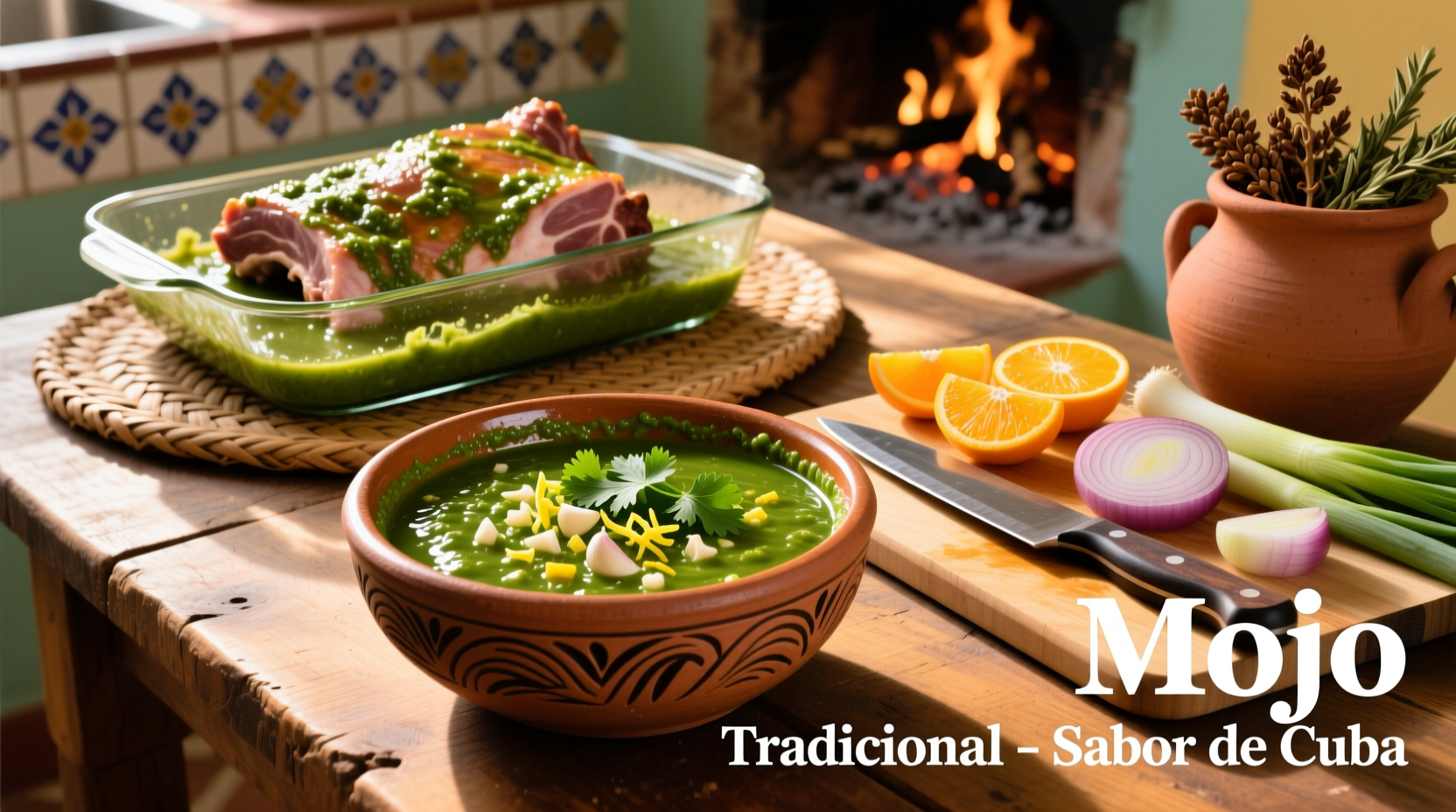
Mojo (pronounced MO-ho) is a traditional Cuban sauce originating from the Canary Islands but transformed through adaptation in Cuba during the 19th and early 20th centuries. While Canarian versions often feature paprika and oil with less citrus, the Cuban evolution centers on sour orange juice, garlic, and spices, creating a tangy, aromatic preparation used primarily as a marinade for roasted pork, chicken, and root vegetables.
The most iconic application of Cuban mojo is in lechón asado, slow-roasted pork marinated for hours—or even days—in a fresh batch of mojo. The sauce penetrates the meat, tenderizing fibers while imparting a complex balance of acidity, heat, and umami. Beyond meat, it's drizzled over yuca, plantains, and boiled tubers, acting both as seasoning and moisture enhancer. Though simple in ingredients, mojo relies on technique and ingredient quality to achieve its signature depth.
In essence, Cuban mojo is not a single recipe but a template—a culinary formula that invites variation based on region, family tradition, and available ingredients. At its core, however, it remains consistent: citrus, alliums, fat, salt, and aromatics.
Key Characteristics
Cuban mojo distinguishes itself through sensory complexity and functional versatility. Below are its defining attributes:
| Characteristic | Description |
|---|---|
| Flavor Profile | Bright, tangy, garlicky, with subtle sweetness and earthy undertones from cumin and oregano. The sour orange provides a distinct tartness not replicable by lemon or lime alone. |
| Aroma | Pronounced garlic and citrus zest, enhanced by warm notes of toasted cumin and bay leaf when simmered. |
| Color & Texture | Golden-orange hue; smooth to slightly coarse depending on garlic preparation. Emulsified oil gives it a light sheen. |
| Heat Level | Mild to moderate. Heat comes from optional additions like crushed red pepper or fresh chili, not inherent spiciness. |
| Culinary Function | Marinade, basting liquid, finishing sauce, vegetable dressing, or dipping condiment. |
| Shelf Life | Freshly made: up to 5 days refrigerated. Freezable for up to 3 months. Garlic-in-oil mixtures should be acidified and stored properly to prevent botulism risk. |
Practical Usage: How to Use Cuban Mojo in Cooking
Mojo’s strength lies in its dual role as both preservative and flavor amplifier. Historically, the acidity helped extend the shelf life of meats in pre-refrigeration Cuba. Today, it continues to serve as an essential tool for building layered taste and texture.
As a Marinade for Meats
The most traditional use of mojo is marinating pork shoulder (paleta) for lechón asado. To prepare:
- Score the pork skin and fat layer deeply in a crosshatch pattern.
- Inject approximately one-third of the mojo directly into the meat using a marinade injector.
- Rub the remaining mojo generously over the entire surface, ensuring it seeps into the cuts.
- Place in a non-reactive container, cover, and refrigerate for at least 12 hours—ideally 24 to 48 hours.
- Roast slowly at 325°F (163°C), basting every 30 minutes with additional mojo or reserved juices.
This method yields juicy, flavorful meat with crispy crackling skin, infused throughout with citrus-garlic essence.
With Poultry
Chicken responds exceptionally well to mojo. Whole roasting chickens, spatchcocked birds, or bone-in thighs can be marinated 6–12 hours before grilling, roasting, or rotisserie cooking. The result is moist meat with a caramelized exterior and aromatic depth.
For Vegetables
Boiled yuca (cassava) is traditionally served drenched in warm mojo. After boiling until tender, drain the yuca, cut into chunks, and pour heated mojo over the top. The sauce clings to the starchy surface, transforming a humble tuber into a rich side dish. Similarly, boiled green plantains, malanga, and boniato (Cuban sweet potato) benefit from a warm drizzle.
As a Finishing Sauce or Condiment
Warm mojo can be spooned over grilled fish, black beans, or rice bowls. It also functions as a table condiment—similar to chimichurri—offered alongside fried foods like tostones or croquetas.
Pro Tip: Always warm your mojo before serving as a finishing sauce. Heat releases volatile aromatics, especially garlic and cumin, enhancing overall impact. Gently simmer in a small pan for 3–5 minutes—do not boil.
Variants & Types of Mojo
While \"Cuban mojo\" typically refers to the sour orange-garlic version, regional and household variations exist across the island and diaspora. Understanding these helps tailor usage to specific dishes.
- Mojo Rojo (Red Mojo): Includes tomato paste or roasted red peppers, giving it a deeper color and sweeter profile. Often used with heartier meats or in sandwiches.
- Mojo Verde (Green Mojo): Incorporates fresh herbs like cilantro or parsley, sometimes blended with green bell peppers. Common in coastal areas and used with seafood.
- Mojo Criollo: A broader term encompassing rustic, home-style preparations. May include onion, vinegar, or different citrus blends.
- Dry Rub Mojo (Mojo Seco): Powdered form combining dehydrated garlic, orange zest, cumin, oregano, and salt. Used as a rub without liquid components—ideal for quick applications or grilling.
Each variant adjusts the balance between acidity, fat, and spice to suit different proteins and cooking methods. For example, mojo verde pairs beautifully with snapper or shrimp, while mojo rojo complements smoked sausages or bean stews.
| Type | Base Liquid | Key Additions | Best Used With |
|---|---|---|---|
| Classic Mojo | Sour orange juice | Garlic, olive oil, cumin, oregano | Pork, chicken, yuca |
| Mojo Rojo | Sour orange + tomato | Tomato paste, smoked paprika | Smoked meats, sandwiches |
| Mojo Verde | Lime + orange blend | Cilantro, parsley, jalapeño | Seafood, grilled vegetables |
| Mojo Seco | None (dry) | Dehydrated citrus, garlic powder | Quick rubs, seasoning blends |
Comparison with Similar Ingredients
Mojo is often compared to other Latin American sauces, but key differences set it apart.
- Chimichurri (Argentina/Uruguay): Herb-forward (parsley, oregano), uses vinegar and garlic but lacks citrus. Chimichurri is typically looser, greener, and more herbaceous; mojo is more acidic and spice-driven.
- Vinaigrette: Standard vinaigrettes use wine or distilled vinegar, lack garlic dominance, and rarely include warm spices like cumin. Mojo is functionally a flavored vinaigrette but culturally and texturally distinct.
- Adobo (Puerto Rican/Mexican): Adobo is usually a dry spice blend, though wet versions exist. Unlike adobo, which focuses on garlic, salt, and black pepper, mojo emphasizes citrus as a structural component.
- Escabeche: A pickling technique using vinegar and spices, often applied post-cooking. Mojo shares escabeche’s acidic base but is used primarily as a pre-cook marinade rather than a preserving method.
“Mojo isn’t just about flavor—it’s about transformation. The sour orange breaks down proteins, the garlic permeates deep, and the oil carries warmth. It’s science and tradition in one bowl.” — Chef Elena Ruiz, Cuban-American culinary instructor
Practical Tips & FAQs
What if I can't find sour oranges?
Fresh sour oranges (naranja agria) are ideal but rare outside Florida and specialty markets. Substitute with a blend of equal parts fresh orange juice and fresh lime juice. Some add a splash of grapefruit juice for added bitterness. Avoid bottled juices with preservatives or added sugars.
Can I make mojo without oil?
Oil is essential for emulsification and carrying fat-soluble flavors (like cumin). However, for lower-fat versions, reduce oil by half and increase citrus slightly. Note: this may affect penetration and shelf life.
How much mojo should I use per pound of meat?
A general ratio is ¼ cup of mojo per pound of meat for marinating. For finishing or basting, use 1–2 tablespoons per serving.
Is homemade mojo safe to store?
Yes, if handled properly. Store in a sealed glass jar in the refrigerator for up to 5 days. For longer storage, freeze in ice cube trays and transfer to bags. Always use clean utensils to avoid contamination. Due to garlic-in-oil concerns, ensure the mixture is sufficiently acidic (pH below 4.6) and never leave at room temperature for more than two hours.
Can I use dried oregano instead of fresh?
Fresh oregano is preferred for its floral notes, but dried is acceptable. Use one-third the amount of dried oregano (e.g., 1 tsp dried = 1 tbsp fresh). Toast lightly in oil to release oils.
Does mojo work with tofu or mushrooms?
Absolutely. Firm tofu, tempeh, and portobello mushrooms absorb mojo exceptionally well. Marinate 2–4 hours, then grill or roast. An excellent option for plant-based interpretations of Cuban flavors.
Mini Case Study: Mojo in Modern Restaurant Kitchens
In Miami’s Ball & Chain restaurant, executive chef Cindy Hutson uses a double-infusion technique: first simmering garlic and spices in oil, then blending with cold-pressed sour orange juice. This method maximizes aroma retention while ensuring food safety. The resulting mojo is used not only for lechón but also as a base for salad dressings and roasted vegetable plates, demonstrating its adaptability beyond traditional roles.
Summary & Key Takeaways
Cuban mojo sauce is far more than a marinade—it is a cornerstone of flavor in Cuban gastronomy. Rooted in history and refined through generations, it combines sour orange, garlic, oil, and spices into a versatile preparation that transforms meats, vegetables, and grains.
- Mojo originated in the Canary Islands but evolved uniquely in Cuba with the introduction of sour orange and local spices.
- Its primary role is as a marinade for roasted pork and chicken, but it excels as a finishing sauce for boiled tubers like yuca.
- Key ingredients include sour orange juice, garlic, olive oil, cumin, oregano, and salt—freshness is critical.
- Variants such as mojo rojo, mojo verde, and mojo seco allow customization for different proteins and dietary needs.
- Unlike similar sauces like chimichurri or adobo, Cuban mojo is defined by its citrus backbone and emulsified oil-garlic structure.
- Safe storage requires refrigeration and proper acidification; freezing extends usability.
Whether you're preparing a Sunday roast, hosting a backyard barbecue, or exploring global flavors, mastering Cuban mojo opens a gateway to authentic, aromatic, and deeply satisfying cooking. Try making a batch this week—your taste buds will recognize the difference immediately.




 浙公网安备
33010002000092号
浙公网安备
33010002000092号 浙B2-20120091-4
Comments
No comments yet. Why don't you start the discussion?