
Dissociative Identity Disorder (DID), once widely misunderstood and often misrepresented in media, is a complex psychological condition characterized by the presence of two or more distinct identity states. These identities, sometimes referred to as \"alters,\" take control of an individual's behavior at different times, often accompanied by memory gaps and emotional disconnection. While relatively rare, DID affects approximately 1–1.5% of the global population, with higher prevalence among individuals who have experienced severe trauma during early childhood. Understanding its origins, recognizing its symptoms, and acknowledging the lived experiences of those affected are essential steps toward empathy, accurate diagnosis, and effective treatment.
The Role of Early Trauma in DID Development
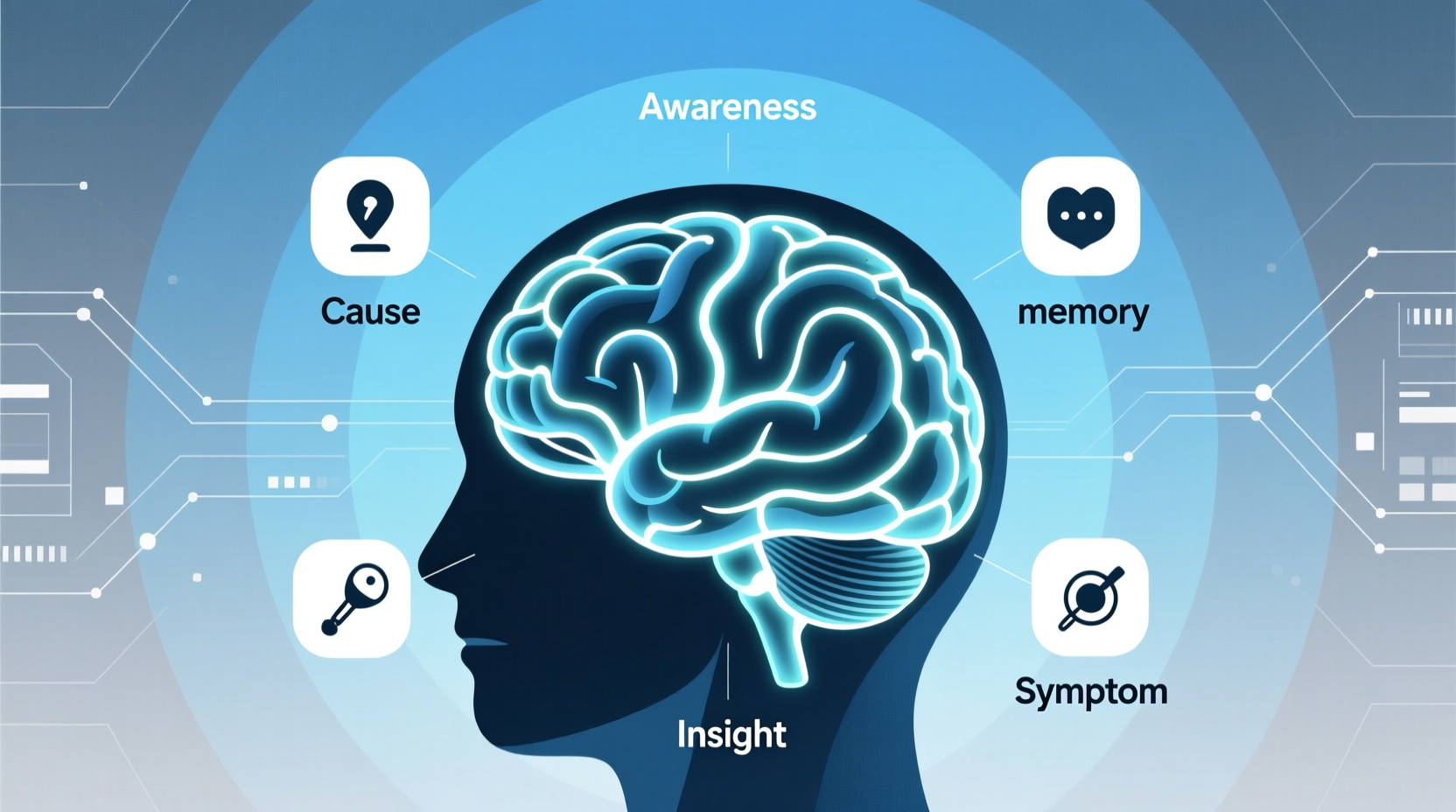
The most significant factor linked to the development of DID is prolonged exposure to severe trauma during early developmental years—typically before the age of 6. This trauma often takes the form of repeated physical, sexual, or emotional abuse, but may also include neglect, medical trauma, or witnessing extreme violence. In response to overwhelming stress that a young child cannot process or escape, the mind may use dissociation as a defense mechanism. Rather than integrating experiences into a single coherent sense of self, the psyche compartmentalizes memories, emotions, and behaviors into separate identity states.
This fragmentation allows the child to mentally “escape” from traumatic events, preserving some parts of the self while others bear the burden of pain. Over time, these dissociated parts can evolve into distinct identities, each with unique names, ages, genders, voices, and behavioral patterns. It’s important to note that DID is not a choice or attention-seeking behavior—it is a survival strategy formed under conditions of extreme helplessness.
“DID is not about having multiple personalities; it’s about a lack of cohesive identity due to early relational trauma.” — Dr. Valerie Sinason, Clinical Psychologist and Trauma Specialist
Core Symptoms of Dissociative Identity Disorder
Symptoms of DID extend beyond the presence of alternate identities. They often disrupt daily functioning and can mimic other mental health conditions, leading to misdiagnosis. The Diagnostic and Statistical Manual of Mental Disorders (DSM-5) outlines several key criteria for DID, including:
- Disruption of identity characterized by two or more distinct personality states
- Recurrent gaps in recall of everyday events, personal information, and/or traumatic events
- Clinically significant distress or impairment in social, occupational, or other areas of functioning
- Symptoms not attributable to substance use, medical conditions, or cultural practices
Individuals with DID may experience sudden shifts in mood, speech patterns, or preferences—such as one alter preferring tea while another only drinks coffee. Some alters may be unaware of others’ existence, while in other cases, there may be co-consciousness, where multiple identities are aware of what is happening simultaneously.
Memory lapses—often called “lost time”—are common. A person might find themselves in unfamiliar places with no recollection of how they got there, discover unexplained purchases, or receive messages they don’t remember sending. These episodes can be deeply disorienting and lead to anxiety, shame, or fear of losing one’s mind.
Common Signs and Associated Experiences
| Symptom Category | Examples |
|---|---|
| Identity Alteration | Shifts in voice, mannerisms, opinions, or language use; alters may have different allergies or prescriptions |
| Amnesia | Inability to recall conversations, tasks, or entire periods of time; forgetting personal details |
| Dissociative Episodes | Depersonalization (feeling detached from oneself), derealization (world feels unreal) |
| Emotional Dysregulation | Sudden mood swings, anxiety, depression, or suicidal thoughts across different alters |
| Physical Manifestations | Headaches, fatigue, or unexplained pain that varies between alters |
Diagnostic Challenges and Misconceptions
DID is frequently misdiagnosed as schizophrenia, bipolar disorder, or borderline personality disorder due to overlapping symptoms such as hallucinations, mood instability, and identity confusion. However, unlike schizophrenia, DID does not involve psychosis in the traditional sense—the “voices” people hear are typically internal identities rather than external auditory hallucinations.
Another misconception is that DID is rare or even fabricated. In reality, research suggests that DID is underdiagnosed because many clinicians lack training in dissociative disorders. On average, individuals with DID spend seven years in the mental health system before receiving an accurate diagnosis. This delay can result in ineffective treatments, increased hospitalizations, and worsening symptoms.
Cultural portrayals of DID in films and television often exaggerate dramatic switches between violent or dangerous alters, which contributes to stigma. Most individuals with DID are not violent; they are more likely to harm themselves than others. Accurate representation and education are crucial for reducing fear and promoting compassionate care.
Real-Life Insight: A Case Study
Meet Sarah, a 34-year-old graphic designer who began therapy for chronic depression and anxiety. During sessions, she reported frequent blackouts and finding handwritten notes in different handwriting than her own. Her partner mentioned that “sometimes she acts like a completely different person”—one moment calm and professional, the next childlike and fearful.
After months of exploration using structured clinical interviews and dissociation assessments, Sarah was diagnosed with DID. Therapy revealed that she had endured years of ritualized abuse as a child, which her mind had blocked out. Through trauma-informed therapy, Sarah gradually established communication between her alters—some of whom held traumatic memories too painful for her core identity to face.
With time, grounding techniques, and consistent therapeutic support, Sarah learned to manage transitions between identities, reduce amnesia, and build trust within her internal system. Her case illustrates that recovery is possible—not through eliminating alters, but through integration or cooperation, depending on the individual’s goals.
Pathways to Healing: Treatment and Support
Effective treatment for DID centers on long-term psychotherapy, particularly trauma-focused approaches such as Cognitive Behavioral Therapy (CBT), Eye Movement Desensitization and Reprocessing (EMDR), and Internal Family Systems (IFS). The goal is not always full integration of identities—some individuals choose to live cooperatively with their alters, a state known as functional multiplicity.
Therapy typically progresses in phases:
- Stabilization: Building safety, managing symptoms, and establishing trust between client and therapist.
- Trauma Processing: Gradually addressing traumatic memories in a controlled, supportive environment.
- Integration or Collaboration: Working toward either merging identities or improving communication and coordination among them.
Support Checklist for Individuals with DID
- Seek a therapist trained in dissociative disorders
- Keep a journal to track switches, triggers, and internal communication
- Develop grounding techniques (e.g., 5-4-3-2-1 sensory exercise)
- Establish safety plans for high-dissociation periods
- Educate trusted friends or family members about DID
- Avoid substances that increase dissociation, such as alcohol or benzodiazepines
Frequently Asked Questions
Can DID develop in adulthood?
No, DID originates in early childhood as a response to chronic trauma before the age of 6–9, when identity formation is still underway. While symptoms may not become apparent until adolescence or adulthood, the condition itself begins in early development.
Is DID the same as having an alter ego or split personality?
No. The term “split personality” is outdated and misleading. DID involves a fragmented identity due to trauma, not a split between good and evil selves. “Alter ego” is often used colloquially to describe a persona, but it does not reflect the clinical reality of DID.
Can people with DID live normal lives?
Yes. With proper treatment and support, many individuals with DID work, maintain relationships, and lead fulfilling lives. Stability comes from understanding their condition, managing triggers, and building internal cooperation.
Conclusion: Moving Forward with Compassion and Clarity
Understanding DID means moving beyond myths and embracing the complexity of human resilience. The condition is not a flaw or fabrication—it is a testament to the mind’s ability to survive unimaginable pain. By recognizing the role of early trauma, identifying symptoms with accuracy, and supporting evidence-based treatment, society can replace stigma with compassion.
If you or someone you know shows signs of dissociation, seek help from a qualified mental health professional. Knowledge is power, and every step toward awareness brings us closer to a world where healing is possible for all.




 浙公网安备
33010002000092号
浙公网安备
33010002000092号 浙B2-20120091-4
Comments
No comments yet. Why don't you start the discussion?