
Galanga often appears in Southeast Asian curries, broths, and herbal tonics, yet many home cooks confuse it with ginger. While they share a rhizomatous form and belong to the same botanical family, galanga is a distinct ingredient with a more camphoraceous, pine-like flavor and potent medicinal properties. For anyone exploring Thai, Indonesian, or Vietnamese cuisine beyond surface-level recipes, understanding galanga is essential. It’s not merely a substitute for ginger—it’s a cornerstone spice that imparts depth, warmth, and clarity to dishes in ways no other root can replicate. This comprehensive guide explores galanga’s origins, flavor profile, culinary applications, health benefits, and critical distinctions from similar roots like ginger and turmeric.
Definition & Overview
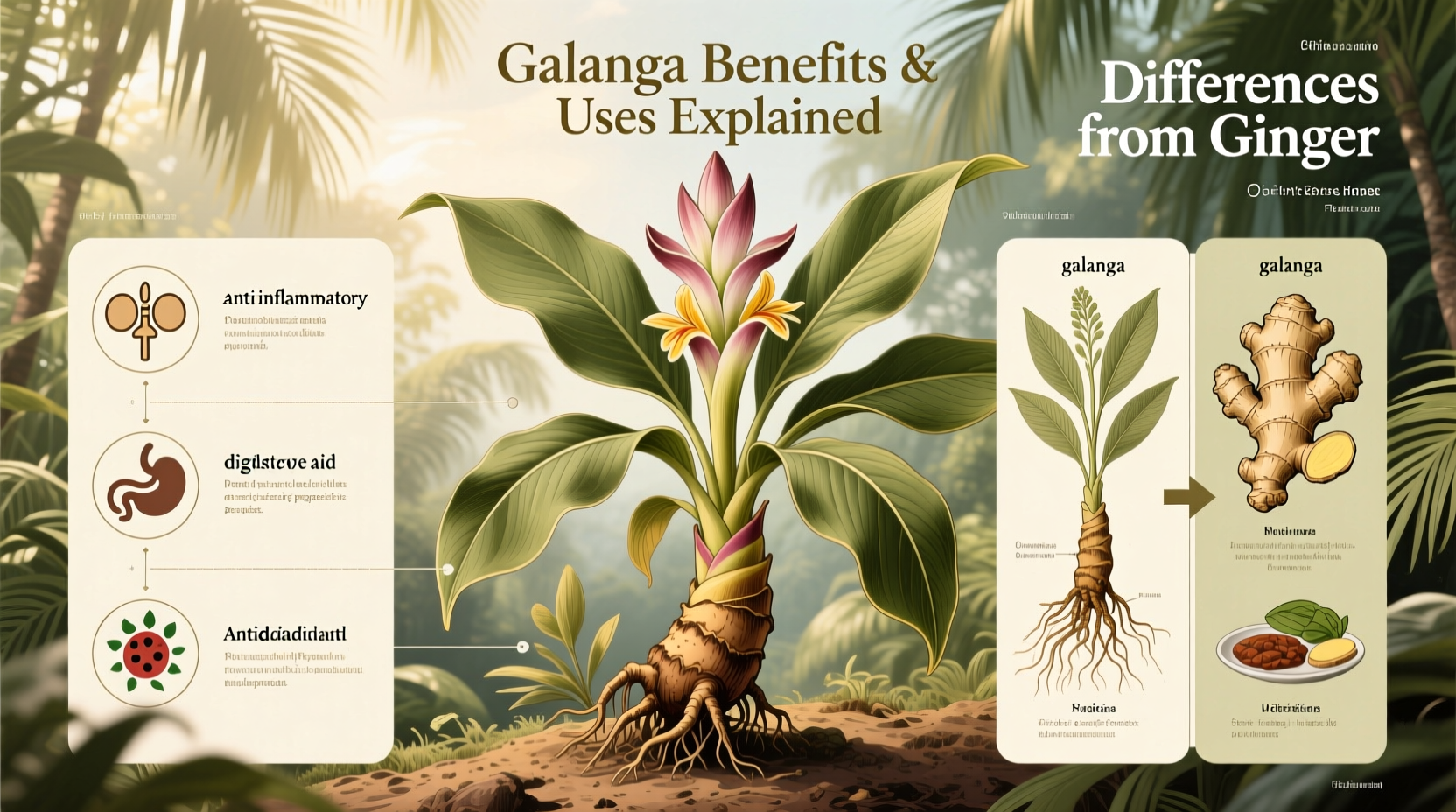
Galanga refers to several species of aromatic rhizomes in the Zingiberaceae family, most commonly Alpinia galanga (greater galanga) and Alpinia officinarum (lesser galanga). Native to tropical regions of Southeast Asia—including Thailand, Indonesia, Malaysia, and parts of India—galanga has been used for centuries both as a culinary spice and in traditional medicine systems such as Ayurveda and Traditional Chinese Medicine (TCM).
In cooking, galanga is prized for its sharp, citrusy, almost medicinal aroma, which mellows into a warm, woody complexity when cooked. Unlike ginger, which delivers a fiery zing, galanga offers a cleaner, more refined heat with notes of eucalyptus, lemon, and pine. It plays a pivotal role in iconic dishes such as Thai tom kha gai (coconut chicken soup), Indonesian rendang, and Lao or lam. Its use extends beyond savory fare; in some cultures, galanga is infused into teas, tinctures, and even fermented beverages for digestive and immune support.
Key Characteristics
- Flavor Profile: Sharp, citrusy, pine-like, with subtle floral and peppery undertones. Less pungent than ginger but more aromatic and complex.
- Aroma: Camphoraceous and resinous, reminiscent of menthol or wintergreen, especially when freshly cut.
- Color & Texture: Pale beige to light brown exterior; firm, fibrous interior ranging from ivory to pale pink. More rigid than ginger, with tighter rings and less moisture.
- Heat Level: Mildly warming, not spicy-hot. Provides aromatic heat rather than capsaicin-like burn.
- Culinary Function: Used primarily for flavor base in soups, curries, and marinades. Infuses dishes with depth without overpowering other ingredients.
- Shelf Life: Fresh rhizomes last 2–3 weeks refrigerated, up to 6 months frozen. Dried powder retains potency for 1–2 years if stored properly.
Pro Tip: Always bruise or slice fresh galanga before adding to soups or stews—this releases essential oils and maximizes flavor infusion. Remove before serving, as the texture is too fibrous to eat directly.
Practical Usage: How to Use Galanga in Cooking
Galanga shines in liquid-based preparations where its volatile compounds can disperse evenly. Because it doesn’t dissolve like powdered spices, it functions best as an aromatic foundation, much like a bay leaf or lemongrass stalk.
Soups and Broths
The most common application is in coconut milk-based soups. In tom kha gai, galanga is sliced thinly or crushed and simmered with lemongrass, kaffir lime leaves, and chicken. The result is a layered broth that balances creamy richness with bright, herbal lift. Similarly, in Filipino sopas or Malaysian laksa, galanga contributes a clean backbone that cuts through fatty broths.
Curries and Stews
In Thai red and green curry pastes, fresh galanga is blended with chilies, garlic, shallots, and shrimp paste to build complexity. When making homemade paste, use peeled galanga in a 1:1 ratio with lemongrass and kaffir lime zest. For slow-cooked dishes like rendang, whole slices are added early and removed before serving.
Marinades and Pickling Liquids
Grated galanga works well in marinades for poultry, seafood, and tofu due to its enzymatic and antimicrobial properties. Combined with lime juice and fish sauce, it tenderizes proteins while imparting a distinctive fragrance. It also appears in pickling brines across Indonesia, where it helps preserve vegetables while enhancing digestibility.
Beverages and Tonics
Dried galanga is frequently used in herbal infusions. Simmer one teaspoon of powdered galanga per cup of water for 10 minutes, strain, and add honey and lemon for a soothing winter tonic. In Thailand, it's sometimes combined with honey and lime in “health shots” marketed for immunity.
- Step-by-step: Adding Galanga to Soup
- Peel the rhizome lightly using a spoon or vegetable peeler.
- Slice into thin rounds (¼ inch thick) or crush with the side of a knife.
- Add to cold liquid at the beginning of cooking.
- Simmer for at least 20–30 minutes to extract full flavor.
- Remove pieces before serving—they remain tough even after prolonged cooking.
Storage Note: Wrap fresh galanga in parchment paper and store in a sealed container in the refrigerator crisper drawer. Avoid plastic bags, which trap moisture and encourage mold.
Variants & Types
Not all galanga is the same. Understanding the differences between available forms ensures optimal results in your cooking.
| Type | Description | Best Uses | Availability |
|---|---|---|---|
| Fresh Greater Galanga | Larger, paler rhizomes with smooth skin; milder aroma than lesser variety. | Ideal for soups, curries, and braises. | Asian grocery stores, specialty markets. |
| Fresh Lesser Galanga | Smaller, reddish-tinted tips; more intense, peppery scent. | Preferred in medicinal preparations and strong-flavored stews. | Rare outside Southeast Asia; often substituted with greater galanga. |
| Dried Sliced Galanga | Dehydrated rounds; shelf-stable but less vibrant in aroma. | Use in long-simmered stocks or teas where rehydration occurs. | Online retailers, herbal shops. |
| Galanga Powder | Finely ground dried root; convenient but loses nuance quickly. | Blending into curry pastes or spice mixes. | Available in international spice aisles. |
| Frozen Galanga | Pre-peeled, flash-frozen chunks; retains texture and aroma well. | Excellent backup for fresh; no thawing required before use. | Growing availability in freezer sections of Asian supermarkets. |
When selecting fresh galanga, look for firm, unblemished rhizomes with tight skin—wrinkles indicate age and moisture loss. Avoid any with soft spots or signs of sprouting.
Comparison with Similar Ingredients
Galanga is frequently mistaken for ginger, and sometimes even turmeric, due to visual similarities. However, their flavor profiles, textures, and culinary roles differ significantly.
| Feature | Galanga | Ginger | Turmeric |
|---|---|---|---|
| Botanical Name | Alpinia galanga | Zingiber officinale | Curcuma longa |
| Flavor | Piney, citrusy, camphor-like | Spicy, warm, slightly sweet | Earthy, bitter, mildly peppery |
| Heat Sensation | Warming but not burning | Sharp, pungent bite | Minimal heat |
| Color (Flesh) | Ivory to pale pink | Creamy white to yellow | Bright orange-yellow |
| Texture | Very fibrous, dense | Moist, moderately fibrous | Dry, hard, deeply segmented |
| Cooking Role | Aromatic base, infused and removed | Used raw or cooked; often eaten | Colorant and mild flavor enhancer |
| Substitution Feasibility | Poor substitute for ginger | Can replace galanga in a pinch (½ amount) | No direct substitution possible |
\"Using ginger instead of galanga changes the soul of a dish. They’re cousins, yes—but galanga brings a clarity that ginger simply can't replicate.\" — Chef Niran Parnsun, Bangkok Culinary Institute
While grated ginger may be used in emergencies (use half the amount to avoid overwhelming heat), it lacks the terpenes responsible for galanga’s signature freshness. Turmeric, meanwhile, serves a completely different purpose—primarily as a coloring agent and anti-inflammatory additive—and should never be considered interchangeable.
Practical Tips & FAQs
Can I eat galanga directly?
No. Even after hours of cooking, galanga remains extremely fibrous and woody. It is meant to be infused and then discarded, similar to a cinnamon stick or bay leaf.
Is galanga safe during pregnancy?
In culinary amounts, yes. However, concentrated doses (such as in supplements or medicinal teas) may stimulate uterine activity and should be avoided unless approved by a healthcare provider.
How do I prepare galanga for freezing?
Peel and slice into ½-inch rounds. Place on a parchment-lined tray, freeze until solid, then transfer to an airtight bag. No need to thaw before use—add directly to soups or stews.
What are the health benefits of galanga?
Research suggests galanga contains bioactive compounds such as galangin and kaempferide, which exhibit antioxidant, anti-inflammatory, and antimicrobial properties. Studies have shown potential in inhibiting certain bacteria and fungi, supporting respiratory health, and aiding digestion by stimulating gastric secretions.
Can I grow my own galanga?
Yes, in USDA zones 9–11. Plant rhizome segments in rich, well-draining soil with partial shade. Requires consistent moisture and takes 8–10 months to mature. Not typically viable for indoor cultivation due to space and humidity needs.
Does galanga interact with medications?
Preliminary studies suggest galanga may affect blood clotting and liver enzyme activity. Individuals on anticoagulants or metabolic drugs should consult a physician before consuming large quantities or supplements.
Quick Substitution Guide: If galanga is unavailable, combine ¾ part ginger with ¼ part fresh lemon zest and a pinch of white pepper to mimic its brightness and warmth. Not perfect—but closer than ginger alone.
Summary & Key Takeaways
Galanga is a foundational ingredient in Southeast Asian cuisine, distinguished by its pine-citrus aroma, medicinal heritage, and unique culinary function. Unlike ginger, it imparts a refined, cooling heat and must be used thoughtfully—infused early and removed before serving. Available in fresh, dried, and frozen forms, it performs best in soups, curries, and herbal preparations. Its health-promoting compounds make it valuable beyond the kitchen, though care should be taken with concentrated intake.
Misidentifying galanga as \"Thai ginger\" does a disservice to its individuality. Recognizing its distinct characteristics allows cooks to honor authentic recipes and expand their flavor vocabulary. Whether you're crafting a fragrant tom kha or exploring herbal wellness, galanga offers a bridge between tradition, taste, and vitality.
Next time you stock your pantry, consider keeping a piece of fresh or frozen galanga on hand. Experiment with it in place of ginger in coconut-based dishes—you might discover a new dimension of flavor you didn’t know was missing.




 浙公网安备
33010002000092号
浙公网安备
33010002000092号 浙B2-20120091-4
Comments
No comments yet. Why don't you start the discussion?