
Garlic confit is not merely cooked garlic—it’s a transformation. When whole cloves are slowly poached in oil at a low temperature, their sharp bite mellows into a silken, buttery sweetness with deep umami undertones. This technique, rooted in French preservation methods, produces both a delicacy and a versatile ingredient. Unlike raw or roasted garlic, confit garlic loses its pungency entirely, emerging soft, spreadable, and deeply aromatic. For cooks seeking depth without heat, garlic confit offers an elegant solution. Its uses span from simple spreads to complex sauces, making it a staple in professional kitchens and discerning home pantries alike. Understanding how it works—and how to make it—unlocks new dimensions in flavor building.
Definition & Overview
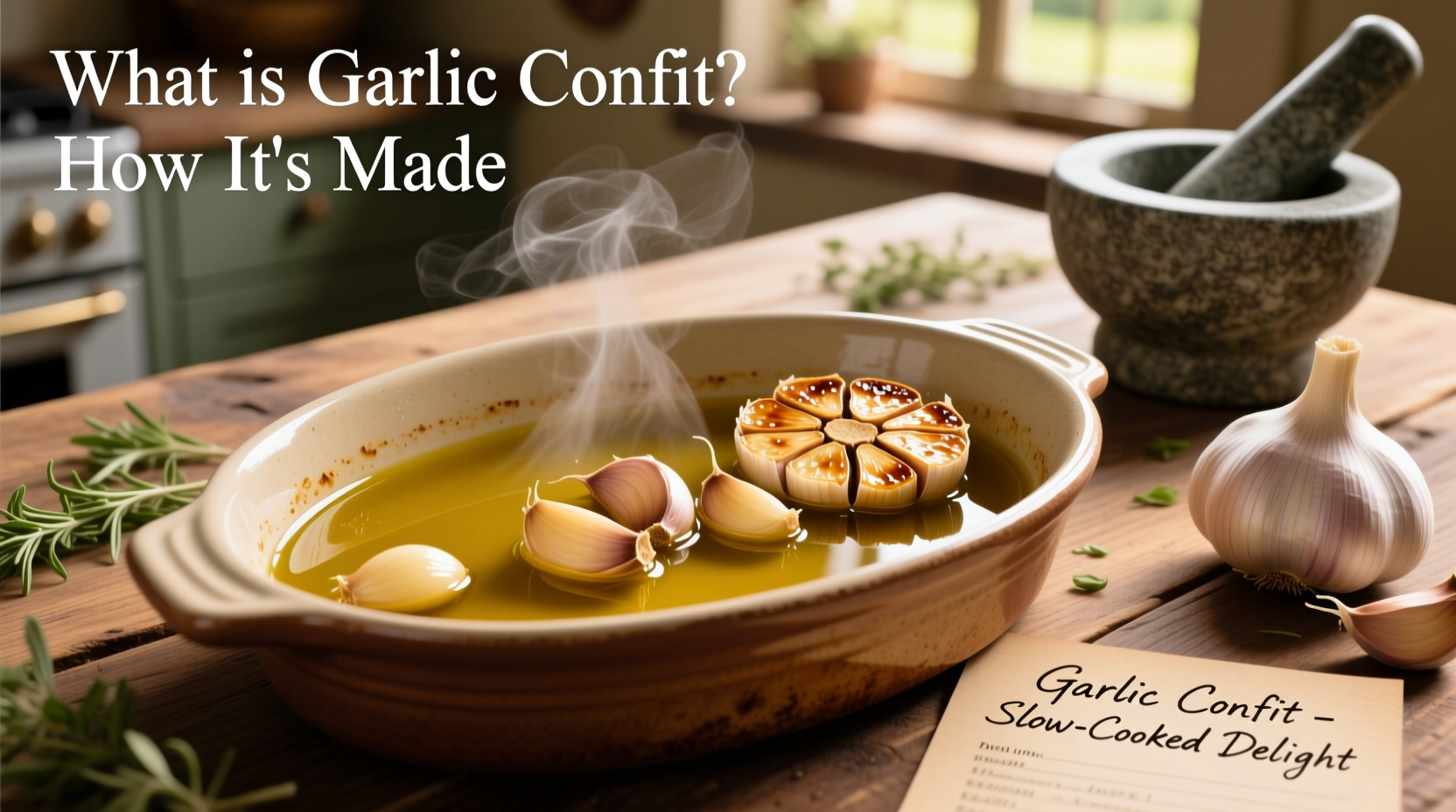
Garlic confit refers to garlic cloves that have been gently simmered in oil—typically olive or another neutral oil—over low heat for an extended period. The word *confit* comes from the French *confire*, meaning \"to preserve.\" While duck confit involves salting and slow-cooking meat in its own fat, garlic confit follows a similar principle: submerging the ingredient in fat to cook it slowly and extend shelf life. In this case, the result is not only preserved but profoundly altered in texture and taste.
The process does not involve high temperatures or browning. Instead, garlic is heated just enough to break down its cellular structure, converting harsh sulfur compounds into milder, more savory ones. The cloves become tender enough to crush between fingers, absorbing the oil’s flavor while subtly infusing it in return. Herbs like thyme, rosemary, or bay leaves are often added during cooking, enhancing complexity. The final product includes both the softened garlic and the now-flavored oil, both of which are edible and highly useful.
Though associated with French cuisine, variations of oil-poached garlic appear globally—from Mediterranean tapenades to Middle Eastern stews. However, modern culinary interest in garlic confit surged through fine dining in the late 20th century, where chefs began using it as a base for emulsions, purées, and compound butters. Today, it remains a hallmark of thoughtful, layered seasoning.
Key Characteristics
| Characteristic | Description |
|---|---|
| Flavor | Sweet, mellow, nutty, with pronounced umami; none of the sharpness or bitterness of raw garlic. |
| Aroma | Subtle and warm, reminiscent of toasted nuts and herbs; lacks the acrid punch of raw garlic. |
| Texture | Soft, creamy, almost paste-like when pressed; holds shape when intact but yields easily. |
| Color | Pale gold to light amber; never browned if properly prepared. |
| Heat Level | None. Alliinase enzymes responsible for spiciness are deactivated by prolonged low-heat exposure. |
| Culinary Function | Flavor base, spread, emulsifier, garnish, oil infusion component. |
| Shelf Life (refrigerated) | 3–4 weeks when fully submerged in oil and stored airtight. |
Practical Usage: How to Use Garlic Confit
The true value of garlic confit lies in its dual utility: the garlic itself and the infused oil are both premium ingredients. Their applications range from minimalist enhancements to foundational roles in composed dishes.
In Home Cooking
- Spreads and Dips: Mash confit cloves with softened butter for a luxurious bread spread. Blend into hummus, white bean dip, or labneh for depth without heat.
- Pasta Sauces: Purée a few cloves into carbonara, cacio e pepe, or aglio e olio variations to enrich the sauce body and add savoriness.
- Roasted Vegetables: Toss confit cloves with root vegetables before roasting—they caramelize slightly and melt into the dish.
- Grilled Meats and Fish: Place whole cloves on top of steaks or salmon during the last minutes of cooking; they warm through and release subtle flavor.
- Egg Dishes: Stir small pieces into scrambled eggs, frittatas, or omelets for aromatic richness.
In Professional Kitchens
Chefs leverage garlic confit for consistency and efficiency. Because its potency is predictable and non-irritating, it can be used liberally without overwhelming other elements. Common professional applications include:
- Emulsified Sauces: Whisked into mayonnaise, aioli, or vinaigrettes to create smooth, rounded flavors.
- Purée Bases: Incorporated into cauliflower, potato, or parsnip purées to elevate starches without adding spice.
- Compound Fats: Blended into softened butter with herbs and lemon zest for finishing proteins or topping grilled bread.
- Stock and Broth Enhancement: Added toward the end of reduction for umami lift in vegetarian or shellfish broths.
Pro Tip: Never discard the oil. Strain and store it—it’s ideal for sautéing vegetables, dressing grains, or drizzling over soups. One teaspoon can replace a clove of raw garlic in most recipes, minus the bite.
Pairing Suggestions and Ratios
Garlic confit pairs exceptionally well with ingredients that benefit from gentle savoriness rather than sharp contrast. Consider these combinations:
- Cheeses: Goat cheese, burrata, aged gouda, fontina.
- Starches: Polenta, risotto, mashed potatoes, sourdough.
- Proteins: Chicken thighs, pork shoulder, lamb, scallops.
- Vegetables: Mushrooms, leeks, spinach, artichokes, eggplant.
As a rule of thumb, use one clove of garlic confit per serving when used as a primary flavor agent. For background notes, half a clove suffices. When substituting for raw garlic, remember: 1 clove of raw garlic ≈ ½ to 1 clove of confit, depending on desired intensity—but no amount of confit will replicate the sharp volatility of fresh.
Variants & Types
While traditional garlic confit uses olive oil and minimal aromatics, several variations exist based on fat type, added seasonings, and processing method.
By Fat Medium
| Fat Type | Characteristics | Best Used For |
|---|---|---|
| Olive Oil | Rustic, fruity, complementary to Mediterranean dishes | Pasta, bread, vegetable dishes |
| Neutral Oil (Grapeseed, Canola) | Cleaner canvas; lets garlic and herbs dominate | Emulsions, modern plating, delicate sauces |
| Duck Fat | Rich, meaty, deeply savory | Game meats, root vegetables, charcuterie boards |
| Coconut Oil | Slight tropical sweetness; solidifies when cool | Curries, Southeast Asian-inspired fusion |
By Flavor Infusion
- Herb-Infused: Thyme, rosemary, sage, or bay leaf added during poaching for aromatic complexity.
- Spiced: Light additions of black peppercorns, coriander seeds, or star anise for warmth (avoid chili, which can overpower).
- Citrus-Zested: Lemon or orange peel introduces brightness without acidity.
- Smoked: Not traditional, but some chefs finish with a touch of liquid smoke or use smoked salt for modern interpretations.
Processed Forms
Beyond whole cloves, garlic confit appears in commercial or advanced preparations as:
- Paste: Blended with oil to form a spreadable concentrate, often vacuum-sealed.
- Dehydrated Flakes: Freeze-dried for shelf-stable seasoning—reconstitutes with moisture.
- Canned/Jarred: Available in gourmet markets, though homemade versions typically surpass in freshness and control.
Comparison with Similar Ingredients
Garlic confit is often confused with other garlic preparations, but each serves a distinct role in the kitchen.
| Preparation | Texture | Flavor Profile | Best Use Case |
|---|---|---|---|
| Raw Garlic | Crisp, firm | Pungent, spicy, volatile | Salsas, dressings, quick sautés |
| Roasted Garlic | Soft, spreadable, caramelized | Sweet, earthy, slightly smoky | Breads, dips, toppings |
| Minced Sautéed Garlic | Tender, sometimes crisp-edged | Toasty, aromatic, moderately strong | Stir-fries, pasta, soups |
| Black Garlic | Chewy, sticky | Balsamic, tamarind, molasses-like | Garnishes, glazes, avant-garde dishes |
| Garlic Confit | Creamy, yielding, unctuous | Mellow, nutty, deeply savory | Emulsions, purées, infusions |
The key distinction: garlic confit is poached in oil without browning, preserving tenderness and eliminating harshness. Roasted garlic undergoes Maillard reactions and dehydration in dry heat, resulting in deeper caramelization. Black garlic is fermented, not cooked, producing entirely different chemistry and flavor compounds.
\"Garlic confit is my secret weapon for building flavor without aggression. It layers in savoriness the way a good stock does—silently, but fundamentally.\" — Clara Nguyen, Executive Chef, Maison Lumière
Practical Tips & FAQs
How do you make garlic confit at home?
Peel whole garlic cloves (about 1 head per cup of oil). Place in a small saucepan and cover completely with olive oil. Add optional aromatics: 2 sprigs thyme, 1 crushed bay leaf, 5 black peppercorns. Heat over lowest possible flame—just enough to see tiny bubbles—for 60 to 90 minutes. Cloves should be golden and tender when pierced. Cool, then transfer with oil to a sterilized jar. Refrigerate.
Is garlic confit safe? Doesn’t garlic-in-oil risk botulism?
Yes, there is a risk if improperly handled. Clostridium botulinum thrives in low-acid, oxygen-free environments like oil. To minimize risk:
- Always refrigerate garlic confit.
- Use within 3–4 weeks.
- Ensure garlic is fully submerged.
- Acidify slightly if storing longer (add 1 tsp lemon juice per cup of oil), though this alters flavor.
- Never leave at room temperature for more than 2 hours.
Can I freeze garlic confit?
Yes. Freeze whole cloves on a tray, then transfer to a bag. They’ll keep 6 months. Thaw in fridge. The oil may separate slightly upon thawing—stir gently to recombine.
What if my garlic confit turns brown?
Browning indicates overheating. While still edible, it will have a toastier, less delicate profile. For true confit, maintain sub-simmer temperatures—ideally below 180°F (82°C).
Can I reuse the oil?
Absolutely. Strain out solids and use within 3 weeks. Ideal for sautéing, vinaigrettes, or drizzling. Avoid high-heat frying, as the oil has already been heated.
Is peeled garlic necessary?
Yes. Unpeeled garlic skins trap moisture and impede even cooking. Peeling ensures consistent texture and prevents bacterial pockets.
Storage Checklist:
✅ Store in glass jar with tight lid
✅ Keep refrigerated at all times
✅ Label with date
✅ Use clean utensils to remove cloves
✅ Discard if oil becomes cloudy or smells rancid
Summary & Key Takeaways
Garlic confit is a refined preparation that transforms ordinary garlic into a luxurious, multi-functional ingredient. Through slow immersion in oil, raw cloves lose their heat and gain a silky texture and deep umami character. The resulting product enhances dishes without dominating them, making it invaluable in both home and professional cooking.
Its dual yield—the tender garlic and the infused oil—maximizes utility. Whether mashed into butter, blended into sauces, or tossed with vegetables, it adds richness and complexity. Variations in fat and seasoning allow customization across cuisines. Crucially, proper handling ensures safety, particularly given the risks associated with garlic-in-oil storage.
Mastering garlic confit is not about complexity—it’s about patience. A single pot, a low flame, and a few simple ingredients yield results that elevate everyday meals. Once incorporated into a cook’s repertoire, it becomes indispensable: quiet in presence, profound in effect.
Try making a small batch this week. Use it in your next pasta dish or stir it into mashed potatoes. Notice how it deepens flavor without asserting itself. Once you experience that difference, you’ll reach for confit long before the garlic press.




 浙公网安备
33010002000092号
浙公网安备
33010002000092号 浙B2-20120091-4
Comments
No comments yet. Why don't you start the discussion?