
Garlic scape often appears at farmers' markets in late spring and early summer, winding its way into CSA boxes and specialty produce stands. For many home cooks, it’s an unfamiliar green—curly, firm, and faintly pungent—prompting questions: Is it edible? How does it differ from garlic cloves? And why do chefs prize it so highly? The answer lies in its unique position within the garlic plant’s lifecycle. More than just a byproduct, garlic scape is a seasonal delicacy with a bright, garlicky flavor and a tender-crisp texture that elevates everything from stir-fries to pestos. Understanding how to identify, store, and use garlic scapes transforms them from a mystery vegetable into a kitchen staple.
Definition & Overview
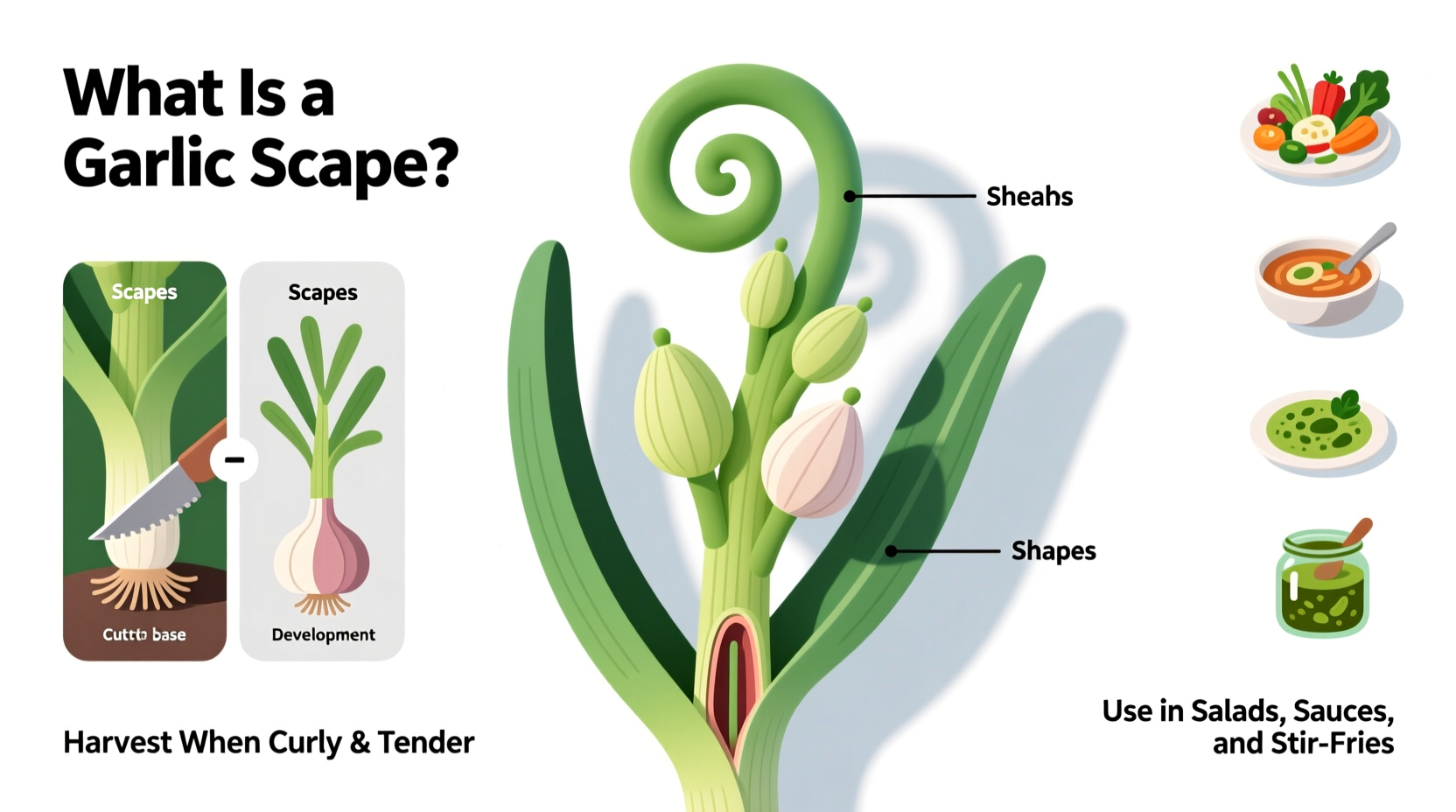
Garlic scape (Allium sativum) is the flowering stalk that emerges from hardneck garlic varieties before bulb maturation. Unlike softneck garlic, which is commonly found in supermarkets, hardneck garlic produces a central flower stalk as part of its natural growth cycle. Farmers and gardeners harvest this stalk when it's young and tender—typically when it forms a single curl or loop—to redirect the plant’s energy into developing larger, more robust bulbs underground.
The scape itself is not a flower yet; rather, it’s the stem that would eventually support a cluster of small bulbils (aerial cloves) if left unharvested. Harvested at peak tenderness, usually between May and July depending on climate, garlic scapes are entirely edible and offer a milder, fresher version of garlic’s signature bite. They belong to the Allium family, sharing botanical roots with onions, leeks, chives, and shallots, but their culinary role is distinct due to their texture and nuanced flavor development over time.
Key Characteristics
| Attribute | Description |
|---|---|
| Flavor Profile | Mildly garlicky with grassy, vegetal notes; less sharp than mature garlic cloves. Develops subtle sweetness when cooked. |
| Aroma | Fresh, clean garlic scent with hints of green onion and herbs. Less lingering than raw garlic. |
| Color & Form | Vibrant green; long, slender, and curly with a firm stalk ending in a swollen bud (umbel). Typically 8–15 inches long. |
| Texture | Tender-crisp when raw or lightly cooked. Becomes silky when sautéed or roasted. Fibrous near the base if overmature. |
| Culinary Function | Used as both an aromatic and a vegetable. Adds depth without overwhelming heat. Ideal for infusions, garnishes, and main components. |
| Shelf Life | 3–7 days at room temperature; up to 2 weeks refrigerated in a damp cloth or sealed container. Freezes well when blanched. |
| Seasonality | Harvested once per year: late spring to early summer (May–July in the Northern Hemisphere). |
Practical Usage: How to Cook with Garlic Scapes
Garlic scapes are remarkably versatile in the kitchen. Their mildness allows them to be used generously without dominating a dish, making them ideal for layering flavor in both raw and cooked applications. Because they possess both the aroma of garlic and the structure of a green vegetable, they bridge the gap between allium and green in ways few other ingredients can.
In professional kitchens, chefs treat scapes as a seasonal treasure, incorporating them into sauces, emulsions, and vegetable medleys where their color, texture, and flavor enhance presentation and taste. At home, they can replace or complement traditional garlic in nearly any recipe—but with added textural interest.
Raw Applications
When eaten raw, garlic scapes deliver a crisp snap and a fresh, slightly spicy kick. Thinly sliced or julienned, they add brightness to salads, slaws, and grain bowls. Try tossing them into a cucumber-radish salad with rice vinegar and sesame oil, or folding them into a yogurt-based herb dip alongside dill and mint.
One standout application is **garlic scape pesto**—a vibrant alternative to basil pesto. Blend cleaned scapes with pine nuts (or walnuts), Parmesan cheese, olive oil, and a touch of lemon juice for a sauce that captures the essence of early summer. This pesto works beautifully tossed with pasta, spread on sandwiches, or dolloped over grilled fish or roasted vegetables.
Cooked Techniques
- Sautéing: Cut into 1-inch pieces and cook in olive oil or butter over medium heat until tender-crisp (about 3–5 minutes). Add to scrambled eggs, frittatas, or risotto for a subtle garlic infusion.
- Roasting: Toss whole or halved scapes with oil, salt, and pepper. Roast at 400°F (200°C) for 15–20 minutes until caramelized and soft. Serve as a side or purée into a silky spread.
- Grilling: Skewer longer pieces or lay directly on the grill. Char lightly for smoky depth—excellent with grilled meats or tofu.
- Pickling: Preserve scapes in a brine of vinegar, sugar, salt, and spices. They retain crunch and develop tangy complexity, perfect for charcuterie boards or Bloody Mary garnishes.
Professional-Level Uses
High-end restaurants often push scapes beyond simple sautés. Chefs may purée blanched scapes into aioli or compound butter, infuse them into cream for soups, or ferment them for umami-rich condiments. Some even dehydrate and powder them for seasoning blends, capturing their essence for off-season use.
A classic technique involves separating the scape into parts: the tender upper coil and the tougher lower stalk. The upper portion, being more delicate, suits raw or quick-cook dishes. The lower third, while fibrous raw, becomes pleasantly chewy when slow-cooked or braised—ideal for stews or ragùs.
Pro Tip: To maximize yield and texture, peel the outer layer of the lower stalk before cooking. This removes stringiness and reveals a tender core suitable for fine dicing or blending.
Variants & Types
While all garlic scapes come from hardneck garlic, there are several subtypes based on garlic variety, each influencing slight differences in size, curl tightness, and flavor intensity:
- Rocambole Scapes: Most common in North America. Known for tight curls and rich, complex flavor. Preferred by chefs for balance of aroma and texture.
- Porcelain Scapes: Thicker and straighter with bolder garlic notes. Often harvested slightly later, requiring peeling for best results.
- Glazed Purple Stripe Scapes: Smaller and more delicate, with a floral undertone. Best used raw or lightly cooked.
In addition to fresh forms, garlic scapes appear in processed formats:
| Type | Best Use Case | Storage Duration |
|---|---|---|
| Fresh Whole | All-purpose; ideal for slicing, roasting, pesto | Up to 2 weeks refrigerated |
| Blanched & Frozen | Pesto base, soups, purées | 6–8 months |
| Pickled | Garnishes, cocktails, antipasti | 6 months unopened; 1 month after opening |
| Dried/Powdered | Seasoning blends, rubs, soups | 1 year in airtight container |
Choosing the right form depends on availability and intended use. Fresh scapes dominate seasonal markets, while frozen or dried versions allow limited year-round access—though none match the vibrancy of freshly harvested stalks.
Comparison with Similar Ingredients
Garlic scapes are frequently mistaken for other alliums or discarded as waste. Clarifying their differences ensures proper usage and appreciation.
| Ingredient | How It Differs from Garlic Scape | Substitution Ratio |
|---|---|---|
| Mature Garlic Cloves | Stronger, sharper flavor; no vegetable texture. Used primarily as an aromatic. | 1 clove ≈ 1 tbsp minced scape (but scapes lack punch) |
| Green Onions (Scallions) | Milder, more onion-like; hollow green tubes vs. solid green stalks. | Equal volume, but expect less garlic presence |
| Chives | Delicate, grassy, and floral; used only in small amounts as garnish. | 3 parts chives ≈ 1 part scape (due to potency difference) |
| Leek Greens | Fibrous and sweet; require extensive cleaning and longer cooking. | Not ideal substitute—different texture and flavor profile |
| Asparagus | Similar shape and cooking behavior, but lacks allium character. | Visual substitute only; flavor will be missing |
“Garlic scapes are one of those rare ingredients that are both sustainable and luxurious. You’re using a part of the plant that would otherwise go to waste, and you get something uniquely delicious in return.”
— Chef Naomi Hartman, Field & Vine Restaurant
Practical Tips & FAQs
How do I select the best garlic scapes?
Look for firm, uniformly green stalks with tight curls and no signs of wilting, yellowing, or bulging buds. Avoid overly thick or woody stems, which indicate over-maturity. The scape should snap crisply when bent—not bend limply.
Do I need to peel garlic scapes?
The upper two-thirds rarely require peeling. However, the lower inch or two can become fibrous. If resistance is felt when biting into a raw piece, peel the tough outer layer with a vegetable peeler or paring knife.
Can I eat the flower bud (umbel)?
Yes. The small, bulbous tip at the end of the scape is entirely edible. When young, it’s tender and flavorful. As it matures, it may contain tiny bulbils that can be planted or pickled separately.
How should I store garlic scapes?
Wrap loosely in a damp paper towel and place in a sealed container or produce bag in the crisper drawer. Do not wash until ready to use. For long-term storage, blanch for 90 seconds, cool in ice water, drain thoroughly, and freeze in airtight bags.
Are garlic scapes spicy?
They have a gentle heat—nowhere near raw garlic—but can build warmth in large quantities. Cooking mellows the spice significantly. Those sensitive to alliums should sample cautiously.
What dishes work best with garlic scapes?
Top performers include:
- Pasta with garlic scape oil and breadcrumbs
- Stir-fried scapes with mushrooms and tofu
- Quiches and savory tarts
- Bean salads with lemon vinaigrette
- Roasted potato hash with diced scapes
- Compound butter for steak or corn
Can I grow my own garlic scapes?
Absolutely. Plant hardneck garlic cloves in the fall (October–November in most zones). In late spring, watch for the central stalk to emerge and begin curling. Harvest when the first loop forms—this encourages larger bulb development and provides scapes for cooking. One garlic plant yields one scape.
Storage Hack: Stand scapes upright in a glass with an inch of water (like cut flowers), cover loosely with a plastic bag, and refrigerate. Change water every two days to extend freshness up to 10 days.
Summary & Key Takeaways
Garlic scapes are far more than a gardening byproduct—they are a seasonal culinary gem with a balanced garlic flavor and versatile texture. Harvested from hardneck garlic plants, these curly green stalks offer a fresher, milder alternative to mature cloves while functioning as both aromatic and vegetable.
Key points to remember:
- Garlic scapes are available seasonally, typically May to July.
- They feature a tender-crisp texture and mild, garlicky flavor that intensifies slightly when cooked.
- The entire scape is edible, though the lower portion may benefit from peeling.
- Ideal uses include pesto, sautés, roasting, pickling, and compound butters.
- They outperform mature garlic in dishes requiring texture and subtlety.
- Proper storage extends shelf life; freezing preserves them for off-season use.
- No direct substitute fully replicates their unique combination of taste and mouthfeel.
Embracing garlic scapes means embracing seasonality, sustainability, and creative cooking. By understanding their biology, flavor, and function, home cooks gain access to a premium ingredient that elevates everyday meals with minimal effort. Seek them out at farmers’ markets, treat them with care, and let their verdant curl inspire your next kitchen experiment.
Next time you see garlic scapes, don’t hesitate—grab a bunch and try making a simple scape pesto or sauté. Your palate will thank you, and you’ll join a growing community of cooks who value underutilized, flavorful, and sustainable ingredients.




 浙公网安备
33010002000092号
浙公网安备
33010002000092号 浙B2-20120091-4
Comments
No comments yet. Why don't you start the discussion?