
Lemon zest is one of the most potent and underutilized ingredients in both home and professional kitchens. While many cooks reach for bottled juice or dried herbs to brighten a dish, few fully appreciate the aromatic intensity and culinary versatility of fresh lemon zest. Unlike the juice, which delivers acidity, lemon zest offers concentrated citrus oil—bursting with volatile compounds that elevate flavor without adding liquid. This small but powerful ingredient can transform desserts, sauces, marinades, and even savory dishes with just a pinch. Understanding how to extract, store, and apply lemon zest properly unlocks a new dimension of taste, making it an essential tool for any cook seeking depth, brightness, and balance.
Definition & Overview
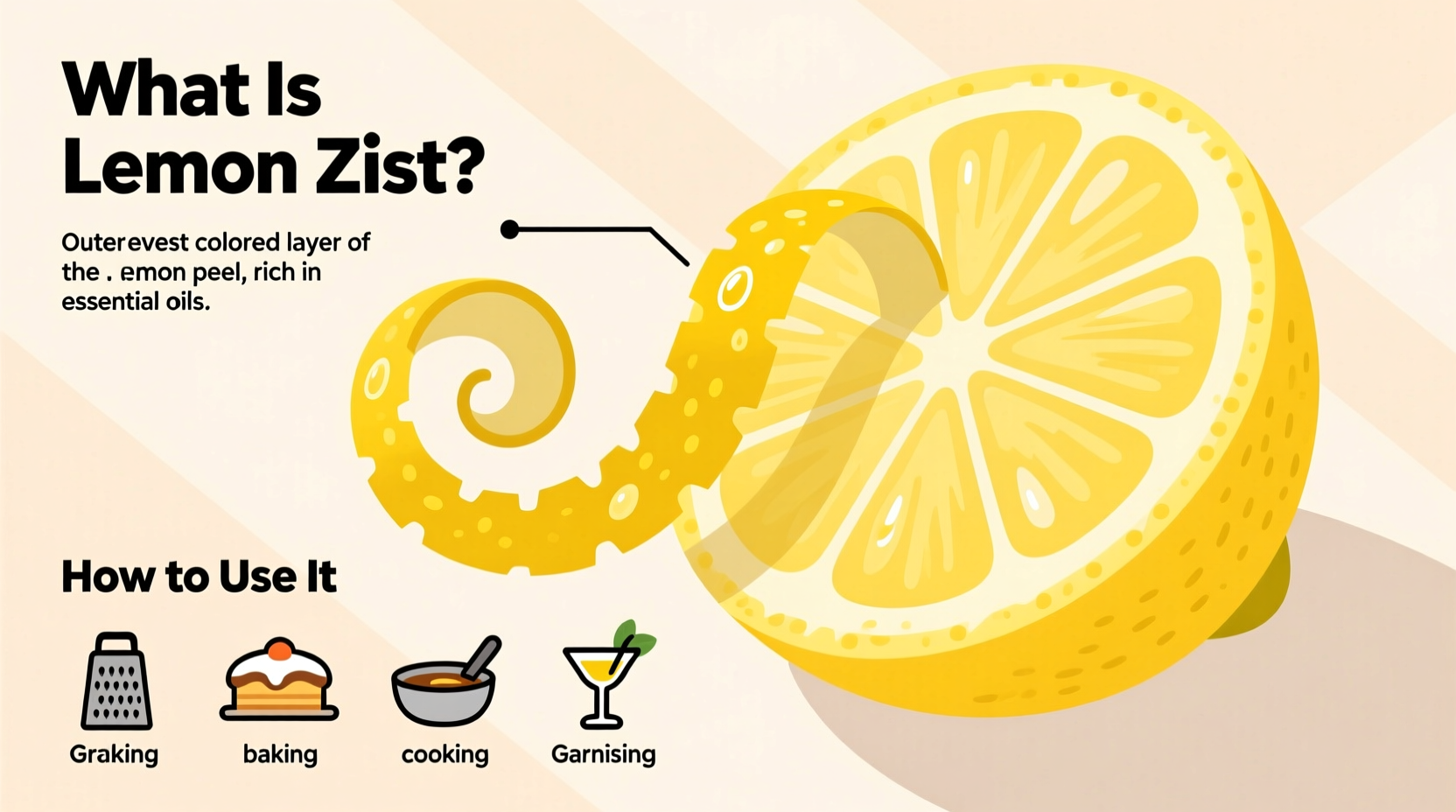
Lemon zest refers to the outermost colored layer of a lemon’s peel—typically no more than 1/16 inch (1.5 mm) thick—removed before reaching the bitter white pith beneath. This thin rind contains specialized oil glands packed with limonene, citral, and other aromatic compounds responsible for the fruit’s signature citrus scent and flavor. Because these oils are highly concentrated, a small amount of zest imparts significantly more fragrance and taste than juice alone.
Zesting has been part of culinary tradition for centuries, particularly in Mediterranean, Middle Eastern, and French cuisines, where lemons were historically grown and prized for both preservation and seasoning. Today, lemon zest is used globally across sweet and savory applications, from Italian biscotti to Indian curries and American seafood preparations. Its role extends beyond mere garnish; it functions as a flavor catalyst, enhancing other ingredients while contributing its own vibrant profile.
In modern gastronomy, chefs often prefer fresh zest over artificial flavorings because of its natural complexity and lack of aftertaste. It integrates seamlessly into batters, doughs, rubs, and reductions, releasing its essence gradually during cooking or providing a bright finish when added at the end.
Key Characteristics
| Characteristic | Description |
|---|---|
| Flavor Profile | Bright, tangy, floral, slightly sweet, with herbal undertones. More complex than juice due to essential oils. |
| Aroma | Intensely citrusy, refreshing, perfumed. Volatile oils evaporate quickly when heated. |
| Color/Form | Thin strips, fine shreds, or powder. Bright yellow to pale gold depending on lemon variety. |
| Heat Sensitivity | Best added late in cooking or raw to preserve aroma. Prolonged heat diminishes potency. |
| Culinary Function | Flavor enhancer, aromatic accent, balancing agent in sweet and savory dishes. |
| Shelf Life (Fresh) | Up to 3 days at room temperature; 1 week refrigerated in airtight container. |
| Shelf Life (Dried/Frozen) | Frozen: up to 6 months. Dried: 6–12 months, though less vibrant. |
Practical Usage: How to Use Lemon Zest in Cooking
The true power of lemon zest lies in its ability to amplify and refine flavors without altering texture or moisture content. Because it contains no water, unlike juice, it integrates cleanly into dry mixes, spice blends, and fat-based preparations like buttercreams or vinaigrettes.
Baking & Desserts
In baking, lemon zest enhances cakes, cookies, muffins, and custards by adding a top-note citrus lift that cuts through richness. When creaming butter and sugar, adding zest early allows the oils to disperse evenly throughout the fat, ensuring consistent flavor distribution. For example, in a classic lemon pound cake, two teaspoons of finely grated zest will intensify the citrus character far more effectively than juice alone.
Dessert applications also include:
- Infusing syrups for poached fruits or soaking cakes
- Mixing into whipped cream or mascarpone fillings
- Stirring into lemon curd or marmalade for extra depth
- Garnishing tarts and pies for visual appeal and aroma
Savory Dishes
Lemon zest plays a crucial role in savory cuisine by balancing fatty, salty, or umami-rich ingredients. A light grating over grilled fish, roasted vegetables, or pasta dishes adds freshness without diluting consistency. In Mediterranean recipes like Greek lemon potatoes or Italian risotto al limone, zest contributes to the core flavor identity alongside juice.
It works exceptionally well in:
- Marinades for chicken, fish, or lamb—combined with olive oil, garlic, and herbs
- Salad dressings and grain bowls—especially with quinoa, farro, or couscous
- Seafood dishes—such as seared scallops or shrimp scampi
- Compound butters—mixed with softened butter, herbs, and black pepper
Pro Tip: Always zest lemons before juicing them. Whole fruits are easier to handle, and you avoid losing precious oils during squeezing. If using immediately, let the zest sit for 30 seconds to allow aromas to bloom before incorporating.
Professional Techniques
Restaurant chefs often employ advanced methods to maximize zest utility:
- Oil Infusion: Steeping zest in warm neutral oil (like grapeseed) for 1–2 hours creates a fragrant base for dressings or finishing drizzles.
- Sugar Curing: Mixing zest with granulated sugar and drying overnight yields \"lemon sugar,\" ideal for rimming cocktail glasses or flavoring shortbread.
- Dehydrating: Using a food dehydrator or low oven (170°F / 75°C) to dry zest produces a shelf-stable product that can be ground into powder for long-term use.
Variants & Types of Lemon Zest
While all lemon zest comes from citrus peels, different varieties and preparation forms affect flavor intensity and application.
| Type | Source Fruit | Flavor Notes | Best Uses |
|---|---|---|---|
| Fresh Grated | Eureka or Lisbon lemons | Bright, sharp, immediate aroma | Immediate use in baking, sauces, garnishes |
| Microplaned | Meyer lemons preferred | Sweeter, floral, lower acidity | Desserts, cocktails, delicate dishes |
| Strip-Cut (Chiffonade) | Organic unwaxed lemons | Visual appeal, slower release | Candied peels, braises, infusions |
| Frozen | Any lemon, pre-grated | Nearly identical to fresh if frozen promptly | Long-term storage, batch cooking |
| Dried/Powdered | Commercial or homemade | Muted, earthier, less volatile | Spice blends, rubs, shelf-stable recipes |
Meyer lemons, a hybrid between lemons and mandarins, produce a uniquely floral and honeyed zest ideal for desserts and cocktails. However, they are more perishable and less acidic, so substitutions should consider the desired balance of sweetness and tartness.
Comparison with Similar Ingredients
Lemon zest is frequently confused with related citrus products. Understanding distinctions ensures proper usage.
| Ingredient | Difference from Lemon Zest | When to Use Instead |
|---|---|---|
| Lemon Juice | Provides acidity and liquid; lacks aromatic oils | When need for pH adjustment, tenderizing, or volume |
| Lemon Extract | Alcohol-based concentrate; may contain additives | Baking when fresh zest unavailable; stronger shelf life |
| Lemon Oil | Pure essential oil; extremely concentrated, not food-grade unless labeled | Only in minute drops for confections; never substitute 1:1 |
| Lime or Orange Zest | Different aromatic profiles—lime is sharper, orange sweeter | For recipe-specific citrus notes; not interchangeable without adjustment |
| Bottled/Canned Zest | Often pasteurized, less vibrant, may contain preservatives | Avoid unless emergency; fresh is vastly superior |
“Zest isn’t just a garnish—it’s the soul of the lemon. I use it like salt: to season, not dominate. A quarter teaspoon can redefine an entire sauce.” — Claire Nguyen, Executive Pastry Chef, The Marlowe Group
Practical Tips & FAQs
How much zest does one lemon yield?
A medium-sized lemon (about 3 oz / 85 g) typically yields 1 to 1½ teaspoons of finely grated zest. Yield varies based on thickness of peel and grating method.
What tools should I use to zest a lemon?
Recommended tools include:
- Microplane grater: Best for fine, fluffy zest with minimal pith
- Box grater (fine side): Effective but harder to control depth
- Zester with curved blades: Produces narrow ribbons for garnish
- Paring knife: For wide strips used in braises or candying
Avoid cheese graters with large holes—they tend to dig into the pith.
Can I substitute lemon zest with something else?
Yes, but with caveats:
- 2:1 ratio: Substitute ½ tsp lemon extract for every 1 tsp fresh zest (reduce liquids slightly)
- Dried zest: Use ¾ tsp dried for every 1 tsp fresh (less aromatic)
- Lime zest: Offers similar acidity but distinct flavor—best in tropical or Mexican-inspired dishes
- Orange zest: Sweeter and rounder; suitable in baked goods but alters profile
Do I need organic lemons for zesting?
Strongly recommended. Conventional lemons are often waxed and treated with pesticides that concentrate in the peel. Washing helps, but cannot remove all residues. If non-organic is all you have, scrub thoroughly with baking soda and hot water, then rinse and dry.
How do I store lemon zest?
Options include:
- Short term: Wrap in parchment, place in airtight container, refrigerate up to 1 week
- Long term: Freeze in single layers on a tray, then transfer to freezer bag—lasts 6 months
- Drying: Spread on tray, dehydrate at 115°F (46°C) for 6–8 hours, then grind into powder
Why does my zest taste bitter?
Bitterness indicates pith inclusion. The white mesocarp beneath the zest contains limonin and naringin—compounds that become increasingly bitter over time. Always grate lightly and stop at the first sign of white.
Can I zest other citrus fruits the same way?
Absolutely. The technique applies universally to limes, oranges, grapefruits, and bergamot. Adjust expectations: grapefruit zest is more floral and slightly bitter, while blood orange zest carries berry-like nuances.
Mini Case Study: At a Brooklyn bakery, switching from bottled lemon flavoring to fresh Meyer lemon zest increased customer ratings for their lemon bars by 37%. Tasters described the new version as “livelier” and “more authentic,” proving that even subtle changes in ingredient form impact perceived quality.
Summary & Key Takeaways
Lemon zest is not merely a byproduct of juicing—it is a standalone flavor powerhouse. Composed of aromatic citrus oils housed in the peel’s outer layer, it delivers intense, nuanced flavor without adding moisture. Whether used in baking, marinades, or finishing dishes, its ability to brighten and balance makes it indispensable.
Key points to remember:
- Lemon zest contains essential oils that provide fragrance and complexity unmatched by juice or extracts.
- Always use fresh, preferably organic lemons, and zest before cutting or juicing.
- Avoid the white pith to prevent bitterness.
- Store excess zest in the freezer for future use—quality remains high for months.
- Different citrus varieties offer unique profiles; choose based on dish requirements.
- Never confuse zest with juice or extract—each serves a distinct culinary function.
Mastering the use of lemon zest elevates everyday cooking. It reflects a deeper understanding of flavor layering—the hallmark of skilled home and professional chefs alike. By treating zest as a primary ingredient rather than an afterthought, cooks gain access to a brighter, more dynamic kitchen repertoire.




 浙公网安备
33010002000092号
浙公网安备
33010002000092号 浙B2-20120091-4
Comments
No comments yet. Why don't you start the discussion?