
Lentils are among the most versatile, nutritious, and widely consumed legumes in the world. Found in kitchens from India to Italy, they form the backbone of countless traditional dishes while meeting modern demands for plant-based protein, fiber, and sustainable eating. Despite their ubiquity, many home cooks remain uncertain about how to choose, prepare, and fully utilize different lentil varieties. This guide clarifies what lentils are, explores their health advantages, outlines practical cooking methods, and distinguishes between types to help you use them with confidence and precision.
Definition & Overview
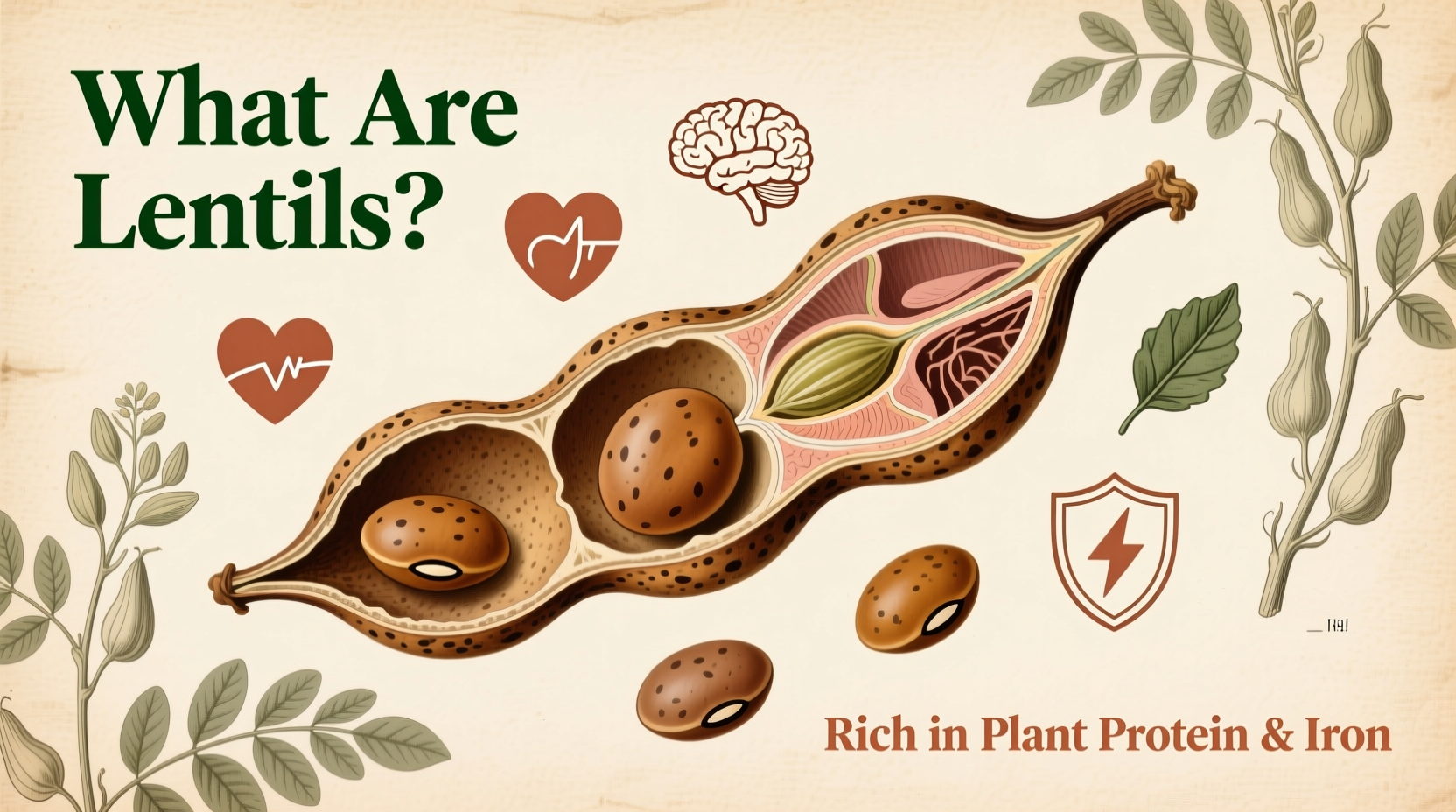
Lentils (Lens culinaris) are edible pulses—small, lens-shaped seeds belonging to the legume family. One of the earliest domesticated crops, lentils have been cultivated for over 10,000 years, with archaeological evidence tracing their origins to the Near East. Today, they are a staple in diets across South Asia, the Middle East, North Africa, and increasingly in Western plant-forward cuisine.
Beyond their historical significance, lentils offer an exceptional nutritional profile: rich in plant-based protein, complex carbohydrates, dietary fiber, iron, folate, and essential minerals like magnesium and potassium. Unlike many legumes, they require no pre-soaking and cook relatively quickly, making them ideal for weeknight meals. Their ability to absorb flavors while maintaining texture makes them invaluable in soups, stews, salads, curries, and even veggie burgers.
Key Characteristics
Lentils vary significantly by type, but share core traits that define their culinary function:
- Shape: Typically flat and biconvex, resembling a tiny lens (from which their name derives).
- Size: Ranging from 4 to 8 mm in diameter depending on variety.
- Flavor Profile: Earthy, nutty, mildly sweet or peppery notes; intensity varies by color and processing.
- Texture: Can be soft and creamy when cooked (e.g., red lentils), or firm and separate (e.g., French green lentils).
- Cooking Time: Between 15–45 minutes, depending on variety—no soaking required.
- Shelf Life: Up to 2–3 years when stored in a cool, dry place in an airtight container.
- Culinary Function: Thickening agent, protein source, meat substitute, grain bowl base, soup enhancer.
Pro Tip: Always rinse lentils under cold water before cooking to remove dust or debris. While not necessary for all types, sorting through dry lentils ensures no small stones or shriveled pieces remain.
Variants & Types
The choice of lentil dramatically affects both cooking time and final dish outcome. Understanding the differences allows precise application in recipes.
1. Brown Lentils
The most common variety in supermarkets, brown lentils hold their shape moderately well after cooking. With a mild, earthy flavor, they are ideal for general-purpose use. Cook in 20–30 minutes.
Best for: Hearty soups, stews, casseroles, shepherd’s pie fillings, and Indian dals.
2. Green Lentils
Slightly larger and firmer than brown, green lentils have a more pronounced peppery bite. French green lentils (lentilles du Puy) are a premium sub-variety known for exceptional texture and flavor complexity.
Best for: Cold salads, side dishes, ragouts, and dishes where distinct, intact lentils are desired.
3. Red and Yellow Lentils
Often sold as split and hulled, these cook quickly into a soft, creamy consistency. Red lentils turn golden-orange when cooked; yellow ones maintain a bright hue. Both have a subtly sweet profile.
Best for: Indian dals, Middle Eastern mujadara variations, pureed soups, baby food, and thickening curries.
4. Black (Beluga) Lentils
Named for their resemblance to caviar, beluga lentils are small, glossy, and jet-black. They retain a firm texture and rich umami depth after cooking.
Best for: Elegant salads, grain bowls, gourmet side dishes, and vegan “caviar” presentations.
5. Puy Lentils
A protected designation of origin (PDO) variety grown in the volcanic soils of Le Puy, France. These small blue-green lentils are prized for their firmness, nuttiness, and ability to stay al dente.
Best for: Salads, upscale vegetarian entrées, and pairing with vinaigrettes and roasted vegetables.
| Type | Color | Cook Time | Texture When Cooked | Primary Culinary Use |
|---|---|---|---|---|
| Brown | Khaki brown | 20–30 min | Soft, slightly mushy | Stews, soups, basic dals |
| Green | Olive green | 25–35 min | Firm, holds shape | Salads, side dishes |
| Red (Split) | Orange when cooked | 15–20 min | Creamy, disintegrates | Dals, purees, thickening |
| Yellow | Bright yellow | 15–20 min | Soft, mushy | Curries, porridges |
| Black (Beluga) | Glossy black | 25–30 min | Firm, chewy | Salads, gourmet dishes |
| Puy | Blue-green speckled | 25–30 min | Very firm, al dente | Specialty salads, fine dining |
Practical Usage: How to Use Lentils in Cooking
Lentils are adaptable across cuisines and skill levels. The key is matching the right type to the intended texture and flavor role.
Basic Cooking Method (for whole, unsplit lentils)
- Rinse 1 cup lentils under cold water.
- Use a 3:1 water-to-lentil ratio (3 cups liquid per 1 cup lentils).
- Bring to a boil, then reduce to a simmer.
- Cover and cook until tender: 15–45 minutes depending on variety.
- Drain excess liquid if needed.
For richer flavor, cook lentils in vegetable or bone broth instead of water. Add aromatics such as bay leaves, garlic, onion, or cumin during simmering—avoid acidic ingredients (tomatoes, vinegar, lemon juice) until the end, as they slow softening.
Using Lentils in Everyday Meals
- Breakfast: Simmer red lentils into a savory porridge spiced with turmeric, ginger, and coconut milk. Top with sautéed greens and a poached egg.
- Lunch: Combine cooled green lentils with diced cucumber, cherry tomatoes, parsley, and a Dijon vinaigrette for a protein-rich salad.
- Dinner: Substitute ground meat with brown lentils in Bolognese sauce or tacos. Sauté with onions, garlic, smoked paprika, and tomato paste for depth.
- Sides: Serve beluga lentils warm with roasted root vegetables and a drizzle of balsamic glaze.
- Snacks: Mash cooked lentils with tahini, lemon, and herbs for a quick dip served with crudités.
Chef’s Note: To enhance digestibility and reduce bloating, add a strip of kombu seaweed to the cooking water. Its natural enzymes help break down oligosaccharides, the complex sugars responsible for gas production in legumes.
Comparison with Similar Ingredients
Lentils are often confused with other legumes. Understanding distinctions prevents substitution errors and improves results.
| Ingredient | Differences from Lentils | When to Choose Instead |
|---|---|---|
| Chickpeas | Larger, denser, nuttier; require longer cooking (unless canned); less creamy when mashed. | For hummus, falafel, or chunky salads needing firm beans. |
| Black Beans | Higher starch content, softer when cooked; stronger earthy flavor. | In Latin American dishes like burritos or Cuban black bean soup. |
| Split Peas | Similar size and cooking behavior to red lentils but derived from peas; yellower and slightly sweeter. | Classic split pea soup—where extended simmering and thickening are desired. |
| Quinoa | Not a legume but a seed; complete protein; fluffier texture; requires rinsing to remove saponins. | When a gluten-free, fluffy grain-like base is preferred without legume flavor. |
\"Lentils are the unsung heroes of pantry cooking. They deliver nutrition, texture, and sustainability in one affordable package. A chef who masters lentils can feed people well, every day.\" — Clara Nguyen, Chef-Instructor, Sustainable Cuisine Institute
Nutritional Benefits and Health Impact
Lentils are a powerhouse of plant-based nutrition. A single cooked cup (about 198g) provides:
- Protein: 18 grams—comparable to two eggs, ideal for vegetarians and vegans.
- Fiber: 15.6 grams (over 50% of daily needs), supporting gut health and satiety.
- Folate (B9): 90% of the recommended daily intake, crucial for cell division and prenatal health.
- Iron: 6.6 mg (37% DV), especially important for those avoiding red meat. Pair with vitamin C-rich foods (like bell peppers or citrus) to boost absorption.
- Low Glycemic Index: Slow-release carbohydrates help regulate blood sugar, beneficial for diabetics.
- Phytonutrients: Rich in polyphenols and antioxidants linked to reduced inflammation and cardiovascular protection.
Regular consumption of lentils has been associated with lower LDL cholesterol, improved digestion, and reduced risk of chronic diseases including type 2 diabetes and colorectal cancer. Their high fiber and protein content also promotes prolonged fullness, aiding in weight management.
Practical Tips & FAQs
Can I use canned lentils?
Yes. Canned lentils are pre-cooked and convenient for last-minute salads or soups. Rinse thoroughly to reduce sodium. They work best with brown or green varieties. Avoid canned red lentils, which often turn overly soft.
How do I store cooked lentils?
Cool completely, then store in an airtight container in the refrigerator for up to 5 days. For longer storage, freeze in portion-sized containers for up to 6 months. Thaw in the fridge or reheat directly from frozen in soups.
Are lentils gluten-free?
Yes, lentils are naturally gluten-free. However, cross-contamination may occur in facilities that process wheat. Look for certified gluten-free labels if sensitivity is a concern.
Why do my lentils come out mushy?
Overcooking or using split/hulled lentils (like red) in applications requiring firm texture causes mushiness. For salads, choose whole lentils like Puy or green and avoid adding acid too early.
Do lentils cause gas? How can I reduce it?
Like all legumes, lentils contain raffinose-family oligosaccharides, which gut bacteria ferment, producing gas. To minimize discomfort:
- Rinse dried lentils well.
- Discard soaking water (if pre-soaked).
- Add kombu during cooking.
- Introduce lentils gradually into your diet to allow gut microbiota to adapt.
What is the best lentil for weight loss?
All lentils support weight management due to high fiber and protein. Red and yellow lentils, being low in fat and highly satiating when pureed into soups, are excellent for calorie-conscious meals.
Can I substitute one lentil for another?
Substitutions depend on texture goals:
- Use brown lentils in place of green in soups.
- Do not substitute red lentils for Puy in salads—they will disintegrate.
- Black lentils can stand in for beluga; avoid substituting split lentils in grain salads.
Expert Applications: Restaurant-Style Techniques
Professional kitchens leverage lentils beyond standard soups. Consider these elevated uses:
- Lentil Caviar: Toss beluga lentils with shallots, chives, lemon zest, and crème fraîche for an elegant appetizer served on toast points.
- Vegetable Lox: Marinate cooked black lentils in liquid smoke, tamari, maple syrup, and nori flakes to mimic smoked salmon texture and flavor.
- Lentil Foam: Blend red lentil purée with herbs and aerate using a hand blender for a light garnish on composed plates.
- Pasta Reinforcement: Mix cooked, mashed lentils into fresh pasta dough for added nutrition and a subtle earthy note.
In fine dining, chefs often finish lentil dishes with a finishing oil—a high-quality extra virgin olive oil, walnut oil, or chili oil drizzled at the end to elevate aroma and mouthfeel.
Summary & Key Takeaways
Lentils are far more than a simple pantry staple—they are a dynamic, nutrient-dense ingredient capable of anchoring everything from rustic weeknight meals to refined culinary creations. Their diversity in color, texture, and flavor allows precise adaptation to any dish. Whether you're seeking plant-based protein, digestive health support, or budget-friendly meal solutions, lentils deliver.
- Choose wisely: Match lentil type to desired texture—firm for salads, soft for soups.
- Cook smart: Avoid acid until the end, use broth for flavor, and consider kombu for digestibility.
- Store properly: Keep dried lentils in airtight containers; refrigerate or freeze cooked batches.
- Embrace versatility: Use in breakfasts, mains, sides, dips, and even desserts (lentil flour in baking).
- Maximize nutrition: Combine with grains for complete protein and vitamin C-rich foods to enhance iron absorption.
Call to Action: Try this tonight—simmer 1 cup red lentils in 3 cups coconut milk with 1 tsp turmeric, 1/2 tsp cumin, and a pinch of salt. Stir in chopped spinach at the end. Serve with naan or rice for a nourishing, ten-minute meal.




 浙公网安备
33010002000092号
浙公网安备
33010002000092号 浙B2-20120091-4
Comments
No comments yet. Why don't you start the discussion?