
A Pap smear, also known as a Pap test, is a routine screening tool used to detect abnormal cells on the cervix that could indicate precancerous or cancerous changes. For many people with a cervix, this test is a regular part of preventive healthcare. While the procedure itself is quick, the waiting period for results can feel long and uncertain. Understanding the typical timeline, factors influencing delays, and what different results mean can help reduce anxiety and empower informed decisions about your health.
How Long Do Pap Smear Results Usually Take?
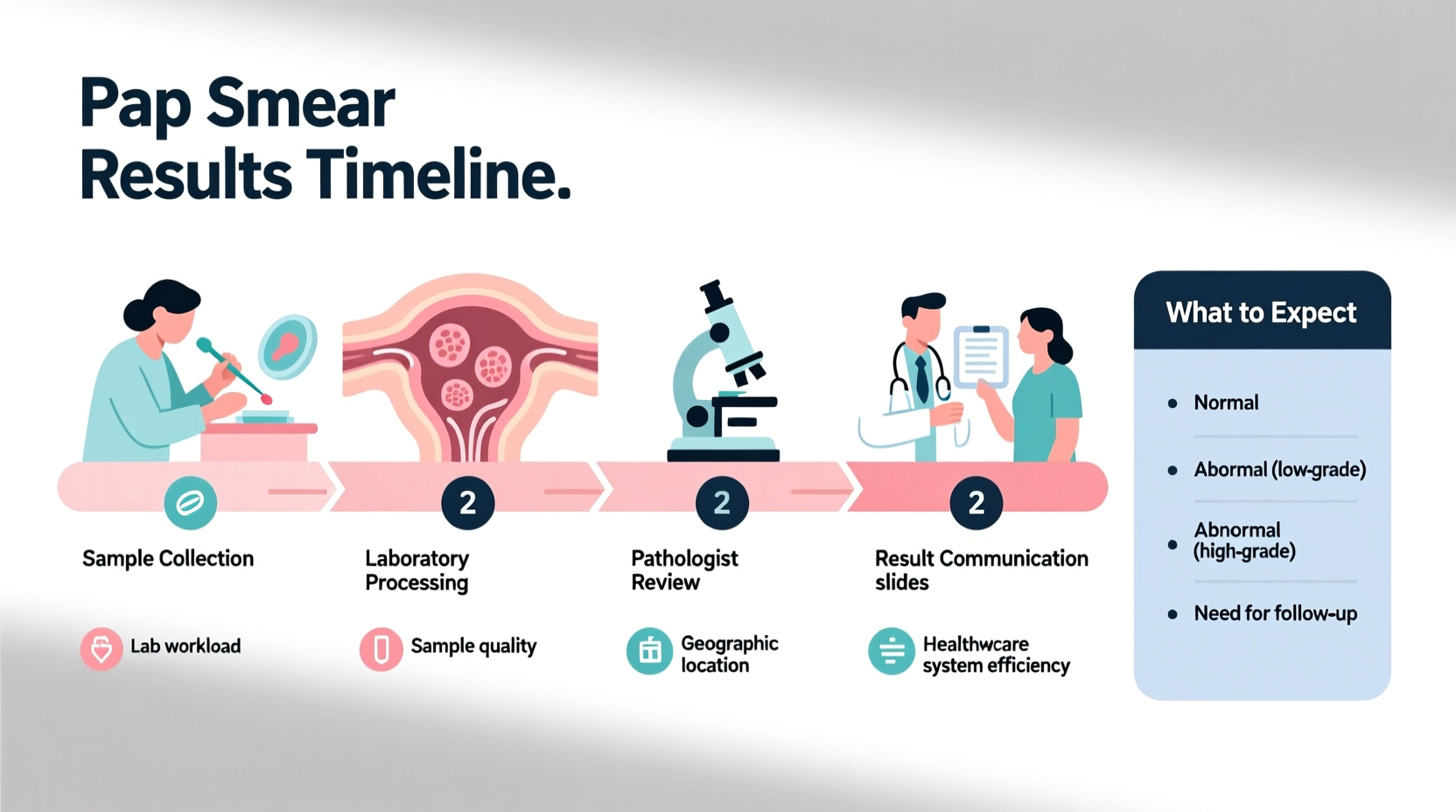
In most cases, Pap smear results are available within 1 to 3 weeks after the test. However, this timeframe is not universal and can vary significantly depending on several factors. Some clinics offer rapid processing and may notify patients in as little as 5 to 7 days, while others—particularly those in rural or under-resourced areas—may take up to 4 weeks.
The delay between sample collection and results stems from the multi-step laboratory process: specimen transport, slide preparation, microscopic analysis by a cytotechnologist, and final review by a pathologist. If abnormalities are detected, additional testing such as HPV typing or reflex testing may be required, extending the wait.
Factors That Affect the Waiting Time
Several variables influence how quickly you receive your Pap smear results. Being aware of these can help set realistic expectations.
- Laboratory workload: High volumes of samples can slow down processing, especially in public hospitals or centralized labs.
- Geographic location: Urban clinics with on-site labs often return results faster than rural providers who must ship samples to external facilities.
- Type of test performed: A standard Pap smear may be processed quicker than co-testing (Pap + HPV test), which involves additional molecular analysis.
- Clinic follow-up protocols: Some offices only contact patients if results are abnormal, while others send all results through patient portals. This affects perceived wait times.
- Holiday periods or staffing shortages: Lab delays can occur during holidays, vacations, or due to technician turnover.
“Timely communication of Pap results is critical. Delays shouldn’t compromise care—but patients should feel empowered to follow up if they haven’t heard within three weeks.” — Dr. Lena Reyes, Gynecologic Pathologist
What Happens After the Sample Is Collected?
After your provider collects cervical cells using a speculum and small brush or spatula, the sample is preserved in liquid or smeared onto a slide. It’s then sent to a pathology lab. Here’s a step-by-step breakdown of the post-collection process:
- Transport: The sample is labeled and shipped to the lab, typically within 24–48 hours.
- Processing: In the lab, cells are transferred to a slide or vial for staining and analysis.
- Screening: A cytotechnologist examines the slide under a microscope for abnormal cell morphology.
- Pathologist Review: Suspicious findings are confirmed or reclassified by a board-certified pathologist.
- Reporting: The final diagnosis is entered into a system and sent to your healthcare provider.
- Notification: Your doctor’s office contacts you or uploads the result to an electronic health record portal.
If the initial analysis shows unclear or borderline changes, the lab may perform reflex HPV testing to determine if high-risk strains are present. This adds 3–7 days to the total turnaround time.
Interpreting Your Pap Smear Results
Pap results are classified using the Bethesda System, a standardized reporting method. Understanding what each category means can reduce confusion and fear.
| Result | Meaning | Next Steps |
|---|---|---|
| Normal (Negative) | No abnormal cells detected | Routine screening in 3–5 years, depending on age and HPV status |
| ASC-US (Atypical Squamous Cells of Undetermined Significance) | Slight cell changes, often due to infection or inflammation | HPV testing; repeat Pap in 12 months or colposcopy if HPV+ |
| LSIL (Low-Grade Squamous Intraepithelial Lesion) | Mild cell changes, usually linked to HPV | Colposcopy recommended |
| HSIL (High-Grade Squamous Intraepithelial Lesion) | Significant abnormal changes, higher cancer risk | Immediate colposcopy and possible biopsy |
| AGC (Atypical Glandular Cells) | Abnormal glandular cells, potentially more serious | Further evaluation with colposcopy and possibly endometrial sampling |
Real-Life Example: Navigating a Delayed Result
Maya, a 32-year-old teacher, had her first Pap smear in two years during a routine OB-GYN visit. She was told results would take “about two weeks.” When no call came by day 18, she began worrying—was silence a bad sign? She logged into her patient portal and found a note: “Results pending HPV reflex testing.” Relieved it wasn’t lost, she called her clinic for clarification. The nurse explained that her initial Pap showed ASC-US cells, prompting automatic HPV testing. Ten days later, the full report returned negative for high-risk HPV, and Maya was advised to repeat the Pap in 12 months.
Maya’s experience highlights two key points: not all delays signal problems, and proactive follow-up ensures clarity.
What You Can Do While Waiting
The waiting period can trigger stress, but there are constructive ways to manage it.
📋 Pap Smear Waiting Period Checklist:- Write down any symptoms you’ve noticed (e.g., unusual bleeding, discharge).
- Note the date of your test and when you expect results.
- Set a reminder to follow up if you haven’t heard back in 21 days.
- Avoid self-diagnosing based on internet searches.
- Reach out to your provider’s office for updates—most welcome respectful inquiries.
- Use secure patient portals to check for updates in real time.
Remember, no news does not mean bad news. Many clinics only contact patients with abnormal results, assuming normal outcomes require no action. However, you have a right to access your full medical record.
Frequently Asked Questions
What if I don’t get my results after three weeks?
Contact your healthcare provider. Delays happen, but it’s reasonable to follow up after 21 days. Some offices automatically release normal results via patient portals—if you have access, check there first.
Can a Pap smear miss cervical cancer?
While highly effective, Pap smears aren’t perfect. False negatives occur in about 10–20% of tests, usually due to poor sample collection or subtle cellular changes. This is why regular screening—at recommended intervals—is essential for early detection.
Does an abnormal result mean I have cancer?
No. Abnormal results usually indicate precancerous changes, not cancer. Conditions like LSIL or HSIL describe cell changes that, if left untreated, could progress over years. Most resolve naturally, especially in younger people. Follow-up care prevents progression.
Final Thoughts and Next Steps
Waiting for Pap smear results can be stressful, but understanding the process—from collection to interpretation—brings clarity and control. Most results come back normal, and even abnormal findings are highly treatable when caught early. Knowing what influences timing, how to interpret outcomes, and when to follow up transforms uncertainty into informed action.
Your health is worth advocating for. Whether scheduling your next screening or calling your clinic for overdue results, taking initiative supports long-term well-being. Cervical cancer is one of the most preventable cancers—thanks largely to consistent Pap testing and HPV vaccination. Stay proactive, ask questions, and trust that modern medicine offers powerful tools for prevention.




 浙公网安备
33010002000092号
浙公网安备
33010002000092号 浙B2-20120091-4
Comments
No comments yet. Why don't you start the discussion?