
Poultry spice is one of those quietly essential seasonings that appears on ingredient lists without fanfare but delivers profound depth when used correctly. Despite its name, it’s not a single spice but a carefully balanced blend designed to complement the mild, delicate nature of chicken, turkey, duck, and other birds. Found in both commercial and homemade forms, poultry spice enhances savory dishes while avoiding overpowering flavors. For cooks aiming to elevate roasted meats, stuffing, soups, or gravies, understanding this blend—its components, applications, and nuances—is fundamental. This guide explores the composition, function, and culinary versatility of poultry spice, offering practical insights for everyday use.
Definition & Overview
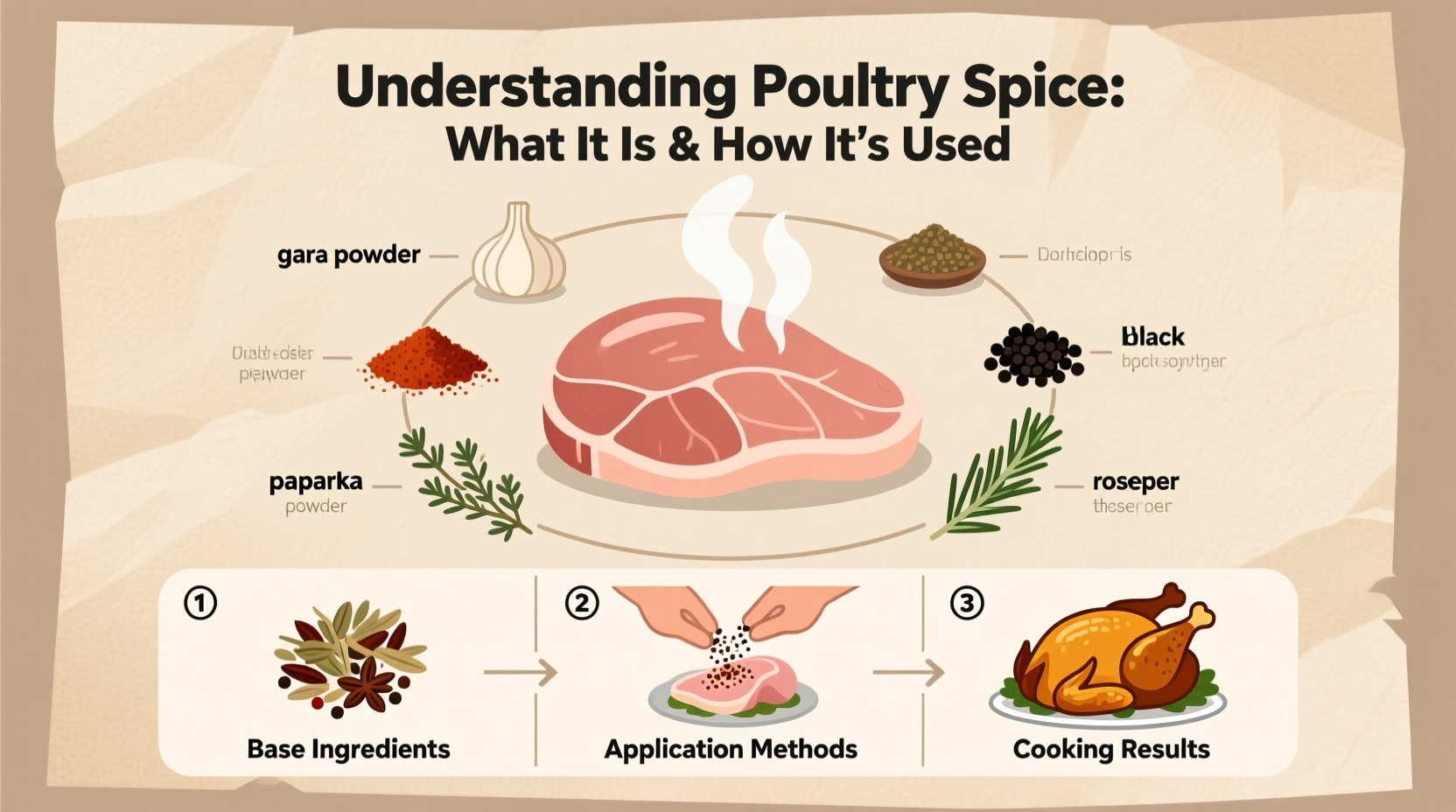
Poultry spice refers to a pre-mixed seasoning blend formulated specifically to enhance the natural taste of poultry. Unlike universal blends such as Italian seasoning or curry powder, poultry spice targets the subtle flavor profile of chicken, turkey, game birds, and even some seafood. While recipes vary by region and manufacturer, most versions share a core of warm, aromatic spices that add complexity without heat or bitterness.
The blend originated in early 20th-century North America, particularly within home-cooking traditions where convenience and consistency were prized. It became a staple in American pantries during the mid-century, especially around holiday seasons when roasting whole turkeys or chickens was common. Today, it remains widely available in supermarkets, often labeled simply as “poultry seasoning,” though artisanal and regional variations have emerged in specialty markets.
Unlike Cajun or jerk seasoning, which emphasize boldness and spice, poultry spice operates with restraint. Its goal is harmony—not dominance. The typical blend avoids chili peppers, strong licorice notes (like anise), or aggressive earthiness (such as excessive cumin). Instead, it relies on herbs and spices that naturally pair with poultry: sage, thyme, marjoram, rosemary, nutmeg, allspice, and black pepper.
Key Characteristics
| Attribute | Description |
|---|---|
| Flavor Profile | Earthy, warm, slightly sweet, and herbaceous; dominated by sage with supporting notes of thyme and nutmeg. |
| Aroma | Fragrant and woodsy, with a pronounced herbal bouquet upon opening the container. |
| Color | Medium to dark brown, depending on the ratio of ground herbs and spices. |
| Heat Level | Mild; contains no capsaicin-based chilies in traditional formulations. |
| Culinary Function | Enhances umami, rounds out savory notes, reduces gaminess in darker meats, and complements fatty skin during roasting. |
| Shelf Life | 1–2 years when stored in a cool, dark place; potency diminishes over time. |
Practical Usage: How to Use Poultry Spice in Cooking
The strength of poultry spice lies in its adaptability across multiple stages of preparation—from dry brining to finishing touches. Because it contains dried herbs and fine-ground spices, it integrates seamlessly into rubs, stuffings, sauces, and marinades.
Dry Rubs and Seasoning Blends
One of the most effective ways to use poultry spice is as part of a dry rub. Apply generously under the skin and over the surface of whole birds before roasting. For a standard 4–5 lb (1.8–2.3 kg) chicken or turkey, use 1½ to 2 teaspoons per pound. Combine with salt, garlic powder, and a touch of sugar for caramelization during roasting.
For maximum penetration, mix poultry spice with softened butter to create a compound butter. Slide this beneath the breast skin prior to cooking. The fat carries flavor deep into the meat while protecting it from drying out.
In Stuffing and Dressing
Poultry spice is a cornerstone of classic bread stuffing. Add 1 to 1½ tablespoons per quart of prepared stuffing mixture. It works synergistically with onion, celery, and broth, enhancing the overall savoriness. When making vegetarian stuffing, the blend still performs exceptionally well due to its herbal base.
Pro Tip: Toast breadcrumbs or cornbread before mixing into stuffing—this improves texture and allows spices to adhere more effectively, intensifying flavor absorption.
In Sauces, Gravies, and Soups
Add ½ to 1 teaspoon of poultry spice when preparing pan gravies from drippings. Stir in near the end of reduction to preserve volatile aromatic compounds. Similarly, incorporate into chicken-based soups, stews, or pot pies during the simmering phase. It pairs especially well with root vegetables like carrots, parsnips, and turnips.
Marinades and Brines
While less common than dry application, poultry spice can be included in wet marinades. Combine with olive oil, lemon juice, minced garlic, and Dijon mustard for a balanced coating. Marinate bone-in pieces for at least 4 hours, or up to 12 hours for deeper infusion. Avoid using in brines unless finely sifted, as particulates may not dissolve fully.
Vegetarian and Plant-Based Applications
Despite its name, poultry spice isn’t limited to animal proteins. It adds complexity to mushroom risottos, lentil loaves, tofu scrambles, and jackfruit \"pulled chicken\" sandwiches. Its earthy warmth mimics the depth found in roasted meats, making it valuable in plant-forward cuisine.
Variants & Types
Not all poultry spice blends are created equal. Differences arise based on regional preferences, brand philosophy, and intended use. Recognizing these variants helps ensure the right choice for your recipe.
- Standard Commercial Blend: Found in most supermarkets (e.g., McCormick, Simply Organic). Typically includes sage, marjoram, thyme, rosemary, nutmeg, and black pepper. May contain anti-caking agents.
- Organic/Herb-Focused Version: Higher proportion of dried herbs, minimal spices. Ideal for lighter dishes like poached chicken or herb-roasted turkey breast.
- Smoked Poultry Spice: Contains smoked paprika or liquid smoke extract. Adds a barbecue-like nuance, excellent for grilled chicken or smoked turkey legs.
- Salt-Free Poultry Seasoning: Designed for low-sodium diets. Requires separate salting but offers greater control over final dish balance.
- Homemade Custom Blends: Allows tailoring ratios—more sage for richness, extra thyme for brightness, or increased nutmeg for warmth. Recommended for serious home cooks.
Some European versions include small amounts of cloves or allspice, reflecting older colonial trade influences. Middle Eastern-inspired adaptations might introduce sumac or coriander, though these diverge significantly from traditional profiles.
Comparison with Similar Ingredients
Poultry spice is often mistaken for other herb blends. Understanding distinctions prevents misapplication and ensures better results.
| Spice Blend | Key Components | Differences from Poultry Spice |
|---|---|---|
| Italian Seasoning | Basil, oregano, rosemary, thyme, marjoram | Lacks sage and warming spices; more suited to tomato-based dishes and Mediterranean fare. |
| Herbes de Provence | Thyme, rosemary, savory, lavender, marjoram | Often contains floral notes (lavender); too perfumed for traditional poultry dishes. |
| Chicken Bouillon Powder | Salt, MSG, dehydrated chicken fat, turmeric, garlic | Primarily a flavor enhancer with high sodium; not a substitute for aromatic depth. |
| Curry Powder | Turmeric, coriander, cumin, fenugreek, chili | Strongly spiced and colored; creates an entirely different culinary direction. |
| Pumpkin Pie Spice | Cinnamon, ginger, nutmeg, allspice, cloves | Sweet-oriented; lacks savory herbs. Overlap only in nutmeg/allspice, but context differs. |
“Poultry spice is the quiet conductor of a roast bird’s orchestra—it doesn’t take center stage, but everything sounds off-key without it.” — Chef Elena Ruiz, Culinary Instructor at New England Institute of Food Arts
Practical Tips & FAQs
How much poultry spice should I use?
Start with 1 teaspoon per pound of raw poultry. Adjust upward if using in stuffing or sauce, where dilution occurs. Always taste-test dressings before baking.
Can I make my own poultry spice blend?
Yes—and doing so gives superior freshness and customization. A basic homemade version:
- 2 tbsp dried rubbed sage
- 1 tbsp dried thyme
- 1 tbsp dried marjoram
- 1 tsp ground rosemary (crush with mortar and pestle)
- ½ tsp freshly grated nutmeg
- ½ tsp ground black pepper
- ¼ tsp ground allspice (optional)
Mix thoroughly and store in an airtight jar away from light. Use within 6 months for peak aroma.
Is poultry spice gluten-free?
Most commercial blends are gluten-free, but check labels for fillers or shared equipment warnings. Homemade versions are inherently safe if ingredients are certified GF.
What are good substitutes if I don’t have poultry spice?
- Sage + Thyme + Nutmeg: Equal parts sage and thyme, pinch of nutmeg. Closest approximation.
- Italian Seasoning + Sage: Replace half with extra sage to mimic depth.
- Stuffing Mix Seasoning Packet: Often identical or very similar in formulation.
Does poultry spice go bad?
It doesn’t spoil, but loses potency. Test by rubbing a small amount between fingers and inhaling. If aroma is faint or musty, replace it. Clumping indicates moisture exposure—discard if mold is visible.
Can I use poultry spice on fish or seafood?
Yes, particularly with richer fish like salmon, trout, or halibut. Avoid with delicate white fish (e.g., sole or flounder), where it may overwhelm.
Why does my blend taste bitter sometimes?
Bitterness usually comes from old or poorly processed rosemary or excessive use of certain herbs. Ensure fresh ingredients and proper grinding. Rosemary should be used sparingly—no more than 1 part in 6 of the total blend.
Storage Tip: Keep poultry spice in a dark glass jar with a tight seal. Store in a cool cupboard, not above the stove where heat and light degrade quality. Label with purchase date.
Summary & Key Takeaways
Poultry spice is far more than a seasonal convenience—it’s a thoughtfully composed blend that elevates the inherent qualities of poultry through balanced herbal warmth. Comprised primarily of sage, thyme, marjoram, and subtle spices like nutmeg and allspice, it functions best when applied strategically in rubs, stuffings, and sauces.
Its mild, non-pungent character makes it suitable not just for roasts and holiday meals, but also for soups, vegetarian dishes, and even modern fusion applications. Whether purchased or made from scratch, understanding its components allows for precise usage and creative adaptation.
Crucially, poultry spice should not be confused with similarly named blends like Italian seasoning or herbes de Provence. Each has a distinct role, and substituting incorrectly can shift the entire flavor trajectory of a dish.
To get the most from poultry spice:
- Use fresh, properly stored blends for optimal aroma.
- Apply under the skin or in compound butter for deeper penetration.
- Adjust quantities based on whether it’s used on meat, in stuffing, or in liquid preparations.
- Consider making your own blend to tailor intensity and avoid additives.
Next time you roast a chicken or prepare holiday stuffing, pause to examine your poultry spice—its origin, scent, and formulation. That moment of attention could transform a familiar meal into something memorable. Experiment with ratios, try a homemade batch, and discover how this humble blend shapes the backbone of comfort food excellence.




 浙公网安备
33010002000092号
浙公网安备
33010002000092号 浙B2-20120091-4
Comments
No comments yet. Why don't you start the discussion?