
Many individuals consider gifting assets to family members as a way to support loved ones or reduce their taxable estate. However, without a solid grasp of federal gift tax rules—especially the lifetime gift exemption limit—well-intentioned generosity can lead to unexpected tax consequences. This guide breaks down the mechanics of the gift tax system, explains how the lifetime exemption works, and offers actionable strategies to maximize its benefits while staying compliant with IRS regulations.
What Is the Gift Tax and How Does It Work?
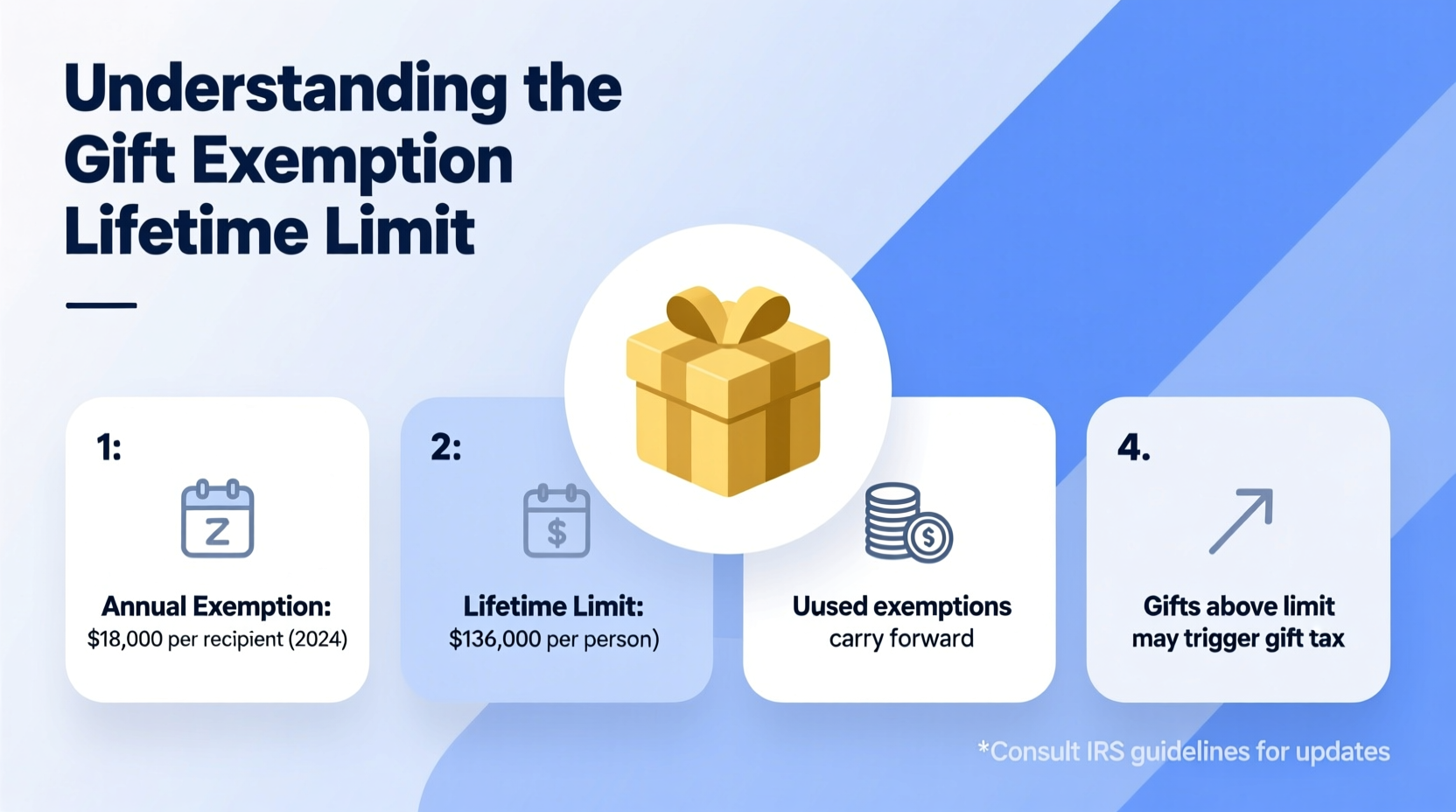
The U.S. federal gift tax applies to transfers of money or property to another person when nothing (or less than full value) is received in return. While most people don’t owe gift tax on everyday presents, larger gifts may trigger reporting requirements and potential taxation—depending on whether they exceed annual exclusions or consume part of the lifetime exemption.
Each year, the IRS allows individuals to give up to a certain amount per recipient without filing a gift tax return. As of 2024, this annual exclusion stands at $18,000 per recipient. Married couples can combine their exclusions, allowing them to gift up to $36,000 to a single individual tax-free each year.
Gifts above this threshold do not automatically result in tax liability. Instead, they may reduce the giver’s lifetime gift and estate tax exemption—the total amount one can transfer over their lifetime without paying federal taxes.
Understanding the Lifetime Gift Exemption Limit
The lifetime gift exemption is the cumulative amount an individual can give away during their life (over and above the annual exclusion) without incurring federal gift tax. This same exemption also covers what can pass through an estate after death without triggering estate tax—a concept known as the unified credit.
For 2024, the federal lifetime gift and estate tax exemption is set at $13.61 million per individual. For married couples, that effectively doubles to $27.22 million. This means a person could potentially give away up to $13.61 million over their lifetime beyond the annual exclusion amounts—and pass the rest of their estate tax-free upon death—without owing federal gift or estate tax.
It's important to note that any taxable gifts made during life reduce the remaining exemption available for use at death. For example, if someone makes $3 million in taxable gifts over their lifetime, only about $10.61 million of their estate would be shielded from tax upon passing.
“Effective gifting isn’t just about generosity—it’s about timing, structure, and preserving wealth across generations.” — Laura Simmons, CPA and Estate Planning Advisor
How Gifts Above the Annual Exclusion Are Treated
When you make a gift exceeding the annual exclusion to a single recipient, you must file IRS Form 709, the United States Gift (and Generation-Skipping Transfer) Tax Return. Filing this form doesn't mean you owe tax—it simply reports the gift and tracks how much of your lifetime exemption has been used.
Here’s how the process unfolds:
- You give $25,000 to your niece in 2024.
- $18,000 falls under the annual exclusion and requires no reporting.
- The remaining $7,000 exceeds the exclusion and counts toward your lifetime exemption.
- You file Form 709 to report the excess amount.
- No tax is due unless your total lifetime taxable gifts exceed $13.61 million.
This system allows individuals to gradually transfer wealth while retaining control over when and how much of their exemption they use.
Common Types of Gifts That May Affect the Lifetime Exemption
- Transfers of stocks, real estate, or business interests valued above the annual exclusion
- Cash gifts to non-spouse adults exceeding $18,000 in a calendar year
- Paying off large debts (e.g., mortgage or student loans) directly on behalf of someone else
- Funding a trust with more than the annual exclusion per beneficiary
Do’s and Don’ts When Using the Lifetime Gift Exemption
| Do | Don’t |
|---|---|
| Use the annual exclusion every year to minimize reliance on the lifetime exemption | Assume all gifts are tax-free—some require reporting even if no tax is owed |
| File Form 709 for gifts over the annual exclusion to preserve audit protection | Forget that gifts to spouses who are U.S. citizens are generally unlimited and non-taxable |
| Consider spreading large gifts over multiple years to stay within annual limits | Overlook state-level gift or inheritance taxes, which may apply regardless of federal rules |
| Document all gifts clearly, especially non-cash assets like property or shares | Make large gifts without consulting a tax advisor or estate attorney |
Real-World Example: Strategic Gifting Over Time
Consider Mark and Diane, a married couple with three children and four grandchildren. They wish to help their family while minimizing future estate taxes. With combined knowledge of the annual exclusion and lifetime exemption, they implement a plan:
- Each parent gives $18,000 to each child and grandchild annually—$36,000 per recipient.
- Total annual gifting: 7 recipients × $36,000 = $252,000 moved out of their estate—tax-free and exemption-neutral.
- Every two years, they fund a 529 college savings plan with a lump sum of $100,000 per grandchild, electing to treat it as five years’ worth of gifts ($20,000/year).
- These contributions stay within the annual exclusion via IRS averaging rules and don’t touch the lifetime exemption.
By using these techniques, Mark and Diane transfer over $1 million in assets over a decade without filing a single Form 709 or reducing their lifetime exemption. Their estate remains under the federal threshold, simplifying inheritance and reducing potential tax exposure.
Future Changes and Planning Considerations
A critical factor in gift planning is the scheduled sunset of current exemption levels. Under the Tax Cuts and Jobs Act of 2017, the high exemption amounts are set to expire on January 1, 2026. Unless Congress acts, the lifetime exemption will revert to approximately $6 million per person (adjusted for inflation).
This creates a strategic window: individuals considering large intergenerational transfers may benefit from acting before 2026. However, there’s ongoing debate about retroactivity. The IRS has issued guidance stating that gifts made between 2018 and 2025 under higher exemptions will still be honored even if the limit decreases later—a relief for forward-thinking planners.
Frequently Asked Questions
Can I give my house to my child without triggering gift tax?
You can transfer ownership of your home as a gift, but the fair market value above the annual exclusion ($18,000 in 2024) will count against your lifetime exemption. If the home is valued at $500,000 and you transfer it fully, $482,000 would reduce your available exemption. No tax is due unless your total lifetime taxable gifts exceed $13.61 million.
Does the lifetime gift exemption include charitable donations?
No. Gifts to qualified charities are generally not subject to gift tax and do not count toward your lifetime exemption. In fact, they may qualify for income tax deductions depending on your situation.
What happens if I exceed the lifetime exemption?
If your total taxable gifts during life exceed the lifetime exemption, you’ll owe federal gift tax on the excess. The current top rate is 40%. Similarly, estates exceeding the exemption at death are taxed at the same rate. Proper planning helps avoid this outcome.
Take Control of Your Legacy
Understanding the lifetime gift exemption isn’t just for the ultra-wealthy. Whether you're helping a child buy a home, funding education, or preparing for long-term estate goals, smart gifting can protect wealth and strengthen family security. By leveraging annual exclusions, tracking taxable gifts, and planning around upcoming legal changes, you maintain control over how your assets are shared—on your terms.




 浙公网安备
33010002000092号
浙公网安备
33010002000092号 浙B2-20120091-4
Comments
No comments yet. Why don't you start the discussion?