
Labubu, the mischievous forest imp designed by artist Kasing Lung, has become one of the most sought-after figures in the designer vinyl toy scene. Since her debut, Labubu has evolved through multiple generations, each release bringing subtle yet significant changes in sculpting, paint applications, packaging, and exclusivity. For both new and seasoned collectors, distinguishing between these generations is essential—not just for aesthetic appreciation, but also for accurate valuation and informed acquisition.
This guide breaks down the evolution of Labubu across major releases, highlighting key differentiators that matter to collectors. From early Kaiyodo collaborations to modern Pop Mart Supreme editions, we’ll explore what sets each generation apart and how to identify them with confidence.
The Origins: Labubu’s First Appearance
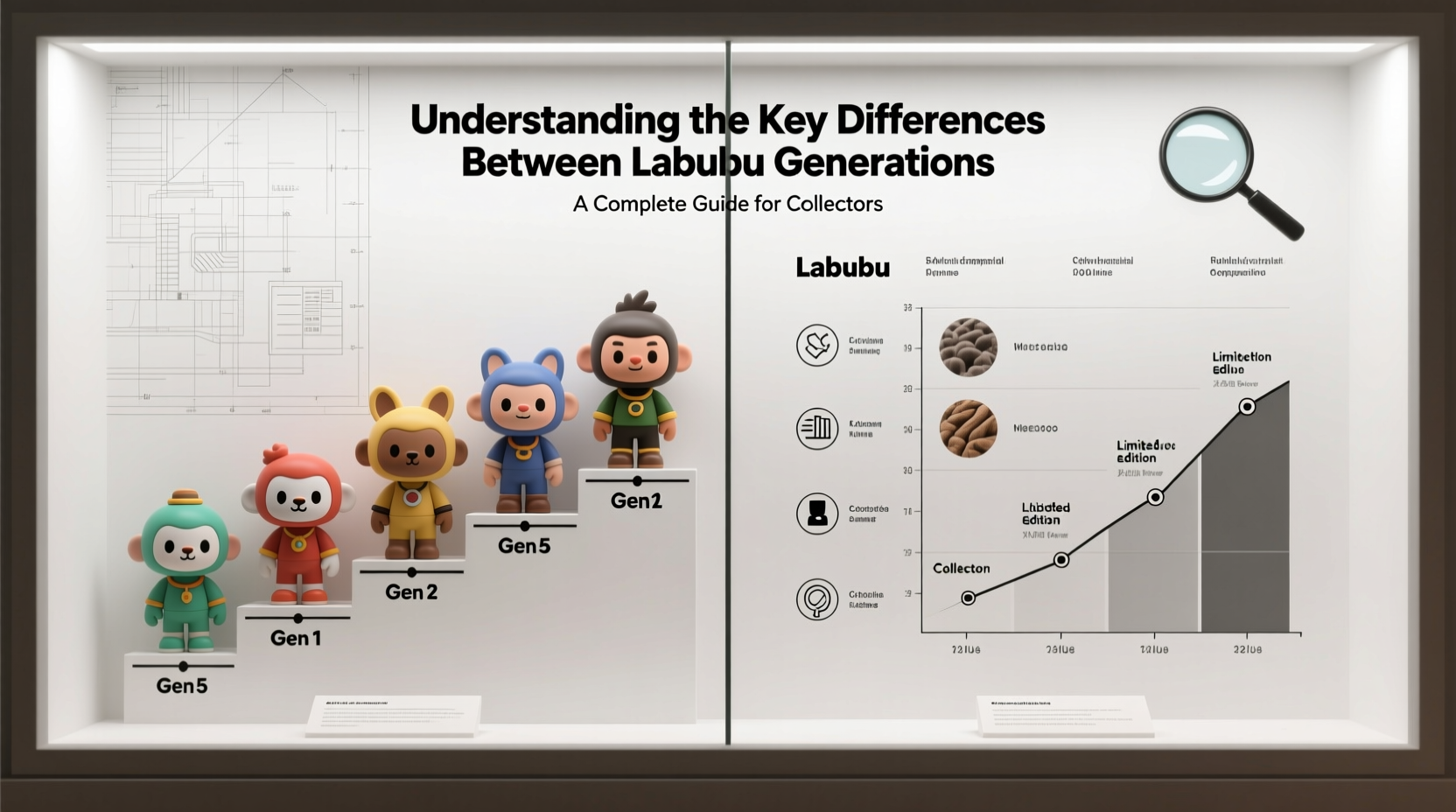
Labubu first emerged in 2014 as part of the *Disney x Kasing Lung* collaboration, specifically within the *Tyl Toys Disney Villains Series*. This initial release featured Labubu styled as various Disney villains—Maleficent, Ursula, and Cruella de Vil—crafted by Japanese manufacturer Kaiyodo. These figures were not standalone Labubus but rather reimagined characters using her iconic facial structure and pointed ears.
What made this generation notable was its limited distribution and high craftsmanship. Each figure stood around 7–9 cm tall, cast in soft vinyl with hand-painted details. Due to their collaborative nature, they were never labeled simply as “Labubu,” making identification dependent on recognizing Kasing Lung’s signature style.
Defining Generations: The Pop Mart Era Begins
The true generational timeline for Labubu as a standalone character begins with her inclusion in Pop Mart’s *The Monsters* series, starting in 2017. It was here that Labubu became a distinct entity, no longer tied to licensed IPs. Over the years, Pop Mart has released numerous standard, chase, and variant versions, each contributing to a layered collecting landscape.
Key factors that define a Labubu generation include:
- Sculpt refinement (e.g., eye shape, ear angle, mouth curve)
- Paint application consistency and complexity
- Material quality and finish (matte vs. glossy)
- Packaging type and box design
- Rarity indicators (chase, secret, or exclusive variants)
Generation Breakdown: A Comparative Overview
| Generation | Release Year | Series | Height | Key Features | Rarity Level |
|---|---|---|---|---|---|
| G1 | 2017 | The Monsters S1 | 7 cm | Flat eyes, minimal shading, basic color blocking | Common |
| G2 | 2018 | The Monsters S2 | 7 cm | Deeper eye sockets, improved grin detail | Common/Chase (glow-in-dark) |
| G3 | 2019 | The Monsters S3 | 7.5 cm | Slightly larger head, refined paint lines | Chase (translucent), Secret (flocked) |
| G4 | 2020–2021 | Labubu Garden / Friends Series | 8 cm | Softer sculpt, articulated accessories | Limited Editions & Collaborations |
| G5 | 2022–Present | Pop Mart Supreme / Artist Resin | 10–25 cm | High-end materials, intricate detailing, numbered editions | Ultra Rare / Collector Exclusive |
“Early Labubus were charmingly crude, but each generation reflects a deeper collaboration between artist intent and manufacturing precision.” — Daniel Lin, Designer Toy Curator at Urban Vinyl Archive
Spotting Fakes and Identifying Authentic Releases
As Labubu’s popularity grows, so does the market for counterfeits. Later generations, especially G4 and G5, are frequently replicated with near-identical sculpts but inferior paintwork and materials. Knowing how to authenticate a figure is crucial.
Authentic indicators include:
- Packaging: Original boxes have crisp logos, correct font weights, and serial barcodes. Pop Mart uses QR codes on newer releases for verification.
- Paint Quality: Genuine pieces feature clean lines, no smudging, and consistent color saturation. Fake versions often have bleeding edges or uneven washes.
- Sculpt Details: Compare ear thickness, tooth alignment, and eye depth against official product photos. Counterfeits tend to flatten fine features.
- Weight & Material: Authentic vinyl has a smooth, slightly heavy feel. Replicas may use cheaper, hollow-feeling plastic.
Real Collector Scenario: The Misidentified Chase
A collector in Singapore once purchased a supposed \"G2 Glow-in-the-Dark Chase\" Labubu from a third-party marketplace. Excited by the rare status, they paid a premium. Upon arrival, they noticed the glow effect was inconsistent—only the eyes lit up, whereas official versions emit a soft full-body glow. Further inspection revealed mismatched box typography and a missing Kaiyodo copyright stamp on the foot.
After consulting the Pop Mart authentication portal and comparing it to verified images in collector forums, the buyer confirmed it was a replica. They reported the seller and recovered funds through platform protection. This case underscores the importance of cross-referencing physical traits with trusted databases before finalizing high-value purchases.
How to Build a Cohesive Collection: A Step-by-Step Guide
Collecting Labubu across generations can be overwhelming without a strategy. Follow this timeline to build a meaningful, well-documented collection:
- Define Your Focus: Decide whether you're collecting all generations, focusing on specific series (e.g., The Monsters), or pursuing only high-end Supremes.
- Research Official Releases: Visit Pop Mart’s global site and Kasing Lung’s social channels to track authentic drops and collaborations.
- Join Collector Communities: Platforms like Reddit’s r/designertoy or Facebook groups such as “Labubu Lovers” offer photo verification and trade opportunities.
- Document Each Piece: Record purchase date, edition number (if applicable), condition, and source. Consider using a digital inventory spreadsheet.
- Store Properly: Keep figures in original boxes away from sunlight and humidity. Use UV-protective display cases for open shelving.
- Verify Before Upgrading: When trading or buying secondary market, request clear photos of sculpt details and packaging codes.
Frequently Asked Questions
Are older Labubu generations more valuable?
Not necessarily. While early releases like the Kaiyodo Disney Villains are rare and highly prized, value depends on condition, provenance, and demand. Some G5 Supremes have surpassed vintage pieces in resale price due to limited mintage and artistic significance.
How can I tell if my Labubu is a chase or secret variant?
Chase figures usually differ visibly—such as glow-in-the-dark parts, metallic finishes, or alternate colors—and are listed in official odds (e.g., 1:72). Secret variants are rarer and often unannounced, identifiable only through community consensus based on unique traits like flocked fur or red eyes.
Does Kasing Lung approve all Labubu releases?
Yes, Kasing Lung maintains creative control over all official Labubu designs. Pop Mart requires his approval for sculpt changes, paint schemes, and collaborations. Unauthorized reproductions lack his endorsement and are considered unofficial.
Final Thoughts: Why Generational Knowledge Matters
Understanding the distinctions between Labubu generations elevates collecting from casual fandom to informed curation. Each iteration captures a moment in the evolution of designer toys—where artistry meets production innovation. Whether you’re drawn to the raw charm of G1 or the museum-quality detail of G5 resin editions, knowing what defines each release empowers smarter decisions and deeper appreciation.




 浙公网安备
33010002000092号
浙公网安备
33010002000092号 浙B2-20120091-4
Comments
No comments yet. Why don't you start the discussion?