
Often mistaken for oversized scallions or immature onions, the leek is a distinct vegetable with a delicate, sweet onion-like flavor and a texture that transforms beautifully when cooked. Unlike its pungent cousins in the Allium family—such as garlic, shallots, and common onions—the leek offers a milder, more nuanced presence on the plate. This makes it a favorite among chefs seeking depth without overpowering heat. Despite its frequent appearance in soups, stews, and tarts, many home cooks remain uncertain about how to select, clean, store, and use leeks effectively. Clarifying these aspects not only elevates everyday cooking but also unlocks one of the most versatile yet underutilized vegetables in modern kitchens.
Definition & Overview
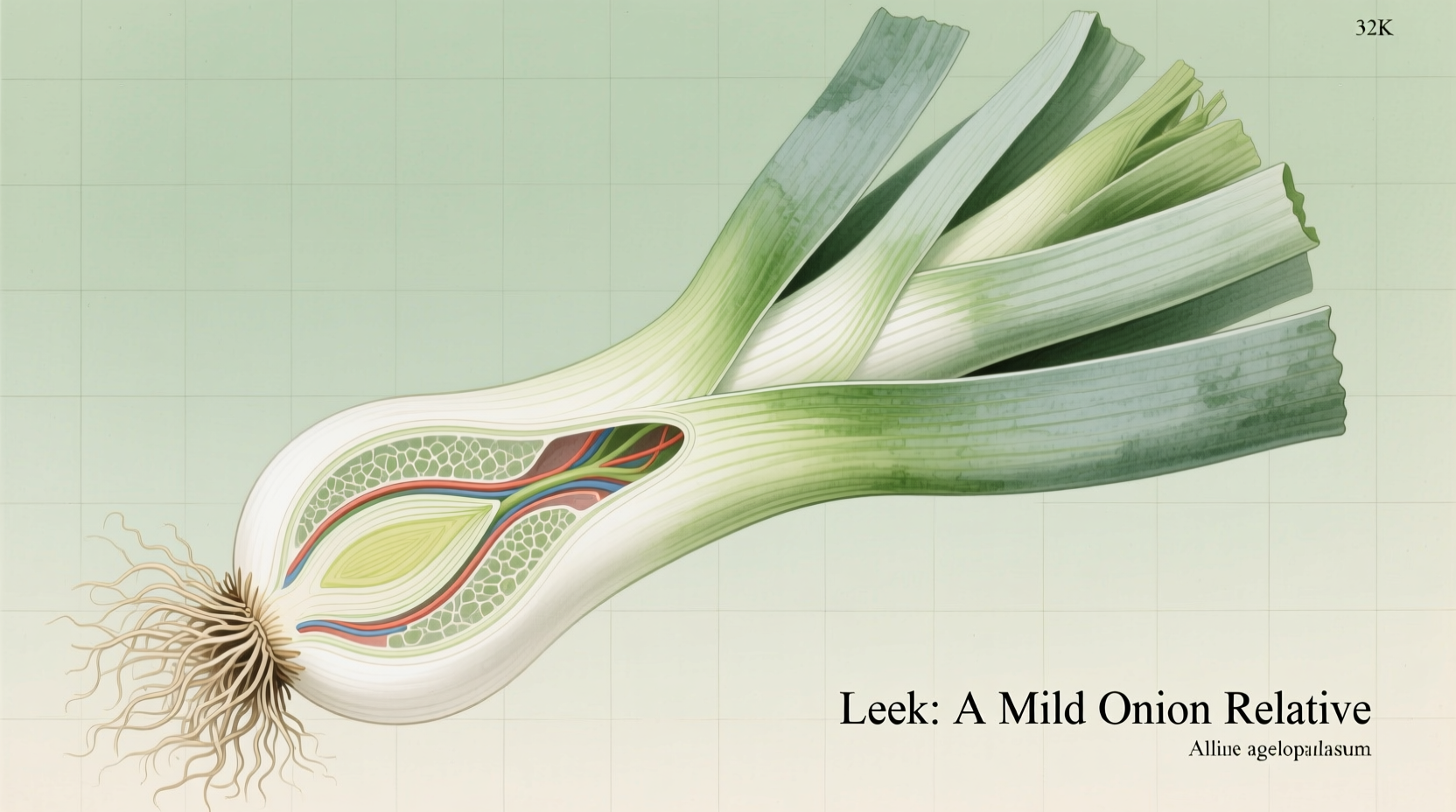
The leek (Allium ampeloprasum var. porrum) is a member of the Allium genus, which includes onions, garlic, chives, and shallots. It is native to the eastern Mediterranean and has been cultivated for over 3,000 years, notably prized by ancient Egyptians, Romans, and Welsh cultures—so much so that it became the national emblem of Wales. The edible portion consists primarily of the thick, cylindrical stem formed by tightly wrapped leaf sheaths, culminating in broad, flat green leaves at the top.
Unlike bulb-forming alliums, leeks do not develop a compact underground structure. Instead, they grow long, layered stalks composed of concentric layers of pale green to white tissue. Their flavor is inherently mild, subtly sweet, and grassy, especially when young. As leeks mature, they retain their mildness better than onions but can become fibrous if not harvested or prepared properly.
In culinary terms, leeks function as an aromatic base, similar to onions and celery in a mirepoix, but with a silkier mouthfeel and less acidity upon cooking. They are integral to French cuisine (notably in vichyssoise), British pies, Middle Eastern pilafs, and Eastern European braises. Because they require careful cleaning due to trapped soil between layers, proper handling is essential to fully enjoy their potential.
Key Characteristics
| Attribute | Description |
|---|---|
| Flavor Profile | Mild, sweet, onion-like with a faintly grassy undertone; lacks the sharp bite of raw onions. |
| Aroma | Faintly sulfurous when raw; becomes richly savory and floral when sautéed. |
| Color & Form | Cylindrical stalk with pale white base transitioning into light green, then dark green tops; outer layers may be slightly waxy. |
| Texture (Raw) | Crisp and firm, particularly in the white and light green zones; tougher in upper greens. |
| Texture (Cooked) | Soft, silky, and almost melting—especially after slow cooking or braising. |
| Culinary Function | Aromatic base ingredient, thickening agent (when pureed), standalone vegetable in tarts or gratins. |
| Shelf Life (Raw) | Up to 2 weeks refrigerated in crisper drawer if unwashed and uncut. |
| Heat Sensitivity | Best cooked gently; high heat can cause bitterness or toughness. |
Practical Usage: How to Use Leeks in Cooking
Leeks shine in both foundational and featured roles across cuisines. Their low sulfur content means they caramelize slowly and evenly, developing complex sweetness without burning easily. This makes them ideal for building flavor bases where subtlety matters—such as in creamy soups, risottos, quiches, and fish sauces.
To incorporate leeks into daily cooking:
- Choose the right part: Only the white and light green sections are typically used in recipes. The dark green tops are fibrous but packed with flavor—excellent for stocks, broths, or vegetable infusions.
- Slice uniformly: Cut crosswise into thin half-moons (about ¼ inch) for even cooking. For gratins or roasting, slice lengthwise into quarters or eighths.
- Wash thoroughly: Submerge cut pieces in a bowl of cold water, agitating gently to release trapped dirt. Let sit for 5–10 minutes, then lift out with a slotted spoon—dirt will settle at the bottom.
- Cook gently: Sauté over medium-low heat in butter or oil until translucent and soft (8–12 minutes). Avoid browning unless desired for specific dishes.
Pro Tip: When making stock, save the dark green ends, root trimmings, and outer layers of leeks. Freeze them along with onion peels, carrot scraps, and herb stems to create a zero-waste vegetable broth base. Simmer for 45 minutes, strain, and freeze in portions.
In professional kitchens, leeks are often blanched first before finishing in cream or butter to ensure uniform tenderness. In France, they’re central to tarte aux poireaux, a custard tart similar to quiche but lighter, emphasizing the leek’s natural sweetness. In Scotland, they form the backbone of cullen skink, a smoky haddock and potato soup enriched with softened leeks.
For home cooks, replacing onions with leeks in equal measure works well in most cooked applications—but avoid using raw leeks in salsas or salads unless very thinly sliced and marinated, as their fibrous nature doesn’t break down without heat.
Variants & Types
While all leeks belong to the same species, cultivation methods yield different types suited to various growing seasons and culinary needs:
- Summer Leeks: Thinner, shorter stalks harvested early in the season. Milder in flavor and tender enough to eat raw when finely shaved. Common varieties include ‘King Richard’ and ‘Giant Musselburgh’.
- Winter Leeks: Larger, thicker, and more robust, bred to withstand cold weather. More layers and denser texture make them ideal for braising, roasting, or long-cooked dishes. Varieties like ‘American Flag’ and ‘Bandit’ fall into this category.
- Baby Leeks: Harvested young and sold in small bunches. Entire plant—including some green tops—is tender and edible. Often grilled whole or steamed as a side dish.
- Dried Leek Flakes: Dehydrated and chopped for seasoning blends. Used sparingly in rubs, soups, and casseroles where fresh leeks aren’t available.
- Frozen Leeks: Pre-cleaned and blanched, convenient for soups and stews. Texture suffers slightly, so not recommended for sautéing or grilling.
Each type serves a purpose: summer and baby leeks offer delicacy and freshness, while winter leeks provide substance and resilience under prolonged heat. Choosing the appropriate variant ensures optimal results whether you're preparing a refined consommé or a rustic shepherd’s pie.
Comparison with Similar Ingredients
Leeks are frequently confused with other members of the Allium family. Understanding the differences helps prevent substitution errors and improves recipe outcomes.
| Ingredient | Flavor | Texture | Best Use | Substitution Ratio (for leeks) |
|---|---|---|---|---|
| Onion (yellow) | Sharp, pungent, sulfurous when raw; sweetens dramatically when cooked | Firm, crisp raw; breaks down into jammy consistency | Base aromatics, frying, roasting, pickling | ¾ onion per 1 leek (reduce quantity due to stronger flavor) |
| Scallion (green onion) | Mild onion with peppery green tip; minimal sweetness | Crisp throughout; white part slightly softer | Garnish, stir-fries, salads, quick sautés | Use 2–3 scallions per leek; only suitable in uncooked or fast-cooked dishes |
| Shallot | Sweet, wine-like, subtle garlic notes | More delicate than onion, fine-grained | Vinaigrettes, pan sauces, gourmet reductions | 1 large shallot ≈ ½ leek (flavor intensity closer but less volume) |
| Chives | Very mild, grassy, faint onion hint | Tender, hollow stems; wilts instantly with heat | Finishing herb, garnish, compound butters | Not a substitute; use as complement instead (e.g., sprinkle on cooked leeks) |
| Leek (reference) | Sweet, mild onion with vegetal nuance | Firm raw, silky-smooth when cooked slowly | Soups, gratins, tarts, braises, stocks | N/A |
“Leeks are the velvet glove of the onion family. Where others punch with flavor, leeks glide in with elegance—building depth without announcing themselves too loudly.”
— Claire Merritt, Chef-Instructor, Pacific Culinary Institute
Practical Tips & FAQs
How do I clean leeks properly?
Start by trimming off the roots and the tough dark green foliage (reserve for stock). Slice the leek lengthwise or crosswise depending on your recipe. Place the cut pieces in a large bowl of cold water, swish vigorously, and let sit for 5–10 minutes. Dirt sinks; clean leeks float. Remove with a slotted spoon or strainer. Repeat if necessary.
Can I eat the green part of the leek?
The dark green leaves are technically edible but extremely fibrous. While not suitable for most finished dishes, they are rich in flavor and excellent for simmering in stocks, soups, or sauces. Strain them out before serving.
Are leeks interchangeable with onions?
In cooked dishes, yes—with adjustments. Use about 25% less onion by volume when substituting for leeks due to higher pungency. However, raw applications don't translate well; leeks lack the crisp snap needed for pico de gallo or onion rings.
How should I store leeks?
Keep whole, unwashed leeks loosely wrapped in a plastic bag in the refrigerator’s crisper drawer. They last up to 14 days. Once cut or washed, store in an airtight container for 3–4 days. Do not freeze raw leeks—they become mushy. If freezing, blanch first for 2 minutes, cool, drain, and pack in freezer bags for up to 6 months.
What dishes highlight leeks best?
Top preparations include:
- Vichyssoise: Chilled potato-leek soup, traditionally finished with cream.
- Gratin Dauphinois-style with Leeks: Layered with potatoes, cream, and Gruyère.
- Leek and Goat Cheese Tart: A springtime favorite with flaky pastry crust.
- Braised Leeks with Herbs: Cooked in butter, thyme, and a splash of white wine.
- Vegetable Jardinière: Diced carrots, turnips, and leeks in a clear broth.
Are leeks nutritious?
Yes. One cup (89g) of cooked leeks contains approximately:
- 54 calories
- 1 gram protein
- 13 grams carbohydrates
- 1.5 grams fiber
- Rich in vitamin K, vitamin C, folate, and manganese
- Contains antioxidants such as kaempferol, linked to anti-inflammatory effects
They are low in fat and sodium, making them heart-healthy additions to balanced diets.
Why did my leeks turn bitter?
Bitterness usually arises from overcooking at too high a temperature or using older, improperly stored leeks. Always cook leeks gently in fat over medium-low heat. Avoid charring or letting them dry out in the pan. Older leeks may develop a woody core—trim longitudinally and remove any central stringiness before slicing.
Can I grow leeks at home?
Absolutely. Leeks require deep, fertile soil and consistent moisture. Start seeds indoors 8–10 weeks before last frost, then transplant outdoors after hardening off. Hill soil around the base as they grow to blanch the stems and increase the length of the tender white shaft. Harvest in late summer through winter, depending on variety.
Storage Checklist:
✓ Store whole, dry, and unwrapped in fridge
✓ Keep away from ethylene-producing fruits (apples, bananas)
✓ Use within two weeks
✓ Freeze only after blanching
✓ Save trimmings for homemade stock
Summary & Key Takeaways
The leek stands apart in the Allium family for its gentle flavor, elegant texture, and culinary versatility. Not merely a substitute for onions, it plays a unique role in creating sophisticated, layered dishes—from humble soups to refined tarts. Its ability to soften into silken strands under slow heat makes it indispensable in French and European cooking traditions.
Key points to remember:
- Only the white and light green parts are typically eaten; reserve dark greens for stock.
- Always wash leeks thoroughly—grit hides between layers.
- They excel in slow-cooked dishes, soups, gratins, and custards.
- Winter leeks are heartier; summer leeks are more delicate.
- Substitute cautiously: reduce onion quantities when replacing leeks.
- Store properly to extend shelf life and maintain quality.
- They’re nutritious, low-calorie, and rich in key vitamins and antioxidants.
Mastering the leek isn’t about complexity—it’s about respect for its quiet strength. By understanding how to select, clean, cook, and preserve this underrated vegetable, cooks elevate their everyday meals with minimal effort and maximum reward. Whether you're crafting a chilled bisque for summer entertaining or a comforting braise for winter nights, the leek deserves a permanent place in your kitchen repertoire.
Next time you see leeks at the market, pick up a bunch—not just as a stand-in, but as a star ingredient. Try roasting them whole with olive oil and thyme, or fold them into a frittata with aged cheddar. You might just discover your new favorite way to build flavor.




 浙公网安备
33010002000092号
浙公网安备
33010002000092号 浙B2-20120091-4
Comments
No comments yet. Why don't you start the discussion?