
Becoming a nutritionist is more than just a career choice—it’s a commitment to improving public health through science-based dietary guidance. As awareness of wellness and preventive care grows, so does the demand for qualified nutrition professionals. However, the path to becoming a certified nutritionist involves specific educational milestones, supervised practice, and often licensure. Understanding each phase clearly can help aspiring professionals plan effectively and avoid common pitfalls.
Educational Foundation: Bachelor’s Degree in Nutrition or Dietetics
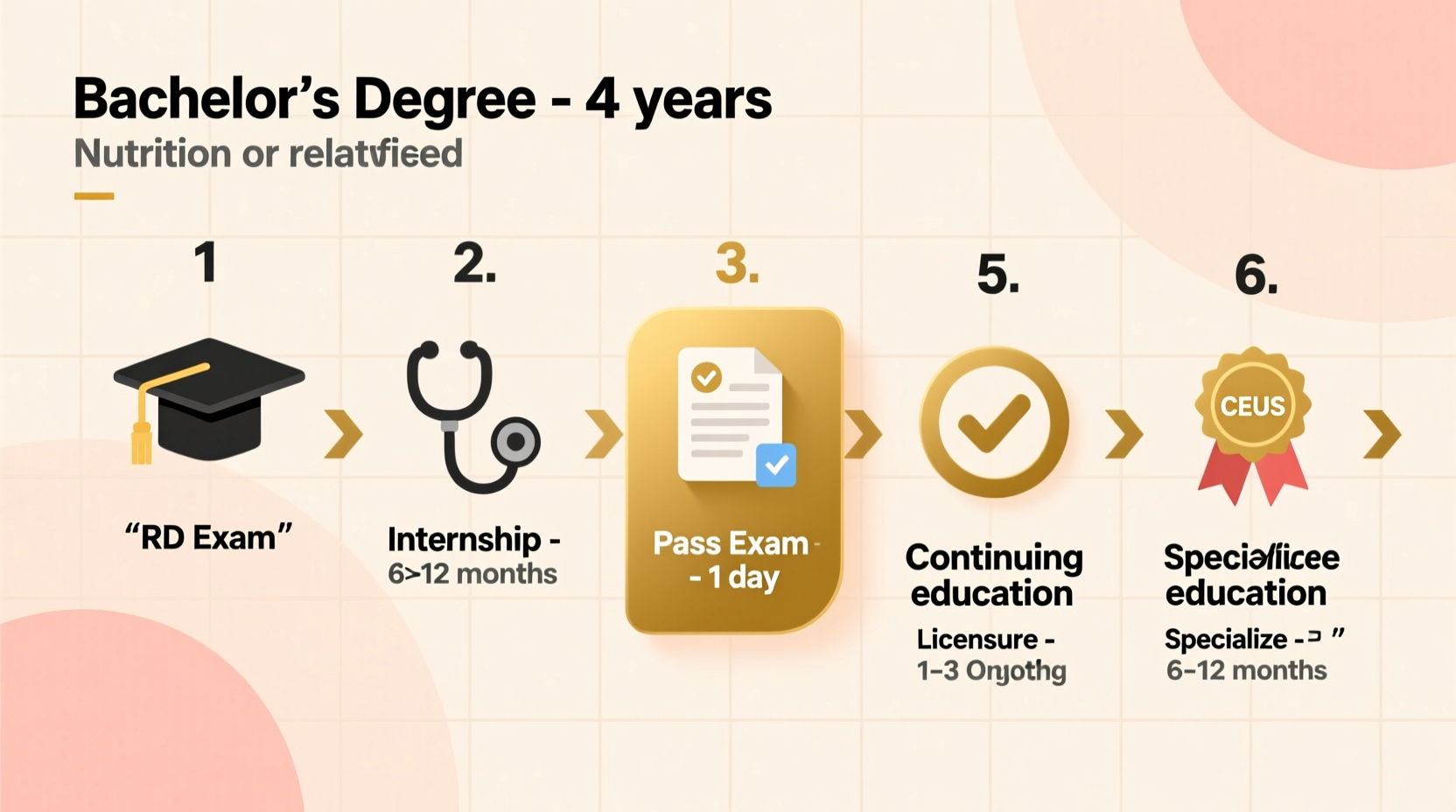
The first major step toward a career as a nutritionist is earning a bachelor’s degree from an accredited program in nutrition, dietetics, food science, or a related field. These programs typically take four years of full-time study and include coursework in biochemistry, physiology, medical nutrition therapy, foodservice management, and behavioral sciences.
A strong academic foundation prepares students not only for certification exams but also for real-world challenges such as interpreting lab results, designing meal plans for chronic conditions, and communicating effectively with clients and healthcare teams.
Licensure and Certification: Know Your Credentials
The terms \"nutritionist\" and \"dietitian\" are often used interchangeably, but they carry different legal implications depending on the region. In many states and countries, “Registered Dietitian Nutritionist” (RDN) is a protected title requiring rigorous training and national certification. A general \"nutritionist\" may not have the same level of oversight unless licensed.
To become an RDN in the United States, candidates must:
- Complete an ACEND-accredited bachelor’s or master’s program
- Finish a supervised practice program (dietetic internship)
- Pass the Commission on Dietetic Registration (CDR) exam
- Maintain continuing education credits for renewal
“Accredited programs ensure that future nutritionists understand both the science of nutrition and its practical application in diverse populations.” — Dr. Linda Chen, Director of Clinical Nutrition Programs, University of Michigan
Supervised Practice: The Dietetic Internship or Coordinated Program
After completing academic coursework, aspiring nutritionists must gain hands-on experience through a supervised practice program. These internships typically last 6–12 months and involve rotations in clinical nutrition, community outreach, food service management, and public health settings.
Admission to competitive dietetic internships can be challenging, with acceptance rates sometimes below 50%. Some students opt for coordinated programs that integrate classroom learning with practical experience, allowing them to complete both components simultaneously.
Interns work under licensed dietitians in hospitals, long-term care facilities, school districts, or non-profits, gaining direct exposure to patient counseling, nutritional assessments, and interdisciplinary collaboration.
Timeline Overview: From Start to Credentialing
The journey from starting college to becoming a fully credentialed nutritionist usually takes between five and seven years, depending on the pathway chosen. Below is a realistic breakdown of the typical timeline:
| Stage | Duration | Description |
|---|---|---|
| Bachelor’s Degree | 4 years | Complete ACEND-accredited program in nutrition or dietetics |
| Dietetic Internship | 6–12 months | Apply for and complete supervised practice hours (approx. 1,200) |
| Certification Exam | 1–3 months post-internship | Study and pass the CDR exam to earn RDN credential |
| Licensure (if applicable) | Varies by state | Apply for state license where required; some states mandate separate registration |
| Optional Master’s Degree | +1.5–2 years | Required starting in 2024 for new RDN applicants in the U.S. |
Advanced Pathways and Specializations
Once certified, many nutritionists pursue advanced roles or specializations to enhance their expertise and marketability. Common areas include pediatric nutrition, sports dietetics, oncology nutrition, renal nutrition, and eating disorder recovery.
Specialization often requires additional certifications, such as:
- Board Certified Specialist in Pediatric Nutrition (CSP)
- Certified Sports Dietitian (CSSD)
- Certified Diabetes Care and Education Specialist (CDCES)
These credentials require passing exams and maintaining ongoing professional development. They open doors to higher-paying positions in clinics, elite sports teams, research institutions, and private practice.
Mini Case Study: From Student to Clinical Nutritionist
Sarah Martinez graduated with a B.S. in Nutritional Sciences from a public university. She applied to multiple dietetic internships and was accepted into a 10-month hospital-based program affiliated with a regional medical center. During her rotations, she developed a keen interest in diabetes management and worked closely with endocrinologists and nurses.
After passing the RDN exam, Sarah secured a position at a multidisciplinary clinic focusing on metabolic health. Within two years, she earned her CDCES certification and now leads group education sessions while providing one-on-one counseling. Her journey—from undergraduate studies to specialized practitioner—took six years, including her internship and exam preparation period.
Checklist: Steps to Become a Qualified Nutritionist
Use this actionable checklist to track your progress along the nutritionist career path:
- Research and enroll in an ACEND-accredited nutrition or dietetics program
- Maintain a strong GPA (especially in science courses)
- Gain volunteer or part-time experience in healthcare or wellness settings
- Apply for a dietetic internship or coordinated program
- Complete all supervised practice hours successfully
- Register for and pass the CDR exam
- Obtain state licensure if required in your location
- Pursue continuing education and consider advanced certification
Frequently Asked Questions
Can I become a nutritionist without being a registered dietitian?
Yes, in some regions, individuals can use the title “nutritionist” without formal credentials. However, job opportunities, legal scope of practice, and credibility are significantly limited without certification. For clinical or medical settings, RDN status is typically required.
Is a master’s degree necessary to become a nutritionist?
In the U.S., beginning January 1, 2024, a master’s degree is required to qualify for the RDN exam. This change reflects the growing complexity of nutritional science and healthcare integration. Even in places where it's not mandatory, a graduate degree enhances career prospects.
How much do nutritionists earn?
According to the U.S. Bureau of Labor Statistics (2023), median annual wages for dietitians and nutritionists were approximately $66,000. Salaries vary based on setting (hospital vs. private practice), specialization, geographic location, and credentials. Advanced specialists can earn over $85,000 annually.
Conclusion: Taking the First Step Toward Impact
The path to becoming a qualified nutritionist demands dedication, academic rigor, and hands-on experience. But for those passionate about helping others achieve better health through food, the rewards are profound. Whether guiding patients through chronic illness, supporting athletes in peak performance, or shaping public policy on nutrition, professionals in this field play a vital role in transforming lives.




 浙公网安备
33010002000092号
浙公网安备
33010002000092号 浙B2-20120091-4
Comments
No comments yet. Why don't you start the discussion?