
Sopapillas are more than just a golden, pillowy dessert or snack—they are a culinary artifact with deep historical roots spanning continents and centuries. Found on street corners in Mexico City, served alongside honey at New Mexican diners, or drizzled with syrup in Chilean homes, sopapillas embody the evolution of food through migration, adaptation, and cultural exchange. To understand what sopapillas truly are, one must trace their journey from Iberian kitchens to indigenous communities in the Americas, where they were transformed into something entirely new. This article explores the etymology, regional variations, cultural significance, and culinary mechanics behind sopapillas—offering clarity for home cooks, historians, and food lovers alike.
Definition & Overview
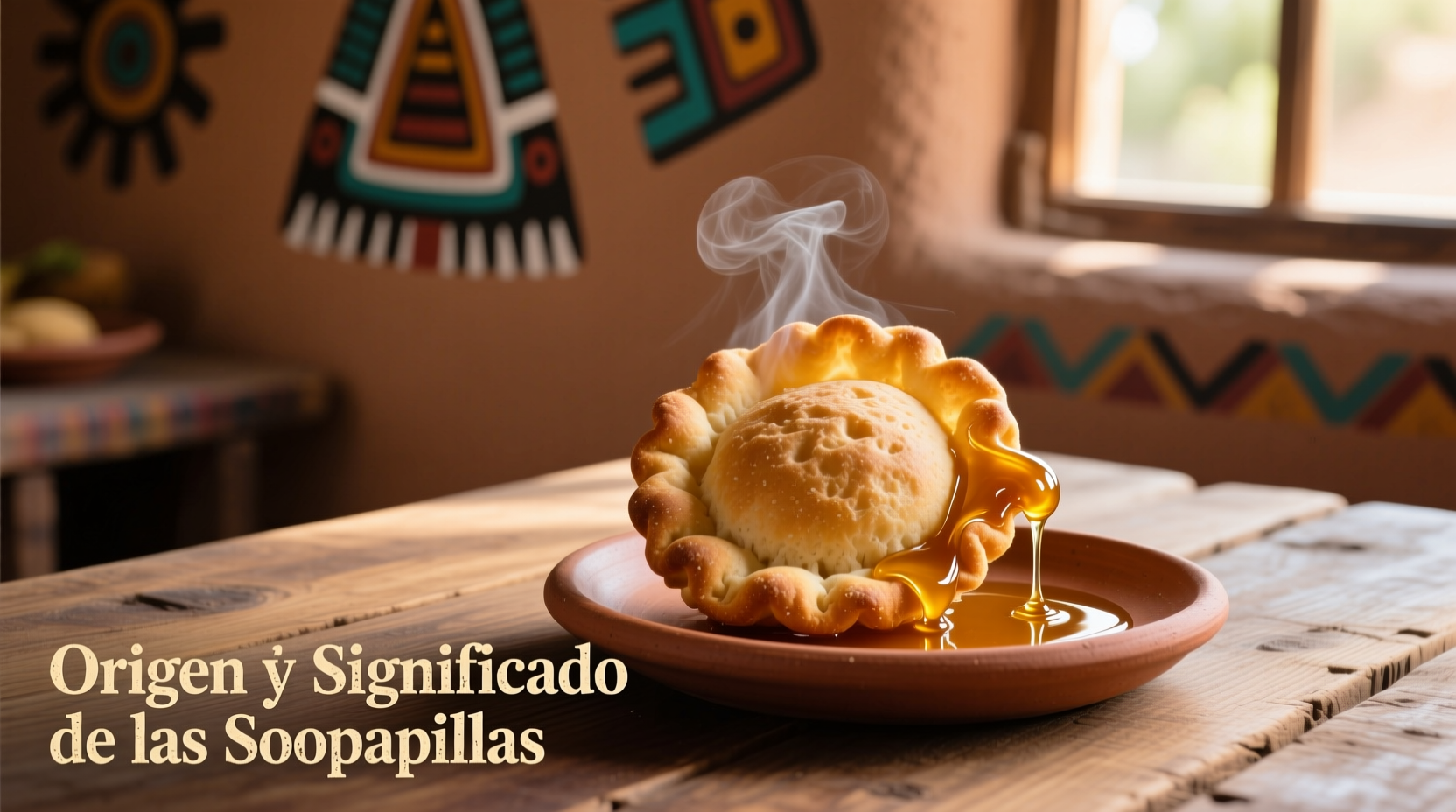
The term sopapilla (pronounced so-pah-PEE-yah) refers to a type of fried pastry made from leavened dough, typically puffed during frying and often served sweet. While most commonly associated with Mexican and Southwestern U.S. cuisine today, its origins lie far beyond the borders of modern-day Mexico. The word itself is derived from the Spanish diminutive form of “sopa,” which originally meant “bread soaked in liquid.” Over time, particularly in Latin America, the meaning shifted to describe small, soft, fried breads.
In contemporary usage, sopapillas vary significantly by region. In northern Mexico and the American Southwest, they are usually triangular or rectangular pieces of dough that puff dramatically when dropped into hot oil, creating an airy pocket ideal for filling or drizzling with honey or syrup. In Chile, sopapillas take a different form—round, dense cakes made with pumpkin or squash, often flavored with spices like cinnamon and cloves, and eaten as street food or comfort fare. Despite these differences, all versions share core traits: they are deep-fried, carbohydrate-based, and deeply embedded in local food traditions.
Culinary anthropologists classify sopapillas within the broader family of \"quick breads\" or \"fried doughs,\" akin to beignets, zeppole, or bunuelos. However, unlike churros or elephant ears—which rely on extruded or rolled doughs—sopapillas are typically cut from flattened sheets of soft, risen dough before frying. This method allows for greater control over texture and thickness, making them versatile across both savory and sweet applications.
Key Characteristics
Sopapillas differ depending on geography, but several defining features emerge across regions:
| Characteristic | Mexican/Southwestern Style | Chilean Style |
|---|---|---|
| Texture | Light, airy, crisp exterior with a hollow interior | Denser, cake-like, slightly chewy |
| Flavor Profile | Neutral base with subtle wheat and yeast notes; absorbs toppings well | Sweet, spiced with anise, cinnamon, or orange zest; earthy from pumpkin |
| Color | Golden brown | Amber to dark brown |
| Shape | Triangular or square cutouts | Circular, sometimes with a hole in center |
| Heat Level | None (non-spicy) | None (non-spicy) |
| Culinary Function | Dessert, appetizer, or side dish | Street food, dessert, or seasonal treat |
| Shelf Life | Best consumed within 2–4 hours; reheats poorly due to sogginess | Lasts up to 2 days at room temperature; improves slightly when rested |
These characteristics reflect not only ingredient choices but also historical availability and cooking techniques. For instance, the use of canned pumpkin in Chilean sopapillas stems from agricultural abundance and colonial-era trade routes that introduced squash to South America. Meanwhile, the leavened flour dough used in New Mexican sopapillas reflects the influence of Hispano settlers who adapted European baking methods using locally available wheat.
Practical Usage: How to Use Sopapillas in Cooking
While sopapillas are often enjoyed simply dusted with powdered sugar or drizzled with honey, their real culinary value lies in versatility. Their neutral flavor and absorbent structure make them ideal carriers for both sweet and savory components.
Sweet Applications
The most traditional preparation involves serving freshly fried sopapillas warm, with a slit opened to release steam, then generously coated in cinnamon-sugar or drenched in honey, maple syrup, or cajeta (goat’s milk caramel). In restaurants across Santa Fe and Albuquerque, it's common to see sopapillas served stacked high with a ramekin of honey on the side—a presentation known locally as “Indian fry bread style,” though distinct from Native American fry bread in recipe and origin.
Home cooks can elevate this classic by adding fillings:
- Whipped cream and fresh berries inserted into the cavity
- Warm apple pie filling or dulce de membrillo (quince paste)
- A sprinkle of sea salt atop honey for a sweet-salty contrast
Savory Adaptations
Less common but increasingly popular in fusion cuisine, savory sopapillas function much like empanadas or turnovers. After frying, the pastry can be split open and filled with:
- Shredded chicken in green chili sauce
- Refried beans and melted cheese
- Pico de gallo and avocado slices
This approach transforms sopapillas into handheld meals suitable for brunch or appetizers. Some chefs even bake instead of fry the dough for a lighter version, though this sacrifices the signature puff and crispness.
Professional Techniques
In commercial kitchens, consistency is key. Chefs maintain precise oil temperatures between 350°F and 375°F (177°C–190°C), ensuring rapid expansion without greasiness. Dough is typically rested for at least 30 minutes after mixing to allow gluten relaxation, resulting in tender interiors. Rolling thickness averages ¼ inch—too thin risks burning; too thick prevents full inflation.
A pro tip: perforate each piece of dough lightly with a fork before frying if uniform puffing isn’t desired. Alternatively, leave intact for maximum lift—ideal when planning to inject fillings post-fry using a piping bag.
Tip: To keep sopapillas crisp after frying, place them on a wire rack set over a sheet pan—not directly on paper towels, which trap moisture and cause sogginess. Serve immediately for optimal texture.
Variants & Types
The diversity of sopapillas across regions reveals how ingredients and culture shape food evolution. Below are the primary variants encountered today:
1. Northern Mexican / Southwestern U.S. Sopapilla
This version uses a simple dough of all-purpose flour, baking powder, salt, water, and fat (lard, shortening, or butter). It puffs dramatically when fried, forming a balloon-like pocket. Commonly served as a dessert, though sometimes used as a bread substitute with stews or chilis. In Texas and New Mexico, some diners serve them with refried beans and cheese as a breakfast item.
2. Chilean Sopapilla
Made with mashed pumpkin or squash, flour, sugar, baking powder, and spices such as anise seed, cinnamon, and cloves. Often includes orange zest or a splash of vinegar for acidity. These are denser and sweeter than their North American counterparts, traditionally sold by street vendors wrapped in newspaper. A variation called *sopaipilla rebajada* involves soaking the fried cake in sweetened tea or syrup overnight, transforming it into a moist, pudding-like dessert.
3. Peruvian Torta Frita (Sopapilla-Inspired)
Though not called “sopapilla” in Peru, certain Andean communities prepare a similar fried dough during festivals, especially in Cusco and Puno. Known locally as *torta frita* or *qullu q’awa*, it uses wheat flour and annatto for color, sometimes stuffed with cheese. Eaten during religious celebrations, it reflects pre-Columbian adaptations of Spanish recipes.
4. Argentine/Bolivian Bolas de Fraile
Another close relative, literally meaning “friar’s balls,” these are spherical, deep-fried pastries made with flour, milk, and eggs, often soaked in sugar syrup. While not pumpkin-based like Chilean sopapillas, they share textural and functional similarities, especially in street food contexts.
| Type | Main Ingredients | Best Used For | Region |
|---|---|---|---|
| Southwestern | Flour, water, fat, baking powder | Desserts, savory hand pies | New Mexico, Texas, Northern Mexico |
| Chilean | Pumpkin, flour, spices, sugar | Street snacks, holiday treats | Central Chile |
| Sopaipilla Rebajada | Fried pumpkin cake + sweet tea/syrup | Slow-digesting comfort food | Santiago, Valparaíso |
| Torta Frita | Flour, milk, annatto, optional cheese | Festival foods | Peru, Bolivia |
Comparison with Similar Ingredients
Sopapillas are frequently confused with other fried doughs due to overlapping textures and preparation methods. Understanding the distinctions ensures proper usage and appreciation.
- Bunuelos: Thin, crispy discs made from layered dough, often flavored with citrus or anise. Unlike sopapillas, bunuelos shatter when bitten and are typically rolled in cinnamon sugar while hot. More common during Christmas in Mexico and Colombia.
- Beignets: French-inspired square pastries made with yeast-leavened dough, famously served in New Orleans with powdered sugar. Beignets require longer proofing times and have a softer, less inflated texture than Southwestern sopapillas.
- Fry Bread (Native American): Developed in the 19th century among displaced Indigenous peoples in the U.S., fry bread uses similar ingredients but lacks leavening agents like baking powder in many traditional versions. It tends to be thicker, flatter, and heavier than sopapillas.
- Churros: Extruded through a star-shaped nozzle, churros have ridged surfaces that crisp upon frying. They are pipe-shaped, never puffed internally, and often filled with custard or chocolate.
“Sopapillas represent culinary resilience—the way people adapt old-world techniques to new environments. What began as a Castilian concept evolved uniquely in every corner of Latin America.” — Dr. Elena Márquez, Food Historian, Universidad de las Américas
Practical Tips & FAQs
What is the best oil for frying sopapillas?
Use neutral oils with high smoke points: vegetable, canola, peanut, or sunflower oil. Avoid olive oil due to low smoke point and strong flavor. Lard produces a richer taste and better browning but increases saturated fat content.
Can I bake sopapillas instead of frying?
Yes, though results will differ. Bake at 400°F (200°C) for 12–15 minutes until golden. The texture becomes more like a biscuit than a puff pastry—less dramatic rise, no air pocket. Suitable for health-conscious settings but not authentic.
How do I store leftover sopapillas?
They do not keep well. If necessary, store unfilled, cooled sopapillas in an airtight container at room temperature for up to 1 day. Reheat briefly in a 350°F oven to restore crispness. Do not refrigerate—this accelerates staling.
Are sopapillas gluten-free?
Traditional recipes contain wheat flour and are not gluten-free. Substitutions with rice or almond flour yield poor puffing and altered texture. Gluten-free versions exist but require binders like xanthan gum and careful formulation.
Why didn’t my sopapillas puff?
Common causes include:
- Dough rolled too thick or too thin
- Oil temperature too low (below 350°F)
- Gluten overdeveloped from excessive kneading
- Air pockets sealed during cutting (ensure edges aren’t pressed shut)
Can I freeze raw sopapilla dough?
Yes. Cut into shapes, flash freeze on a tray, then transfer to freezer bags. Fry directly from frozen, adding 30–60 seconds to cook time. Avoid thawing first, as moisture buildup affects texture.
Is there a vegan version?
Easily adaptable. Replace lard or butter with plant-based shortening or coconut oil. Use water or non-dairy milk. All standard ingredients except animal fats are already plant-based.
Storage Checklist:
- Cool completely before storing
- Keep in single layer inside airtight container
- Line with parchment, not paper towels
- Reheat in oven, not microwave
- Consume within 24 hours for best quality
Summary & Key Takeaways
Sopapillas are far more than indulgent fried treats—they are living expressions of cultural synthesis. From their linguistic roots in Spain to their transformation across Latin America, these pastries illustrate how food evolves through necessity, creativity, and identity. Whether enjoyed as a honey-drizzled delicacy in Taos or as a spiced pumpkin cake in Santiago, sopapillas connect generations and geographies through shared sensory experience.
At their core, sopapillas are defined by three elements: simplicity of ingredients, technique of deep-frying, and adaptability to local tastes. Recognizing the difference between Chilean and Southwestern styles prevents mislabeling and honors regional authenticity. For home cooks, mastering the puff requires attention to dough hydration, resting time, and oil temperature—but the reward is a near-effortless dessert that impresses guests and satisfies cravings.
As global interest in traditional cuisines grows, understanding the origin and meaning of dishes like sopapillas becomes essential. They remind us that food is never static—it migrates, mutates, and multiplies, carrying stories in every bite.
Next time you enjoy a warm sopapilla, consider its journey: from colonial kitchens to modern tables, shaped by hands across continents. Try making both Chilean and Southwestern versions side by side to appreciate the range of this humble yet profound pastry.




 浙公网安备
33010002000092号
浙公网安备
33010002000092号 浙B2-20120091-4
Comments
No comments yet. Why don't you start the discussion?