
Curry is one of the world’s most beloved and widely adapted culinary traditions, yet its defining characteristic—spiciness—remains deeply misunderstood. To many Western palates, “curry” is synonymous with heat, but in reality, spiciness is just one dimension of a complex flavor profile shaped by region, culture, and ingredient selection. The truth is that not all curries are hot; some are gently aromatic, others rich and creamy, and only a subset deliver intense fire. Understanding the spiciness level of curry requires more than tasting—it demands knowledge of chile varieties, spice blends, preparation methods, and cultural context. This guide demystifies curry heat, offering practical insights for adjusting, measuring, and appreciating spiciness across global cuisines.
Definition & Overview
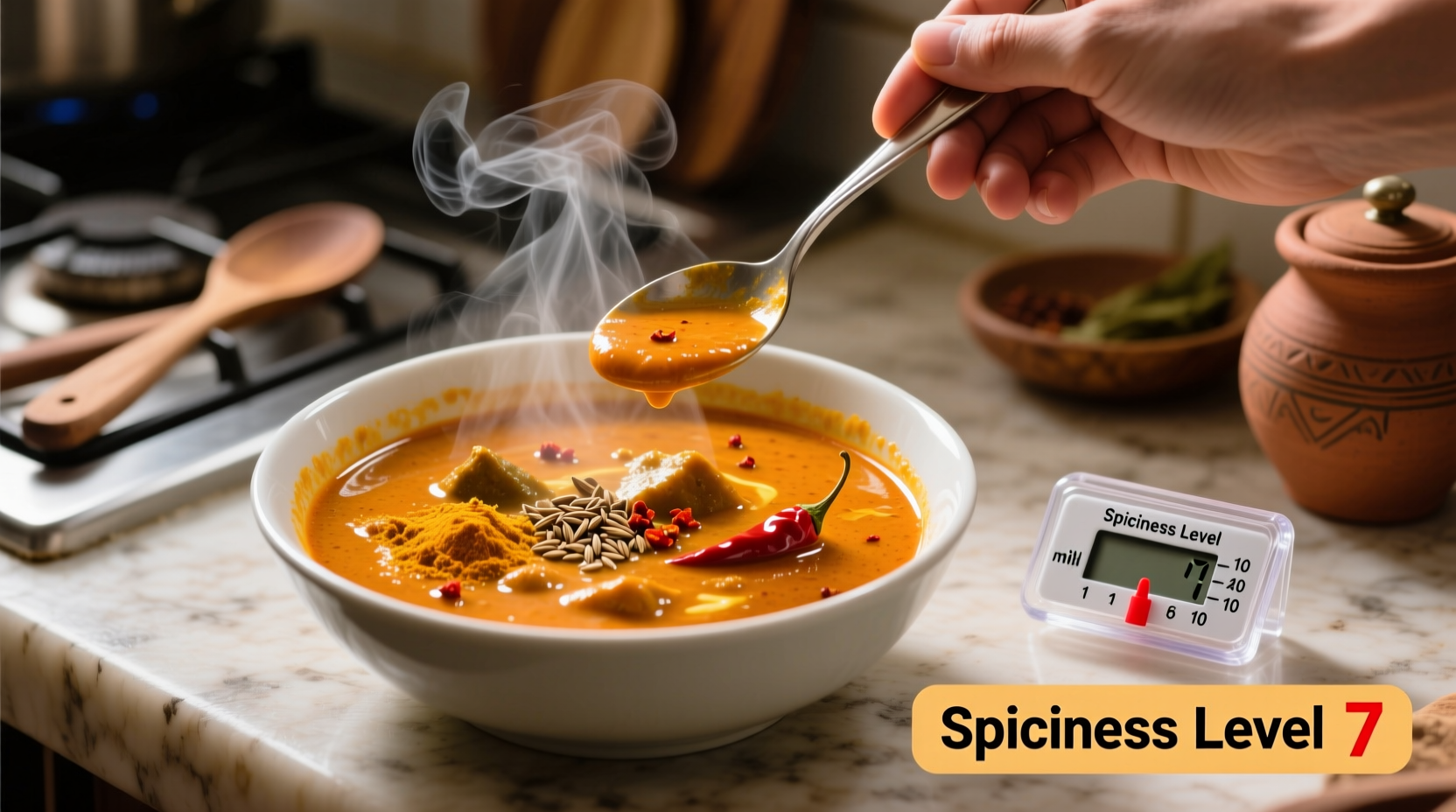
The term “curry” originated as a British colonial approximation for the wide array of spiced dishes found across South and Southeast Asia. Today, it broadly refers to any dish featuring a sauce or stew seasoned with a blend of spices, often including turmeric, cumin, coriander, ginger, garlic, and chiles. However, there is no single “curry” recipe or standard heat level. Instead, curry encompasses thousands of regional variations—from mild Kormas in Northern India to blistering vindaloos in Goa, from fragrant Thai green curries to coconut-based rendang from Indonesia.
Spiciness in curry primarily comes from capsaicin, the compound in chili peppers that stimulates heat receptors in the mouth. The amount and type of chile used—fresh, dried, powdered, or infused into oil—determine the intensity. Additionally, cooking techniques such as blooming spices in oil, toasting whole chiles, or simmering pastes can either amplify or mellow heat. Crucially, spiciness does not equate to flavor depth; many of the most complex curries balance heat with sweetness, acidity, umami, and aroma.
Key Characteristics of Curry Spiciness
The perception of spiciness in curry depends on multiple factors beyond raw chile content. These include:
- Capsaicin concentration: Determined by chile variety and part of the pepper used (seeds and membranes are hottest).
- Preparation method: Toasting, frying, or prolonged simmering can alter heat release.
- Fat content: Oils and coconut milk help dissolve and distribute capsaicin, affecting perceived burn.
- Auxiliary ingredients: Dairy (yogurt, cream), sugar, acid (tamarind, lime), and starches can mitigate or modulate heat.
- Serving temperature: Hotter dishes may intensify the sensation of spiciness.
Tip: Capsaicin is fat-soluble, not water-soluble. Drinking milk or eating yogurt is far more effective at cooling the mouth than water after consuming spicy curry.
Variants & Types: A Global Perspective on Heat Levels
Curry spiciness varies dramatically by region and style. Below is an overview of major curry types categorized by typical heat level, along with key ingredients and culinary context.
| Curry Type | Region | Typical Heat Level (1–10) | Primary Heat Source | Flavor Profile |
|---|---|---|---|---|
| Korma | North India / Pakistan | 1–2 | Minimal or none | Creamy, nutty, mildly spiced with saffron and cardamom |
| Butter Chicken (Murgh Makhani) | Punjab, India | 2–3 | Ground Kashmiri chile (mild red pepper) | Tomato-cream base, buttery, slightly sweet |
| Madras | South India | 6–7 | Dried red chiles, black pepper, mustard seeds | Sharp, tangy, robustly spiced with tamarind |
| Vindaloo | Goa, India | 8–10 | Fresh and dried red chiles, sometimes ghost peppers | Fiery, sour (from vinegar), pungent |
| Green Curry (Gaeng Keow Wan) | Thailand | 5–7 | Fresh green chilies, bird's eye chiles | Herbal, bright, coconut-rich with lemongrass and basil |
| Red Curry (Gaeng Phet) | Thailand | 6–8 | Dried red chilies, roasted for depth | Rich, spicy, slightly sweet with shrimp paste and galangal |
| Yellow Curry (Kaeng Kari) | Thailand | 3–4 | Mild yellow chilies, turmeric-heavy | Mellow, aromatic, often includes potatoes and chicken |
| Rendang | West Sumatra, Indonesia | 4–6 | Chili paste (cabe giling), candlenuts | Deeply savory, slow-cooked, coconut-intensive with caramelized edges |
| Jamaican Curry | Jamaica | 3–5 | Scotch bonnet (used sparingly), curry powder | Fragrant, earthy, slightly fruity with allspice influence |
| Japanese Curry | Japan | 2–3 | Mild curry roux, often with apple or honey | Sweet, thick, umami-rich, served with rice and tonkatsu |
How Regional Traditions Shape Heat Perception
In South India, particularly Tamil Nadu and Kerala, chiles are used liberally, and heat is embraced as a natural component of daily meals. Dishes like sambar and rasam routinely register between 5–7 on the heat scale. In contrast, Mughlai-influenced North Indian curries such as korma or pasanda prioritize richness and fragrance over fire, catering historically to royal palates that favored subtlety.
Thai cuisine uses fresh chiles in paste form, where grinding releases volatile oils that contribute both heat and aroma. Green curry paste, for example, contains unripe bird’s eye chilies, which are hotter than their mature red counterparts due to higher moisture and active compounds. Meanwhile, Japanese curry—adapted from British interpretations of Indian food—is deliberately mild, designed for family dining and even children’s meals.
Comparison with Similar Ingredients
Many confuse “curry powder” with “curry” itself, but they are not interchangeable. Curry powder is a Western invention—a pre-mixed blend intended to mimic South Asian flavors. Similarly, “spicy” should not be conflated with “flavorful.” Below is a comparison clarifying common misconceptions.
| Item | Is It Always Spicy? | Origin / Use | Notes |
|---|---|---|---|
| Curry Powder | No | British creation, 19th century | Often contains turmeric, cumin, coriander, fenugreek; heat varies by brand |
| Curry Leaves | No | South Indian, Sri Lankan | Aromatic herb (Murraya koenigii), unrelated to chiles; adds citrusy depth |
| Red Chili Powder (India) | Yes | Indian subcontinent | Can range from mild (Kashmiri) to extremely hot (Byadgi or Guntur) |
| Harissa | Yes | North Africa | Chile paste with garlic and spices; often hotter than most curry pastes |
| Garam Masala | No | Indian subcontinent | Warm spice blend (cinnamon, cloves, cardamom); added at end for aroma, not heat |
“In Kerala, we don’t measure spiciness—we measure readiness. If your eyes aren’t watering a little by the third bite, you haven’t made it right.” — Chef Anjali Rao, Kochi
Practical Usage: How to Control and Use Spiciness in Cooking
Managing curry heat is both a science and an art. Whether you're aiming for gentle warmth or face-melting intensity, these techniques ensure precision and balance.
Step-by-Step: Building Heat Gradually
- Select your chile wisely: Use fresh chiles for bright, sharp heat (e.g., serrano, Thai bird’s eye). Opt for dried chiles (like arbol or guajillo) for deeper, smokier fire.
- Control the cut: Finely mince or puree chiles to disperse heat evenly. Leave them whole or halved for localized bursts of spice.
- Seed removal: Remove seeds and inner membranes to reduce heat significantly—up to 70% of capsaicin resides there.
- Bloom in fat: Fry whole or ground chiles in oil or ghee at medium heat to release flavors without scorching. This step also helps integrate heat into the sauce base.
- Add early vs. late: Adding chiles early mellows their punch through cooking; adding at the end preserves raw, piercing heat.
- Balance with counterpoints: Add dairy (coconut milk, yogurt), sweetness (palm sugar, mango), or acid (lime juice, tamarind) to offset excessive heat.
Professional Techniques for Heat Management
- Tempering (tadka): Pouring hot oil infused with mustard seeds and dried chiles over finished curry adds aromatic heat without overcooking.
- Paste layering: In Thai cooking, curry paste is fried first in coconut cream until oil separates—this deepens flavor and stabilizes heat.
- Double-chile strategy: Use one mild chile (e.g., poblano) for body and a small amount of ultra-hot chile (e.g., habanero) for kick—maximizes control.
Pro Tip: When making large batches, under-season slightly with chiles. You can always increase heat later, but diluting an overly spicy curry requires adding volume (more liquid, vegetables, or protein), which alters texture and cost.
Pairing Suggestions by Heat Level
Matching curry heat with side dishes enhances the overall experience:
- Mild Curries (1–3): Pair with naan, paratha, or steamed jasmine rice. Complement with raita (yogurt-cucumber relish) or pickled onions for brightness.
- Medium-Hot Curries (4–6): Serve with basmati rice and cooling sides like mango chutney or papadum. A lassi (sweet or salty yogurt drink) balances mid-level heat effectively.
- Hot to Very Hot (7–10): Offer plain rice or roti to temper the palate. Avoid highly seasoned sides—let the curry dominate. Water is insufficient; serve cold milk or buttermilk.
Practical Tips & FAQs
Q: Can I reduce the spiciness of a curry after it’s too hot?
A: Yes. Add dairy (cream, yogurt, coconut milk), starchy ingredients (potatoes, lentils), or sweeteners (sugar, honey, fruit). Dilution with additional broth or water also helps, though it may thin the sauce. Simmer for 10–15 minutes to integrate changes.
Q: Is there a way to objectively measure curry spiciness?
A: While subjective, the Scoville Heat Unit (SHU) scale measures chile heat. For example:
- Kashmiri chili: 1,000–2,000 SHU (mild)
- Thai bird’s eye: 50,000–100,000 SHU (very hot)
- Ghost pepper: 800,000–1,000,000+ SHU (extreme)
Q: How do restaurants label curry heat accurately?
A: Many use standardized scales (mild/medium/hot) and train kitchen staff to follow precise recipes. High-volume kitchens may use calibrated chile powders or pre-made pastes with consistent heat levels. Some Indian restaurants offer heat customization upon request.
Q: Does freezing curry affect its spiciness?
A: Freezing preserves capsaicin well. Thawed curry will retain its original heat level, though texture may change slightly. Reheat gently to avoid breaking emulsions (especially in coconut or dairy-based curries).
Q: Are some people genetically predisposed to tolerate spicier curry?
A: Yes. Genetic variation in TRPV1 receptors—the proteins that detect capsaicin—means some individuals perceive heat more intensely. Regular exposure can desensitize these receptors over time, increasing tolerance.
Q: What are common substitutes for fresh chiles in curry?
A: Ground cayenne offers similar heat but less freshness. Paprika provides color and mild flavor (use smoked paprika for depth). For authentic taste, rehydrated dried chiles (like ancho or pasilla) can replace fresh in stews. Always adjust quantity—dried chiles are often more concentrated.
Storage, Shelf Life & Ingredient Freshness
Spice degradation affects heat perception. Whole chiles and spices retain potency longer than ground forms.
- Whole dried chiles: Store in airtight containers away from light; usable for 1–2 years.
- Ground chiles and curry powders: Lose potency after 6–12 months; label containers with purchase dates.
- Fresh chiles: Refrigerate in crisper drawer for up to 3 weeks. Freeze for long-term storage (blanch first if desired).
- Curry pastes (homemade): Last 1 week refrigerated, 3 months frozen. Commercial pastes last longer due to preservatives.
“A stale chile won’t burn your mouth, but it will disappoint your soul.” — Anonymous Mumbai street vendor
Summary & Key Takeaways
Understanding the spiciness level of curry requires moving beyond assumptions. Heat is not inherent to curry—it is a variable, adjustable element shaped by ingredients, technique, and tradition. From the velvety mildness of butter chicken to the volcanic punch of Goan vindaloo, curry exists on a vast spectrum of sensation.
Key points to remember:
- Not all curries are spicy—many emphasize aroma, richness, or balance over heat.
- Spiciness comes primarily from chiles, but preparation and accompaniments dramatically influence perception.
- Regional styles define expected heat levels—knowing the origin helps predict intensity.
- You can control heat during cooking by selecting chile types, managing seeds, and balancing with fats, sugars, and acids.
- Substitutions and adjustments are possible, but freshness of ingredients ensures authentic results.
- Genetic and cultural factors shape individual tolerance—there is no universal “hot.”
Final Thought: The best curry isn’t the hottest—it’s the one that harmonizes heat with flavor, texture, and intention. Mastering spiciness means mastering balance.




 浙公网安备
33010002000092号
浙公网安备
33010002000092号 浙B2-20120091-4
Comments
No comments yet. Why don't you start the discussion?