
It’s a familiar sight in pantries across the world: a bag of potatoes left too long in a dark cupboard, now sporting strange, knobby growths from their surface. These sprouting bumps—often mistaken for signs of rot or disease—are actually a natural biological process. While they may look unappetizing, understanding what these sprouts are, why they form, and how they affect safety and edibility is essential for any home cook. More than just a storage mishap, potato sprouting reveals important insights into plant physiology, food preservation, and kitchen safety. This article provides a comprehensive, science-backed explanation of potato sprouting, including when it's safe to use sprouted potatoes, how to handle them properly, and how to prevent premature sprouting in your kitchen.
Definition & Overview
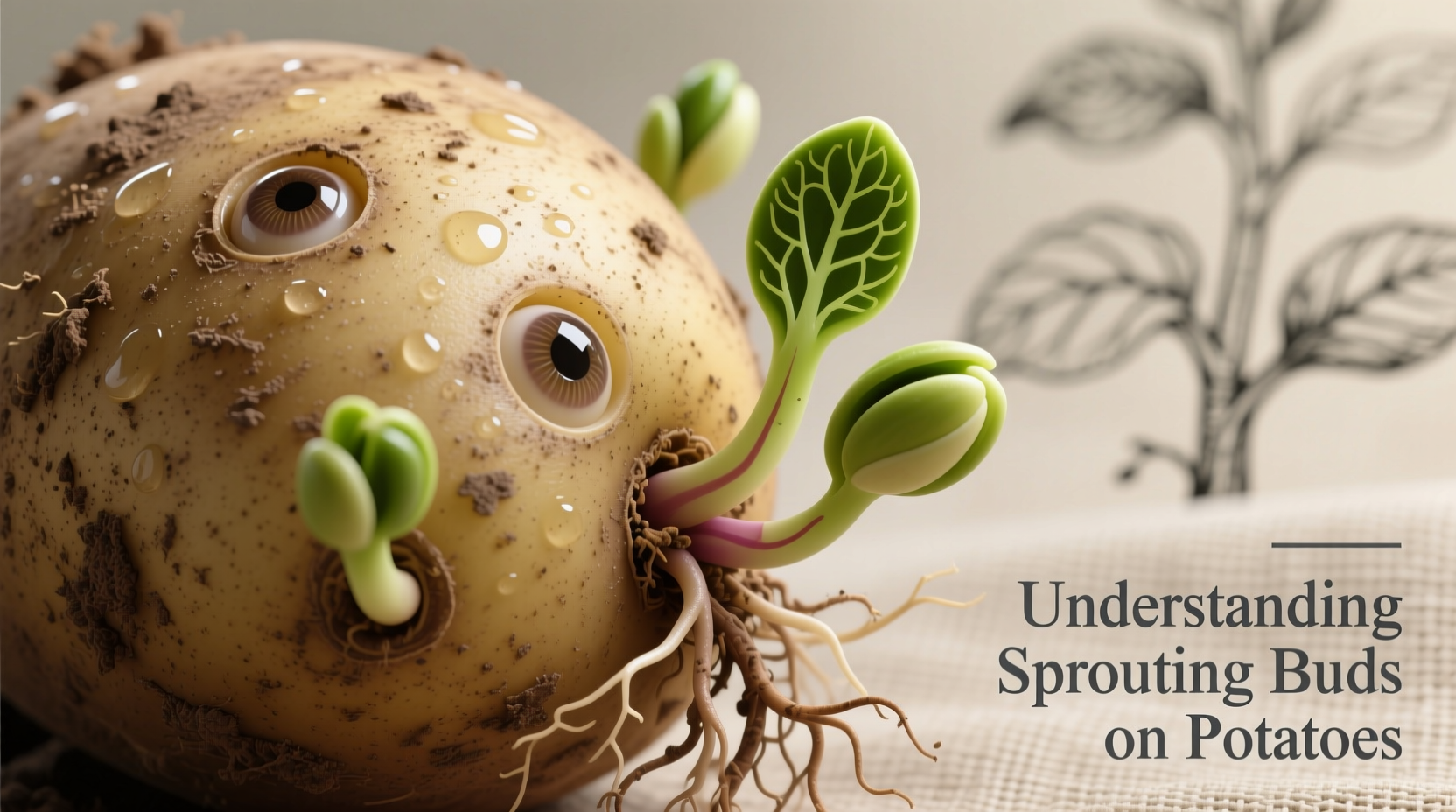
The \"sprouting bumps\" on potatoes are emerging shoots—technically known as stolons or eyes—that develop from dormant buds on the tuber’s surface. These buds remain inactive during storage but activate under favorable conditions such as warmth, humidity, and exposure to light. The sprouts themselves are the beginning of new potato plants; given soil, water, and sunlight, each could grow into a full vine producing more tubers.
Potatoes (Solanum tuberosum) are modified underground stems called tubers, not roots. They evolved this sprouting mechanism as a survival strategy to propagate the species. In agricultural settings, farmers often use seed potatoes—tubers intentionally allowed to sprout—to ensure consistent crop yields. However, in domestic kitchens, sprouting is typically seen as a sign of aging or improper storage.
While mild sprouting doesn’t immediately render a potato inedible, it signals chemical changes within the tuber that can affect flavor, texture, and, crucially, safety. Understanding these transformations allows cooks to make informed decisions about whether to use, modify, or discard sprouted potatoes.
Key Characteristics of Sprouting Potatoes
- Sprout Appearance: Whitish, green-tinged, or purplish tendrils emerging from the eyes; length varies from a few millimeters to several centimeters.
- Texture Change: Tuber becomes softer, sometimes wrinkled or shrunken due to moisture and starch loss.
- Color Shifts: Green patches may appear beneath or around sprouts due to chlorophyll production when exposed to light.
- Chemical Changes: Increase in glycoalkaloids (notably solanine and chaconine), especially near sprouts and green areas.
- Olfactory Cues: Mild earthy scent if only slightly sprouted; musty, bitter, or off-putting odor if advanced decay has begun.
- Culinary Function: Still usable if sprouting is minimal and no spoilage is present, though texture and taste may be compromised.
- Shelf Life Indicator: Sprouting marks the decline phase of a potato’s shelf life, even if not yet spoiled.
Expert Tip: Not all sprouts are equal. Short, firm sprouts (<1 cm) on a firm tuber indicate early-stage sprouting and are manageable. Long, leafy sprouts signal significant nutrient depletion and higher toxin levels—proceed with caution.
Why Potatoes Sprout: The Science Behind the Bumps
Sprouting is a continuation of the potato’s natural life cycle. After harvest, potatoes enter a state of dormancy lasting two to four months, depending on variety and storage conditions. During dormancy, metabolic activity slows, preserving starch and moisture. Once dormancy ends—or is prematurely broken by environmental triggers—the tuber resumes growth.
The primary factors that induce sprouting include:
- Temperature: Warm environments (>45°F / 7°C) accelerate sprout development. Ideal storage is between 40–45°F (4–7°C).
- Humidity: High humidity encourages sprouting and mold. Moderate humidity (around 90%) is optimal but hard to maintain at home.
- Light Exposure: Light stimulates both sprouting and chlorophyll synthesis, leading to greening—a visible warning sign of potential alkaloid accumulation.
- Age: Older potatoes are more likely to sprout as internal hormones shift toward growth activation.
The hormone abscisic acid maintains dormancy, while gibberellins promote sprouting. As abscisic acid degrades over time, gibberellin dominance triggers bud elongation. This biochemical transition is irreversible once initiated.
Are Sprouted Potatoes Safe to Eat?
The answer depends on the extent of sprouting and accompanying changes in the tuber.
A potato with small sprouts and no soft spots, mold, or green discoloration is generally safe to eat after proper preparation. However, the sprouts themselves and the tissue immediately surrounding the eyes contain elevated levels of glycoalkaloids—natural plant defense compounds toxic to humans in high concentrations.
Solanine and chaconine are the primary glycoalkaloids in potatoes. They have a bitter taste and can cause gastrointestinal distress (nausea, vomiting, diarrhea), headaches, and, in extreme cases, neurological symptoms. The FDA considers total glycoalkaloid levels above 20 mg per 100 g of potato unsafe for consumption. Greening increases solanine content significantly—up to tenfold in severely affected areas.
\"Consumers should treat green or heavily sprouted potatoes with caution. While occasional ingestion of low-level glycoalkaloids isn't harmful, repeated exposure or large doses can pose health risks, especially for children.\" — Dr. Linda Katz, Food Safety Specialist, USDA Center for Food Policy
When to Discard a Sprouted Potato
Throw out potatoes if they exhibit any of the following:
- Extensive sprouting with long, leafy shoots
- Widespread green pigmentation beneath skin
- Soft, mushy texture or deep wrinkles
- Foul odor or visible mold
- Hollow center or internal browning
Practical Usage: How to Handle Slightly Sprouted Potatoes
If a potato shows only minor sprouting and remains firm, it can still be used safely with careful preparation. Follow this step-by-step guide:
- Peel thoroughly: Remove at least 1/4 inch (6 mm) of flesh around each sprout and eye, where glycoalkaloids concentrate.
- Cut away green areas: Excise any green-tinged tissue completely. Do not cook with green pieces, even if buried inside.
- Inspect texture: Press the potato gently. If it resists pressure and feels solid, it’s likely usable. If it yields easily, discard.
- Taste test (optional): Cook a small piece first. A noticeable bitterness indicates high alkaloid levels—do not consume the rest.
- Use promptly: Do not re-store peeled, prepped sprouted potatoes. Use immediately after cutting.
Best cooking methods for mildly sprouted potatoes:
- Boiling or steaming: Effective for mashed potatoes or soups. Water-soluble toxins may leach slightly into cooking liquid—discard the water after use.
- Baking: Acceptable if sprouting is minimal and prep is thorough. Avoid eating skin if any greening was present.
- Roasting or frying: High heat does not destroy glycoalkaloids, so proper trimming is critical.
Pro Tip: Never feed sprouted or green potato peels to pets—especially dogs and livestock. Solanine toxicity is more severe in animals and can be fatal.
Variants & Types: Different Forms of Sprouting
Sprouting manifests differently depending on storage conditions and potato type. Recognizing these variants helps assess risk and usability.
| Type of Sprouting | Appearance | Causes | Safety Assessment |
|---|---|---|---|
| Early Dormancy Break | Short white sprouts from multiple eyes | Warm storage, aging | Safe if firm; trim sprouts and adjacent tissue |
| Light-Induced Sprouting | Sprouts with green base or surrounding area | Exposure to sunlight or artificial light | Risky; high solanine in green zones—discard if extensive |
| Internal Sprouting | No external sprouts, but hollow center with fibrous growth | Poor ventilation, prolonged storage | Unsafe—discard due to unseen toxin buildup |
| Mold-Associated Sprouting | Sprouts accompanied by fuzzy growth or dark spots | High humidity, microbial contamination | Unsafe—discard immediately |
Some potato varieties are more prone to sprouting than others. For example:
- Russet Burbank: Long dormancy period; resists sprouting for months when stored properly.
- Yukon Gold: Moderate dormancy; begins sprouting earlier than russets.
- Red Bliss: Shorter dormancy; tends to sprout faster, especially in warm kitchens.
- Sweet Potatoes: Technically different species (Ipomoea batatas); sprout differently and are generally safer when sprouted, though texture deteriorates.
Comparison with Similar Ingredients
Potato sprouting is often confused with other tuber behaviors or spoilage signs. Clarifying these distinctions prevents unnecessary waste or risky consumption.
| Condition | Appearance | Edibility | Key Difference |
|---|---|---|---|
| Potato Sprouting | Green-tinged or white shoots from eyes | Conditionally edible | Natural growth process; toxin buildup possible |
| Onion Sprouting | Green central shoot through layers | Edible (mild flavor loss) | No toxic compounds produced; safe to eat |
| Garlic Sprouting | Green shoot from clove center | Edible (bitterer taste) | Non-toxic; remove shoot for better flavor |
| Rot or Mold | Soft spots, fuzz, dark lesions | Not edible | Microbial decay—not sprouting; discard |
| Freeze Damage | Grainy texture, water-soaked areas | Generally unsafe | No sprouts; caused by thawing frozen potatoes |
Practical Tips & FAQs
How can I prevent potatoes from sprouting?
Store potatoes in a cool, dark, well-ventilated place between 40–45°F (4–7°C). A basement or pantry works well. Avoid refrigeration below 40°F, which converts starch to sugar and causes undesirable sweetness and dark browning when cooked. Never store near onions, apples, or bananas—these release ethylene gas, which accelerates sprouting.
Can I plant sprouted potatoes from my kitchen?
Yes. Certified seed potatoes are ideal, but healthy sprouted table potatoes can grow into productive plants. Cut larger tubers into chunks with at least one eye per piece, let them cure for 24–48 hours, then plant in loose, well-drained soil. Note: Grocery-store potatoes may have been treated with sprout inhibitors, reducing success rates.
Do sprouted potatoes lose nutritional value?
Yes. As the potato fuels sprout growth, it consumes stored starches, vitamins (especially vitamin C), and moisture. The longer the sprouts grow, the more depleted the tuber becomes. Cooking further reduces nutrient availability.
Is it safe to eat sprouted potatoes during pregnancy?
Higher sensitivity to glycoalkaloids exists during pregnancy. Due to potential neurodevelopmental risks observed in animal studies, pregnant individuals should avoid sprouted or green potatoes entirely as a precaution.
Can cooking neutralize solanine?
No. Solanine and chaconine are heat-stable and not destroyed by boiling, baking, or frying. While deep frying at very high temperatures (above 170°C) may reduce levels slightly, it does not eliminate risk. Proper trimming is the only effective mitigation.
What’s the difference between “eyes” and sprouts?
Eyes are the dormant buds on a potato’s surface—small indentations where sprouts emerge. A potato with eyes but no visible growth is normal and safe. Sprouts are the living extensions growing from those eyes. Presence of sprouts indicates active metabolic change.
How long do potatoes last before sprouting?
Commercially stored potatoes can remain dormant for 3–6 months. At home, expect 2–3 weeks under average kitchen conditions. Waxy varieties sprout faster than starchy ones.
Storage Checklist:
- Keep in paper or mesh bag—never plastic (traps moisture)
- Store away from light
- Separate from ethylene-producing produce
- Check weekly for early sprouting
- Use oldest potatoes first (FIFO method)
Summary & Key Takeaways
The sprouting bumps on potatoes are natural growth points activating when dormancy ends. While not inherently dangerous, they signal physiological changes that impact safety and quality. Key takeaways:
- Sprouting itself is not spoilage, but a biological progression toward plant regeneration.
- Toxic glycoalkaloids like solanine accumulate near sprouts and green areas—these must be removed completely.
- Firm potatoes with small sprouts can be safely eaten after thorough peeling and trimming.
- Discard any potato that is soft, green, moldy, or has long sprouts.
- Proper storage—cool, dark, ventilated, and separated from onions—delays sprouting significantly.
- Cooking does not destroy glycoalkaloids; prevention and preparation are the only safeguards.
Understanding sprouting empowers smarter kitchen decisions: reducing food waste without compromising safety. By recognizing the signs, respecting the science, and applying practical handling techniques, home cooks can navigate this common pantry issue with confidence.
Final Thought: A sprouting potato isn’t just aging produce—it’s a reminder of the living nature of our food. Treat it with care, knowledge, and respect.




 浙公网安备
33010002000092号
浙公网安备
33010002000092号 浙B2-20120091-4
Comments
No comments yet. Why don't you start the discussion?