
Saying goodbye to a beloved dog is one of the most difficult decisions a pet owner will ever face. Euthanasia, often referred to as \"putting a dog to sleep,\" is a compassionate choice made to prevent prolonged suffering when a pet's quality of life has significantly declined. While the act itself is humane and painless, the emotional, financial, and logistical dimensions surrounding it are complex. Understanding these elements in advance can help pet owners make informed, peaceful decisions during an emotionally overwhelming time.
When Is It Time to Consider Euthanasia?
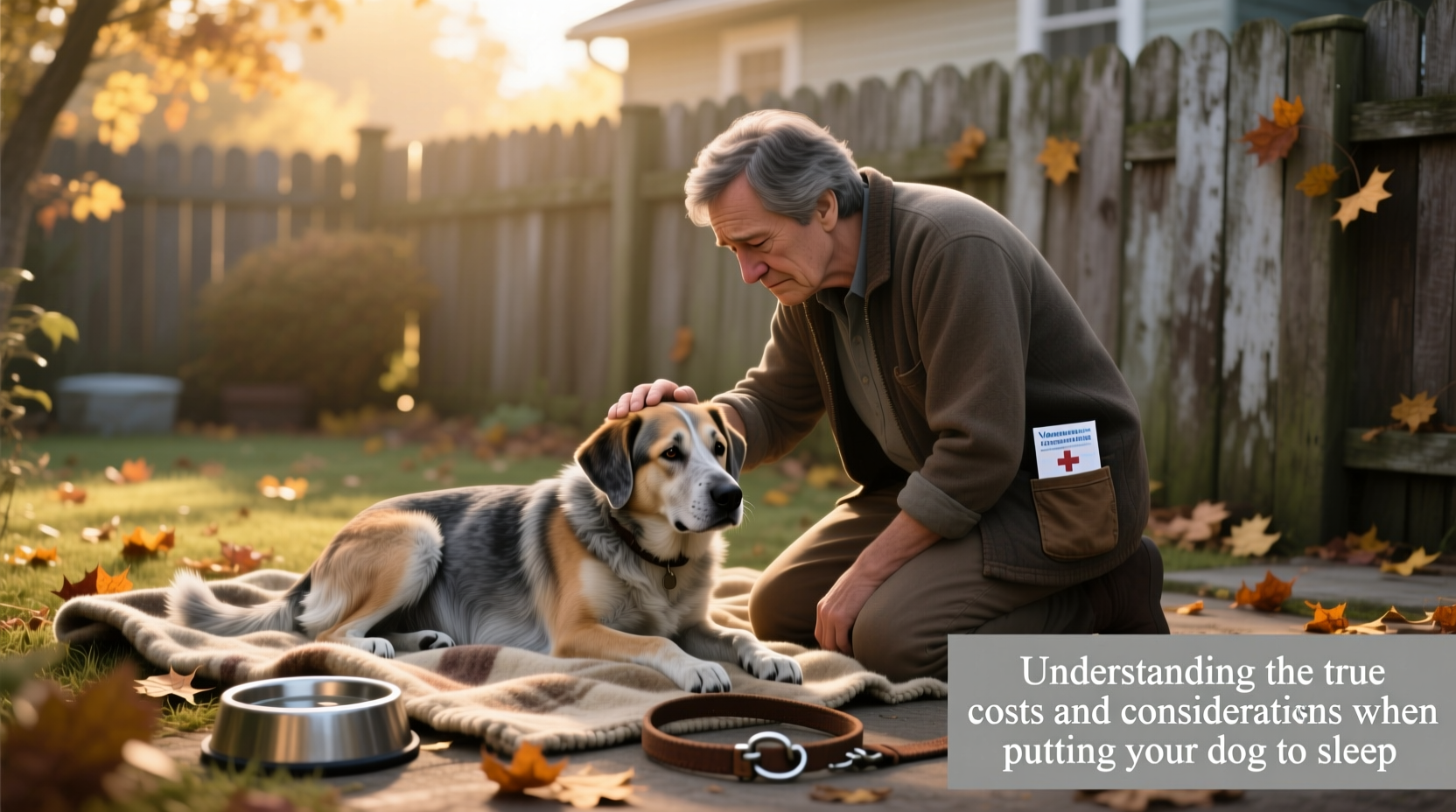
Determining the right moment to consider euthanasia requires careful observation of your dog’s physical condition and daily behavior. Veterinarians often use quality-of-life scales to assess whether a pet is still experiencing more good days than bad. Signs that may indicate declining quality of life include:
- Inability to stand or move without severe pain
- Lack of appetite lasting more than 48 hours
- Chronic vomiting or diarrhea leading to dehydration
- Labored breathing or constant panting at rest
- No longer responding to family members or showing interest in surroundings
- Incontinence that cannot be managed comfortably
These signs don’t automatically mean euthanasia is necessary, but they signal that a serious conversation with your veterinarian is needed. The goal is not to extend life at all costs, but to preserve dignity and comfort.
Financial Costs of Canine Euthanasia
The cost of euthanasia varies widely depending on location, clinic type, and additional services chosen. Below is a breakdown of typical expenses associated with the procedure.
| Service | Average Cost (USD) | Notes |
|---|---|---|
| Clinic Euthanasia | $50 – $150 | Performed at the veterinary office during regular hours |
| In-Home Euthanasia | $200 – $400+ | Includes travel fee; provides a calmer environment for the pet and family |
| Cremation (Communal) | $75 – $150 | Shared cremation; ashes are not returned |
| Cremation (Private) | $150 – $300+ | Dog is cremated individually; ashes returned in urn |
| Ashes Urn or Memorial | $25 – $200 | Optional keepsake; prices vary by design and material |
Additional fees may apply for after-hours appointments, sedation prior to injection, or overnight boarding if scheduling is delayed. In-home services, while more expensive, are increasingly popular due to their gentler setting, allowing families to say goodbye in a familiar, stress-free environment.
Emotional and Ethical Considerations
The emotional weight of choosing euthanasia often lingers long after the procedure. Many pet owners experience guilt, wondering if they acted too soon—or waited too long. It’s important to recognize that this decision is rooted in love, not failure. As Dr. Karen Overall, a renowned veterinary behaviorist, explains:
“Allowing a pet to suffer because we aren’t ready to let go is a human need, not a canine one. Our responsibility is to protect them from pain—even if it breaks our hearts.” — Dr. Karen Overall, Veterinary Behavioral Medicine Specialist
Ethically, euthanasia is considered acceptable when supported by veterinary assessment and motivated by the animal’s well-being. However, cultural, religious, or personal beliefs may influence how individuals perceive the act. Some find comfort in rituals such as writing a letter to their pet, holding a small memorial, or planting a tree in their memory.
Real-Life Example: Bella’s Final Days
Maria, a retired teacher from Oregon, faced the decline of her 14-year-old Golden Retriever, Bella, who had been diagnosed with advanced kidney failure. Despite fluid therapy and medication, Bella stopped eating, trembled constantly, and could no longer walk to the backyard. Maria consulted her vet, who used a quality-of-life scale scoring Bella at 3 out of 10. After two weeks of exhausting care, Maria scheduled an in-home euthanasia.
“I wanted her last moments to be peaceful,” Maria said. “We laid her favorite blanket on the porch, played her favorite music, and each of us said goodbye. The vet was so gentle. It wasn’t easy—but I know it was right.”
Bella’s story reflects the reality many pet owners face: balancing intense emotional attachment with the duty to prevent suffering.
Step-by-Step Guide to Preparing for Euthanasia
Navigating this process becomes less overwhelming with preparation. Follow this timeline to ensure clarity and compassion throughout.
- Consult Your Veterinarian: Schedule a thorough evaluation to discuss diagnosis, prognosis, and treatment limits.
- Assess Quality of Life: Use a standardized scale (like the HHHHHMM scale—Hurt, Hunger, Hydration, Hygiene, Happiness, Mobility, More Good Days Than Bad) to track daily changes.
- Decide on Location: Choose between in-clinic or in-home euthanasia based on your dog’s anxiety levels and family needs.
- Plan Aftercare: Decide on burial, communal cremation, or private cremation. Order an urn if desired.
- Prepare the Space: If at home, set up a quiet area with bedding, toys, and calming music.
- Say Goodbye: Allow family members and even close friends or other pets to spend final moments if appropriate.
- After the Procedure: Take time to grieve. Consider memorializing your dog with a photo frame, paw print kit, or donation in their name.
Common Questions About Canine Euthanasia
Is euthanasia painful for my dog?
No. The process begins with a sedative to ensure your dog is calm and unaware. Once deeply relaxed, the veterinarian administers a euthanasia solution that gently stops heart and brain function. It is completely painless and peaceful.
Can I be present during the procedure?
Yes, and most veterinarians encourage it. Being there allows you to comfort your dog and begin the grieving process with closure. Some people choose not to watch, and that is equally valid. Discuss your preference with the vet beforehand.
What happens to my dog’s body afterward?
You have several options: private cremation (ashes returned), communal cremation (ashes not returned), or burial if local regulations allow. Some pet cemeteries offer individual plots with headstones. Mobile services can assist with transportation regardless of your choice.
Final Thoughts and Support Resources
Choosing to put a dog to sleep is not a sign of giving up—it’s an act of profound love. The costs involved go beyond money; they include emotional courage, careful judgment, and deep empathy. While nothing eliminates the grief of losing a companion, knowing you made a thoughtful, informed decision can bring lasting peace.
If you’re struggling with this choice, seek support. Many veterinary schools and national organizations offer free pet loss hotlines staffed by counselors trained in animal bereavement. Groups like the ASPCA Pet Loss Hotline and the Association for Pet Loss and Bereavement provide compassionate guidance during this tender time.




 浙公网安备
33010002000092号
浙公网安备
33010002000092号 浙B2-20120091-4
Comments
No comments yet. Why don't you start the discussion?