
Egg freezing has become a growing option for women seeking to preserve their fertility for medical, career, or personal reasons. While advancements in reproductive technology have made the process more accessible, many are unprepared for the full financial scope involved. Beyond the advertised price tags, numerous hidden fees and long-term costs can add up quickly. Understanding every component of the expense—and planning accordingly—can prevent financial strain and support informed decision-making.
The Breakdown of Egg Freezing Costs
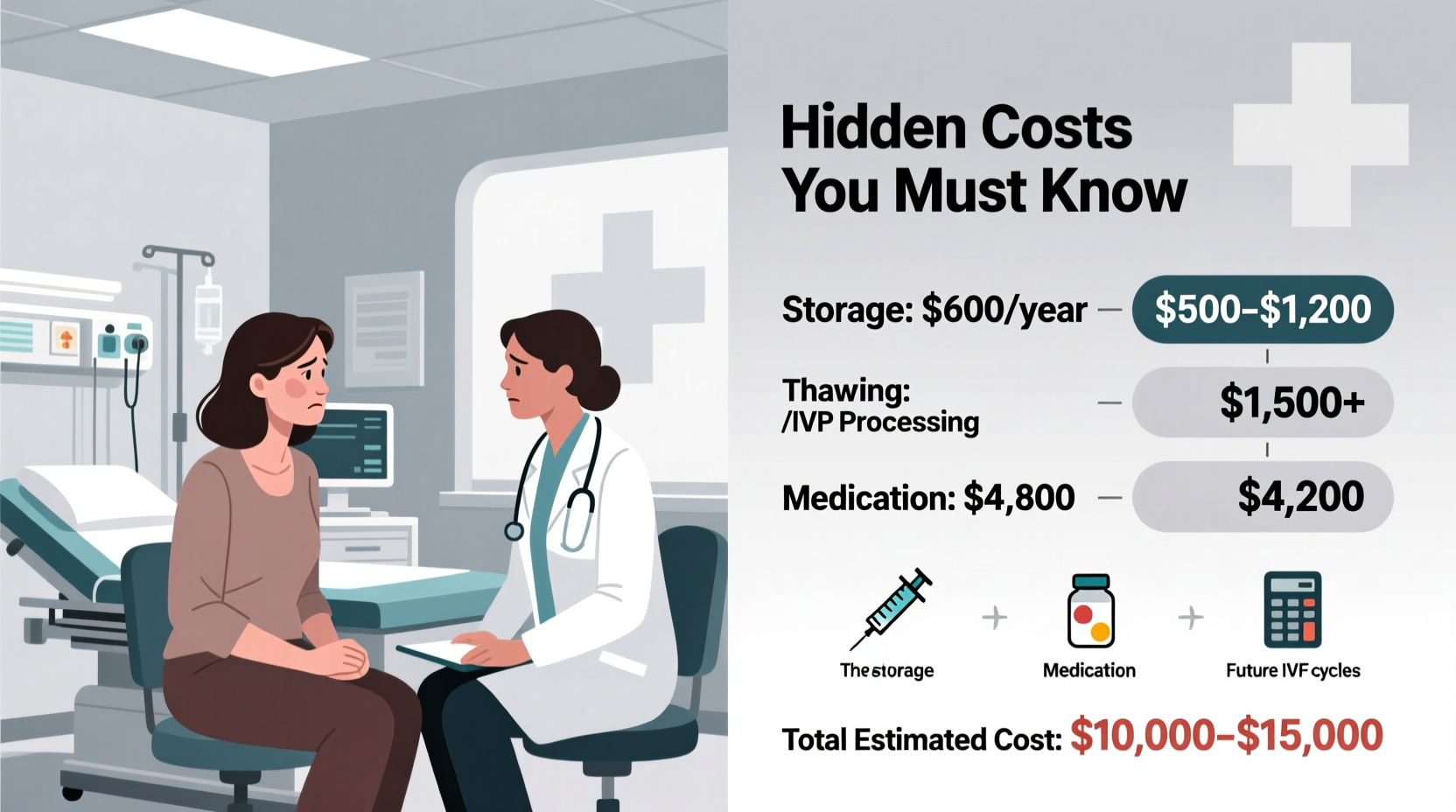
The total cost of egg freezing is rarely limited to a single upfront fee. It typically spans multiple phases: initial consultations, hormone medications, monitoring appointments, the retrieval procedure, lab processing, annual storage, and future use. Each phase carries its own set of charges, some of which may not be transparent until you're deep into the process.
On average, the entire process ranges from $10,000 to $15,000 per cycle in the United States. However, this range often excludes medication costs, which can add another $3,000–$6,000 depending on individual response and required dosage.
Common Cost Components
- Consultation & Testing: Bloodwork, ultrasounds, and fertility assessments typically cost $500–$1,500.
- Hormone Medications: Injectable hormones like FSH and LH vary widely in price based on brand and dosage.
- Monitoring Visits: Multiple ultrasound and blood tests over 10–14 days can total $1,000–$2,000.
- Retrieval Procedure: The surgical extraction under sedation includes anesthesia, facility fees, and embryology lab services ($7,000–$10,000).
- Cryopreservation & Storage: Initial freezing plus annual storage fees ($500–$1,200/year).
Hidden Fees That Catch People Off Guard
Many clinics advertise “starting at” prices that exclude essential services. These omissions can lead to unexpected bills and financial stress.
“Patients often assume the quoted price covers everything, but ancillary fees—like anesthesia, medication, or extended storage—are frequently left out.” — Dr. Lena Torres, Reproductive Endocrinologist
Fees Often Overlooked
| Fee Type | Description | Estimated Cost |
|---|---|---|
| Anesthesia Fee | Separate charge from the anesthesiologist, not always included in surgery cost | $800–$1,500 |
| Medication Markups | Clinics may sell drugs at higher prices than pharmacies; shopping around saves money | $500–$2,000 extra |
| Storage Renewal Fees | Late fees or administrative charges if payment isn’t received on time | $100–$300 |
| Embryology Lab Fees | Processing and freezing eggs; sometimes bundled, sometimes separate | $1,000–$2,500 |
| Insurance Coordination Charges | Some clinics bill for time spent verifying benefits or filing claims | $100–$300 |
Smart Budgeting Strategies for Egg Freezing
While egg freezing is a significant investment, there are practical ways to manage costs without compromising care quality.
Step-by-Step Guide to Financial Planning
- Research Multiple Clinics: Compare not just base prices but also what’s included. Ask each provider for a full breakdown.
- Negotiate Package Pricing: Some clinics offer all-inclusive packages with discounts for upfront payment.
- Explore Financing Options: Many clinics partner with third-party lenders like Affirm, CapexMD, or Prosper Healthcare Lending.
- Check Insurance Coverage: While most plans don’t cover elective egg freezing, some may cover diagnostic testing or consultations.
- Use Flexible Spending or HSA Funds: If eligible, use pre-tax accounts to pay for qualified medical expenses.
- Apply for Grants or Programs: Organizations like LUNA (Life Unlimited through New Alternatives) and WINFertility offer discounted cycles.
Mini Case Study: Sarah’s Experience
Sarah, a 34-year-old project manager in Chicago, began researching egg freezing after a cancer scare prompted her to consider fertility preservation. She initially selected a clinic advertising a $9,500 package. After starting treatment, she was surprised by an additional $4,200 in medication costs and a $1,200 anesthesia fee not mentioned earlier.
After pausing her cycle, Sarah switched clinics, requested a complete cost estimate, and used a medical financing plan with a 0% introductory APR. She also purchased her medications through a specialty pharmacy, saving nearly $1,800. Her second cycle cost $13,600—all known upfront—with no surprises.
Do’s and Don’ts When Evaluating Costs
| Do | Don't |
|---|---|
| Ask for a written estimate including all fees | Assume the advertised price is all-inclusive |
| Compare medication sourcing options | Buy meds directly from the clinic without checking retail prices |
| Budget for at least one year of storage | Forget ongoing annual fees after freezing |
| Review cancellation and refund policies | Sign contracts without reading fine print |
Frequently Asked Questions
Does insurance cover egg freezing?
Rarely for elective cases. Some employer-sponsored plans—especially in tech or finance industries—now include partial coverage as a benefit. Medical indications (like cancer treatment) are more likely to be covered. Always verify with your insurer and request pre-authorization when possible.
How many cycles should I plan for?
Most women under 35 aim for one cycle yielding 10–15 mature eggs. Older patients or those with lower ovarian reserve may need 2–3 cycles to achieve optimal results. Each additional cycle multiplies the cost, so early planning improves efficiency and affordability.
What happens if I stop paying storage fees?
Clinics typically send reminders, but failure to renew can result in disposal of frozen eggs. Some facilities require long-term storage agreements or advance payments for multi-year periods to avoid lapses.
Conclusion: Take Control of Your Fertility Journey
Freezing your eggs is both an emotional and financial decision. By understanding the full spectrum of costs—including those not immediately visible—you gain control and reduce the risk of unwanted surprises. Proactive research, careful budgeting, and open communication with providers are key to making this powerful reproductive option sustainable.
Whether you’re exploring egg freezing for medical necessity or personal timing, being financially prepared empowers you to focus on health and peace of mind. Start the conversation with a trusted clinic, ask the tough questions, and build a realistic plan tailored to your goals.




 浙公网安备
33010002000092号
浙公网安备
33010002000092号 浙B2-20120091-4
Comments
No comments yet. Why don't you start the discussion?