
Chamoy is not just a condiment—it’s a sensory experience. To those unfamiliar, its complex blend of sweet, sour, salty, spicy, and umami notes can seem almost paradoxical. Yet for millions across Mexico and beyond, chamoy is an essential flavor anchor in street food, snacks, and beverages. Its presence transforms simple ingredients into bold culinary statements. Whether drizzled over fresh fruit, tucked inside a michelada, or used as a marinade base, chamoy delivers depth and contrast unlike any other sauce. Understanding its taste isn’t just about identifying flavors; it’s about grasping how those elements interact, evolve, and elevate food. This article explores the science, history, and practical artistry behind chamoy’s distinctive profile, offering home cooks and food enthusiasts a roadmap to using it with confidence and creativity.
Definition & Overview
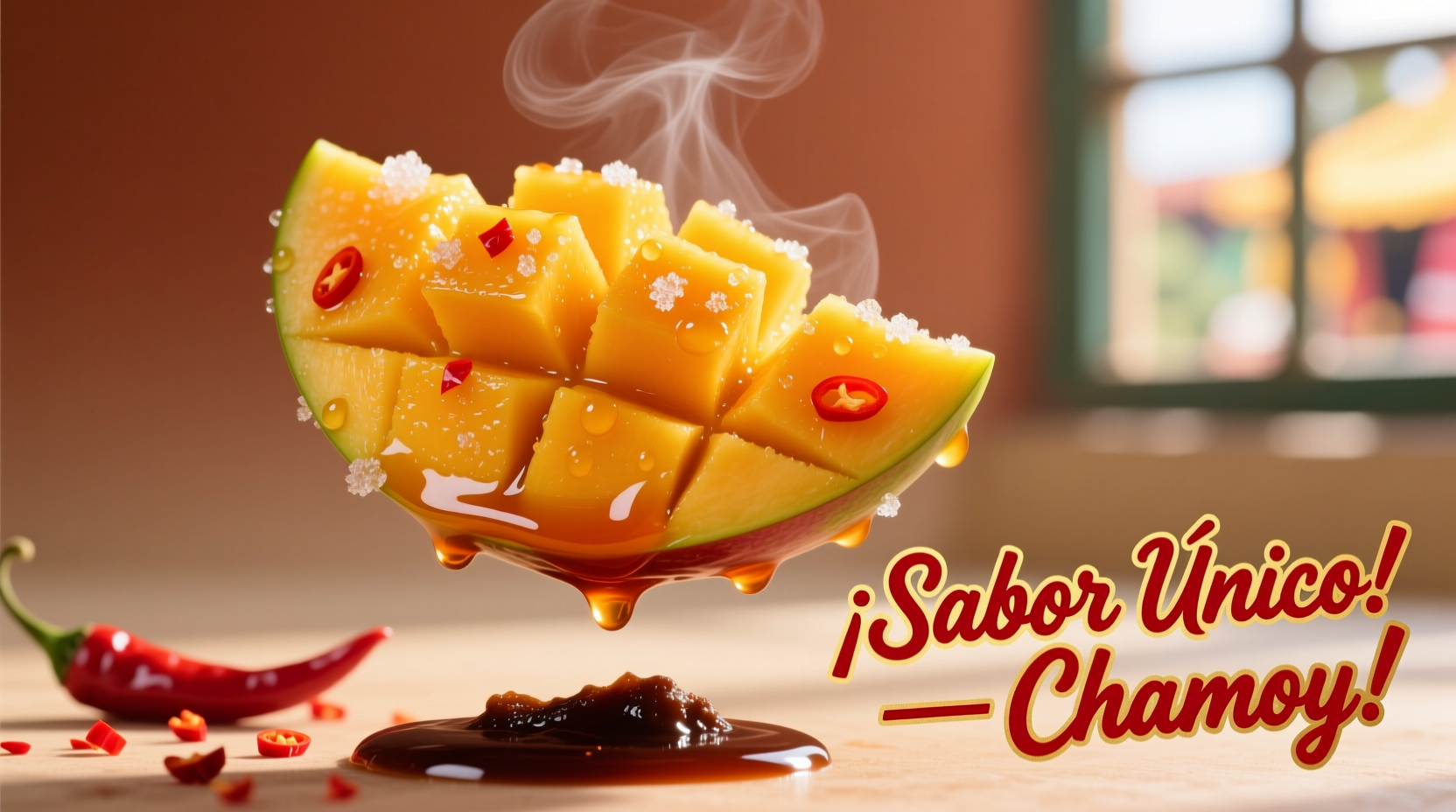
Chamoy is a Mexican condiment known for its layered, multifaceted flavor profile—simultaneously tart, sugary, salty, spicy, and faintly fermented. It typically begins with pickled fruit, most commonly mango, tamarind, apricot, or plum, preserved in a brine infused with chiles, lime juice, and salt. Over time, this process develops a rich, savory-sour base that forms the foundation of chamoy. The final product ranges from a thin, pourable sauce to a thick paste, depending on preparation and intended use.
The origins of chamoy trace back to Asian culinary traditions, particularly the Chinese *li hing mui*—dried, salted plum skins preserved in licorice and citrus. When Chinese immigrants arrived in Mexico during the 19th century, they brought these preserved fruits with them. Over generations, local adaptations emerged, incorporating native chiles like arbol and guajillo, Mexican limes, and regional sweeteners such as piloncillo. The result was a uniquely Mexican creation: chamoy, a hybrid flavor born from cross-cultural exchange.
Today, chamoy exists in both artisanal and commercial forms. Street vendors may prepare small batches by hand, while national brands produce shelf-stable versions for mass consumption. Regardless of form, chamoy serves a dual role: as a direct seasoning agent and as a flavor builder in more complex dishes. Its versatility has cemented its place not only in traditional Mexican cuisine but also in fusion cooking, craft cocktails, and gourmet applications.
Key Characteristics
What sets chamoy apart is not one dominant flavor but the dynamic interplay between several. Below are its defining attributes:
- Flavor Profile: A balanced convergence of five primary tastes—sweetness (from sugar or fruit), acidity (from vinegar or citrus), saltiness (from brine), heat (from dried chiles), and umami (from fermentation and sometimes soy sauce or MSG).
- Aroma: Bright and pungent, with top notes of dried fruit and citrus, underlaid by smoky chile and a subtle fermented tang.
- Color: Varies by base fruit and additives; common hues include deep red (chile-heavy), amber (tamarind-based), or golden-orange (mango-forward).
- Texture: Ranges from liquid (sauce-like) to semi-solid (paste); viscosity depends on reduction level and added thickeners.
- Heat Level: Mild to medium on the Scoville scale, typically between 1,000–5,000 SHU, comparable to a jalapeño. Heat builds gradually rather than hitting upfront.
- Culinary Function: Acts as a finishing sauce, marinade component, dipping base, or ingredient in dressings and glazes.
- Shelf Life: Commercial versions last 12–18 months unopened; homemade versions last 3–6 months refrigerated due to lower preservative content.
Tip: Taste chamoy before using—its balance varies widely between brands. Some lean heavily on sugar, others on acid or salt. Adjust complementary ingredients accordingly.
Practical Usage: How to Use Chamoy in Cooking
Chamoy’s strength lies in its ability to enhance contrast. It excels where monotony needs disruption—whether cutting through fat, balancing sweetness, or adding complexity to neutral bases. Here are practical ways to incorporate chamoy into everyday cooking:
1. Fresh Fruit Enhancer
One of the most iconic uses is drizzling chamoy over fresh fruit—especially mango, pineapple, jicama, cucumber, and watermelon. The sauce amplifies natural sugars while introducing savory and spicy dimensions. For best results:
- Cut fruit into bite-sized pieces.
- Sprinkle lightly with Tajín or chili-lime salt.
- Drizzle with chilled chamoy.
- Garnish with lime wedge and optional tamarind candy straw.
2. Cocktail & Beverage Infusion
Chamoy adds dimension to drinks, particularly micheladas and virgin coolers. In a classic michelada, chamoy replaces or complements traditional Worcestershire and hot sauce. Try this ratio for a balanced mix:
| Ingredient | Amount |
|---|---|
| Chilled beer (lager) | 12 oz |
| Tomato-clam juice (Clamato) | 2 oz |
| Chamoy | 1 oz |
| Lime juice | 0.5 oz |
| Hot sauce (optional) | few dashes |
Rim the glass with Tajín, add ice, and layer ingredients. Stir gently. The chamoy integrates into the briny base, lending fruitiness and slow-building heat.
3. Marinade & Glaze Base
Chamoy’s acidity helps tenderize proteins, while its sugar content promotes caramelization. Combine equal parts chamoy and soy sauce, add minced garlic and grated ginger, and use as a marinade for chicken wings, pork skewers, or tofu. Marinate for 2–4 hours, then grill or broil. Baste with reserved (not used) mixture during final minutes for a glossy, flavorful crust.
4. Dipping Sauce Foundation
Mix chamoy with mayonnaise or crema to create a cooling yet spicy dip. Ideal for taquitos, fries, or grilled vegetables. Start with a 1:3 ratio (chamoy to crema) and adjust to taste. Add a splash of orange juice for brightness.
5. Dessert Accent
Surprisingly effective in sweet applications, chamoy can be brushed on churros, swirled into ice cream, or used as a topping for chocolate-dipped fruit. The contrast mirrors the popularity of salted caramel—sweetness elevated by opposing forces.
Pro Tip: Reduce chamoy over low heat to intensify flavor and thicken texture. Use reduced chamoy as a glaze for meats or a concentrated drizzle for plated dishes.
Variants & Types of Chamoy
Not all chamoy is created equal. Differences in base fruit, chile selection, and processing yield distinct subtypes, each suited to specific uses:
| Type | Base Ingredient | Flavor Emphasis | Best Uses |
|---|---|---|---|
| Classic Mango Chamoy | Mango pulp + arbol chile | Sweet-tart, moderate heat | Fruit cups, micheladas, marinades |
| Tamarind Chamoy | Tamarind paste + guajillo | Deep sour, earthy, mild spice | Dips, sauces, savory stews |
| Plum or Apricot Chamoy | Dried stone fruit + ancho | Umami-rich, slightly smoky | Glazes, braises, charcuterie boards |
| Extra Spicy (Picante) | Mixed fruit + habanero infusion | Intense heat, lingering finish | Cocktails, hot sauces, daring dips |
| Sugar-Free / Light | Artificial sweeteners, vinegar base | High acid, low sweetness | Diet-conscious applications, medical diets |
Artisan producers often age chamoy for weeks or months, allowing flavors to meld and deepen. These premium versions are ideal for sipping straight or using sparingly in fine dining contexts. Conversely, supermarket-grade chamoy tends to be sweeter and more acidic to appeal to broad palates—perfect for casual snacking but less nuanced in complex recipes.
Comparison with Similar Ingredients
Chamoy is frequently mistaken for other tangy or spicy condiments. While overlaps exist, key distinctions define its uniqueness:
| Ingredient | Flavor Profile | Texture | How It Differs from Chamoy |
|---|---|---|---|
| Worcestershire Sauce | Umami, tangy, fermented | Thin liquid | Lacks sweetness and fruit base; no perceptible heat |
| Hoisin Sauce | Sweet, salty, fermented soy | Thick paste | No acidity or chile heat; dominated by bean paste |
| Hot Sauce (e.g., Valentina) | Spicy, vinegary | Watery | Missing sweetness and fruit complexity |
| Tajín (dry seasoning) | Salty, citrusy, mildly spicy | Powder | Dry format; complements chamoy but doesn’t replace it |
| Li Hing Mui Powder | Salty, sour, licorice-like | Fine dust | Ancestor to chamoy; lacks liquid body and chile integration |
“Chamoy is the yin and yang of flavor—every element checks another. You can’t replicate it by mixing ketchup and hot sauce. It’s alchemy.” — Chef Elena Ruiz, Oaxaca Culinary Institute
Practical Tips & FAQs
Q: Is chamoy vegan?
A: Most commercial chamoy is vegan, but some traditional versions may contain fish sauce or shrimp paste for umami depth. Always check labels if dietary restrictions apply.
Q: Can I make chamoy at home?
A: Yes. A basic recipe involves simmering dried mangoes or plums in vinegar, water, salt, sugar, and dried chiles (such as árbol or de árbol) for 1–2 hours. Strain, blend until smooth, and adjust seasoning. Store in sterilized jars in the refrigerator.
Q: How spicy is chamoy?
A: Varies by brand. Standard chamoy registers mild to medium heat. Extra picante versions can approach habanero-level intensity. Always start with a small amount and build up.
Q: What’s the white sediment in my bottle?
A: Natural settling of fruit fibers and spices. Shake well before use. If mold appears (fuzzy growth, off smell), discard immediately.
Q: Can chamoy go bad?
A: Yes. Signs include cloudiness, fermentation bubbles (beyond initial fizz), foul odor, or mold. Refrigerate after opening and use within 6 months for optimal quality.
Q: What are good substitutes if I can’t find chamoy?
A: No single substitute replicates chamoy exactly, but a blend can approximate it:
- 2 parts mango puree
- 1 part rice vinegar
- 1 tsp chili powder
- ½ tsp sea salt
- 1 tsp sugar or agave
- dash of soy sauce (for umami)
Mix and adjust to taste. Best used fresh.
Q: Does chamoy contain alcohol?
A: Not typically. Fermentation occurs via salt and acid, not ethanol. However, some artisanal versions may use small amounts of rice wine or tequila for depth—check ingredient lists.
Q: Which dishes showcase chamoy best?
A: Top applications include:
- Chamoyadas (frozen fruit slushies with chamoy)
- Tostilocos (loaded tortilla chips with meat, cheese, fruit, and chamoy)
- Elote con chamoy (grilled corn with chamoy drizzle)
- Chamoy-marinated carne asada
- Spicy fruit popsicles
Storage Tip: Keep chamoy in a cool, dark place if unopened. After opening, refrigerate and ensure the lid is tightly sealed to prevent oxidation and microbial growth.
Summary & Key Takeaways
Chamoy is more than a condiment—it’s a cultural artifact and a flavor powerhouse. Its identity rests on the harmonious tension between sweet, sour, salty, spicy, and umami elements, rooted in a fusion of Chinese preservation techniques and Mexican ingredients. Unlike single-note sauces, chamoy offers multidimensionality, making it invaluable in both traditional and innovative cooking.
Key points to remember:
- Chamoy originates from preserved Asian plums but evolved distinctly in Mexico.
- Its flavor complexity arises from fermented fruit, chiles, vinegar, and salt—not artificial additives.
- Varieties differ by base fruit and heat level; choose based on application.
- Use chamoy to enhance fruit, enrich marinades, boost cocktails, or create signature dips.
- It is not interchangeable with hoisin, Worcestershire, or hot sauce—each plays a different role.
- Homemade versions allow customization, while commercial brands offer consistency.
To truly understand chamoy, taste it slowly. Let it sit on your palate. Notice how the first wave of sweetness gives way to acidity, then salt, then a gradual warmth. That progression—the unfolding story of flavor—is what makes chamoy unforgettable. Next time you reach for a bottle, don’t just drizzle—consider how each drop reshapes the dish. Experiment, balance, and above all, respect its complexity. The world of chamoy is vast, vibrant, and waiting to be explored.
Call to Action: Try making your own chamoy this week. Start with dried mangoes and a simple brine. Taste weekly as it matures. Observe how time transforms sharp edges into harmony. Share your version with friends—and watch their faces light up with discovery.




 浙公网安备
33010002000092号
浙公网安备
33010002000092号 浙B2-20120091-4
Comments
No comments yet. Why don't you start the discussion?