
Tomato paste is one of the most concentrated forms of tomato available in kitchens worldwide, yet it remains underutilized or misunderstood by many home cooks. While often dismissed as a mere canned ingredient, its role in building depth, richness, and umami in sauces, stews, soups, and braises is irreplaceable. Unlike fresh tomatoes or even canned crushed tomatoes, tomato paste undergoes extensive reduction, resulting in a thick, intensely flavored product that acts more like a seasoning than a primary component. Understanding how to use it properly—when to add it, how much to use, and whether to cook it first—can elevate everyday dishes from flat to phenomenal. This guide demystifies tomato paste, explaining its production, culinary function, variations, and best practices for both novice and experienced cooks.
Definition & Overview
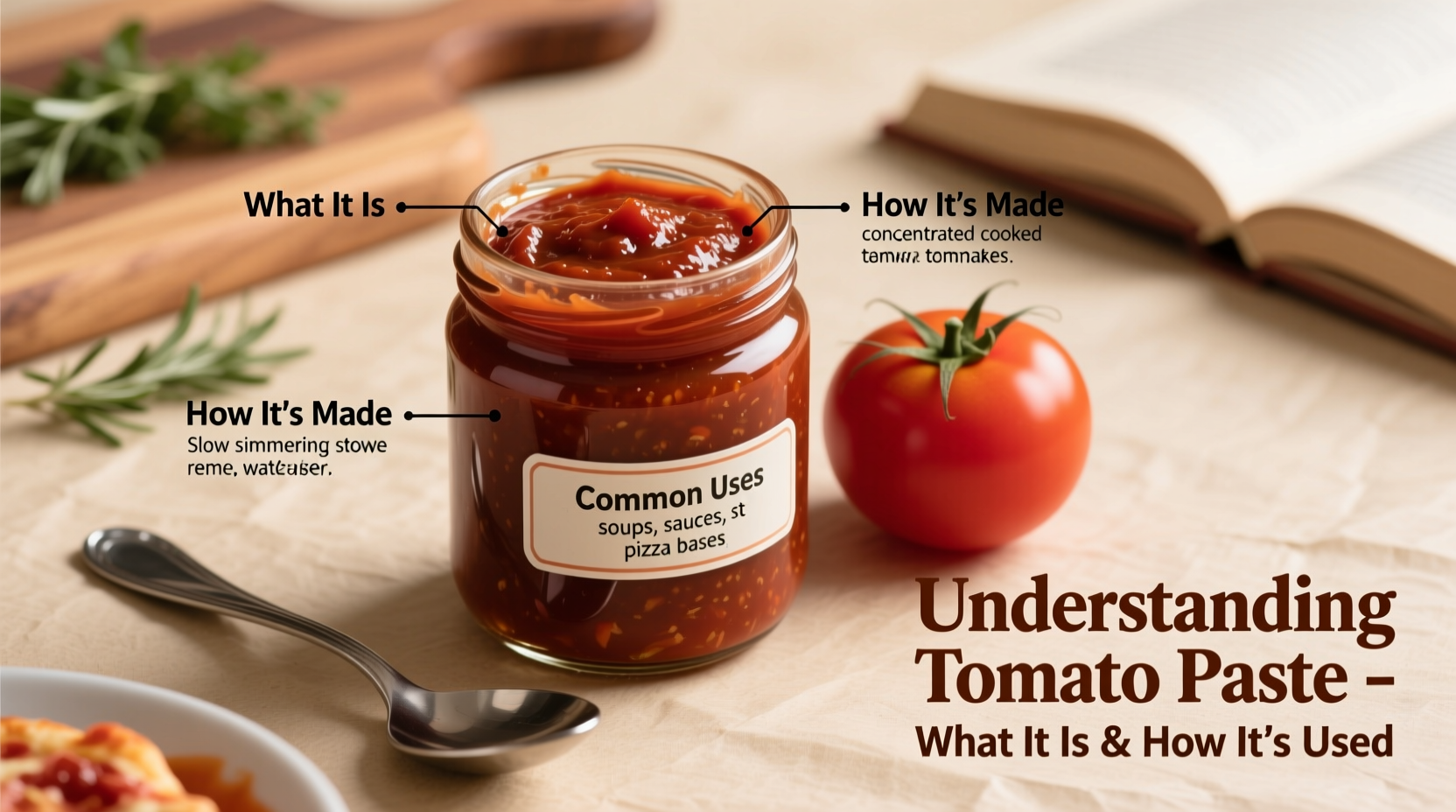
Tomato paste is a highly concentrated purée made from cooked-down tomatoes with the seeds, skins, and excess moisture removed. The process begins with ripe, red tomatoes that are washed, chopped, and simmered for several hours until their volume reduces dramatically—typically by 60–70%. The resulting thick liquid is strained and further concentrated into a dense, viscous paste with deep red color and intense savory-sweet flavor. Commercially, it is sterilized and packed in cans, tubes, or vacuum-sealed pouches for long-term shelf stability.
Originating in Mediterranean cuisine, particularly in Italy and North Africa, tomato paste has become a global pantry staple. In Italian cooking, it’s used to deepen the flavor of ragùs and tomato sauces. In Middle Eastern and North African dishes like tagines and shakshuka, it contributes body and acidity. Its concentrated nature allows small amounts to have an outsized impact on flavor development, especially when used early in the cooking process.
The key distinction between tomato paste and other tomato products lies in its concentration. While canned diced tomatoes are about 94% water and tomato sauce around 85%, tomato paste contains only 55–60% water. This means that every tablespoon delivers a powerful punch of lycopene, natural sugars, and glutamates—the compounds responsible for umami—making it a functional ingredient rather than just a textural one.
Key Characteristics
| Characteristic | Description |
|---|---|
| Flavor Profile | Rich, savory, slightly sweet, with pronounced umami; low acidity compared to fresh tomatoes due to prolonged cooking. |
| Aroma | Earthy, roasted, caramelized notes; becomes nuttier when sautéed in oil. |
| Color & Form | Deep brick red to dark maroon; thick, smooth paste with no chunks or seeds. |
| Culinary Function | Flavor base enhancer, colorant, thickening agent, umami booster. |
| Shelf Life (Unopened) | Cans: 18–24 months; Tubes: 12 months; Pouches: 12 months. |
| Shelf Life (Opened) | Refrigerated: Up to 6 weeks; Frozen in portions: Up to 6 months. |
| Heat Level | None—it is not spicy unless blended with chili ingredients. |
Practical Usage: How to Use Tomato Paste Effectively
The true power of tomato paste emerges not from simply stirring it into a dish, but from how it’s incorporated during the cooking sequence. When added raw or late in cooking, it can impart a raw, metallic taste. But when cooked properly—especially when \"bloomed\" in fat—it transforms into a complex, aromatic foundation.
Sautéing: The Secret to Depth
The professional technique known as “cooking out” or “browning” tomato paste involves adding it to hot oil or rendered fat after aromatics like onions and garlic have softened. Cook it for 2–5 minutes, stirring constantly, until it darkens slightly and releases a nutty, almost roasted aroma. This step caramelizes the natural sugars and deactivates enzymes that cause bitterness, unlocking deeper flavor dimensions.
Example: In a classic French daube or Italian ragù, tomato paste is added after sweating onions, carrots, and celery. It’s stirred into the mirepoix and cooked until it sticks slightly to the pan (fond), then deglazed with wine or stock. This builds layers of flavor that cannot be replicated by adding paste later.
Recommended Amounts and Ratios
- Per pound of meat: 1–2 tablespoons for stews, braises, or meat sauces.
- Per quart of soup or sauce: 1–3 tablespoons depending on desired intensity.
- For vegetable dishes: 1 teaspoon to 1 tablespoon to enhance earthiness without overpowering.
Overuse leads to oversaturation—a dish may become overly dense, bitter, or artificially red. Start conservatively; you can always add more, but you can’t remove it.
Professional Applications
In restaurant kitchens, tomato paste is used strategically beyond obvious tomato-based dishes:
- As a binder in meatloaf or burger blends to retain moisture.
- In marinades for grilled meats, where its sugars promote browning and crust formation.
- To balance acidity in rich or fatty dishes—e.g., lamb stews—by adding subtle sweetness and brightness.
- In emulsified sauces like remoulade or cocktail sauce, where it adds body and tang.
Pro Tip: Freeze tomato paste in 1-tablespoon portions using an ice cube tray. Once solid, transfer cubes to a labeled freezer bag. This prevents waste and ensures ready-to-use amounts for future recipes.
Variants & Types of Tomato Paste
Not all tomato pastes are created equal. Differences in processing, ripeness, and additives affect performance and flavor. Choosing the right type depends on your recipe goals and cooking style.
1. Canned Tomato Paste
The most common form, sold in 6-ounce or 12-ounce cans. Often contains citric acid or calcium chloride as preservatives. Once opened, leftovers must be refrigerated and used quickly unless frozen. Best for batch cooking or recipes requiring larger quantities.
2. Tube Tomato Paste
Packaged in squeezable aluminum or laminated plastic tubes (similar to toothpaste). Offers superior portion control and longer refrigerated shelf life after opening—up to 8 weeks. Ideal for home cooks who use small amounts infrequently. Flavor tends to be fresher and less oxidized than canned versions.
3. Double & Triple Concentrate
Marketed as “double-concentrated” or “triple-concentrated,” these versions are reduced even further than standard paste. Use at half or one-third the amount of regular paste. Check labels carefully—some brands exaggerate claims. These are excellent for commercial kitchens aiming to reduce storage space and shipping weight.
4. Organic & Seasoned Variants
Organic tomato paste avoids synthetic pesticides and additives. Some specialty brands offer seasoned versions with garlic, herbs, or smoked paprika. These should be used intentionally, as they alter the flavor profile and limit flexibility in seasoning.
5. Sun-Dried or Dehydrated Tomato Paste Powder
A niche product made by spray-drying reconstituted paste. Used in spice blends, rubs, or instant soups. Rehydrates instantly but lacks the mouthfeel of traditional paste. More expensive and less versatile for general cooking.
| Type | Best For | Portion Control | Shelf Life (After Opening) | Price Point |
|---|---|---|---|---|
| Canned | Bulk cooking, canning, large batches | Poor (requires spooning, risk of contamination) | 5–7 days refrigerated | Lowest |
| Tube | Home kitchens, occasional use | Excellent (squeezable, precise) | 6–8 weeks refrigerated | Moderate |
| Double/Triple Concentrate | Professional kitchens, flavor intensity | Good (but requires recalibration) | Varies (usually canned) | Higher |
| Organic/Seasoned | Specialty dishes, clean-label cooking | Fair (depends on packaging) | Similar to standard | Premium |
Comparison with Similar Ingredients
Tomato paste is frequently confused with other tomato products. Understanding the differences ensures correct usage and prevents recipe failure.
| Ingredient | Difference from Tomato Paste | When to Use Instead |
|---|---|---|
| Crushed Tomatoes | Higher water content, chunkier texture, milder flavor. Not a substitute for paste. | When building a saucy base for pasta or pizza. |
| Tomato Sauce | Already seasoned, thinner consistency, includes herbs and spices. | For quick sauces or simmering dishes needing immediate flavor. |
| Tomato Puree | Intermediate concentration—thinner than paste, thicker than sauce. | When moderate thickness and flavor are needed without reduction. |
| Ketchup | Sweetened, vinegared, spiced. Contains sugar and preservatives. | Never as a direct substitute—alters flavor and acidity significantly. |
| Passata | Uncooked, strained tomato liquid. Fresher taste, lower viscosity. | When preserving bright tomato flavor without cooking down. |
“Tomato paste isn’t just about adding tomato flavor—it’s about building a flavor foundation. When I brown it in olive oil with shallots, it becomes the soul of the dish.” — Chef Elena Marquez, Culinary Instructor, San Francisco Cooking School
Practical Tips & FAQs
Q: Should I always cook tomato paste before adding liquids?
A: Yes, in most savory applications. Sautéing for 2–3 minutes develops flavor and removes any raw edge. Only skip this step if using in cold preparations like dressings or uncooked sauces, where its presence is minimal.
Q: Can I make my own tomato paste at home?
A: Absolutely. Simmer 2 pounds of peeled, seeded tomatoes over low heat for 3–4 hours, stirring occasionally, until reduced to a thick paste. Strain through a fine-mesh sieve and store in sterilized jars. Homemade versions lack preservatives, so refrigerate and use within 10 days or freeze.
Q: What are common substitutes for tomato paste?
A: While no substitute matches its concentration, options include:
- Reduced tomato sauce: Simmer 1 cup sauce to ¼ cup volume.
- Sun-dried tomato paste: Blend oil-packed sun-dried tomatoes into a paste (use ½ amount).
- Miso paste + tomato powder: For umami depth in vegan dishes (1 tsp miso + 1 tsp powder per tbsp paste).
Note: Ketchup, salsa, or barbecue sauce are poor substitutes due to added sugar, vinegar, and spices.
Q: How should I store opened tomato paste?
A: Transfer unused portion to an airtight container and press plastic wrap directly onto the surface to minimize oxidation. Refrigerate for up to 6 weeks. Alternatively, freeze in tablespoon increments for long-term storage. Tubes require no transfer—simply recap and refrigerate.
Q: Why does my sauce taste bitter when I use tomato paste?
A: Bitterness usually results from burning the paste or using too much. Ensure adequate fat (oil, butter, or rendered meat fat) when sautéing, and maintain medium-low heat. If bitterness occurs, balance with a pinch of sugar, grated carrot, or splash of cream.
Q: Is tomato paste healthy?
A: Yes. It’s low in calories, high in lycopene (an antioxidant linked to heart health and cancer prevention), and contains vitamin C, potassium, and fiber. However, check labels—some brands add salt or preservatives. Opt for varieties with only tomatoes and maybe citric acid.
Q: Which dishes benefit most from tomato paste?
A: Key applications include:
- Beef bourguignon
- Marinara and arrabbiata sauces
- Chili con carne
- Ratatouille
- Cajun gumbo
- Indian curries (e.g., butter chicken base)
- Middle Eastern kofta and kebabs
Storage Checklist:
☐ Use clean spoon or squeeze tube to avoid contamination
☐ Label container with date
☐ Press film on surface to prevent mold
☐ Freeze excess immediately
☐ Discard if smell turns sour or color fades significantly
Summary & Key Takeaways
Tomato paste is far more than a pantry afterthought—it is a foundational ingredient capable of transforming the depth, color, and complexity of countless dishes. Made by reducing tomatoes to their essence, it delivers concentrated umami, natural sweetness, and rich pigmentation. To use it effectively, cook it briefly in fat to unlock its full flavor potential, especially in long-simmered sauces, stews, and braises.
Different formats—cans, tubes, concentrates—offer varying advantages depending on usage frequency and precision needs. Tubes excel in home kitchens for portion control, while double-concentrates suit professional environments. Avoid substituting with ketchup or tomato sauce, which introduce unwanted flavors and textures.
Proper storage is critical: refrigerate opened containers, minimize air exposure, or freeze in usable portions. With mindful application, tomato paste becomes a silent powerhouse in your cooking—one that builds flavor quietly but profoundly, round after round.




 浙公网安备
33010002000092号
浙公网安备
33010002000092号 浙B2-20120091-4
Comments
No comments yet. Why don't you start the discussion?