
It’s common for men to notice that one testicle sits higher than the other in the scrotum. For many, this asymmetry raises questions about whether it’s normal or a sign of an underlying condition. The truth is, uneven testicles — including differences in position, size, and shape — are typical and usually nothing to worry about. However, understanding what’s normal versus when to seek medical advice is essential for maintaining reproductive and overall health.
The human body is naturally asymmetrical. From uneven shoulders to one foot slightly larger than the other, minor physical imbalances are part of normal biology. The male reproductive system follows this same principle. In most cases, having one testicle positioned higher than the other is not only normal but expected.
Anatomy of the Scrotum and Testicles
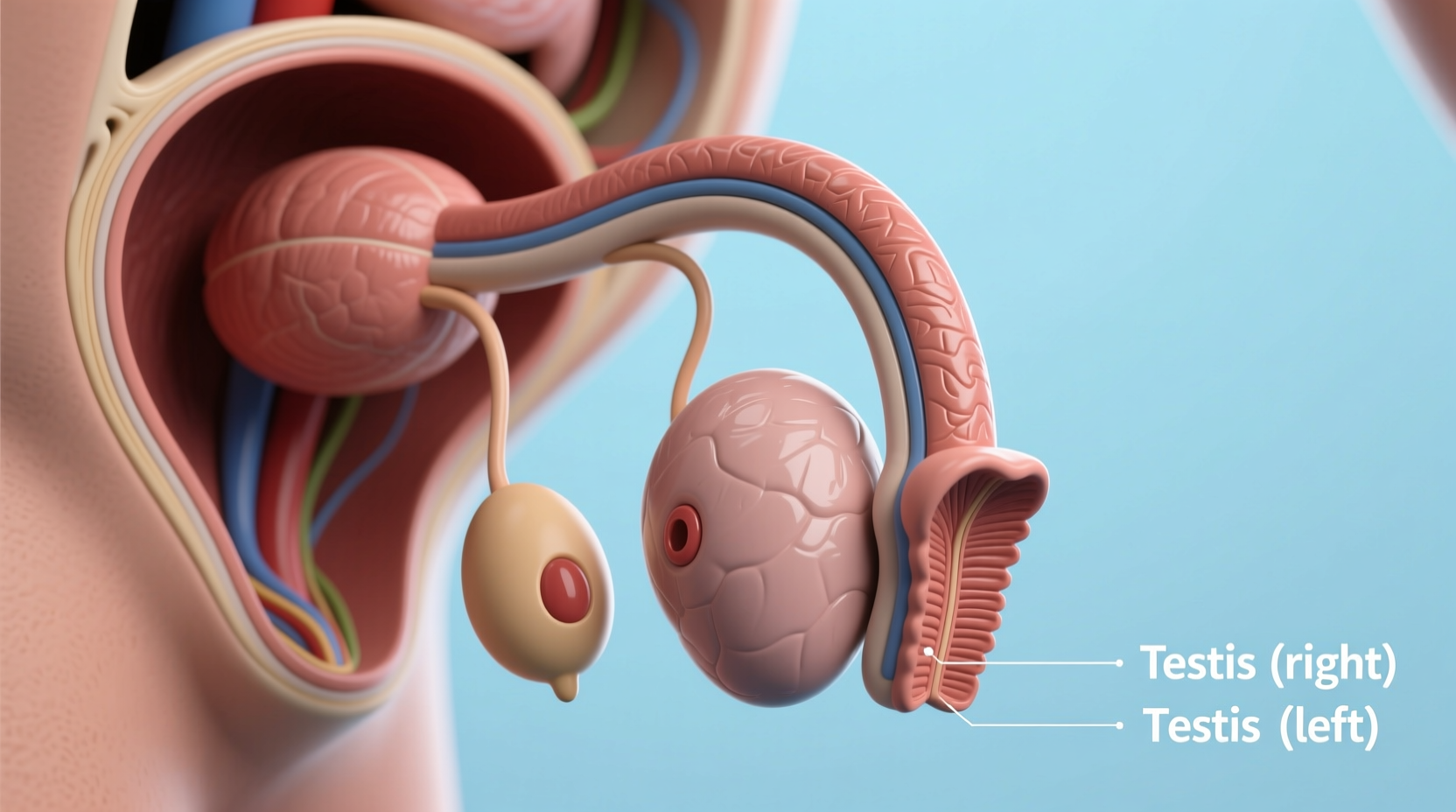
The scrotum houses two testicles, which produce sperm and testosterone. Suspended by the spermatic cord, each testicle hangs independently within the scrotal sac. This design allows for temperature regulation — critical for healthy sperm production — as the testicles need to stay slightly cooler than core body temperature.
Due to variations in the length of the spermatic cords, blood supply, and developmental positioning, it's entirely normal for one testicle to sit higher than the other. In fact, the right testicle is typically positioned higher than the left. This arrangement helps prevent compression when standing and may also reduce the risk of trauma during movement.
“Testicular asymmetry is not just common — it’s anatomically advantageous. The slight difference in height reduces contact between the two organs and supports optimal thermoregulation.” — Dr. Alan Pierce, Urologist and Men’s Health Specialist
Is It Normal for One Testicle to Be Higher?
Yes, absolutely. Medical studies show that over 90% of males have some degree of testicular asymmetry. The degree of elevation can vary from subtle to noticeable, and it often becomes more apparent when standing versus lying down.
This natural variation develops early in life. During fetal development, the testicles descend from the abdomen into the scrotum. They don’t always descend at the same rate or settle in perfectly symmetrical positions. After birth, hormonal changes and growth patterns continue to influence their placement.
When Uneven Position Might Signal a Problem
While asymmetry itself is normal, certain sudden or painful changes should prompt medical evaluation. Conditions that can alter testicular position include:
- Torsion: A twisting of the spermatic cord that cuts off blood flow. Causes severe pain and requires emergency treatment.
- Epididymitis: Inflammation of the epididymis, often due to infection. Can cause swelling and lifting of the affected testicle.
- Hernia: Abdominal tissue pushing into the scrotum, potentially changing how a testicle appears or sits.
- Hydrocele or varicocele: Fluid buildup or enlarged veins can make one side appear larger or sit differently.
- Testicular cancer: Usually presents as a painless lump or hardening, though position may subtly shift as mass grows.
Sudden elevation of one testicle without explanation, especially if accompanied by pain, redness, nausea, or swelling, should never be ignored.
Red Flags: Symptoms That Require Immediate Attention
| Symptom | Possible Cause | Action Required |
|---|---|---|
| Sudden, severe pain in the scrotum | Testicular torsion | Seek emergency care within hours |
| Swelling with warmth and tenderness | Epididymitis or infection | See a urologist promptly |
| Visible lump or hard area | Possible tumor | Schedule evaluation within days |
| Nausea or vomiting with scrotal pain | Torsion or acute inflammation | Go to ER immediately |
| One testicle significantly higher than before | Structural change or mass effect | Medical assessment needed |
How to Perform a Testicular Self-Exam
Becoming familiar with your own anatomy allows you to catch changes early. The best time to examine yourself is after a warm shower, when the scrotal skin is relaxed.
- Stand in front of a mirror and look for any visible swelling or skin changes.
- Hold the scrotum in the palm of your hand and gently roll each testicle between your thumbs and fingers.
- Feel for smoothness, firmness, and any lumps or thickening.
- Check the back edge of each testicle — this is where the epididymis (a coiled tube) should be felt as a soft, tubelike structure.
- Note the relative position and size of both testicles under consistent conditions (e.g., standing).
Don’t panic if one feels slightly different. Focus on changes over time rather than absolute symmetry. If you find something new or concerning, schedule an appointment with a healthcare provider.
Mini Case Study: Recognizing a Warning Sign
Mark, a 24-year-old graduate student, noticed his left testicle had gradually risen over several weeks. At first, he dismissed it as normal variation. But when he began feeling a dull ache after exercise and noticed mild swelling, he decided to see a doctor. An ultrasound revealed a small varicocele — enlarged veins in the spermatic cord — which was altering the testicle’s position. With timely diagnosis, Mark avoided complications and improved comfort through supportive underwear and activity modification. His story underscores the importance of monitoring changes, even subtle ones.
Common Myths About Testicular Asymmetry
Misinformation often leads to unnecessary anxiety. Let’s clarify some common misconceptions:
- Myth: Perfect symmetry means better fertility.
Truth: Fertility depends on function, not appearance. Many fertile men have very uneven testicles. - Myth: A higher testicle is weaker or less functional.
Truth: Position has no impact on hormone production or sperm count. - Myth: You should try to “correct” the imbalance.
Truth: No exercises or devices can or should alter natural testicular position.
Frequently Asked Questions
Can injury cause one testicle to sit higher?
Yes. Trauma can lead to swelling, scar tissue, or changes in the spermatic cord, which may alter the resting position. If the change persists beyond healing time, consult a urologist.
Does having one testicle higher affect sexual performance?
No. Testicular position does not influence libido, erectile function, or ejaculatory control. As long as both testicles are functioning normally, sexual health remains unaffected.
Should I worry if my testicles switch positions occasionally?
Minor shifts due to temperature, muscle contractions (cremasteric reflex), or posture are normal. However, persistent repositioning or discomfort warrants evaluation.
Checklist: What to Do If You Notice Changes
- ✔️ Note when the change occurred
- ✔️ Check for pain, swelling, or lumps
- ✔️ Compare current appearance to past observations
- ✔️ Perform a gentle self-exam
- ✔️ Schedule a doctor’s visit if changes persist beyond a few days
- ✔️ Request an ultrasound if anything feels abnormal
Conclusion: Know Your Normal, Protect Your Health
Having one testicle higher than the other is a normal variation seen in the vast majority of men. It reflects the body’s natural asymmetry and serves functional purposes. However, being informed and proactive about your health means knowing when routine anatomy ends and potential pathology begins.
Regular self-awareness, combined with timely medical consultation for unexplained changes, is key to preventing serious complications. Don’t let embarrassment delay care — urologists see these concerns every day and are trained to help without judgment.




 浙公网安备
33010002000092号
浙公网安备
33010002000092号 浙B2-20120091-4
Comments
No comments yet. Why don't you start the discussion?