
In a world where self-expression is more celebrated than ever, fashion isn’t just about what you wear—it’s about how you personalize it. While clothing and accessories like watches or jewelry often take center stage, one small but powerful detail frequently goes unnoticed: the keychain. More than just a functional tool for holding keys, a well-chosen keychain can reflect personality, elevate style, and serve as a subtle yet meaningful extension of your identity.
From minimalist metal tags to vibrant tassels and custom engravings, today’s keychains offer endless opportunities to align with your aesthetic. Whether you're drawn to sleek modernism, bohemian charm, or edgy urban flair, selecting the right keychain can complete your everyday ensemble in ways you might not expect. This guide explores how to thoughtfully match your keychain to your personal style, offering practical advice, real-life examples, and expert insights to help you unlock your full sartorial potential—one small accessory at a time.
The Role of Keychains in Personal Style
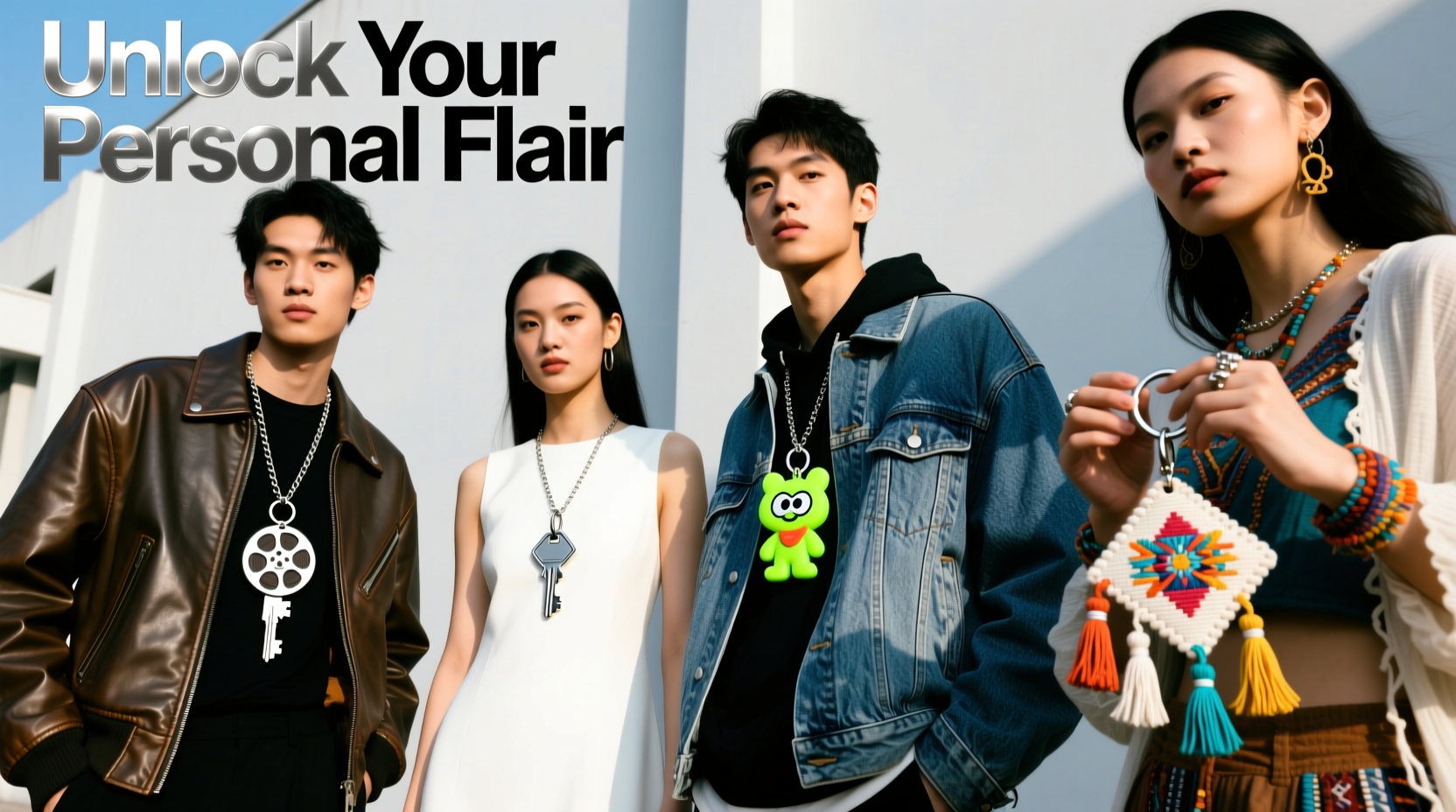
At first glance, a keychain may seem insignificant—a utilitarian object designed solely for convenience. But in the realm of personal expression, even the smallest details carry weight. A keychain dangles from your pocket, bag, or wrist, catching light and attention throughout the day. It’s an accessible canvas for individuality, especially when larger fashion choices are constrained by workwear policies or seasonal trends.
Fashion psychologists note that people form impressions within seconds, and accessories play a crucial role in shaping those perceptions. A polished leather key fob suggests refinement; a handcrafted beaded chain speaks to creativity; a bold enamel pin attached to a ring hints at humor or activism. These micro-signals communicate who you are before you say a word.
“Accessories are the punctuation marks of an outfit—they don’t just finish a look, they emphasize it.” — Lena Torres, Stylist & Image Consultant
How to Match Your Keychain to Your Wardrobe Aesthetic
Your wardrobe likely follows a consistent theme—minimalist, classic, eclectic, sporty, or avant-garde. Aligning your keychain with this overarching style ensures cohesion across all elements of your appearance.
Consider these pairings:
- Minimalist / Neutral Wardrobes: Opt for slim brushed-metal keyrings, monochrome silicone bands, or discreet engraved tags. Think matte black titanium or brushed silver with clean lines.
- Boho / Earth-Tone Styles: Choose natural materials like woven hemp, wooden beads, or turquoise-stone accents. Tassels in rust, mustard, or sage green enhance the organic vibe.
- Urban / Streetwear Looks: Go bold with chunky chains, graffiti-inspired enamel charms, or branded logo tags from favorite designers. Black rubberized coatings or gunmetal finishes work well.
- Professional / Corporate Dressing: Stick to understated elegance—leather loops with initials, compact smart trackers (like Tile or AirTag) in neutral sleeves, or polished stainless steel.
- Vintage / Retro Enthusiasts: Hunt for antique brass keyrings, vintage luggage tags, or repurposed watch fobs. Patina and slight wear add character.
Material Matters: Choosing Quality That Lasts
A stylish keychain should also be durable. Constant jostling against keys, pockets, and surfaces demands resilience. The material you choose affects both aesthetics and longevity.
| Material | Style Fit | Durability | Care Tips |
|---|---|---|---|
| Stainless Steel | Modern, professional, industrial | High – resists tarnish and scratches | Wipe with damp cloth; avoid abrasive cleaners |
| Leather | Classic, refined, artisanal | Moderate – ages beautifully but needs conditioning | Condition every 3 months; keep dry |
| Silicone/Rubber | Casual, sporty, colorful | High – flexible and water-resistant | Hand wash with mild soap; air dry |
| Wood/Resin | Artistic, bohemian, handmade | Low-Moderate – sensitive to moisture | Avoid prolonged exposure to water |
| Brass/Bronze | Vintage, rugged, nautical | High – develops patina over time | Polish occasionally if shine is desired |
Real-Life Inspiration: How One Designer Uses Keychains to Express Identity
Jada Lin, a freelance graphic designer based in Portland, uses her keychain as a rotating art gallery. “I have three main ones,” she explains. “One is a simple walnut wood disc engraved with my initials—worn during client meetings for a calm, grounded presence. Another has tiny rainbow-colored threads and a miniature paintbrush charm—my ‘creative mode’ chain. And in winter, I switch to a copper star with a tiny bell, which feels festive and nostalgic.”
For Jada, the ritual of changing her keychain with the season or project helps her mentally transition between roles. Her clients often notice and comment on it, sparking conversations about design, symbolism, and intentionality. What began as a quirky habit evolved into a signature element of her personal brand.
Step-by-Step Guide to Curating Your Keychain Collection
Building a thoughtful keychain rotation doesn’t require dozens of options—just a few intentional pieces. Follow this timeline to develop a collection that reflects your lifestyle and evolves with you.
- Week 1: Audit Your Current Keys – Remove unused keyrings and assess what remains. Note size, weight, and how they feel in your pocket or bag.
- Week 2: Define Your Style Themes – Identify 2–3 dominant aesthetics in your wardrobe (e.g., minimalist, adventurous, artistic). Assign a mood or purpose to each.
- Week 3: Shop with Intention – Purchase one keychain per theme. Focus on quality over quantity. Look for craftsmanship, meaningful symbols, or custom touches.
- Week 4: Test and Rotate – Use each keychain for a few days. Notice compliments, comfort, and emotional response. Keep only those that resonate.
- Ongoing: Seasonal Refresh – Re-evaluate every 3–6 months. Add a new piece for holidays, milestones, or travel souvenirs.
Common Mistakes to Avoid
- Overloading with charms: Too many attachments make keys bulky and hard to manage. Limit to 1–2 meaningful additions.
- Ignoring functionality: A beautiful keychain shouldn’t compromise access. Ensure keys remain easy to identify and use.
- Matching poorly with tech: If you use a smart tracker, integrate it seamlessly—choose a case that complements your style rather than clashing with it.
- Forgetting maintenance: Dirt, sweat, and friction dull finishes. Clean monthly depending on material.
Frequently Asked Questions
Can a keychain really impact my overall look?
Absolutely. While small, a keychain is frequently seen during daily interactions—reaching for your bag, unlocking your car, or placing keys on a table. When styled intentionally, it adds cohesion and depth to your personal aesthetic, much like cufflinks or a watch dial.
Are personalized keychains worth the investment?
Yes, especially if the customization holds meaning. Initials, coordinates of a special place, or a short mantra can deepen emotional connection and authenticity. Just ensure engraving is done cleanly and fits the material’s tone.
How do I keep my keychain from scratching my phone or other items?
Select designs with smooth edges and consider using protective sleeves or fabric wraps. Alternatively, store keys in a dedicated inner pocket or pouch within your bag to minimize contact.
Final Thoughts: Let Your Keys Speak for You
Your personal style isn’t defined by grand gestures alone—it’s revealed in the quiet details. A thoughtfully chosen keychain doesn’t shout; it whispers. It tells a story about your tastes, values, and moments that matter. Whether it’s a sleek slab of marble resin, a vintage compass, or a tiny ceramic cat from your last trip to Kyoto, each piece carries significance beyond utility.
By treating your keychain as an intentional accessory, you embrace a deeper level of self-awareness in dressing. You stop merely carrying keys—and start expressing yourself, one jingle at a time.




 浙公网安备
33010002000092号
浙公网安备
33010002000092号 浙B2-20120091-4
Comments
No comments yet. Why don't you start the discussion?