
Chili peppers are among the most transformative ingredients in global cuisine, capable of elevating a dish from bland to vibrant with just a pinch or slice. Among the spectrum of heat levels, \"medium chili\" occupies a crucial middle ground—spicy enough to excite the palate without overwhelming it. This makes it ideal for everyday cooking across diverse culinary traditions. Yet, its versatility is often underutilized due to inconsistent storage practices, misunderstanding of forms, and imprecise usage. Understanding how to properly store and deploy medium chili can dramatically improve flavor depth, consistency, and safety in both home and professional kitchens. Whether you're seasoning a stew, crafting a marinade, or finishing a stir-fry, mastering this ingredient ensures balanced heat and enduring freshness.
Definition & Overview
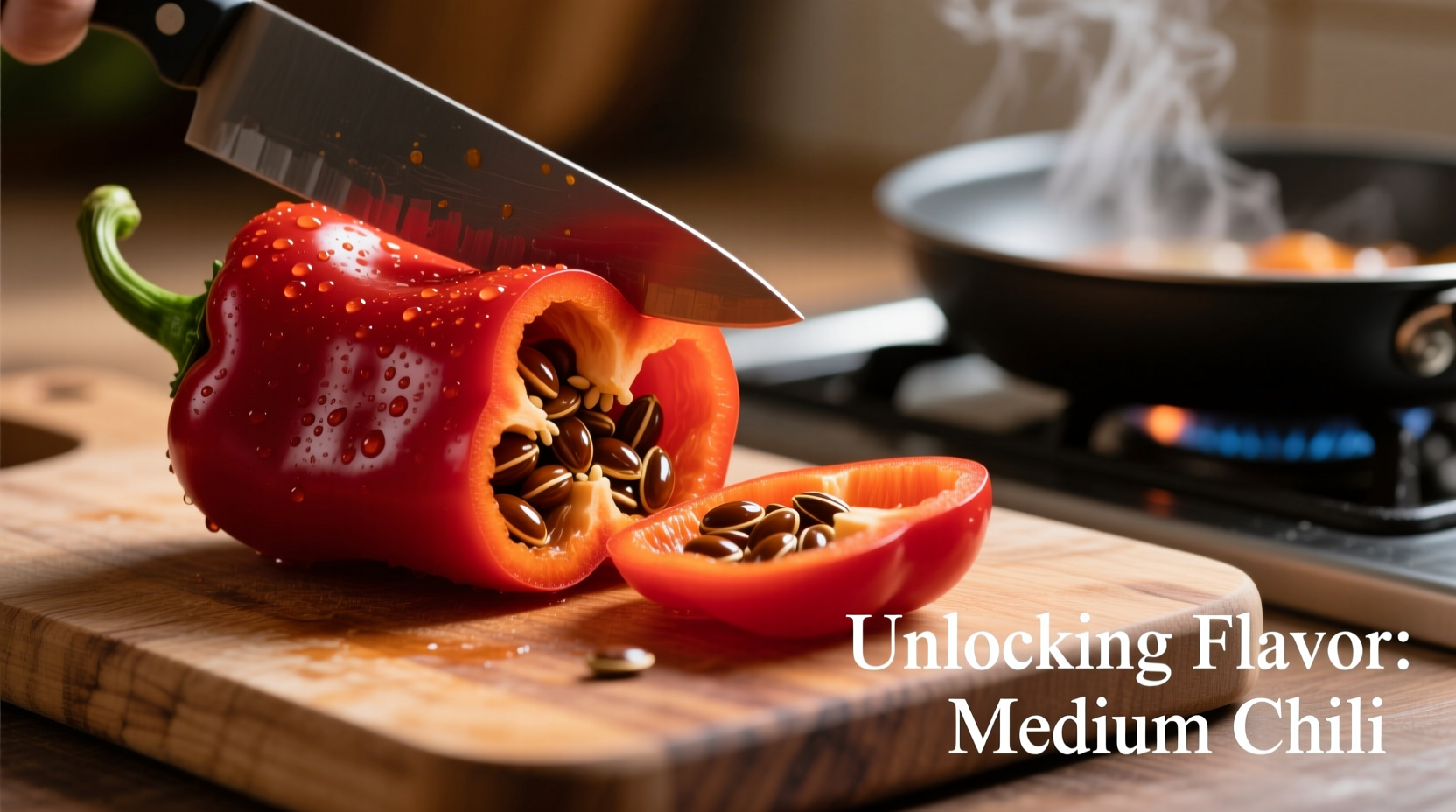
The term medium chili does not refer to a single botanical variety but rather a category of chili peppers that register between 5,000 and 30,000 Scoville Heat Units (SHU)—a range that delivers noticeable warmth without searing intensity. Common examples include jalapeños, serranos, Fresno chilies, and certain cultivars of cayenne and Hungarian wax peppers. These chilies are widely used in Mexican, Southwestern American, Thai, Indian, and Caribbean cuisines, where they contribute not only heat but also earthy, fruity, or slightly smoky flavor notes.
In their fresh form, medium chilies typically exhibit bright green to deep red coloration, depending on ripeness. When dried or processed, they take on richer, more concentrated profiles, often with raisin-like sweetness or toasted complexity. Their accessibility, moderate heat, and adaptability make them indispensable for layering flavor in salsas, curries, soups, rubs, and sauces. Unlike extreme heat varieties such as habaneros or ghost peppers, medium chilies are approachable for most palates and easily integrated into family meals, making them a staple in pantries worldwide.
Key Characteristics
| Characteristic | Description |
|---|---|
| Heat Level | 5,000–30,000 SHU; provides perceptible warmth without numbing or burning sensation. |
| Flavor Profile | Grassy and vegetal when green; sweeter, fruitier, and sometimes smoky when red or roasted. |
| Aroma | Fresh-cut pepper when raw; deeper, toasted, or floral when dried or cooked. |
| Color & Form | Green, yellow, orange, or red; available fresh, dried, flaked, powdered, pickled, or paste-form. |
| Culinary Function | Adds heat, depth, brightness, and aromatic complexity; enhances umami in slow-cooked dishes. |
| Shelf Life (Fresh) | 7–14 days refrigerated; up to 6 months frozen. |
| Shelf Life (Dried/Powdered) | 6–12 months in airtight container; best flavor within first 6 months. |
Practical Usage in Cooking
Medium chilies serve multiple functional roles in cooking beyond mere spiciness. They act as flavor amplifiers, balancing rich fats and acidic components while adding textural contrast and visual appeal. The key to effective use lies in understanding how preparation method affects heat and taste.
When added raw—such as in pico de gallo or fresh relishes—medium chilies offer crisp texture and sharp, green pepper notes. Finely minced jalapeño in guacamole adds bite without dominating. For cooked applications, sautéing or roasting transforms their chemistry: cell walls break down, releasing capsaicin more evenly, while Maillard reactions deepen flavor. Roasted poblano strips (known as *rajas*) bring mild heat and smokiness to quesadillas or cream-based soups.
To control heat distribution, consider seed and membrane management. Capsaicin, the compound responsible for spiciness, concentrates primarily in the white ribs and seeds. Removing these reduces heat by up to 70%, allowing the chili’s flesh to contribute flavor without excessive burn. Conversely, leaving them intact intensifies warmth—ideal for bold dishes like chili con carne or vindaloo.
In liquid-based recipes—curries, broths, stews—a whole medium chili can be simmered and removed before serving, infusing subtle heat without textural intrusion. Alternatively, pureeing cooked chilies into sauces ensures even dispersion. A common professional technique involves blooming dried medium chili flakes or powder in hot oil for 30 seconds before adding other ingredients, unlocking volatile aromatics and preventing raw bitterness.
Pro Tip: Always taste your chili before using it. Heat levels vary significantly even within the same type due to growing conditions. Sample a small piece of the flesh (avoid touching eyes or skin) to gauge intensity and adjust quantities accordingly.
Variants & Types
Medium chilies come in numerous forms, each suited to specific culinary purposes. Choosing the right variant depends on recipe requirements, desired texture, and storage logistics.
- Fresh Chilies: Jalapeños, serranos, Fresnos, and banana peppers fall into this group. Ideal for slicing, dicing, stuffing, or roasting. Best used within two weeks of purchase.
- Dried Whole Chilies: Examples include dried guajillo, ancho (dried poblano), and pasilla. Rehydrated in warm water, they form the base of mole sauces and adobos. Store indefinitely in cool, dark places if moisture-free.
- Crushed or Flaked: Often labeled “chili flakes” or “crushed red pepper.” Convenient for sprinkling over pizza, pasta, or eggs. Provides immediate heat and visual appeal.
- Ground Powder: Made from dried medium chilies, sometimes blended with spices (e.g., paprika-chili mix). Used in rubs, spice blends (like chili powder), and dry brines. More potent than flakes due to increased surface area.
- Pickled Chilies: Preserved in vinegar and salt, offering tangy heat. Common in antojitos, sandwiches, and Bloody Marys. Shelf-stable until opened; refrigerate after opening.
- Chili Paste or Sauce: Fermented or cooked preparations like sambal oelek or harissa. Deliver complex, layered heat and are excellent for marinades and glazes.
| Form | Best Uses | Storage Duration |
|---|---|---|
| Fresh | Salsas, stir-fries, roasting, stuffing | 1–2 weeks refrigerated |
| Dried Whole | Moles, stews, reconstituted purées | 1 year in airtight container |
| Crushed/Flaked | Pasta, pizza, seasoning blends | 6–8 months in dark cabinet |
| Ground Powder | Rubs, spice mixes, dry marinades | 6 months (flavor fades over time) |
| Pickled | Tacos, sandwiches, cocktails | 6 months unopened; 2 months refrigerated after opening |
| Paste/Sauce | Marinades, braises, dressings | 3–6 months refrigerated; check label |
Comparison with Similar Ingredients
Medium chilies are frequently confused with other spicy elements, leading to mismatched heat levels or flavor imbalances. Clarifying distinctions ensures accurate substitution and better results.
- vs. Mild Chilies (e.g., bell peppers, poblanos): Medium chilies deliver noticeable heat; mild types provide shape and volume with little to no spiciness. Poblanos are technically mild but can occasionally reach medium levels when mature.
- vs. Hot Chilies (e.g., habanero, Thai bird chili): These exceed 100,000 SHU and introduce floral, citrusy heat that dominates a dish. Medium chilies integrate more seamlessly into background seasoning.
- vs. Black Pepper: While black pepper adds pungency, it lacks the fruity depth and capsaicin-driven warmth of chilies. Not interchangeable in chili-centric recipes.
- vs. Paprika: Sweet paprika is made from mild peppers and offers color and earthiness without heat. Hot paprika may qualify as medium, but smoked paprika introduces a distinct pyrolytic note absent in fresh chilies.
“The beauty of medium chilies lies in their duality—they can be background players or lead instruments, depending on how you prepare them. It’s not about heat alone; it’s about timing, form, and integration.”
— Chef Elena Ruiz, Culinary Instructor at Southwest Food Arts Institute
Practical Tips & FAQs
How should I store fresh medium chilies?
Refrigerate unwashed chilies in a perforated plastic bag or breathable container in the crisper drawer. Avoid sealing them airtight, which accelerates rot. For longer storage, roast and freeze them in vacuum-sealed bags for up to six months.
Can I freeze medium chili peppers?
Yes. Freeze whole or chopped chilies on a tray before transferring to a freezer bag to prevent clumping. Frozen chilies lose crispness but retain flavor and heat—best used in cooked dishes. Note: Thawed chilies become soft, so avoid using them raw unless puréed.
What’s the best way to dry medium chilies at home?
String them into a ristra (garland) and hang in a warm, dry, well-ventilated area away from sunlight. Alternatively, use a food dehydrator at 135°F (57°C) for 8–12 hours. Ensure they are fully brittle before storing.
How do I reduce the heat of a dish that’s too spicy?
Add dairy (yogurt, sour cream), acid (lime juice, vinegar), or sweetness (honey, sugar) to counterbalance capsaicin. Dilution with additional non-spicy ingredients also helps. Serve with starchy sides like rice or tortillas to absorb excess heat.
Are medium chilies nutritious?
Yes. They are rich in vitamin C (especially when red), vitamin A (from carotenoids), potassium, and antioxidants like capsaicin, which has been studied for anti-inflammatory and metabolism-boosting properties.
Can I substitute one medium chili for another?
Generally yes, but expect flavor variations. Jalapeños are grassier; serranos are brighter and slightly hotter; Fresnos resemble red jalapeños with a fruitier edge. Adjust quantity based on known heat levels and desired outcome.
Storage Checklist:
☐ Store fresh chilies in the refrigerator crisper
☐ Keep dried chilies in airtight, opaque containers
☐ Label homemade chili oils or pastes with date and heat level
☐ Never store cut chilies in oil at room temperature (risk of botulism)
☐ Freeze surplus chilies for future sauces or soups
Summary & Key Takeaways
Medium chilies are a cornerstone of flavorful, balanced cooking, offering accessible heat and aromatic complexity across countless dishes. Their value extends far beyond spiciness—they enrich sauces, enhance proteins, and elevate vegetables through nuanced contributions that evolve with preparation. To maximize their potential, understand the differences between fresh, dried, flaked, and pasted forms, and match each to the appropriate culinary application.
Proper storage is equally critical. Fresh chilies require cool, humid conditions; dried versions demand darkness and dryness. Freezing preserves bulk harvests, while pickling extends usability with added tang. Always handle chilies with care—use gloves when processing large quantities and wash hands thoroughly afterward to avoid accidental contact with sensitive areas.
Ultimately, mastering medium chilies means treating them not as a singular flavor but as a dynamic ingredient with multiple expressions. By learning how heat, form, and storage interact, cooks gain greater control over dish balance and consistency. Whether building a smoky chili, garnishing tacos, or crafting a complex curry, thoughtful use of medium chilies transforms ordinary meals into memorable experiences.




 浙公网安备
33010002000092号
浙公网安备
33010002000092号 浙B2-20120091-4
Comments
No comments yet. Why don't you start the discussion?