
Keychain straps are often dismissed as simple accessories for holding keys. Yet their compact size, durability, and portability make them one of the most underrated tools in everyday carry. From travel hacks to emergency solutions, these small straps offer surprising versatility. Whether made from nylon, leather, or silicone, a well-designed keychain strap can do far more than keep your keys within reach—it can become an essential part of your routine, enhancing organization, safety, and convenience.
Beyond Keys: Everyday Utility Uses
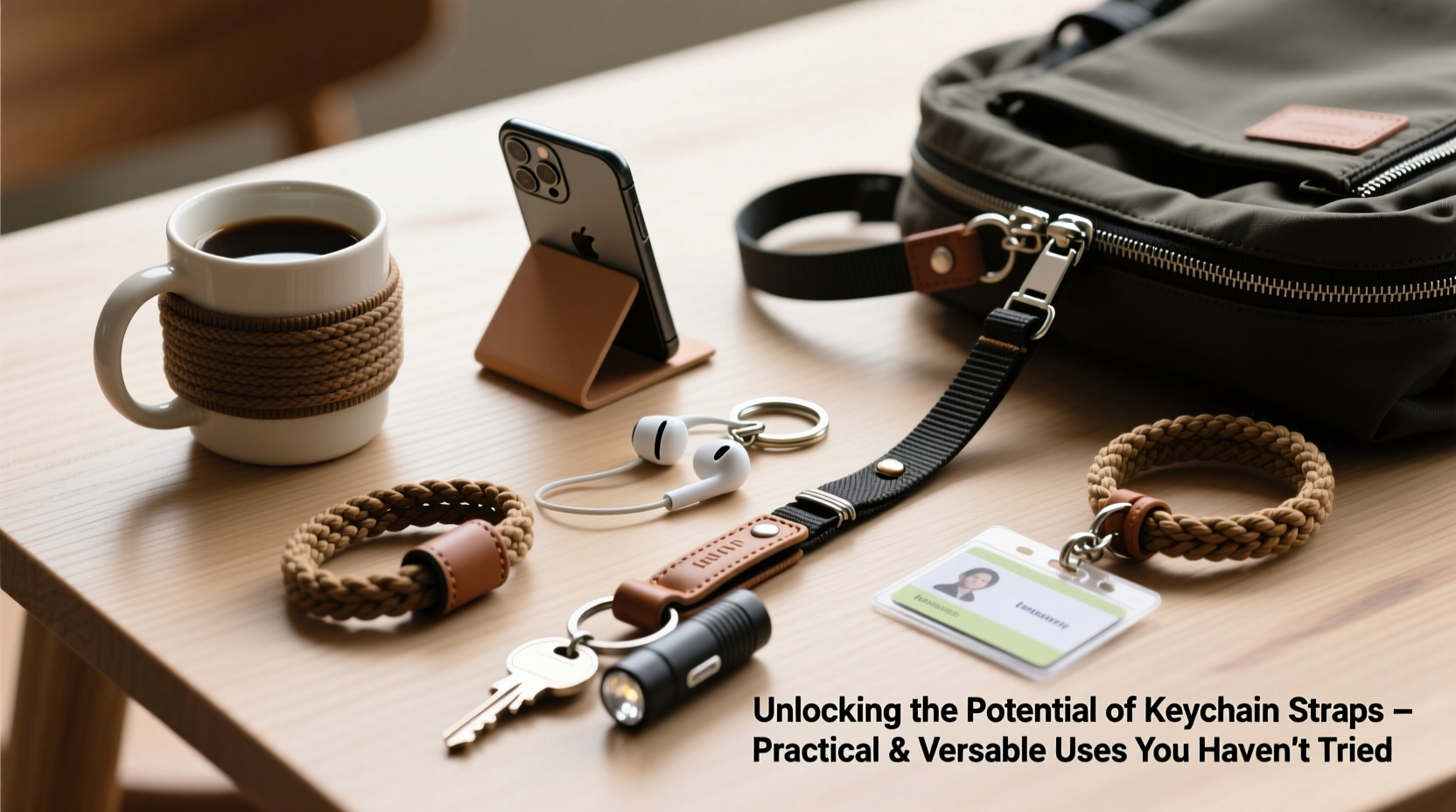
The primary function of a keychain strap is securing keys, but its utility extends into multiple areas of daily life. Most straps come with a strong metal clasp and a looped end, making them ideal for attaching to bags, belts, or even gear. One of the simplest yet overlooked uses is as a quick-access lanyard for frequently used items like USB drives, ID badges, or flashlights. Instead of digging through pockets or bags, clip these essentials to a retractable or wrist-style keychain strap for instant access.
Outdoor enthusiasts have found creative applications during hikes or camping trips. A sturdy strap can temporarily secure lightweight gear like compasses, multitools, or water purification tablets to backpack zippers. In wet conditions, using a brightly colored strap increases visibility and reduces the chance of losing small items.
Travel Hacks That Save Time and Stress
Travelers often overlook how a simple keychain strap can streamline airport navigation and hotel stays. One effective trick is using the strap to attach boarding passes or hotel key cards to your carry-on bag’s handle. This prevents misplacement during security checks or when juggling luggage. Some frequent flyers use color-coded straps to differentiate between domestic and international travel kits.
Another smart application involves luggage identification. While most people rely on tags, attaching a unique or brightly patterned keychain strap to the zipper pull makes your suitcase instantly recognizable on the carousel. Unlike paper tags, durable straps won’t tear or get lost easily.
“Small organizational tools like keychain straps reduce cognitive load during travel. Less mental effort spent searching means more energy for the journey.” — Dr. Lena Torres, Behavioral Productivity Researcher
Emergency and Safety Applications
In unexpected situations, a keychain strap can serve as a makeshift aid. Though not a substitute for proper survival gear, it can assist in minor emergencies. For example, if a shoelace breaks mid-walk, a nylon keychain strap can be doubled as a temporary replacement. Similarly, it can bundle loose cords, secure rolled-up jackets, or stabilize wobbly equipment parts.
Some models include built-in features like seatbelt cutters or glass breakers—often combined with a retractable strap. Even without those tools, the strap itself can be used to mark locations. Tie it around a tree branch to mark a trail, or loop it around a rental bike’s handlebar to prevent mix-ups at group events.
Step-by-Step: Using a Keychain Strap in an Emergency
- Assess the need: Is the item broken, loose, or at risk of being lost?
- Determine tension requirements: Will the strap bear weight or just hold position?
- Secure one end to a stable anchor point using the clasp.
- Wrap or loop the strap tightly around the object needing support.
- Double-check stability before relying on it.
Organization and Home Efficiency
Inside the home, keychain straps can bring order to cluttered spaces. Garage toolboxes, kitchen drawers, and home offices often contain small, frequently misplaced items—batteries, spare screws, earphones, or remote controls. Assign dedicated straps to each category and clip them inside cabinets or onto drawer handles for quick retrieval.
Families can use personalized straps to assign responsibilities. Color-code them for chores: red for trash duty, blue for pet feeding, green for watering plants. Clip the assigned strap to the fridge or command board each day as a visual reminder.
| Use Case | Recommended Strap Type | Attachment Method |
|---|---|---|
| Car keys + garage opener | Retractable reel | Belt loop or bag strap |
| Work badge + access card | Wrist lanyard | Worn on hand or clipped to collar |
| Travel adapter + charging cable | Nylon webbing with swivel clasp | Backpack zipper pull |
| Emergency kit (whistle, flashlight) | Heavy-duty paracord-style | Pocket or EDC pouch |
Mini Case Study: The Urban Commuter’s Upgrade
Jamal, a software developer in Chicago, used to lose his access card multiple times a month. Working across three office buildings, he carried keys, a transit pass, and two security fobs. After reading about functional EDC (everyday carry) tools, he invested in a set of modular keychain straps—one retractable for his badge, one looped for keys, and a third with a magnetic clasp for his transit card.
Within weeks, he reported a noticeable drop in stress and time saved during morning commutes. “I no longer fumble at turnstiles or dig through my bag,” he said. “The retractable strap lets me scan and go. It’s a tiny change, but it compounds over time.” His coworkers followed suit, leading to an informal office initiative promoting “smart carry” habits.
Choosing the Right Strap for Your Needs
Not all keychain straps are created equal. Material, length, clasp strength, and flexibility determine suitability for different tasks. Here’s what to consider:
- Nylon webbing: Lightweight, water-resistant, ideal for outdoor or travel use.
- Leather: Stylish and durable, best for formal settings or minimalist setups.
- Silicone or rubber: Flexible and grippy, excellent for gym bags or wet environments.
- Paracord: Heavy-duty, can be unraveled in emergencies—popular among preppers.
Length matters too. Short straps (6–8 inches) prevent dangling and snagging; longer ones (12+ inches) work better as lanyards. Retractable models extend up to 30 inches but should lock securely to avoid sudden retraction.
FAQ
Can I use a keychain strap to hang heavier items like flashlights or tools?
Yes, but only if the strap is rated for the weight. Check manufacturer specifications. Heavy-duty paracord or reinforced nylon straps can typically support up to 25–50 pounds, while standard models may only handle 5–10 pounds. Always inspect for wear and avoid shock loading.
Are retractable keychain straps reliable over time?
High-quality retractable reels last thousands of extensions. Look for sealed mechanisms to resist dust and moisture. Avoid cheap models with exposed springs, which can jam or break prematurely.
How do I clean and maintain my keychain strap?
Nylon and silicone straps can be wiped with a damp cloth or washed with mild soap. Leather should be conditioned periodically to prevent drying and cracking. Inspect stitching and clasps monthly for signs of fraying or corrosion.
Checklist: Maximizing Your Keychain Strap’s Potential
- ✔ Identify 2–3 non-key items you frequently misplace
- ✔ Choose a strap type based on material and function
- ✔ Use color-coding for family or task-based organization
- ✔ Add a mini carabiner or split ring for expanded attachment options
- ✔ Test the clasp strength and retraction mechanism (if applicable)
- ✔ Keep one strap designated for emergency tools or backups
Conclusion
The true value of a keychain strap lies not in its simplicity, but in its adaptability. From streamlining your commute to serving as a lifeline in minor crises, this unassuming accessory proves that innovation often comes in small packages. By rethinking how you use everyday objects, you unlock new layers of efficiency and peace of mind. Don’t let your keychain strap remain a passive keyholder—transform it into an active tool that works for you every single day.




 浙公网安备
33010002000092号
浙公网安备
33010002000092号 浙B2-20120091-4
Comments
No comments yet. Why don't you start the discussion?