
For home cooks across the United States and throughout Latin America, Goya Sazon Completo is more than a spice blend—it’s a culinary cornerstone. Found in nearly every pantry where Spanish-influenced cuisine is prepared, this vibrant yellow-orange powder transforms simple dishes into richly flavored meals with minimal effort. But what exactly gives Sazon its distinctive hue and unmistakable taste? The answer lies not in a single herb or spice, but in one dominant ingredient that defines its identity: annatto, also known as achiote.
Understanding the role of annatto in Goya Sazon Completo is essential for anyone seeking to master authentic Caribbean, Mexican, Central, and South American flavors. Beyond its visual appeal, annatto contributes earthy depth, subtle peppery notes, and a cultural legacy rooted in indigenous Mesoamerican cooking. This article explores the science, history, and practical application of annatto as the key component in Sazon, offering insights into how it functions in both traditional and modern kitchens.
Definition & Overview
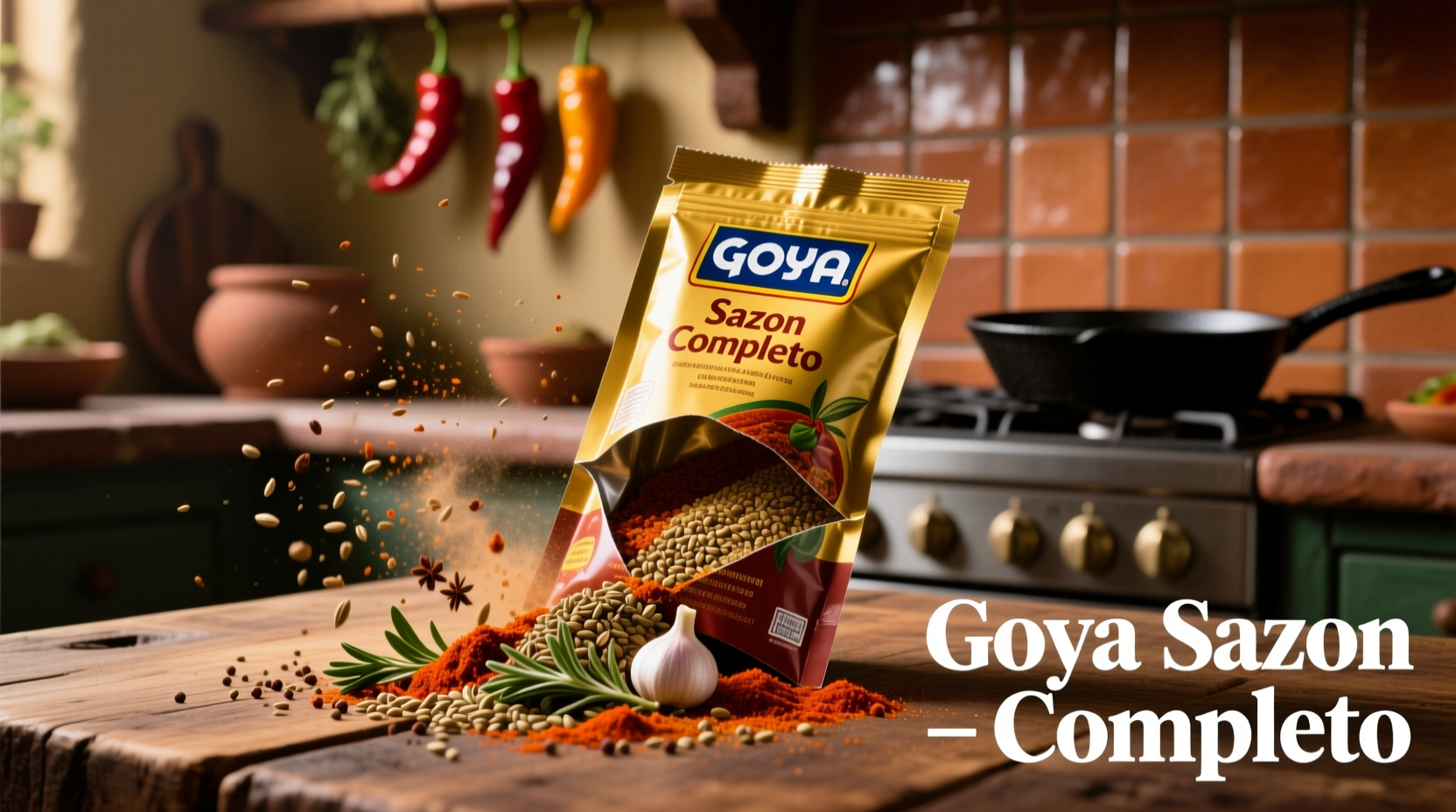
Goya Sazon Completo is a pre-mixed seasoning blend developed by the Goya Foods company, a leading producer of Hispanic and Latin American food products. Marketed under several variations—such as “Sazon with Coriander & Garlic” or “Sazon with Lemon”—the blend consistently delivers a combination of salt, spices, herbs, and coloring agents designed to enhance meats, rice, beans, stews, and soups.
The term *completo* translates to “complete,” indicating that the mix contains all necessary elements to season a dish thoroughly—eliminating the need for multiple individual ingredients. While formulations vary slightly between regional versions, each iteration shares a common foundation: sodium chloride (salt), dehydrated garlic, cumin, coriander, and most critically, annatto-derived coloring.
Annatto, derived from the seeds of the *Bixa orellana* plant native to tropical regions of the Americas, has been used for centuries not only as a food colorant but also as a medicinal agent and body paint by indigenous peoples. In culinary applications, it imparts a warm golden-red tint and a mildly bitter, peppery, and slightly sweet flavor profile. Its use in Goya Sazon ensures both aesthetic consistency and authentic regional character.
Key Characteristics of Annatto in Goya Sazon Completo
The inclusion of annatto shapes nearly every sensory aspect of Goya Sazon. Below are its defining characteristics:
| Characteristic | Description |
|---|---|
| Flavor Profile | Mildly peppery, earthy, with faint nutty and sweet undertones; not intensely spicy. |
| Aroma | Subtle, warm, slightly floral with hints of clove and dried fruit when heated. |
| Color Contribution | Imparts a bright yellow to deep orange-red hue, depending on concentration and fat content of the dish. |
| Heat Level | Non-pungent; does not contribute capsaicin heat. Flavor intensity is moderate. |
| Culinary Function | Acts as a natural colorant and flavor base; enhances appearance and depth without overpowering other ingredients. |
| Shelf Life | Stable for up to two years when stored in a cool, dry place away from light. |
| Solubility | Fat-soluble pigment (bixin); best released when sautéed in oil or incorporated into fatty mediums. |
Because annatto is fat-soluble, its full color potential emerges only when cooked with oils, lard, or butter. This explains why Sazon is typically added early in the cooking process, especially when browning meats or building a sofrito base.
Practical Usage: How to Use Goya Sazon Completo in Cooking
Goya Sazon Completo excels in simplicity and speed, making it ideal for weeknight meals and large-batch preparations. However, understanding how to deploy it effectively requires attention to timing, pairing, and proportion.
Basic Application Guidelines
- Use Early in the Cooking Process: Add Sazon when searing proteins or sautéing onions, peppers, and garlic. This allows the annatto to dissolve into fats and evenly distribute color and flavor.
- Pair with Fatty Ingredients: Combine with olive oil, vegetable oil, lard, or rendered meat drippings to maximize pigment release.
- Balanced Seasoning Ratios: One packet (about ½ teaspoon) per pound of meat or cup of rice is standard. Overuse can lead to excessive saltiness or an artificial-looking tint.
- Complement with Fresh Herbs: Counterbalance the dried nature of Sazon with fresh cilantro, parsley, or lime juice at the end of cooking.
Signature Dishes Enhanced by Sazon
- Arroz con Pollo: Sazon provides the golden hue associated with this classic dish, replacing turmeric or saffron in many home kitchens.
- Pernil (Roast Pork): Rubbed into the skin before roasting, it creates a deeply colored, aromatic crust.
- Black Beans and Rice: A small amount elevates the visual appeal and complexity of humble staples.
- Empanadas and Tamales: Mixed into dough or filling for consistent flavor and color throughout.
Pro Tip: To avoid clumping and ensure even dispersion, mix Sazon with a tablespoon of oil to form a paste before adding to your dish. This technique, known as *making a sazón base*, prevents streaks of concentrated powder and integrates seamlessly into sauces and grains.
Variants & Types of Goya Sazon Products
Goya offers several versions of Sazon, each tailored to different flavor preferences and dietary needs. While all contain annatto as the primary coloring agent, their secondary components vary significantly.
| Product Name | Key Ingredients | Best Used For |
|---|---|---|
| Sazon Completo – Coriander & Garlic | Salt, coriander, garlic, cumin, annatto, tricalcium phosphate | Universal use; ideal for poultry, pork, and rice dishes |
| Sazon Completo – Lemon | Salt, lemon peel, garlic, oregano, annatto | Seafood, chicken, light stews; adds citrus brightness |
| Sazon Gourmet (No Salt) | Annatto, coriander, garlic, cumin, turmeric (no added sodium) | Sodium-restricted diets; requires separate salt adjustment |
| Sazon with Culantro y Ajo (Culantro & Garlic) | Salt, culantro (recao), garlic, annatto, cumin | Dominican and Puerto Rican cuisine; stronger herbal note |
The presence of culantro—a pungent cousin of cilantro—in certain variants introduces a sharper, more persistent aroma compared to coriander-based blends. Chefs working with Dominican-style stews like *habichuelas guisadas* often prefer this version for its robustness.
Comparison with Similar Ingredients
Goya Sazon is frequently mistaken for other seasoning mixes due to overlapping ingredients or similar uses. Understanding the distinctions helps prevent misapplication and flavor imbalance.
| Ingredient | Primary Components | Difference from Goya Sazon |
|---|---|---|
| Adobo Seasoning | Salt, garlic powder, onion powder, oregano, black pepper | No annatto; lacks color contribution; more savory and less earthy |
| Recado Rojo (Yucatecan Paste) | Annatto, vinegar, cloves, cinnamon, allspice, cumin | Wet paste; fermented depth; used in cochinita pibil; more complex spice balance |
| Tandoori Masala | Coriander, cumin, turmeric, chili, fenugreek | Indian origin; turmeric-based yellow color; hotter and more aromatic |
| Chinese Five-Spice | Star anise, cloves, cinnamon, Sichuan pepper, fennel | Sweet-licorice profile; no annatto; entirely different cultural context |
| Saffron | Crocus sativus stigmas | Natural yellow dye; far more expensive; floral, honeyed notes vs. earthy annatto |
\"Many people reach for turmeric when they want to replicate the color of Sazon, but they miss the cultural specificity of annatto. It's not just about hue—it's about heritage.\" — Chef Maribel Rivera, author of *The Latin Kitchen Almanac*
Practical Tips & FAQs
Is annatto safe for consumption?
Yes. Annatto is generally recognized as safe (GRAS) by the U.S. FDA. Rare allergic reactions have been reported, usually manifesting as skin rashes or digestive discomfort in sensitive individuals. These cases are uncommon.
Can I make my own Sazon without annatto?
You can create a flavor approximation using paprika, turmeric, garlic, cumin, and coriander—but you’ll lose the authentic color and subtle bitterness that define traditional Sazon. If avoiding annatto due to allergy, substitute with smoked paprika for color and mild heat.
Why does my Sazon sometimes leave red spots in the dish?
This occurs when the annatto isn’t properly dissolved. Always bloom Sazon in oil or mix it with a liquid (like tomato sauce or broth) before adding. Avoid sprinkling it directly onto dry ingredients.
How should I store Goya Sazon?
Keep in a sealed container in a cool, dark cupboard. Exposure to heat, moisture, or sunlight degrades both flavor and color stability. Packets should be opened just before use to preserve freshness.
What are some low-sodium alternatives?
Opt for Goya Sazon Gourmet (No Salt Added), or blend your own using ground annatto seeds, garlic powder, cumin, coriander, and a pinch of citric acid. Control sodium levels independently based on dietary needs.
Can I use fresh annatto seeds instead of Sazon?
Absolutely. Simmer 1–2 teaspoons of whole annatto seeds in ¼ cup of oil over low heat for 5–7 minutes until the oil turns deep orange. Strain and use the infused oil as a base for rice, beans, or marinades. This method yields superior flavor control and avoids excess salt.
DIY Sazon Substitute (Salt-Free): Mix 2 tsp ground annatto, 1 tsp garlic powder, 1 tsp onion powder, 1 tsp dried coriander, ½ tsp cumin, and ¼ tsp black pepper. Store in an airtight jar for up to six months.
Expert Insight: When Tradition Meets Convenience
In professional kitchens, the debate around commercial seasoning blends like Goya Sazon often centers on authenticity versus efficiency. Purists argue that homemade sofritos, recados, and adobos offer superior depth. Yet, in real-world settings—from bustling taquerias to family Sunday dinners—time constraints favor reliable shortcuts.
The brilliance of Goya Sazon lies in its ability to preserve cultural continuity. For second- and third-generation Latinx cooks, Sazon acts as a bridge to ancestral recipes, ensuring that dishes like arroz con gandules retain their visual and gustatory identity—even when made far from the homeland.
Moreover, the standardization provided by Sazon benefits consistency in catering, meal prep services, and institutional cooking. A caterer preparing 200 servings of rice for a quinceañera can trust that each batch will match in color and seasoning, thanks to precise formulation.
Summary & Key Takeaways
Goya Sazon Completo owes its signature appearance and foundational flavor to annatto—the seed extract of the *Bixa orellana* plant. More than just a dye, annatto contributes earthy warmth, cultural authenticity, and visual appeal to countless Latin American dishes.
- Annatto is the **key component** responsible for the golden-orange color and subtle bitterness in Goya Sazon.
- It functions best when **bloomed in fat**, releasing its full pigment and integrating smoothly into dishes.
- Different Sazon variants cater to regional tastes, including lemon-infused, no-salt, and culantro-heavy options.
- Sazon is **not interchangeable** with adobo, tandoori masala, or five-spice due to its unique composition and cultural context.
- Homemade alternatives are possible, but commercial Sazon remains unmatched in convenience and consistency for everyday cooking.
Final Thought: Whether you're reviving a grandmother’s recipe or experimenting with new fusion ideas, understanding the role of annatto empowers you to cook with intention. Next time you reach for that familiar yellow packet, remember—you’re not just adding color. You’re adding centuries of tradition, one sprinkle at a time.




 浙公网安备
33010002000092号
浙公网安备
33010002000092号 浙B2-20120091-4
Comments
No comments yet. Why don't you start the discussion?